
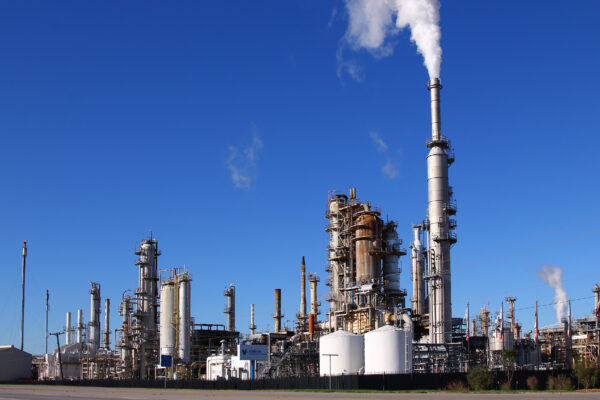
Which U.S. companies bought Venezuelan oil?
While Chevron was the main U.S. producer of Venezuelan oil, the product found a long list of buyers in the East Coast.


While Chevron was the main U.S. producer of Venezuelan oil, the product found a long list of buyers in the East Coast.
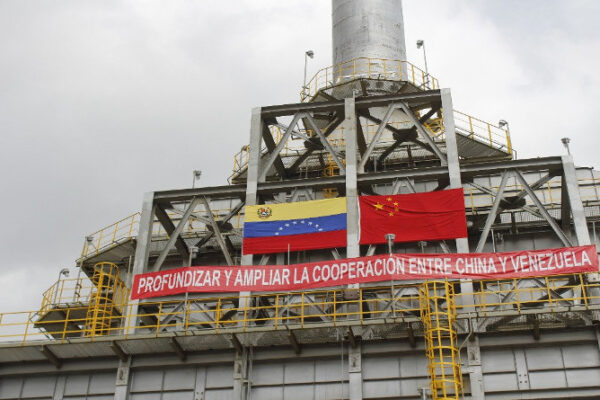
The Jose Blending Plant of PDVSA, located in the José Antonio Anzoátegui Industrial Complex in Barcelona, Anzoátegui, was expanded in…
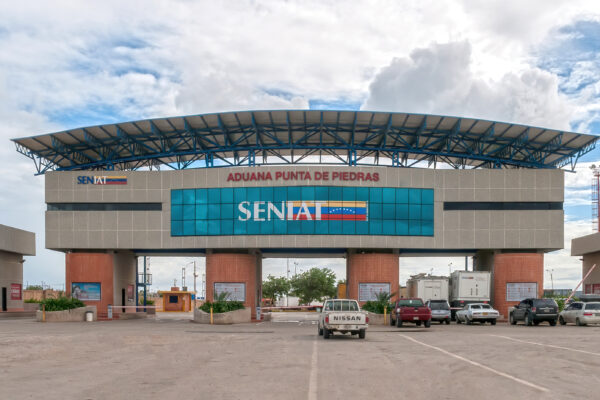
With an expected drop of up to 30% in oil revenues due to new U.S. sanctions, Nicolás Maduro’s government is tightening the screws on the private sector.
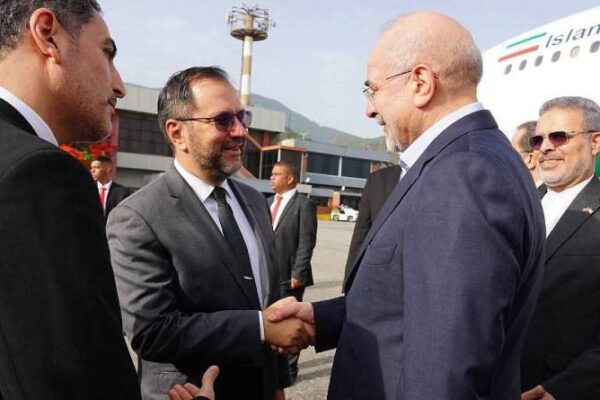
Mohammad Baqer Ghalibaf, Speaker of the Islamic Consultative Assembly of Iran, upon his arrival this Sunday at Simón Bolívar Maiquetía…
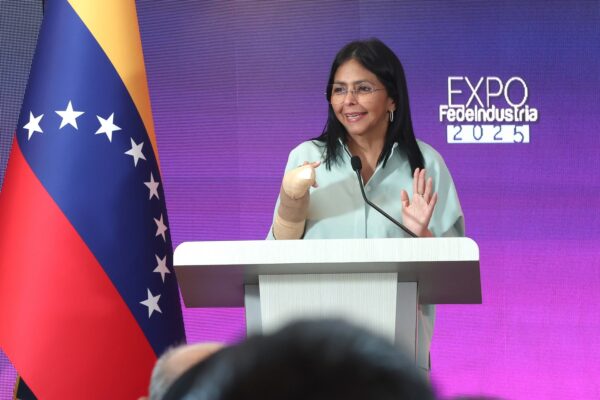
Venezuela’s Vice President and Minister of Hydrocarbons, Delcy Rodríguez, stated that oil fields operated in partnership with U.S. and European companies remain in “full production”.
Chevron has already terminated all its contracts for oil production, services, and procurement for Venezuela upon the expiration of its license.
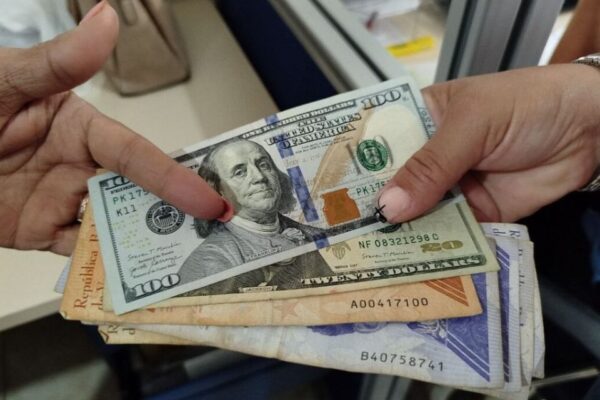
The shortage of official foreign currency has directly impacted prices and the purchasing power of Venezuelans. Photo: Archive Guacamaya, May…
The Trump administration plans to grant Chevron a limited license to carry out only essential maintenance
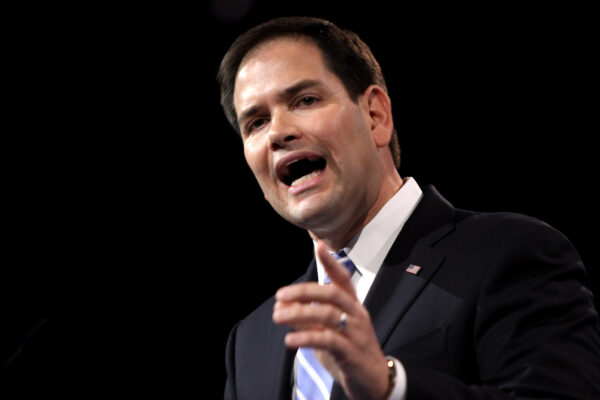
Marco Rubio, a Florida senator for 14 years, is now Secretary of State and Acting National Security Advisor in the…
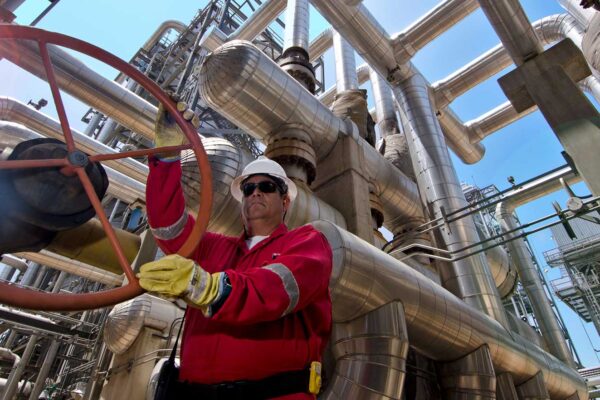
The Donald Trump administration plans to extend General License 41, which allows Chevron to operate in Venezuela despite sanctions.