For the first time since 2019, direct flights between Venezuela and the United States are expected to return, connecting cities like Miami and Houston with Caracas, Maracaibo, and Barcelona. Photo: Márcio Cabral de Moura.
Patricio Alejandro is a journalist, aviation expert, and editor of @dgaviacion_.
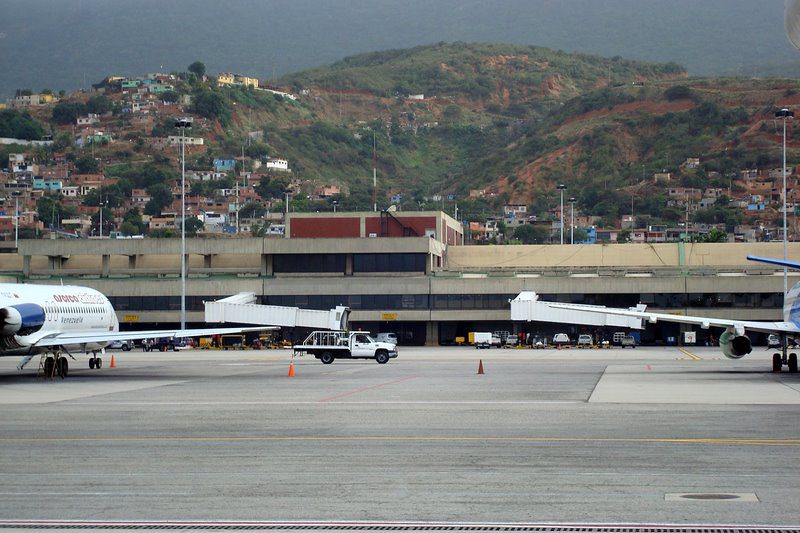
Guacamaya, February 25, 2026. A delegation from the U.S. Transportation Security Administration (TSA) has been in Venezuela for days conducting a security inspection at Simón Bolívar International Airport in Maiquetía.
This visit is part of the process initiated following the lifting of the NOTAMs by the FAA last January 29th, a measure that came after an announcement by President Trump following a conversation with Venezuela’s interim President Delcy Rodríguez. The evaluation aims to verify that the facilities meet international standards to allow the eventual resumption of direct commercial flights between the U.S. and Venezuela.
The TSA’s visit to Maiquetía is part of the standard protocol when the process to reestablish air routes to and from the United States begins. The oversight includes:
- Terminal security.
- Passenger screening and baggage handling.
- Cargo handling, airport perimeters, and aircraft security.
- Compliance with international norms.
Following the inspection of Maiquetía Airport, the TSA must do the same at the airports in Barcelona (General José Antonio Anzoátegui) and Maracaibo (La Chinita), terminals that have also been requested to operate routes to and from the United States.
In addition to authorizing flights and conducting the respective airport inspections, U.S. authorities have granted licenses to their operators, such as OFAC’s General License 30B, which authorizes transactions necessary for operations and the use of ports and airports in Venezuela.
This allows airlines to pay for airport services, ground handling providers, fuel (PDVSA), and fees to aviation authorities (INAC) and airport authorities (IAIM, BAER).
Currently, airlines are awaiting final approvals to begin their flights. American Airlines was the first to announce it was preparing to restart its connections between the United States and Venezuela.
“We have over 30 years of experience connecting Venezuelans with the United States, and we are ready to renew this incredible relationship,” stated Nat Pieper, Chief Commercial Officer of American Airlines, as published by the airline on its official press website.
“By resuming service to Venezuela, American Airlines will offer customers the opportunity to reunite with their families and generate new business and trade with the United States,” Pieper added.
Subsequently, American Airlines requested operating permits from the Department of Transportation (DOT) to resume its flights to Caracas and Maracaibo operating from Miami. The flights would be operated by its regional affiliate, Envoy Air, using Embraer 175 aircraft.
It is very likely that its regional airline’s operation will be seasonal and that later, depending on demand, the company will return to operating with higher-capacity equipment, such as Boeing 737-MAX or Airbus A320/321 aircraft.
So far, American Airlines is the only U.S. airline that has formally requested to operate to Venezuela.
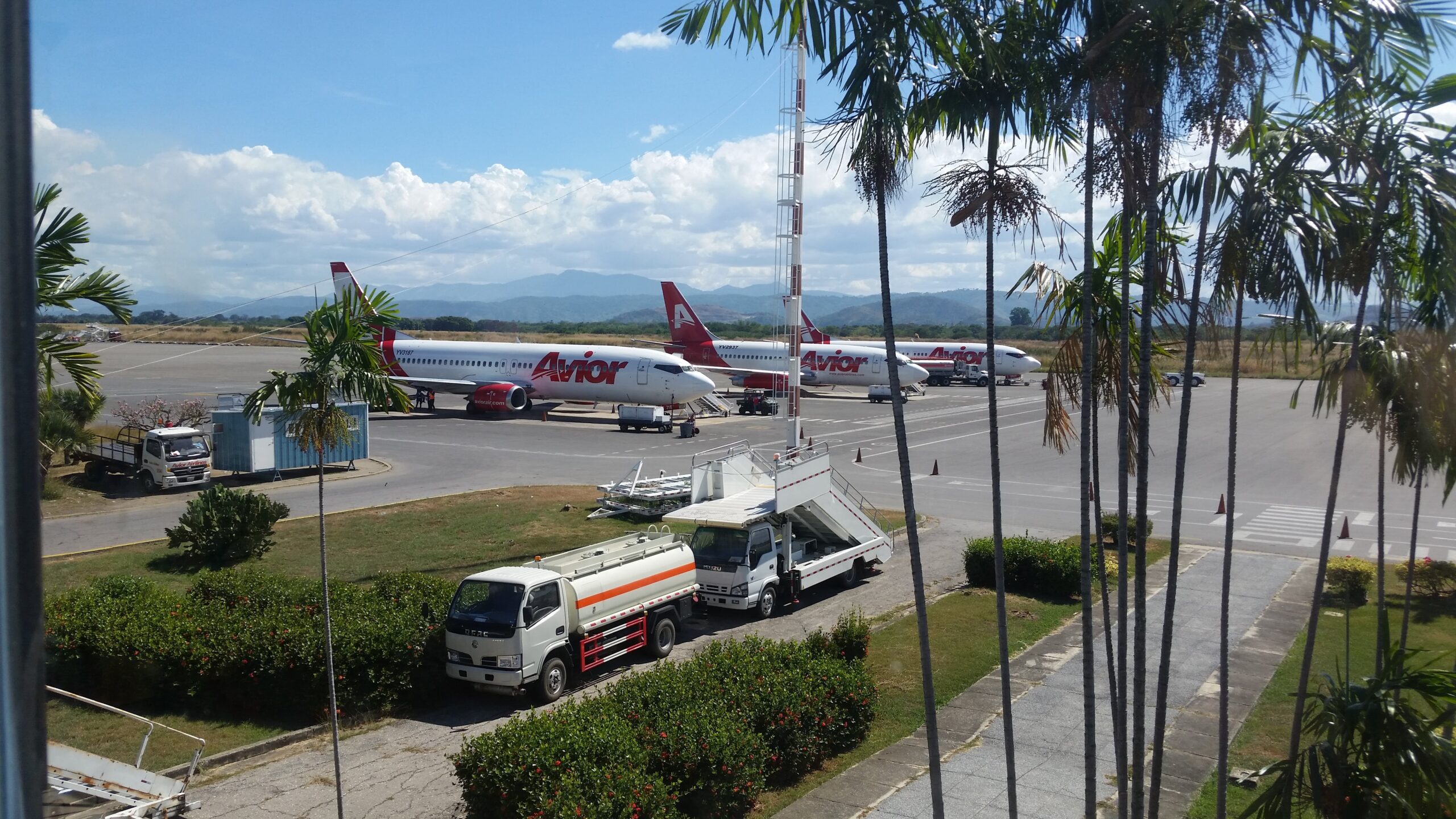
On the Venezuelan side, the airlines Avior and Laser Airlines are the ones that have requested to operate to the United States. Avior Airlines requested to resume its Barcelona – Miami route, which it operated until 2019. Additionally, it requested permits to fly the following routes:
- Caracas – Miami – Caracas.
- Maracaibo – Miami – Maracaibo.
- Barcelona – Houston – Barcelona.
The latter is a very interesting route, focused on the oil market between Anzoátegui and Texas; it should be noted that after Florida, the largest Venezuelan community is in the state of Texas.
Meanwhile, Laser Airlines has requested to operate the following routes:
- Caracas – Miami – Caracas.
- Maracaibo – Miami – Maracaibo.
- Valencia – Miami – Valencia.
It is important to note that, with Venezuela in FAA Category 2, Venezuelan companies have limited operational capacity using their own nationally registered aircraft to the U.S. Therefore, they must operate their flights through agreements with companies from the United States or a third country (under wet-lease or similar arrangements).
An exception is the case of Avior with its Barcelona-Miami-Barcelona route, which, having a prior permit for the Barcelona-Miami route, could operate with its own equipment as long as it was registered before Venezuela’s downgrade to Category 2.
Regarding efforts to regain Category 1 status, this would eventually allow Venezuelan airlines to fly with their own equipment. However, this depends on the Venezuelan State, through INAC, coordinating technical work with the FAA, which can take time. As a reference, Mexico lost Category 1 in 2021 and did not recover it until 2023.
Until this happens, the operation of Venezuelan companies must continue using third-party equipment.
So far, and following the authorization of flights between the United States and Venezuela, the sale of indirect flights operated by airlines such as Avianca, LATAM Airlines Colombia, and Copa Airlines via their hubs in Bogotá and Panama City continues.
The start of direct routes depends on permits from the aviation authorities of both countries, the operational readiness of the airlines, and the completion of TSA inspections. It is very likely that we will see the start of ticket sales for operations beginning mid-year, possibly between May and June.