Horacio Velutini is a director and shareholder at INVACA and served as president of the Caracas Stock Exchange (2024–2025).
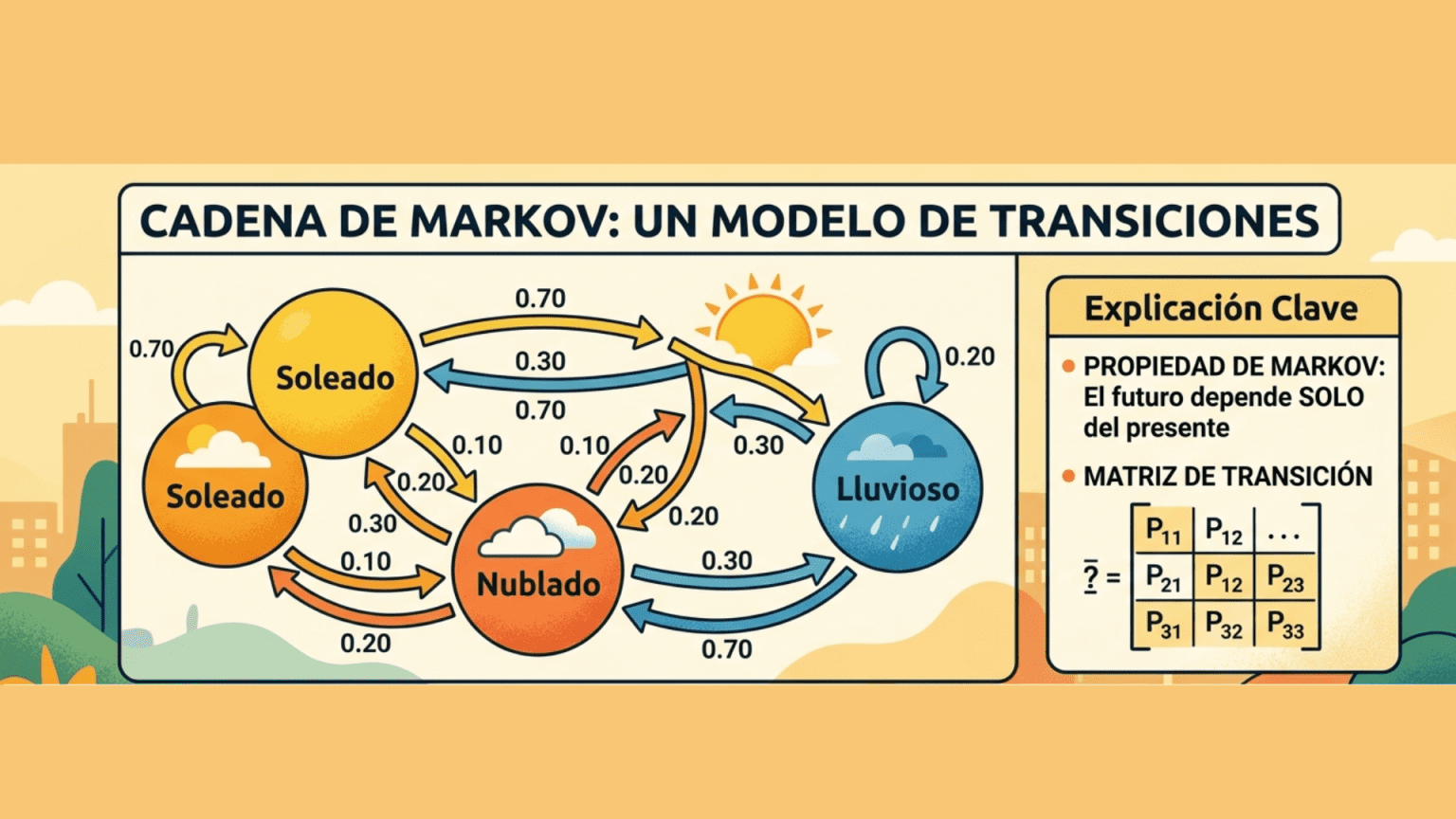
“A Markov chain is a mathematical and statistical model used to predict the behavior of systems that evolve over time. Its fundamental principle is that the next state of the system depends solely on the current state, without regard to the series of prior events. The past is irrelevant; what matters are current events in order to project possible future outcomes.”
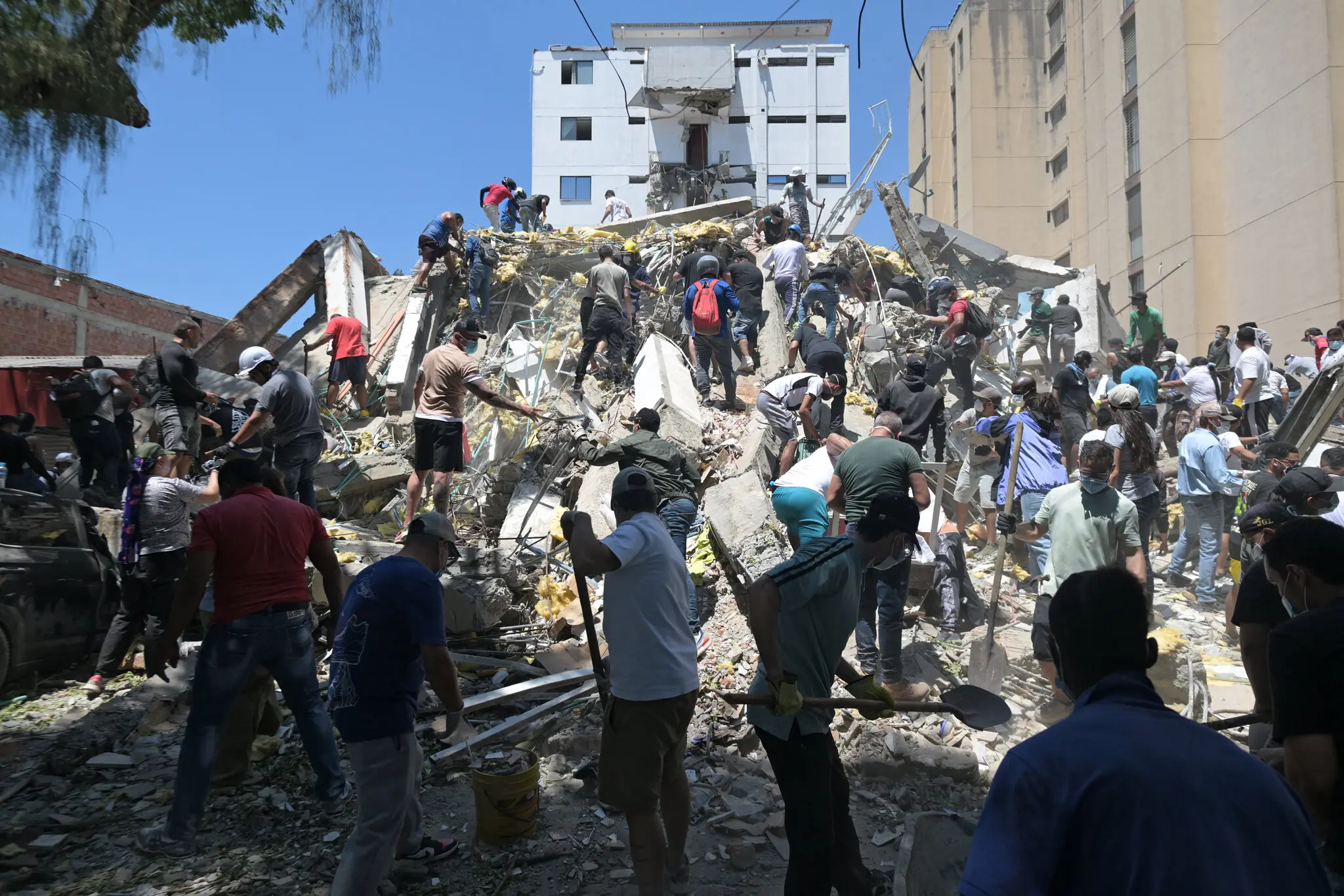
The event that took place on January 3, 2026, in Venezuela was so disruptive that it marked a clear before and after. Everything changed; even if everything looks the same, nothing that happened before will determine what happens next. The future will be defined by events from that date onward. In other words, it is the current state of affairs that determines the probabilities or economic and political projections.
For those of us who have lived through these past decades, drawing such a clear line between before and after is not easy. But mathematical and statistical concepts applied to a country’s socioeconomic issues have no emotions—only probabilities based on present data.
What has happened since January 3 that we can observe as facts?
Venezuela has joined the global strategy of the United States with regard to the balance of power, spheres of influence, and energy dominance. The United States has eased sanctions and allowed the country to gradually reintegrate into the U.S.-dominated financial system, while giving American and European companies a place in the oil and gas business. The U.S. reopened its embassy, and it is now possible to fly regularly and directly to the United States.
Venezuela expects to increase its production to 1.3 million barrels per day by the end of the year—an increase of 44%. The country is now earning twice as much per barrel by selling on the spot market, thanks to the rise in oil prices over the past three months.
Venezuela has taken the first steps toward restructuring its foreign debt—whose bonds have gone from 5% to 50% of their face value, representing a 900% increase. The country has the largest proven oil reserves in the world and ranks seventh in natural gas, in a world that demands more energy every day, which provides payment guarantees.
Within this context, Venezuela has a high probability of growing its GDP by between 8% and 12% and gradually stabilizing its foreign exchange market.
There are other facts that are present now and will have repercussions for the rest of 2026, depending on each sector or economic aggregate. Venezuela has the best opportunity it has had in decades to transform its economy and catch up with its peers, such as Colombia and Peru. To do so, it needs to quadruple its GDP—something that, we can say in 2026, is likely. Personally, I believe it will happen. The probabilities are high.