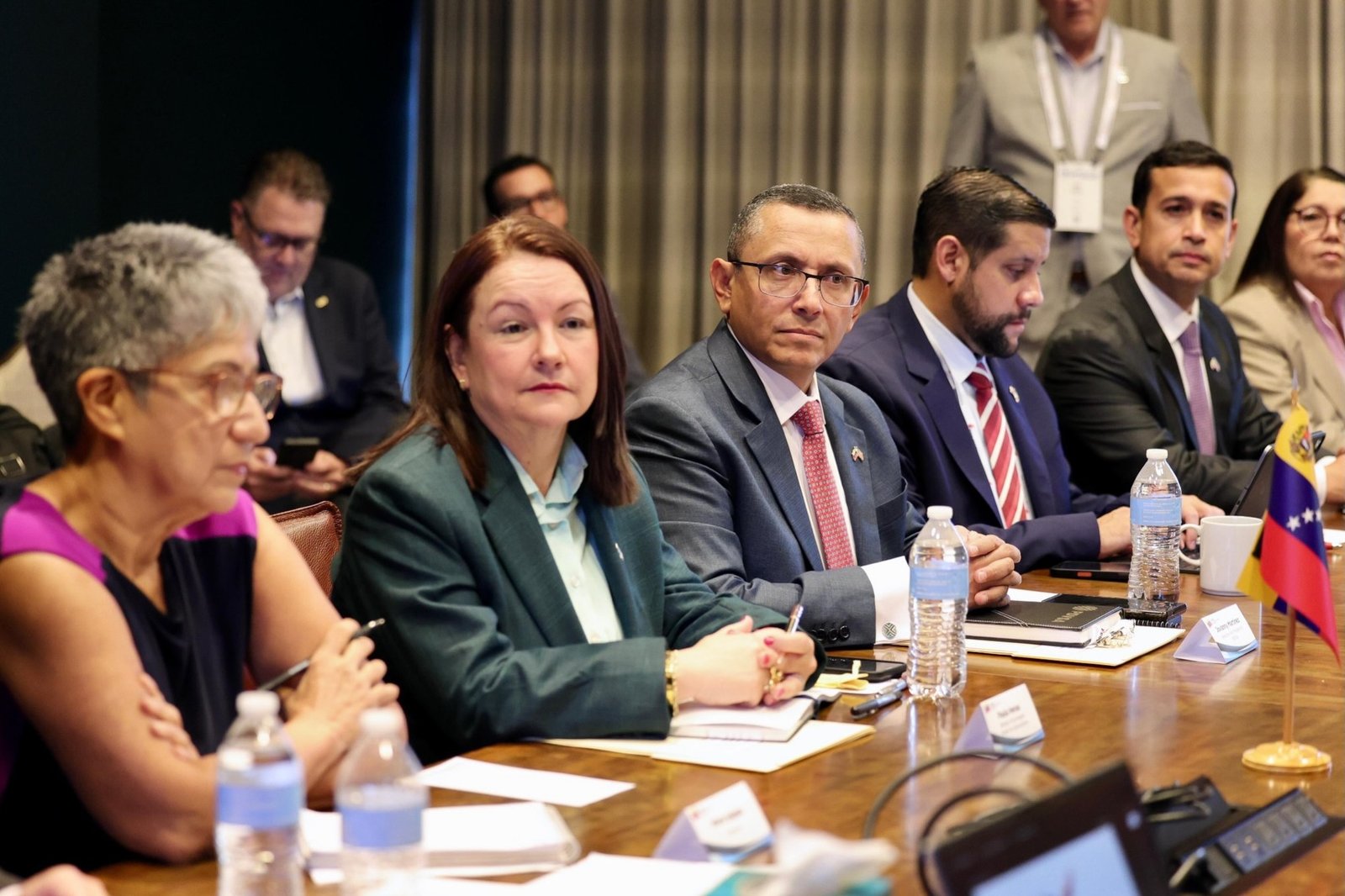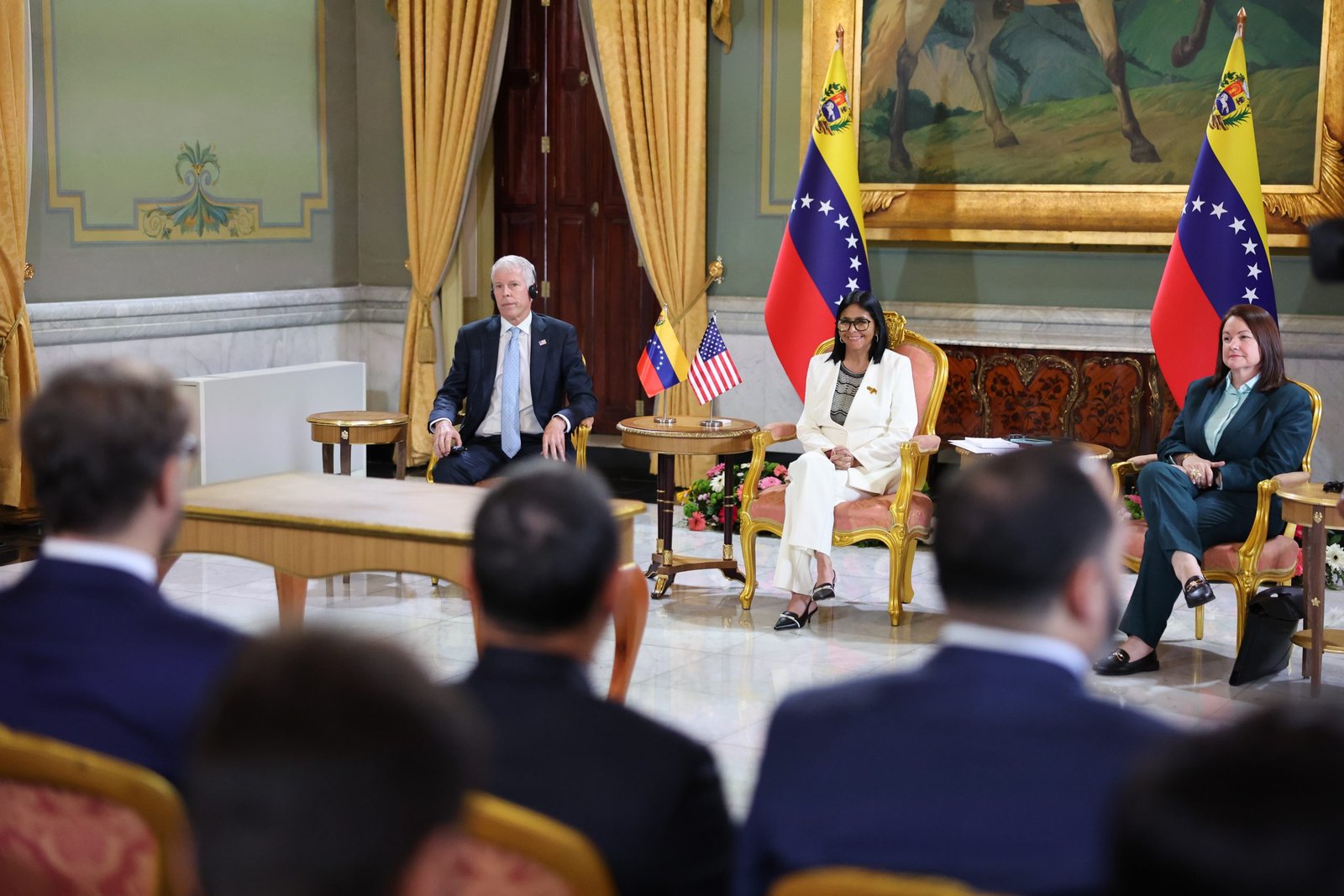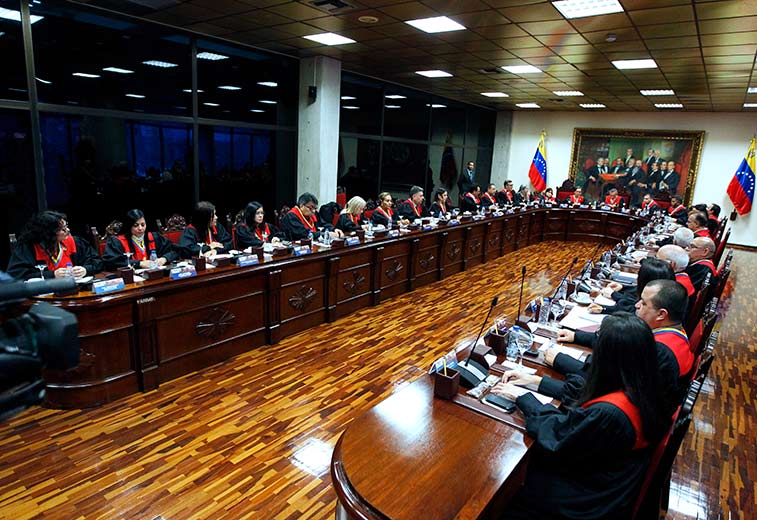
The declared objective of the parliamentary majority is “to expedite judicial proceedings,” seeking to optimize the handling of cases that reach the higher courts. / Photo: TSJ Archive.
Guacamaya, May 5, 2026. During a key legislative session held this Tuesday, the National Assembly moved forward with the reconfiguration of the Venezuelan judicial system. The central point of the session was the approval, in first discussion and by a qualified majority, of the Draft Partial Reform Law of the Organic Law of the Supreme Court of Justice (TSJ), a measure that once again expands the composition of the highest court.
The reform, which proposes amending Article 8 of the Organic Law of the TSJ, contemplates a significant increase in the number of magistrates: the specialized chambers (Political-Administrative, Electoral, Civil Cassation, Social Cassation, Criminal Cassation) will go from 3 to 5 members each, while the Constitutional Chamber will go from 5 to 7 magistrates. With this adjustment, the Plenary Chamber will expand from 20 to 32 members.
It is noteworthy that, barely four years after reducing the number of magistrates from 32 to 20 under the argument of “resizing” the system, the Legislature (with an officialist majority) is now reverting that measure. Once again, operational, legal, and technical reasons of “judicial speed” are being invoked to justify the increase — the same arguments that, in 2022, served to cut down the structure.
Regarding the depth of this change, the President of the National Assembly, Jorge Rodríguez, emphasized that it is not a superficial measure. “It is not only cosmetic changes to some elements of Venezuela’s justice system, but going deep so that normal, ordinary people, the people, feel that the administration of justice is increasingly closer,” Rodríguez asserted.
Likewise, the parliamentarian reaffirmed the official discourse against the social gap in the system. “It is inconceivable that being poor or of low income is still a crime or causes greater harm to people who are subject to any justice situation,” he stated.
The opposition’s stance and the debate on procedure
The session was marked by dissent from the Libertad faction. Deputy Tomás Guanipa announced that the alliance would abstain from voting, denouncing a rushed convocation that prevented analysis of the project. “Don’t tell us that it’s timely to have the session agenda at 1:15 PM, only to later vote in favor of a project we don’t know,” the parliamentarian criticized.
For the opposition faction, the problem with the judicial system goes beyond the number of magistrates. “It falls very short to talk about a number of magistrates when this is not an issue of positions or names, but of a completely corrupted system,” said Guanipa, who described the debate as a potential “turning point for what could be the reinstitutionalization of the country and the redemocratization of Venezuela.”
For his part, Deputy José Gregorio Correa, from the Democratic Alliance faction, defended the reform as a necessary tool, while advocating for strengthening the General Inspectorate of Courts to function as a “citizen’s police” to address procedural delays. Correa emphasized that brevity should be the norm and that technological training is vital: “This seeks to eliminate the discretion where officials impose their own criteria above what the Constitution and the Law dictate.”
The judicial restructuring scenario
This parliamentary move occurs in a context where the “Great National Consultation on Criminal Justice Reform,” promoted by the acting presidency of Delcy Rodríguez, remains active. At the same time, last week saw the retirement of eight magistrates and the ratification of Caryslia Rodríguez at the head of the TSJ’s board of directors.
As the reform advances, the Preliminary Commission of the Judicial Postulations Committee continues to interview the 94 candidates nominated by civil society organizations and through self-nomination, to complete the body that will drive the renewal of the Judicial Branch. Given these steps, one must ask whether expanding the number of magistrates will solve judicial backlog or merely enlarge a structure without addressing the underlying problem.