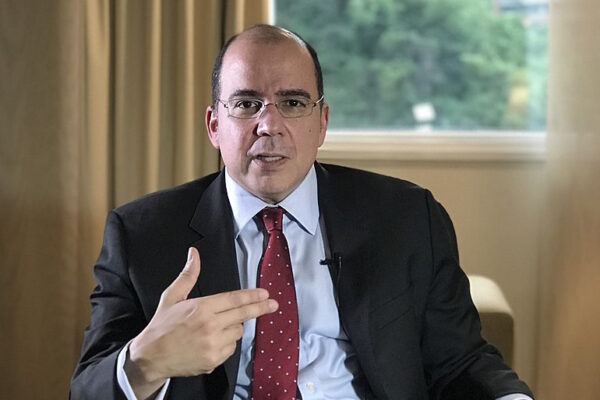
Chúo Torrealba: “We are in a regressive political transition”
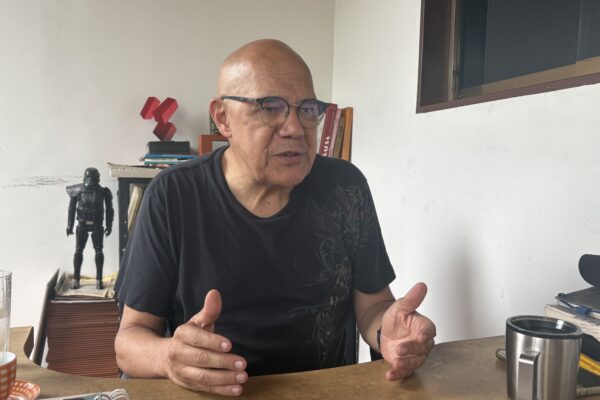
Jesús Torrealba, better known by his nickname Chúo Torrealba, is a Caracas activist who became known through his radio program El Radar de los Barrios.
In this section, we invite experts, as well as political and economic actors, in politics of all colours, to contribute to debate and objective analysis in Venezuela.
Jesús Torrealba, better known by his nickname Chúo Torrealba, is a Caracas activist who became known through his radio program El Radar de los Barrios.
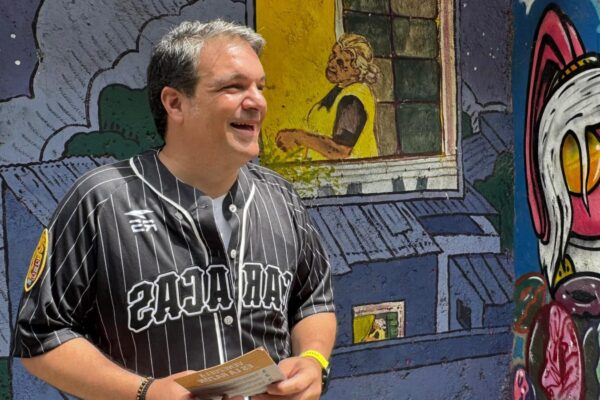
We speak with Stalin González, a leader of the opposition party Un Nuevo Tiempo (UNT). He has just arrived from a campaign event in Catia, in western Caracas, for the elections on May 25.
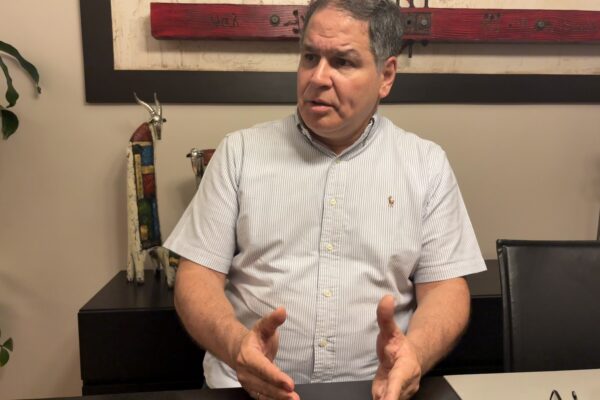
Interview: Luis Florido was a founding member of the party Voluntad Popular, which he left in 2018 after disagreeing with the decision to abstain from that year’s presidential elections.
Faced with the tightening of sanctions and international isolation, the Venezuelan government finds in Qatar a discreet opportunity for potential negotiations, seeking financing, and reinserting itself into the diplomatic map.
The visit occurs in a global context dominated by geopolitical competition between the United States and China. While Washington reimposes oil sanctions aimed at isolating the government of Nicolás Maduro, Beijing maintains its strategic support, evidencing a bet to strengthen its influence in Latin America and the Caribbean, consolidate its access to energy resources at preferential prices and erode American hegemony in the hemisphere.
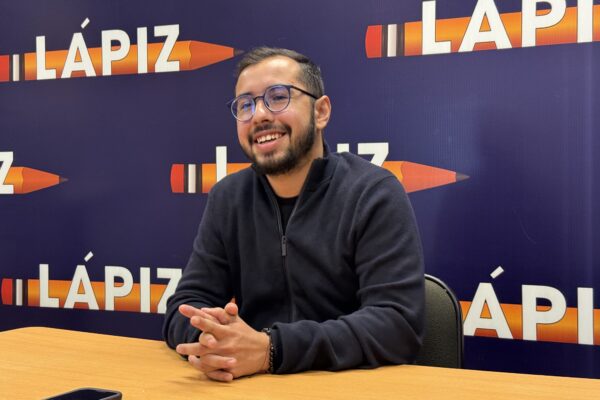
Antonio Ecarri is the leader of the Alianza del Lápiz, an independent opposition party. He was a presidential candidate in the July 28 elections, running outside the platform that supported Edmundo González. Amid the controversy over the results, Ecarri filed a legal challenge questioning the actions of the National Electoral Council (CNE).
In a context of geoeconomic tensions and accelerating rhetoric around the energy transition, Russia has solidified its strategic roadmap for the energy sector through 2050. Approved in April 2024, this document not only redefines domestic priorities but also articulates a forceful narrative about the future of global power. Through the case of Rosneft, the state-owned oil giant, a structural challenge to the Western-led energy and financial model emerges, posing both a conceptual and practical test for the international order.
Luis Vicente León is an economist and professor at the Andrés Bello Catholic University, as well as the president of…
Caracas woke up hot that Thursday, April 11, 2002—or so many have recounted. Not just from the sun heating the asphalt in the eastern part of the capital, but from a tension so thick it could be cut with a knife. For days, the entire country had been torn between shouts, marches, presidential broadcasts, and a bitter clash between irreconcilable visions of the nation. Polarization wasn’t just a buzzword. It was a reality you could breathe, scream, fear, sense, and live. A reality that, though denied, still lingers in the conflict.
Bolivars and dollars reflect the economic struggle in a country marked by devaluation and inflation. Photo: Courtesy. Guacamaya, April 10,…