Interview by Melike Hocaoğlu, international relations specialist. In the image, Deputy Ali Şahin of the Grand National Assembly of Turkey, from the AK Party. Photography: Instagram / @alisahin.
Guacamaya, July 11, 2026. Ali Şahin is a deputy of the Grand National Assembly of Turkey for the province of Gaziantep and one of the figures with the most experience in international relations within the Turkish establishment. He previously served as Deputy Minister for European Union Affairs.
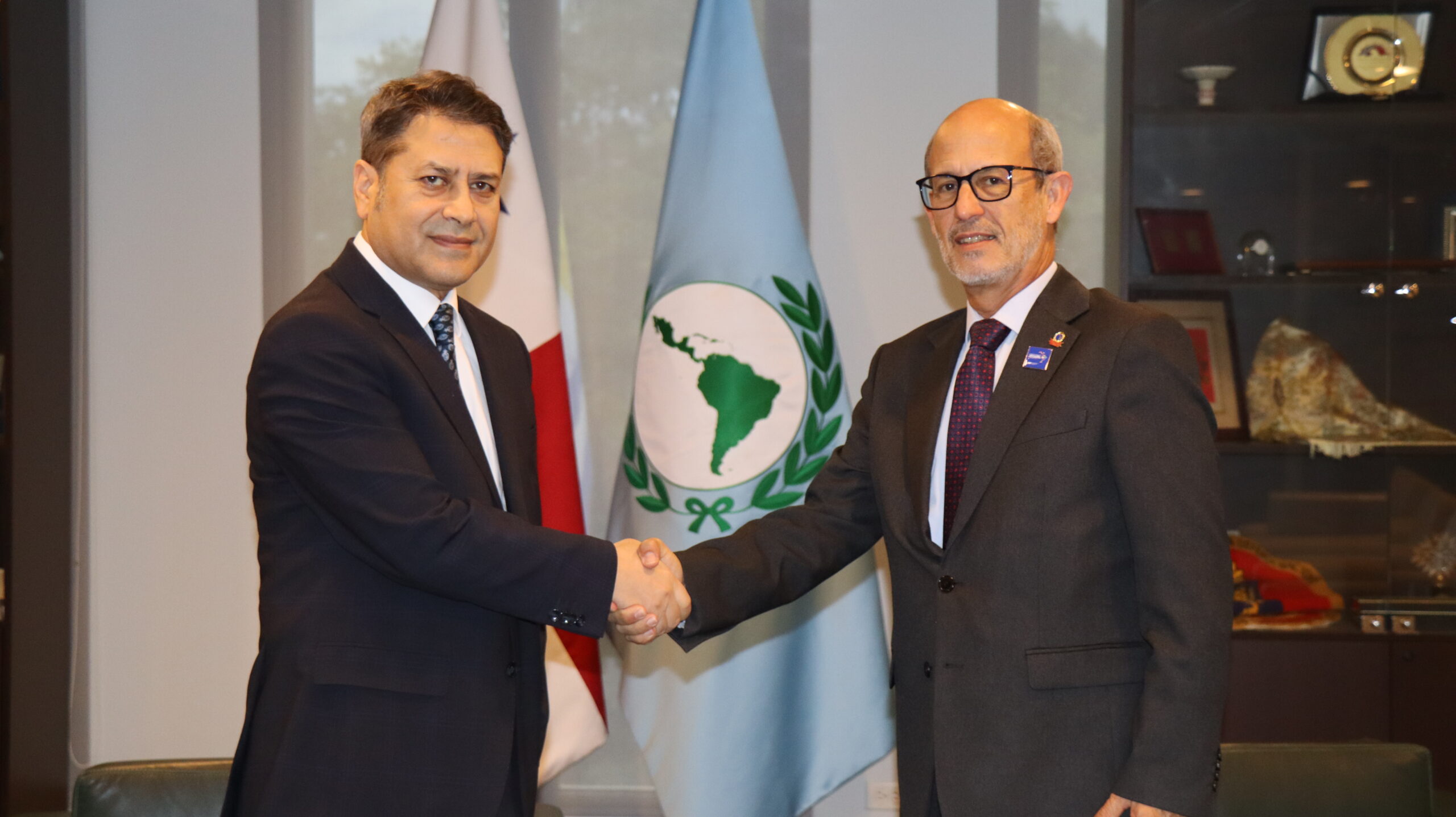
In Parliament, he has served on the Foreign Affairs Committee, chaired the Turkey–Pakistan Parliamentary Friendship Group, and currently heads the Delegation of the Grand National Assembly of Turkey to the Latin American and Caribbean Parliament (PARLATINO). He also serves as president of the Turkish Group of PARLATINO, consolidating parliamentary ties with the region.
Throughout his career, he has also held responsibilities within the Justice and Development Party (AK Party), including the vice presidency of Social Policies. In recognition of his contribution to strengthening bilateral relations between Turkey and Pakistan, he was decorated in 2020 with the Sitara-i-Pakistan award, one of the highest civilian honors conferred by that country.
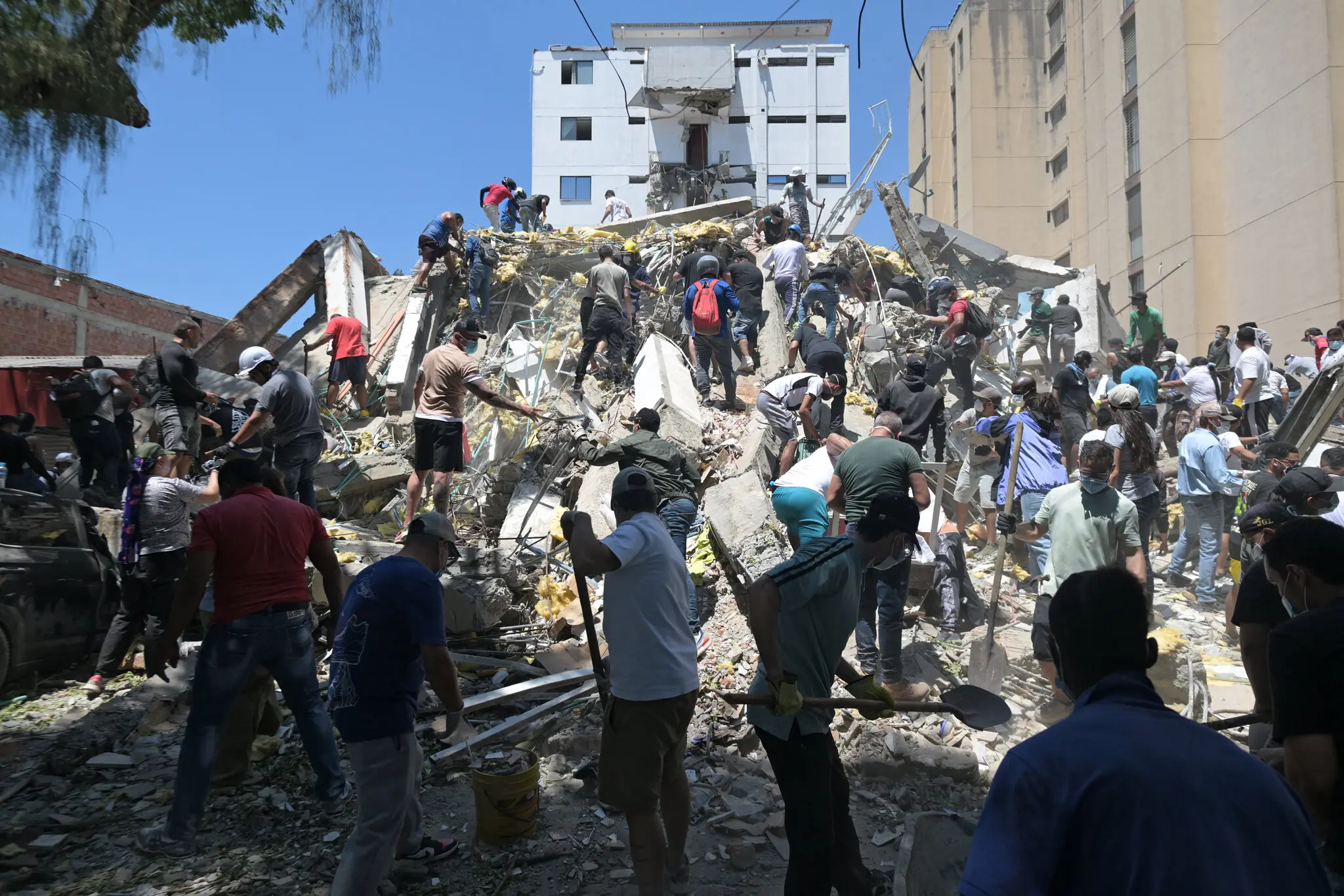
At the end of June 2026, Venezuela was shaken by a series of large-magnitude earthquakes, leaving a high number of fatalities, thousands injured, and tens of thousands of families displaced. The disaster caused severe damage to homes, hospitals, schools, roads, and basic service networks, becoming one of the most serious humanitarian emergencies in Venezuela’s recent history and mobilizing a broad national and international response.
In solidarity, Turkey responded swiftly by sending specialized search and rescue teams, medical personnel, humanitarian aid, and essential supplies to support emergency efforts, joining international efforts.
Turkish assistance added to international efforts aimed at saving lives, assisting affected communities, and contributing to the initial recovery phases, reaffirming the close ties of friendship and cooperation between Turkey and Venezuela in the face of a tragedy of this magnitude.
The earthquakes of February 6, 2023, marked a before and after for Turkey. With their epicenter in the southeast of the country, the catastrophe severely affected provinces such as Gaziantep, which Deputy Ali Şahin represents, having experienced first-hand the disaster’s impact on his region and the enormous humanitarian and reconstruction challenge the country faced. Gaziantep not only suffered significant material damage and loss of life but also became one of the main logistical hubs for coordinating rescue, assistance, and recovery operations in the affected areas.
After the emergency, Turkey launched one of the largest reconstruction programs in its history, with a central role played by the Housing Development Administration (TOKİ), responsible for building tens of thousands of homes with seismic resistance standards, geotechnical studies, and urban planning for affected communities. This experience, developed alongside institutions such as AFAD and the Turkish Red Crescent, now serves as a reference for post-disaster recovery. In this interview, Deputy Ali Şahin offers that experience to Venezuela, stating that the lessons learned during the reconstruction of Gaziantep and southeastern Turkey can contribute to the rehabilitation and reconstruction process of the Venezuelan areas affected by the recent earthquakes.
Question: What role do you think Turkey can play in Venezuela’s reconstruction process? In which areas could it contribute most significantly?
Answer: First and foremost, I would like to express my most sincere condolences and my solidarity with the brotherly people of Venezuela over the earthquake that occurred on June 24.
We are among those who best understand what the Venezuelan people are feeling today, because on February 6, 2023, we experienced in Turkey, and I personally in Gaziantep, two devastating earthquakes of the same magnitude, occurring consecutively and with profoundly destructive effects. For this reason, I believe that today no one understands Venezuela better than Turkey and the Turkish people.
The experience acquired by Turkey after those two great earthquakes encompasses not only the acute phase of the disaster—search and rescue efforts, care for the injured, and coordination of humanitarian aid—but also the management of the recovery process and the return to normalcy.
Institutions such as AFAD, the Turkish Red Crescent (Kızılay), UMKE, and TOKİ now possess extraordinarily valuable experience. In fact, apart from TOKİ, several of these institutions are already providing support in Venezuela.
I am convinced that the experience accumulated by these institutions after February 6 will be a very useful reference for managing Venezuela’s recovery quickly, effectively, and in a coordinated manner, and for accelerating the return to normalcy.
Q: How do you assess the solidarity and humanitarian aid provided by Turkey to Venezuela in difficult times? What impact could this have on bilateral relations?
A: I believe Turkey reacted with great empathy from the very first moment, precisely because it had experienced the tragedy of February 6 firsthand.
By instruction of President Recep Tayyip Erdoğan, both the Turkish Armed Forces and organizations with extensive disaster management experience were mobilized, including AFAD, UMKE, Kızılay, and TİKA. The necessary humanitarian aid was sent to Venezuela via a military cargo aircraft.
Turkey has managed to transform the pain of its own experiences into a rapid and supportive response capacity in the face of other peoples’ tragedies. In recognition of this work, the Turkish aid teams were decorated by the Venezuelan State.
It is a source of pride to see that, in the face of an earthquake or any humanitarian disaster, Turkey and the Turkish people are usually among the first to extend a helping hand.
As happens between individuals, shared suffering also strengthens, deepens, and consolidates relations between states and peoples. The solidarity shown between Turkey and Venezuela during these difficult times will undoubtedly contribute to building a historical bond of true brotherhood between our nations.
Q: In this new phase, what opportunities do you see for Turkish companies and investors in Venezuela?
A: Beyond private companies, I believe TOKİ can carry out a very important mission in the reconstruction and revitalization of the affected Venezuelan cities, working jointly with the Turkish construction sector.
The speed and effectiveness with which Turkey carried out reconstruction after the February 6 earthquakes constitute a true success story.
Transferring that experience, both through TOKİ and through Turkish construction companies, would be an enormously valuable contribution for Venezuela.
Q: How do you assess the role of parliamentary diplomacy in strengthening relations between Turkey and Venezuela?
A: Parliamentary diplomacy has become one of the most relevant diplomatic models of the last quarter century. Complementing traditional inter-state relations, based on reciprocity and institutional norms, with a closer, more flexible, and more human parliamentary diplomacy makes it possible to generate a solid foundation of trust and, at the same time, accelerate and deepen cooperation between countries.
Parliamentary relations between Turkey and Venezuela are advancing and strengthening both through the Turkish Group of PARLATINO, which I have the honor of presiding over, and through the Parliamentary Friendship Groups between the two countries.
Q: How do you see the future of relations between Turkey and Latin America in the coming years? What role could Venezuela play in this process?
A: Under the leadership of President Recep Tayyip Erdoğan, Turkey initiated a policy of opening toward Latin America and the Caribbean during the AK Party governments. This process continues to deepen in the economic, cultural, political, and also security cooperation spheres.
In 2021, Turkey became, for the first time, an observer member of PARLATINO, which comprises 23 countries from Latin America and the Caribbean. Since then, our delegation participates each year in the General Assembly of this institution.
Turkish Airlines continues to expand its presence in the region. It currently operates nine active destinations in Latin America and the Caribbean, with ten daily flights and seventy weekly flights.
As a reflection of the importance Turkey attaches to the region, we have also increased the number of our diplomatic representations to 19.
Likewise, bilateral trade has grown from barely 900 million dollars at the beginning of the 2000s to 16.4 billion dollars today.
Institutions such as TİKA, the Yunus Emre Institute, the Maarif Foundation, and the Diyanet Foundation continue to expand their humanitarian, educational, and cultural activities throughout the region.
In this process, Venezuela can play a fundamental role as one of Turkey’s strategic partners in Latin America.
Q: How do you believe Turkish culture and Turkey’s positive image in Venezuela can contribute to strengthening political, economic, and social cooperation between the two countries?
A: I consider the cultural and human dimension to be the indispensable foundation of relations between states and peoples.
When there is a solid cultural and human foundation, there is also trust; and trust is the most important element on which all lasting relationships are built.
The trust between Turkey and Venezuela is like fertile land: the more it is sown upon, the greater the fruits will be in the political, economic, and social spheres.
In my opinion, that trust capital is the most valuable shared asset that our two countries possess today.
Q: Finally, what message would you like to convey to the Venezuelan people and to those in Turkey who closely follow relations between the two countries?
A: Venezuela and Caracas are the cradle of Simón Bolívar, a legendary leader who inspired all of Latin America and the Caribbean with his spirit of resistance, rebirth, freedom, and courage in the face of adversity.
Bolívar was not only a hero for his own people, but a universal reference for all those who fight for freedom and dignity.
I am convinced that the Venezuelan people, guided by that extraordinary spirit, will also overcome this tragedy and rise again with greater strength, rising from their own ashes.
Long live Caracas! Long live Venezuela! Long live the dignified and honorable Venezuelan people, heirs to the spirit of Simón Bolívar!