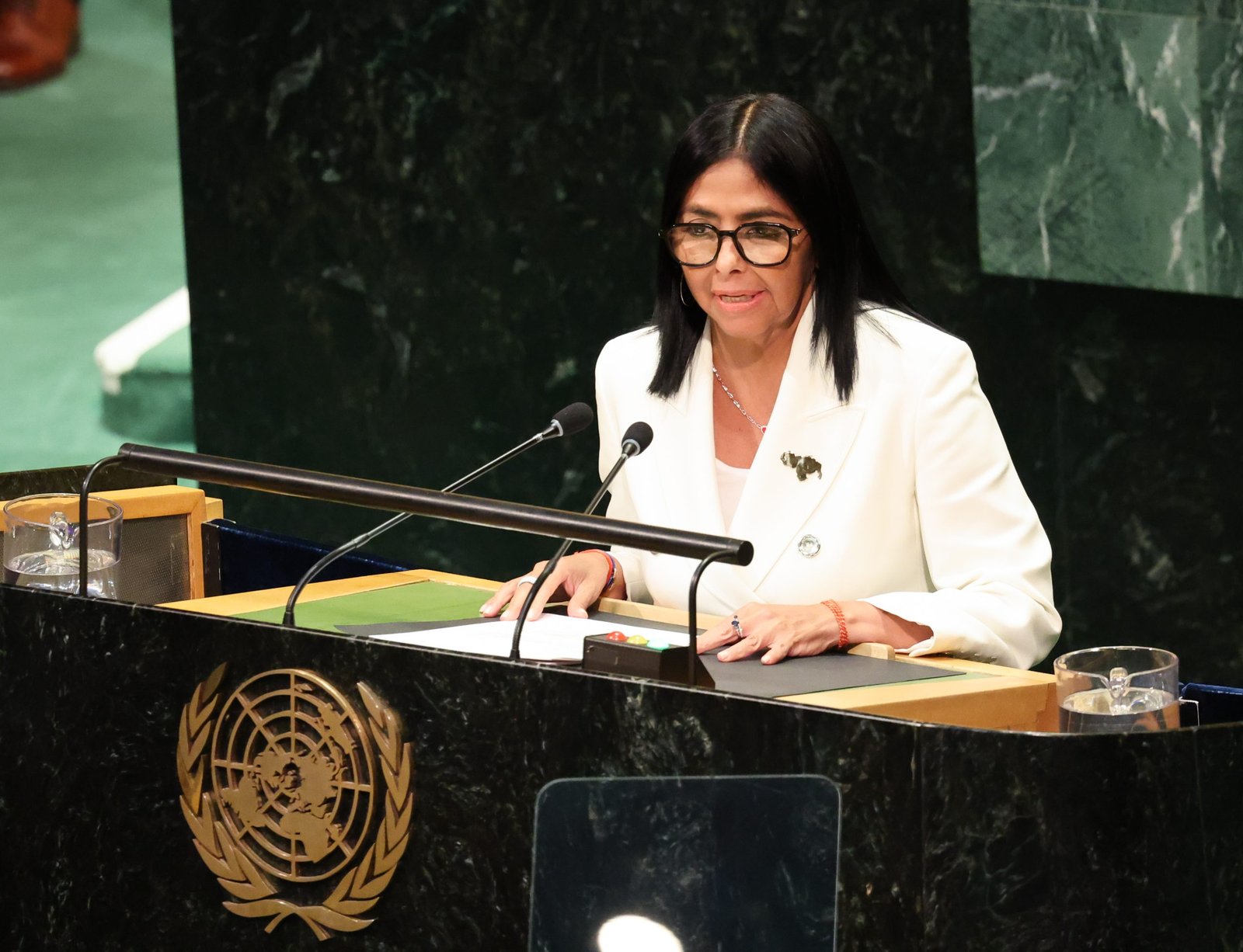
The National Assembly unanimously approved the Bill for the Promotion and Development of Venezuelan Cocoa on Thursday. Photograph: Website of the Ministry of People’s Power for Foreign Affairs.
Guacamaya, June 11, 2026. Venezuela’s National Assembly this week advanced the approval of the Law for the Promotion and Development of Venezuelan Cocoa by passing the first 18 articles of the bill in its second reading. The legislation seeks to promote the sustainable development of the cocoa sector through agroecological criteria, stronger value chains, and increased domestic value-added production.
On Thursday, the National Assembly unanimously approved the Law for the Promotion and Development of Venezuelan Cocoa, a legal framework aimed at strengthening domestic production of this strategic crop and contributing to the country’s economic diversification.
The new legislation seeks to promote the comprehensive development of the cocoa value chain through support mechanisms for financing, commercialization, technical assistance, and producer protection. It also includes measures designed to strengthen the capacities of small and medium-sized farmers, particularly in Venezuela’s traditional cocoa-producing regions in the central and eastern parts of the country.
The legal framework also promotes the preservation of traditional knowledge associated with cocoa cultivation and establishes guidelines to ensure that the sector’s growth is guided by principles of economic sovereignty, rural development, and community participation.
During the parliamentary session, attended by cocoa producers gathered in the legislative chamber, lawmakers highlighted the importance of agricultural workers whose efforts sustain the production of Venezuelan cocoa, widely regarded as among the finest in the world.
Following unanimous approval by legislators, National Assembly President Jorge Rodríguez formally announced the passage of the law and signed the corresponding documents for submission to the national executive branch, in accordance with Article 213 of the Constitution, as a preliminary step toward promulgation.
Rodríguez also emphasized the consensus reached among the various political factions represented in Parliament in support of the cocoa sector and expressed his appreciation to the producers present, inviting them to receive the newly approved legal text.
Through this legislation, the National Assembly seeks to provide the Venezuelan state and productive actors with a legal instrument aimed at strengthening the competitiveness of Venezuelan cocoa, improving its integration into international markets, and addressing the challenges currently facing the agricultural sector.
Among the measures included are provisions for the conservation and utilization of Venezuela’s cocoa genetic heritage, considered one of the most valuable in the world due to its unique organoleptic qualities, aromas, and flavor profiles highly prized by the international chocolate industry.
According to Jesús Faría, chairman of the Permanent Commission on Economy, Finance and National Development, the legislation also seeks to address longstanding imbalances in the commercialization chain by ensuring a fairer distribution of income generated by the sector and strengthening the position of primary producers.
The parliamentary debate is taking place at a particularly favorable moment for the cocoa industry. In recent years, cocoa prices have risen significantly in international markets due to declining global supply, especially in West Africa, where countries such as Ghana and Côte d’Ivoire have faced challenges linked to climate change, crop diseases, and aging plantations.
According to the FAO, cocoa and coffee are strategic products for the Venezuelan economy due to their capacity to generate employment, stimulate rural development, strengthen exports, and contribute to productive diversification. Both products also possess significant potential to expand Venezuela’s presence in specialized international markets.
Between 2024 and 2025, international cocoa prices for industrial use rose from approximately $2,000 per metric ton to nearly $12,000 per metric ton. This increase directly benefited producers and enabled new investments in agricultural infrastructure, plantation renewal, and technological improvements.
As a result of these favorable market conditions, national cocoa production grew by an estimated 10% to 15% during 2025. According to the National Association of Cocoa Producers of Venezuela, the country produced between 19,800 and 20,700 metric tons, including Criollo, Forastero, and Trinitario varieties.
Currently, around half of Venezuela’s cocoa production is exported, primarily to markets in Europe and Asia, including Japan, the Netherlands, Spain, Italy, Portugal, and Russia. The remainder is absorbed by the domestic agro-industrial sector for the production of chocolate, cocoa butter, cocoa powder, confectionery products, and inputs for the cosmetics and pharmaceutical industries.
Obstacles holding back Venezuela’s cocoa potential: an institutional challenge
Despite possessing some of the world’s most highly valued cocoa varieties, vast areas of land suitable for cultivation, and a favorable international environment characterized by historically high prices, Venezuela continues to produce only a fraction of its potential. Industry stakeholders broadly agree that the main challenge is no longer the quality of the bean itself, but rather the structural limitations that prevent the country from transforming this natural advantage into a large-scale export industry.
One of the most persistent challenges is the lack of financing tailored to the specific characteristics of agricultural production. Cocoa is a long-term crop that requires sustained investments in nurseries, plantation renewal, fermentation and drying infrastructure, phytosanitary controls, and technical training. However, many producers continue to face difficulties accessing credit under conditions compatible with the crop’s production cycle.
This problem is compounded by insufficient infrastructure across many producing regions. Cocoa quality depends not only on genetics but also on post-harvest handling. Deficiencies in fermentation, drying, storage, and transportation can significantly reduce the product’s commercial value and limit access to premium markets. Industry representatives have repeatedly argued that the challenge is not the intrinsic quality of Venezuelan cocoa, but rather product presentation and the standardization of processing methods.
Another important obstacle is low productivity. Although Venezuela enjoys an extraordinary international reputation for its fine-flavor cocoa, yields per hectare remain below those achieved by several competing producers. This is linked to aging plantations, technological limitations, insufficient technical assistance, and difficulties in controlling pests and diseases.
The fragmented structure of the sector also poses challenges. Thousands of small-scale producers operate independently, often lacking access to economies of scale, technical services, international certifications, and direct export channels. In this context, producer associations and industry organizations play a critical role in strengthening bargaining power and improving access to financing and markets.
At the industrial level, there is also the issue of underutilized installed capacity. Part of Venezuela’s agro-industrial sector operates below its potential, limiting opportunities to generate greater value-added through the local transformation of cocoa into chocolate, cocoa butter, powder, and other derivatives. As a result, a significant share of the industry’s potential revenue continues to be captured outside the country.
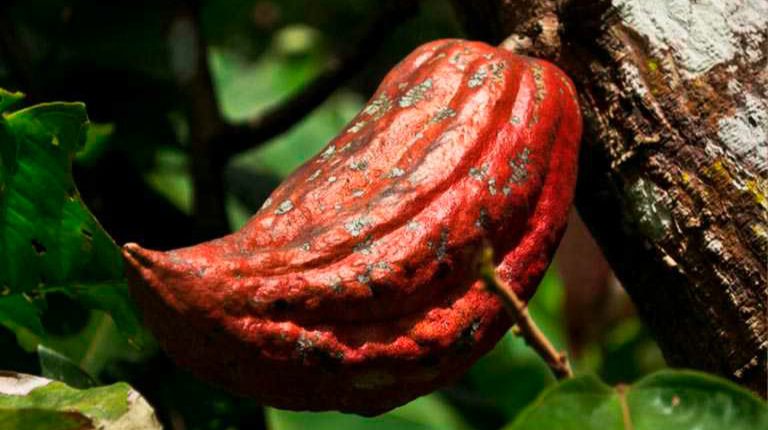
Security concerns in rural areas have also emerged as a growing issue. Producers have reported theft of harvests, including the direct removal of cocoa pods from plantations, generating economic losses and discouraging further investment in the sector.
Finally, international markets are imposing new sustainability and traceability requirements. The European Union’s Deforestation-Free Products Regulation (EUDR) will require georeferencing systems, digital production tracking, and environmental certifications, all of which will require additional investments and effective coordination among producers, exporters, and public institutions.
The Venezuelan cocoa sector presents a unique paradox. The country possesses a natural competitive advantage that is difficult for other producers to replicate: a genetic heritage exceptionally valued by the global chocolate industry. Yet the primary bottleneck is not located in the fields, but within the economic and institutional ecosystem surrounding production.
While countries such as Ecuador, Peru, and Côte d’Ivoire have successfully combined production growth with financing, certifications, and market access, Venezuela continues to operate well below its potential. Industry estimates suggest that only a small fraction of the country’s suitable cocoa-growing land is currently being utilized.
In this context, the new Law for the Promotion and Development of Venezuelan Cocoa could represent an important first step. However, its success will depend on its ability to translate into concrete policies. More than expanding cultivated areas, the sector requires agricultural credit, post-harvest infrastructure, genetic research, rural security, digital traceability systems, and export support. If these elements can be effectively coordinated, Venezuela could capitalize on the current global revaluation of cocoa and recover part of the prominence the crop once enjoyed during the eighteenth and nineteenth centuries. Otherwise, it will remain a producer of exceptional historical prestige but only a modest participant in the global market.
The new european regulation: A challenge and an opportunity for venezuelan cocoa
At the same time, the sector faces new regulatory challenges arising from environmental requirements in key international markets. The European Union will begin implementing its Deforestation-Free Products Regulation (EUDR) at the end of 2026, requiring full traceability for products such as cocoa and coffee and ensuring that they do not originate from land deforested after December 31, 2020.
One of the factors that will shape the future of Venezuelan cocoa exports is the implementation of the EUDR, one of the most ambitious environmental regulations adopted by the European Union in recent years.
Approved in 2023, the regulation seeks to reduce the contribution of European consumption to global deforestation and forest degradation. To achieve this objective, it establishes new requirements for the importation of agricultural commodities considered to have significant environmental impacts, including cocoa, coffee, soybeans, palm oil, timber, rubber, cattle, and their derivatives.
The regulation will apply beginning on December 31, 2026, for large companies and six months later for small businesses and micro-enterprises. From that date onward, any operator wishing to place cocoa on the European market will be required to demonstrate that the product is “deforestation-free,” meaning that it was not produced on land deforested after December 31, 2020.
To comply with these requirements, importers will be required to submit due diligence statements containing detailed information about the entire supply chain. This includes identifying the exact plot where the cocoa was cultivated through geographic coordinates, verifying compliance with national legislation, and demonstrating that production is not associated with recent deforestation.
Cocoa: venezuela’s first export wealth
Long before oil transformed the country’s economic structure in the twentieth century, cocoa was one of the principal engines of the Venezuelan economy. Throughout much of the colonial period, particularly during the seventeenth and eighteenth centuries, cocoa was the leading export product of the Captaincy General of Venezuela and one of the most important sources of revenue for the Spanish Crown in the Caribbean.
European demand for chocolate stimulated the development of extensive cocoa plantations in the coastal regions of Caracas, Barlovento, and eastern Venezuela. The trade became so important that it helped shape much of the colonial economic elite, later known as the “great cacao growers” (“grandes cacaos”), an expression that remains part of Venezuelan vocabulary to describe individuals with significant wealth or influence.
By the late colonial period, Venezuela was exporting nearly 20,000 tons of cocoa annually, a remarkable figure for the time and comparable to current national production levels. The crop became the territory’s principal economic link with international markets for decades.
However, during the nineteenth century cocoa gradually lost prominence to coffee, which became Venezuela’s leading export commodity. Later, the discovery and large-scale exploitation of oil in the twentieth century progressively displaced both agricultural products as pillars of the national economy.
Despite this relative decline, Venezuela retained a unique competitive advantage: the genetic quality of its cocoa varieties. Venezuelan Criollo cocoa is widely regarded as among the finest in the world and has contributed significantly to the country’s international reputation as a producer of premium cocoa used by some of the world’s most prestigious chocolate makers.
A paradox characterizes Venezuela’s cocoa sector. While the country was once among the world’s leading cocoa exporters during the colonial era, its current share of the global market is relatively small compared to giants such as Côte d’Ivoire, Ghana, and Indonesia. Yet Venezuela maintains an advantage many of those countries do not possess: differentiation through quality.
The opportunity today lies not in competing on volume, but in building a strategy based on fine-flavor cocoa, traceability, sustainability, and value-added products. In a global market where consumers are increasingly willing to pay premiums for origin, quality, and sustainability, Venezuela has an opportunity to recover part of the historical relevance cocoa once had in its economy, albeit under a very different model from that of the colonial period.
In this sense, the new Law for the Promotion and Development of Venezuelan Cocoa can be interpreted not merely as an agricultural policy, but as an attempt to reconnect the country with one of its most emblematic economic activities and with an export tradition that predates the oil industry by several centuries.
Venezuelan cocoa and Its connection to Europe in the late nineteenth century
Although coffee had already overtaken cocoa as Venezuela’s principal export by the end of the nineteenth century, cocoa remained an important economic activity, particularly in regions such as Barlovento, the central coast, and parts of eastern Venezuela. Its production and commercialization reflected Venezuela’s integration into the global economy as an exporter of agricultural raw materials destined primarily for European markets.
Production took place on relatively large estates located in humid regions near the coast or major waterways. After harvesting, cocoa beans underwent fermentation and drying processes, essential stages in developing the aromas and flavors that made Venezuelan cocoa famous. The beans were then transported by mule, river vessels, or small coastal ships to the country’s main export ports.
The ports of La Guaira, Puerto Cabello, Carúpano, and Cumaná served as gateways to international commercial networks. From there, cocoa was shipped to major European trading centers such as Hamburg, London, Amsterdam, Bordeaux, and Marseille, cities that hosted important merchant houses and cocoa-processing industries.
Trade was dominated by a complex network of intermediaries. Producers rarely exported directly. Instead, they sold their harvests to local merchants or export houses, many of which were linked to foreign capital. These companies provided credit, financed harvests, and organized international logistics, making them central actors in Venezuela’s export economy.
During this period, the expansion of steam navigation significantly reduced transportation times between Venezuela and Europe. Journeys that once required months could now be completed within weeks, facilitating a more stable flow of goods and strengthening transatlantic commercial ties.
At the same time, Europe was experiencing the industrialization of chocolate consumption. The expansion of chocolate manufacturers in Switzerland, Belgium, France, and Germany created sustained demand for high-quality cocoa. In this context, Venezuelan varieties enjoyed an exceptional reputation due to their distinctive aromas and superior quality.
Nevertheless, the commercial relationship was not entirely balanced. Venezuela primarily exported raw materials, while industrial processing and value creation took place in Europe. Cocoa left Venezuelan ports as an agricultural commodity and often returned in the form of manufactured chocolate, reproducing a pattern common among many Latin American economies of the era.
An economy articulated by cocoa
By the late nineteenth century, cocoa was more than an export commodity. Its value chain supported a significant portion of regional economic life. Plantations generated employment for laborers, transport workers, merchants, and port employees. Export revenues contributed to commercial activity, imports, and government revenues.
Moreover, Venezuelan cocoa was part of an increasingly integrated global economy. Local prices depended on conditions in European markets, harvests in competing producing regions, and fluctuations in international maritime trade. In many ways, Venezuelan producers were already exposed to globalization long before the term itself existed.
A comparison with the present
More than a century later, Venezuela finds itself facing a remarkably similar opportunity. If the nineteenth-century challenge was connecting plantations with ports and European markets, today’s challenge is integrating national production into global supply chains that demand environmental certification, digital traceability, labor standards, and sustainability.
The difference is that Venezuela now has the potential not only to export cocoa beans but also premium chocolate, cocoa butter, cosmetics, and processed food products. In other words, the contemporary challenge is not simply to recover historical export volumes, but to capture a greater share of the value that historically remained in the hands of European industrial centers.