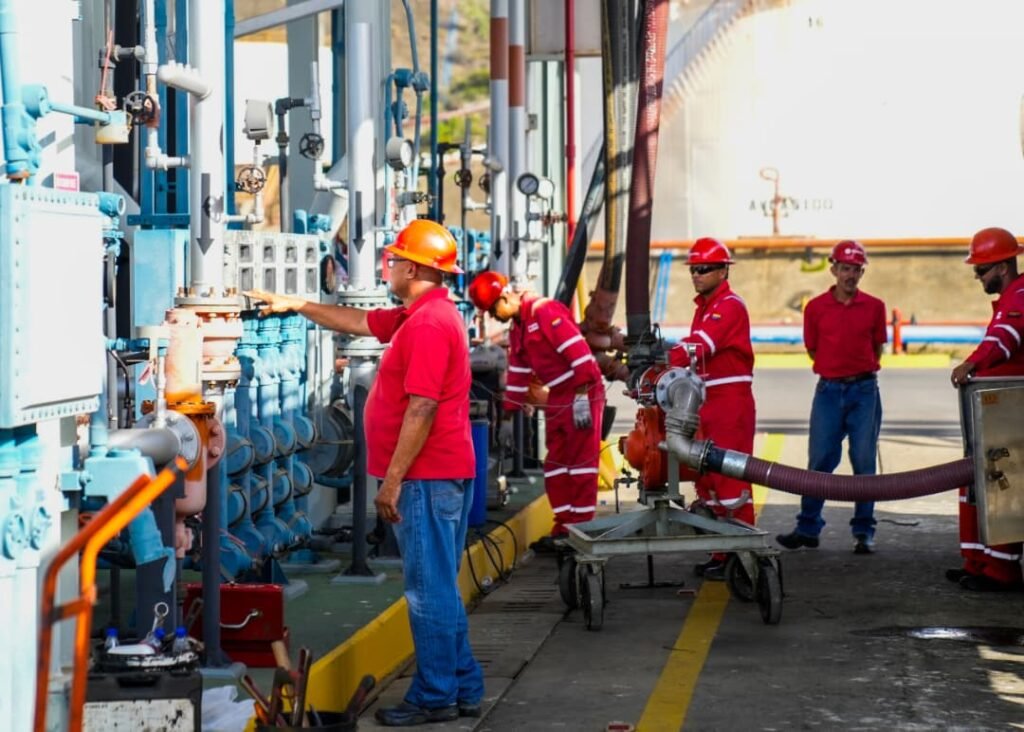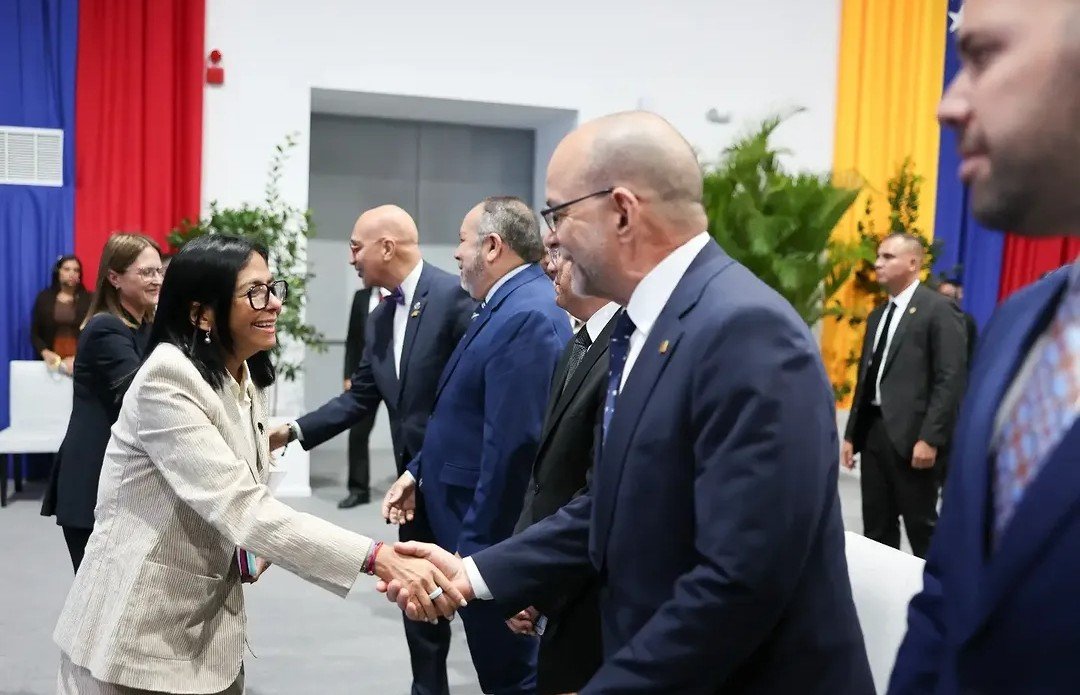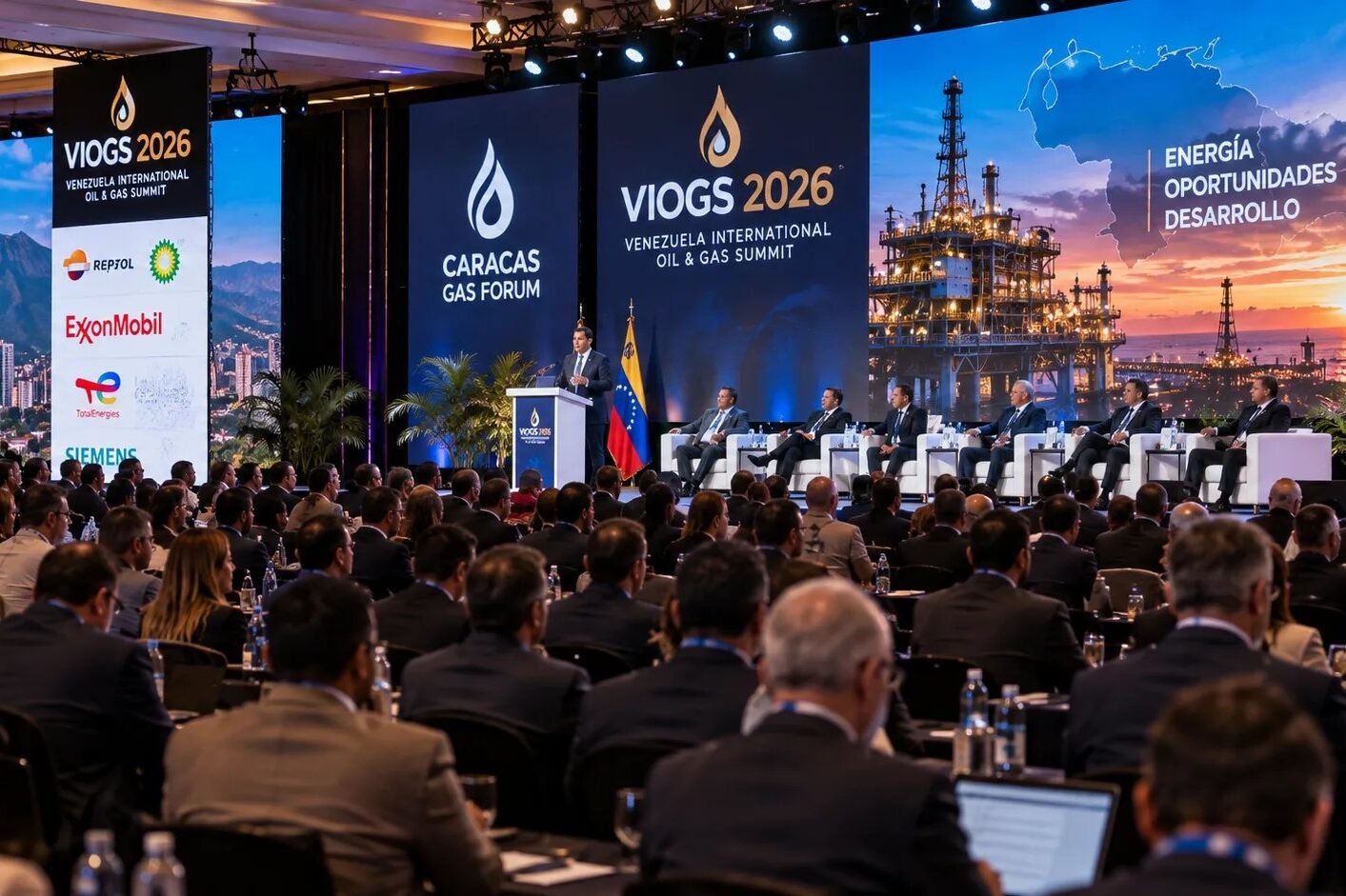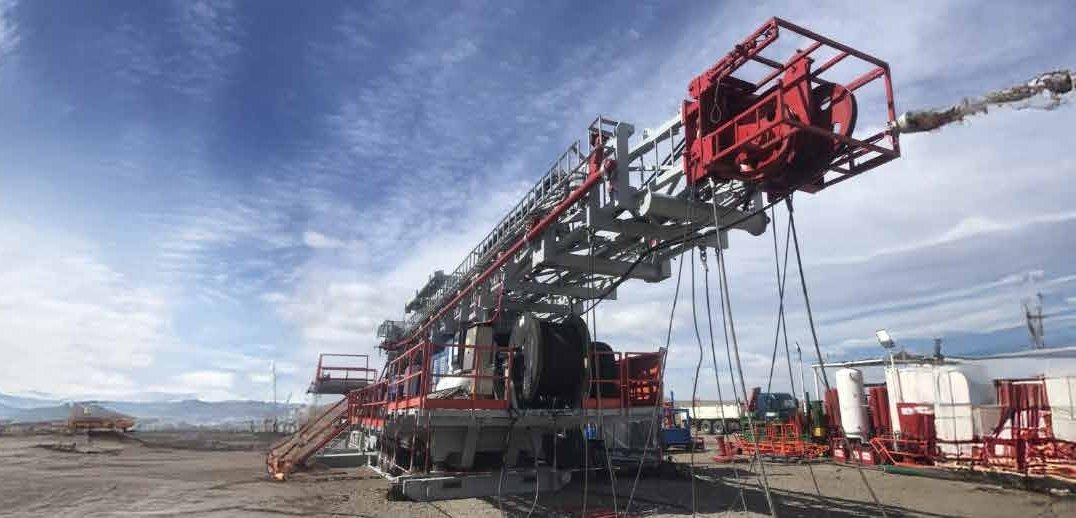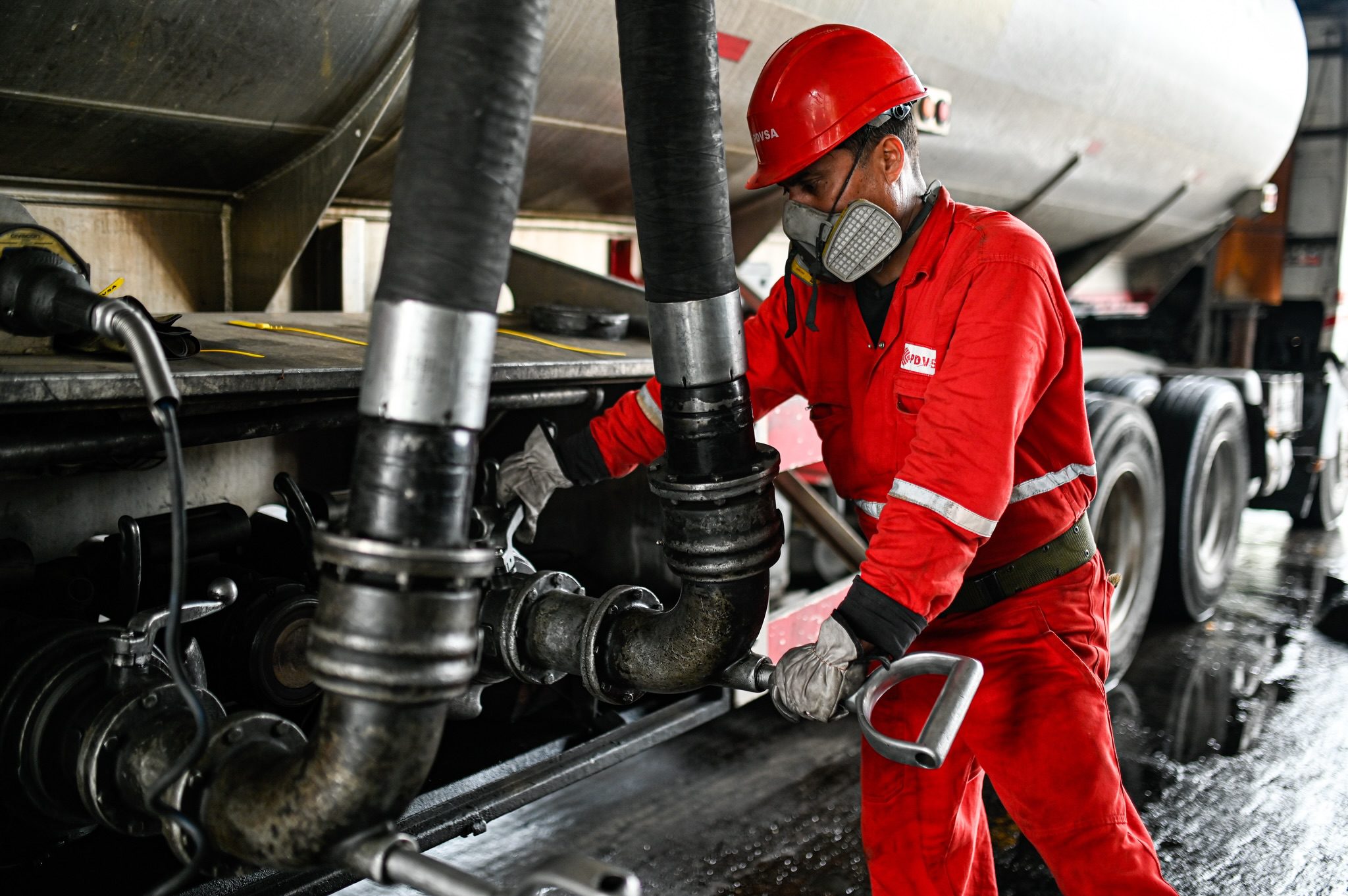
After more than five months of negotiations, the final regulation includes tax reductions and clarifies several ambiguities in the Hydrocarbons Law, approved on January 29, 2026. Photo: Instagram / @petroleosdevenezuela.
Guacamaya, July 9, 2026. The Venezuelan government has finally published the regulations for the Organic Hydrocarbons Law (LOH), clarifying several rules for the country’s most important industry.
The document, dated July 7 but published two days later, appears more than five months after the LOH’s approval, following a arduous three-party negotiation period between Caracas, Washington, and oil corporations. At least two previous drafts had circulated but were never signed by the Executive.
The LOH, approved on January 29, opens the oil industry to greater private sector participation, offering lower taxes and control over operations and marketing, thus dismantling nearly two decades of state monopoly. Its importance cannot be overstated in an oil-based economy: in 2025, this industry generated 70% of export revenues.
However, the law maintained significant ambiguities that needed to be resolved by the Ministry of Hydrocarbons, thereby granting the Executive branch a wide margin of discretion. This regulation clarifies many of these points, especially the rates for royalties and taxes.
Reduction and Clarity in Royalties and Taxes
The LOH introduced a royalty rate of 0 to 30%, and an “Integrated Hydrocarbons Tax” (IIH) of 0 to 15%, while eliminating a series of fees and special contributions, thus simplifying the tax regime for oil operations. Together, the two taxes can reach 45% of gross income, which must be combined with the income tax (ISLR).
One of the main points of contention was that neither the LOH nor the early drafts specified under what conditions these rates would be reduced. The new decree finally makes this explicit.
Undeveloped fields, known as greenfields, would face a combined royalty and IIH rate of 20%; extra-heavy oil fields, 25%; already developed or brownfield fields without production, 30%; and brownfields already in production, 35%. That is, at the highest level, the theoretical maximum of 45% is still not reached, effectively resulting in a reduction.
For offshore fields, the possibility of an additional reduction of up to 5% is added, taking into account the higher costs involved. These include oil areas such as the Corocoro field and the Gulf of Paria.
Downstream activities are also incentivized: projects that include the construction or expansion of crude transformation, upgrading, or refining will have an additional rate reduction of up to 5%.
The ISLR could range between 34% and 50%, depending on the conditions of each project. The possibility of modifying the rates while the contract remains in force is also contemplated, following a request from the operating company.
Disputes and Legal Certainty
Doubts or controversies that may arise in contracts governed by the LOH can be resolved in Venezuelan courts, or through “alternative mechanisms” that are not specified. These will be defined by the Ministry of Hydrocarbons in conjunction with the Attorney General’s Office.
This point of tension arises because Washington’s sanctions, through general licenses, compel companies to follow U.S. jurisdiction. However, in the latest updates to these licenses, the possibility of recourse to courts in the United Kingdom, France, and Singapore was opened, while Venezuelan jurisdiction is contemplated for certain contractual aspects.
In previous drafts, the use of specific international arbitration courts, such as that of Hong Kong, had been proposed, which could generate friction with U.S. sanctions.
Responsibility for Electricity Supply
Operating companies will be responsible for the electrical power supply for “primary activities,” such as exploration and production.
This is where the main bottleneck in the Venezuelan economy comes in: increasing oil production requires a greater supply of electricity, while the country continues to face frequent blackouts, which can reach up to 7 hours per day in some regions.
The National Assembly, meanwhile, had already begun debating a reform of the National Electric System (SEN) that would break the state monopoly, opening opportunities for public-private mixed companies and fully private operations.
Associated Gas Must Be Utilized, but Without Clear Incentives
Operating companies must quantify and utilize the “associated gas” generated by oil production. In some cases, it can amount to around 30% of the volume of extracted hydrocarbons. Otherwise, the Executive may, at no cost, collect and manage the unused gas.
This associated gas has several practical uses, although historically Venezuela has discarded it while focusing on oil. These include reinjection to restore some of the lost pressure in wells, or its transformation into everyday products, such as butane for cooking or the generation of thermoelectric power.
The challenge remains the same. PDVSA Gas monopolizes the purchase while the Government has set the lowest prices in the region, so there is still no economic incentive for capturing associated gas.
For this reason, Venezuela is one of the main polluters through flaring and venting: 2.3 billion cubic feet per day are wasted through flaring and venting, representing 58% of the gas extracted, and more than the daily consumption of Colombia and Trinidad and Tobago combined.
Environmental Standards and Technology
The new regulation also emphasizes standards to protect the environment, establishing responsibilities for operating companies.
The document specifies that “they must implement advanced technological systems, including artificial intelligence, for the measurement, monitoring, and control of Greenhouse Gas (GHG) Emissions, flaring and exceptional venting of associated gas, and energy efficiency in operations.”
Five years before the expiration of the contract or concession for primary activities, each operating company will also be subject to an independent environmental audit, in coordination with the ministries of Hydrocarbons and Environment.
Organizing the Country’s Most Important Industry
The regulation, 32 pages long, covers many other topics, such as import substitution programs, inspection criteria, fiscal measurement systems, and the rules that business and marketing plans must follow.
Sanctions are also specified, for example, for non-compliance with the National Supply Plan, fuel diversion, quality manipulation, or breach of contracts and other regulations. Oil is not only a source of income but also a strategic asset for the nation; it is also responsible for the accessibility of subsidized gasoline and cooking gas cylinders, fundamental to quality of life and stability.
The oil industry represents the largest source of foreign currency for all of Venezuela, as well as income for the State. The reform of the LOH was approved in haste, less than a month after the U.S. military operation that captured Nicolás Maduro. However, its implementation was not delivered with the same speed, taking more than five months of negotiations: a testament to its gravity.