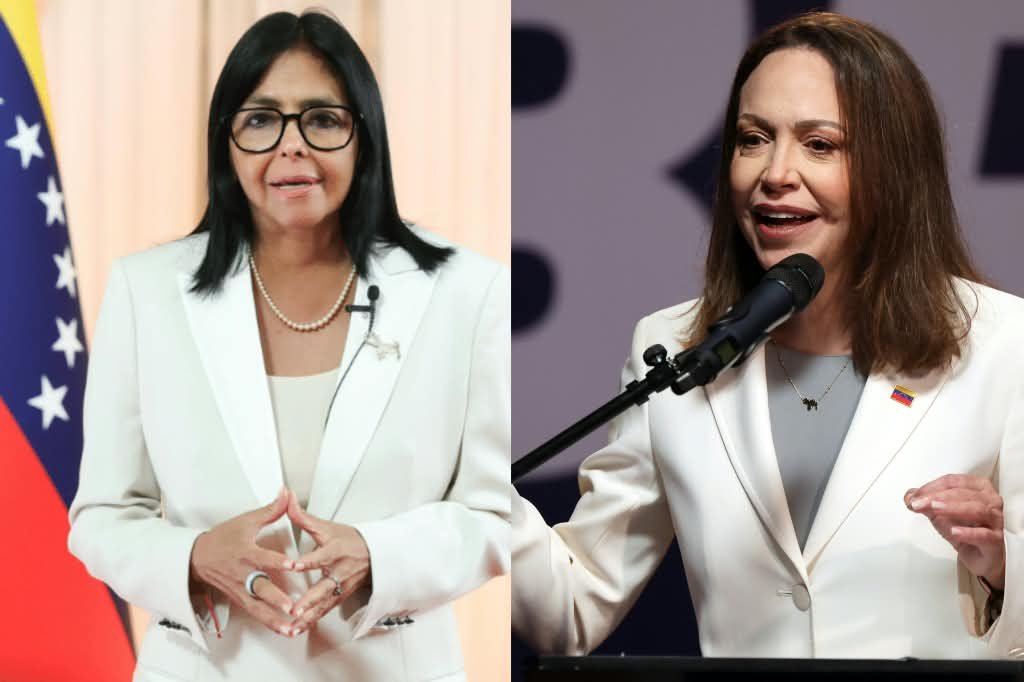
Delcy Rodríguez’s tour of Turkey, Qatar, and the United Arab Emirates focused on trade and investment between Venezuela and these countries, and coincided with Caracas’s interest in regaining access to multilateral financing. Photo: Presidential Press.
Guacamaya, November 17, 2026. The Venezuelan leader’s international tour through three strategic Middle Eastern countries combines investment opportunities in oil and gas, diplomatic approaches and new avenues of economic cooperation.
The moves coincide with Caracas’s interest in regaining access to multilateral financing, particularly through a possible operation that would allow it to settle its outstanding obligations with the Inter-American Development Bank.
Venezuela’s acting president, Delcy Rodríguez, carried out during November a diplomatic and economic agenda that included visits to Turkey, Qatar and the United Arab Emirates (UAE), three countries that have increased their spaces for dialogue with Caracas and that maintain economic interests in strategic sectors of the Venezuelan economy.
Although each destination responds to particular dynamics, the tour has a common denominator, which is to expand the participation of foreign capital in the recovery of the energy industry, diversify trade partners and explore financial cooperation mechanisms that contribute to addressing the country’s infrastructure needs.
The agenda also becomes relevant by coinciding with the Venezuelan Government’s efforts to normalize its relations with international financial organizations. In particular, conversations about possible assistance from these countries to cancel the outstanding commitments with the IDB could open a new stage of access to multilateral resources.
Turkey: energy cooperation and continuity of oil investments
The first stop of the tour was Turkey, where Rodríguez participated in the XXXI United Nations Conference on Climate Change (COP31), held in Antalya from November 9 to 20.
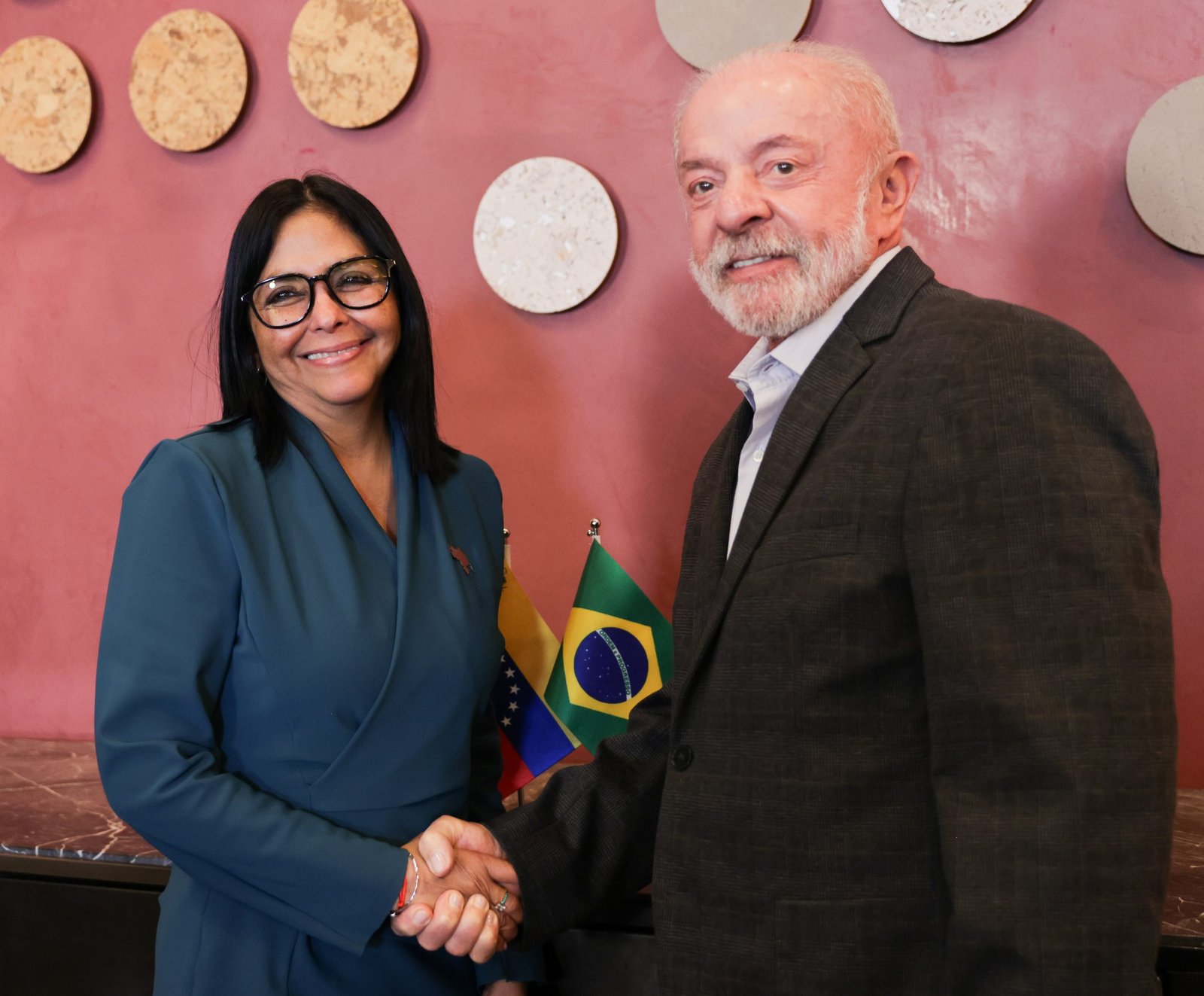
The leader headed a delegation of senior officials that took advantage of the international meeting to deepen bilateral contacts with the authorities of several countries, including not only Turkey but also others such as Brazil, achieving a key meeting with President Luiz Inácio Lula da Silva.
In that context, the Minister of Hydrocarbons, Paula Henao, held a meeting with her counterpart for Energy and Natural Resources, Alparslan Bayraktar. Both addressed joint projects in oil and natural gas, energy trade exchange and opportunities for reciprocal investment. They also reaffirmed their willingness to diversify exploration and production activities through strategic alliances.
The approach has as background the meeting held in June 2026 between Rodríguez and Turkish President Recep Tayyip Erdoğan in Istanbul. On that occasion, both leaders reviewed cooperation in trade, energy, mining, infrastructure and other sectors, in addition to raising the goal of increasing bilateral trade exchange, which reached approximately 448 million dollars in 2025.
One of the main elements explaining Turkish interest in Venezuela is the participation of the company Çan2 Termik, whose subsidiaries established an operating alliance with Petróleos de Venezuela (PDVSA) to develop the CEMA field, also known as Petrokariña, in Anzoátegui state.
According to information disclosed by the company itself to the Turkish stock market, the agreement contemplates an initial 20-year period, extendable for another 20, and an investment budget of approximately 381.7 million dollars. The project comprises ten fields, with remaining reserves estimated at 104.2 million barrels of oil and 499 billion cubic feet of gas. Current production stands at around 400 barrels per day, with a goal of reaching 9,865 barrels per day in the medium and long term.
The operation also has a regulatory and geopolitical dimension. The U.S. lobbying firm Continental Strategy participates as a strategic intermediary, facilitating institutional dialogue and efforts related to the U.S. regulatory framework. The firm is led by Carlos Trujillo, former U.S. ambassador to the Organization of American States and a figure linked to Florida’s Republican environment, while Alberto Martínez, former chief of staff to Marco Rubio during his time as senator, is part of its leadership.
The presence of these actors adds a particular dimension to the operation: the search for mechanisms that allow investments to be developed in Venezuela within an environment conditioned by sanctions and U.S. regulatory restrictions.
Consequently, Turkey represents for Caracas a partner with prior experience in the Venezuelan market, investment capacity and willingness to expand its participation in the recovery of the hydrocarbon industry.
Qatar: oil investments, connectivity and a possible financial operation with the IDB
The second stop was Qatar, where Rodríguez held a meeting with Emir Tamim bin Hamad Al Thani, after meeting with his prime minister in Istanbul. The president was accompanied by the new foreign minister Oliver Blanco, the sectoral vice president of Economy, Calixto Ortega, and other members of the Venezuelan Executive.
The meeting was aimed at expanding economic cooperation, promoting investments and strengthening bilateral coordination on matters of common interest. The meeting represents a continuity of the diplomatic contacts developed during 2026, in a context in which Doha has acquired relevance as an interlocutor between Caracas and Washington.
One of the most important elements of this relationship is the interest of Qatari companies in participating in the development of Venezuelan energy resources. The company UCC Oil and Gas Holding LLC has been exploring investment and expansion opportunities in the country, with special attention to the hydrocarbon sector.
In August 2026, UCC announced its participation in the offshore gas project Loran, together with the British company BP and the Emirati company XRG, the international energy investment arm of ADNOC. The project comprises proven resources of more than four trillion cubic feet of gas and is located in Venezuelan waters, extending toward the maritime border with Trinidad and Tobago.
More recently, Bloomberg reported on November 14 that UCC is negotiating to take over operations in the onshore fields El Furrial and Jusepín, located in Monagas state. In the first, PDVSA already maintains a partnership with the Qatari company, which plans to make a significant investment in infrastructure. The eventual incorporation of both assets would considerably expand UCC’s presence in the Venezuelan oil sector.
To this energy dimension is added air connectivity. On November 4, Qatar Airways inaugurated its commercial operations between Doha, Bogotá and Caracas, with two weekly frequencies. The company became the first Gulf airline to directly connect Venezuela with the Middle East, strengthening the possibilities for business and tourism exchange.
However, the most relevant component of the bilateral relationship could be found in the financial sphere. On October 22, Reuters reported that Venezuelan authorities were evaluating requesting a bridge loan from Qatar to cancel more than 2.3 billion dollars in overdue obligations with the IDB.
The operation would allow the arrears to be settled and Venezuela’s eligibility to access new loans from the institution to be recovered. According to the sources consulted by Reuters, one of the alternatives contemplated would consist of using the first IDB disbursements to reimburse the Qatari financing.
The possibility is especially important for Caracas, because Qatar not only represents a potential energy partner, but also an interlocutor with financial capacity and diplomatic channels that have facilitated contacts between Washington and Venezuelan authorities.
United Arab Emirates: energy and investment opportunities
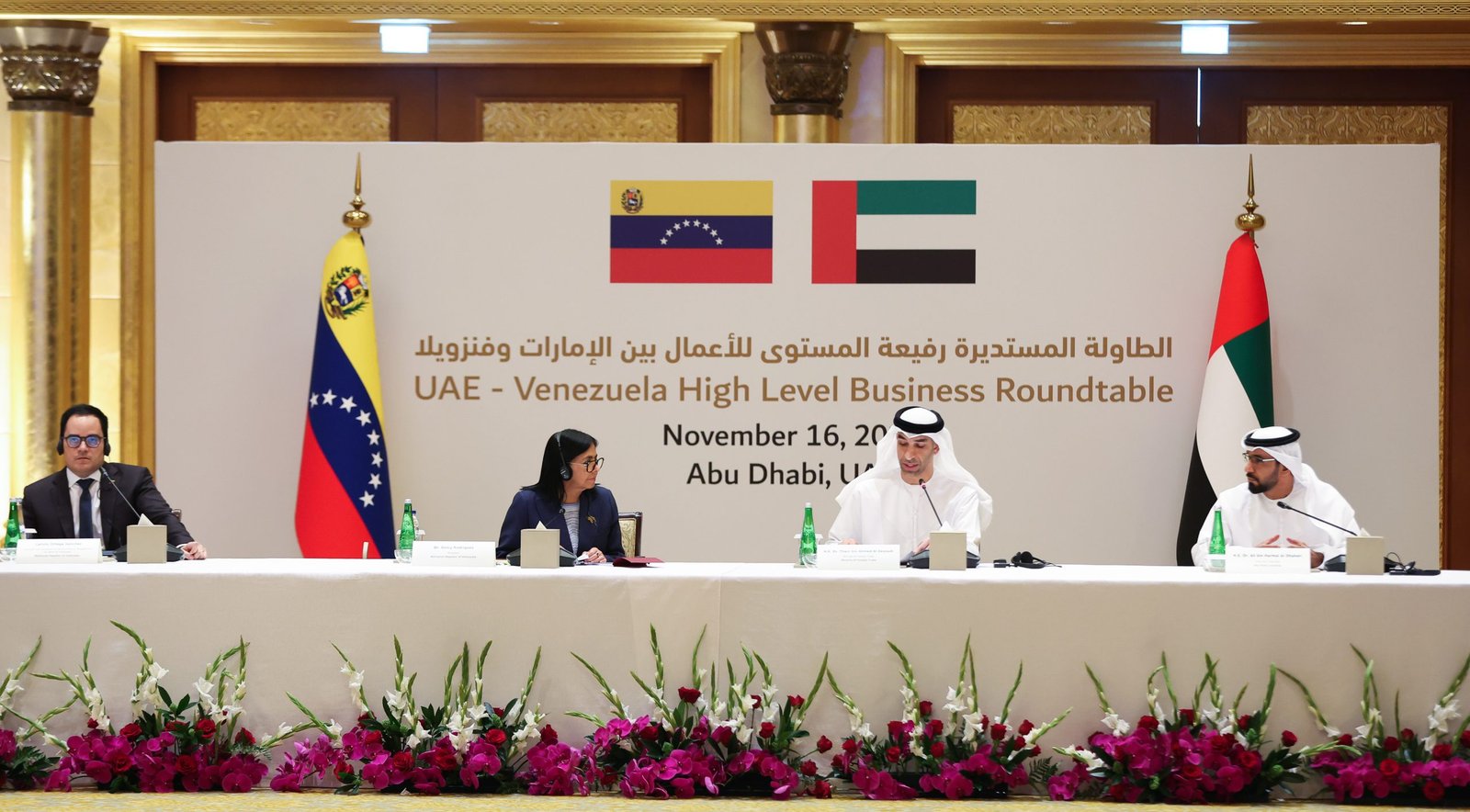
The last stop of the tour was the United Arab Emirates, where Rodríguez held a meeting with President Mohamed bin Zayed Al Nahyan and headed a business roundtable with representatives of the Emirati public and private sector.
The conversations focused on trade exchange and the identification of investment opportunities in sectors such as energy, mining, tourism and air connectivity. The business meeting was organized by the Emirati Ministry of Foreign Trade in coordination with the Abu Dhabi Chamber of Commerce and Industry, with the participation of businesspeople and representatives from both countries.
One of the most significant elements of this relationship is the incorporation of XRG, a subsidiary of the Abu Dhabi National Oil Company, into the Venezuelan market. On August 13, 2026, the company officially announced its entry into the country through the acquisition of a stake in the license for the offshore gas project Loran.
The operation contemplates a partnership with BP and UCC, while PDVSA Gas transferred part of its stake in the license. The project has more than four trillion cubic feet of proven resources, which represents an opportunity to develop natural gas production and expand export possibilities to regional and international markets.
The Abu Dhabi business roundtable, therefore, is not limited to a general declaration of economic interest. It occurs when concrete projects already exist in which Emirati capital participates and opens the possibility of expanding that presence toward other sectors of the Venezuelan economy.
The IDB: the possible curious point of convergence of the tour
Beyond the energy and commercial agreements, one of the elements that allows the three stops of the tour to be connected is Venezuela’s need to regain access to financing from multilateral organizations. In particular, the eventual payment of outstanding obligations with the IDB constitutes one of Caracas’s financial priorities.
Venezuela maintains overdue commitments of more than 2.3 billion dollars with the IDB. The institution suspended its new disbursements to the country in May 2018, after payment arrears accumulated. This situation has limited the possibility of accessing resources destined for infrastructure projects, economic development and social programs.
That is where the rumor of the last month fits: that Qatar, the Emirates or Turkey contribute to the payment. Only the Qatari case has journalistic backing, from Reuters. On the other hand, according to Bloomberg, it could ultimately be the United States that would provide the “bridge loan” to Venezuela.
The relevance of the route is, therefore, one of reading rather than proof. Qatar and the Emirates now have direct interests in Venezuela (UCC and XRG in Loran) and state financial capacity; Turkey has a growing business presence, but less capital muscle. In addition, the two key dates coincided: the same Friday the 13th on which the IDB approved its roadmap, Rodríguez was meeting in Antalya with the Qatari prime minister.
On November 13, the IDB board approved a commitment note for Venezuela that establishes an initial cooperation roadmap and contemplates priorities such as economic recovery, rehabilitation of the electrical system, social services and reconstruction after the June earthquakes. However, the approval of this document does not equate to the authorization of new loans nor does it automatically resolve the country’s financial arrears. As of September 30, the overdue debt with the institution amounted to approximately 2.3 billion dollars.
What is at stake is broad, since the World Bank is evaluating up to 5 billion dollars in two years, of which up to 2 billion in the first year, conditioned on catching up with other multilaterals. For its part, CAF estimates at about 5 billion the needs to rehabilitate the electrical grid, of which only about 40% of installed capacity is operating.
Recovering access to the IDB could be particularly important for the Venezuelan electrical sector, which requires substantial investments in generation, transmission and distribution. The possibility of obtaining new multilateral resources would allow complementing private investment efforts and international cooperation in an infrastructure that constitutes one of the main obstacles to economic recovery.
The materialization of these objectives will depend, however, on diplomatic approaches translating into financial commitments, operational agreements and concrete projects. The tour offers signs of a greater willingness by international partners to participate in Venezuela’s economic recovery, although important regulatory, financial and geopolitical challenges still remain to be resolved.