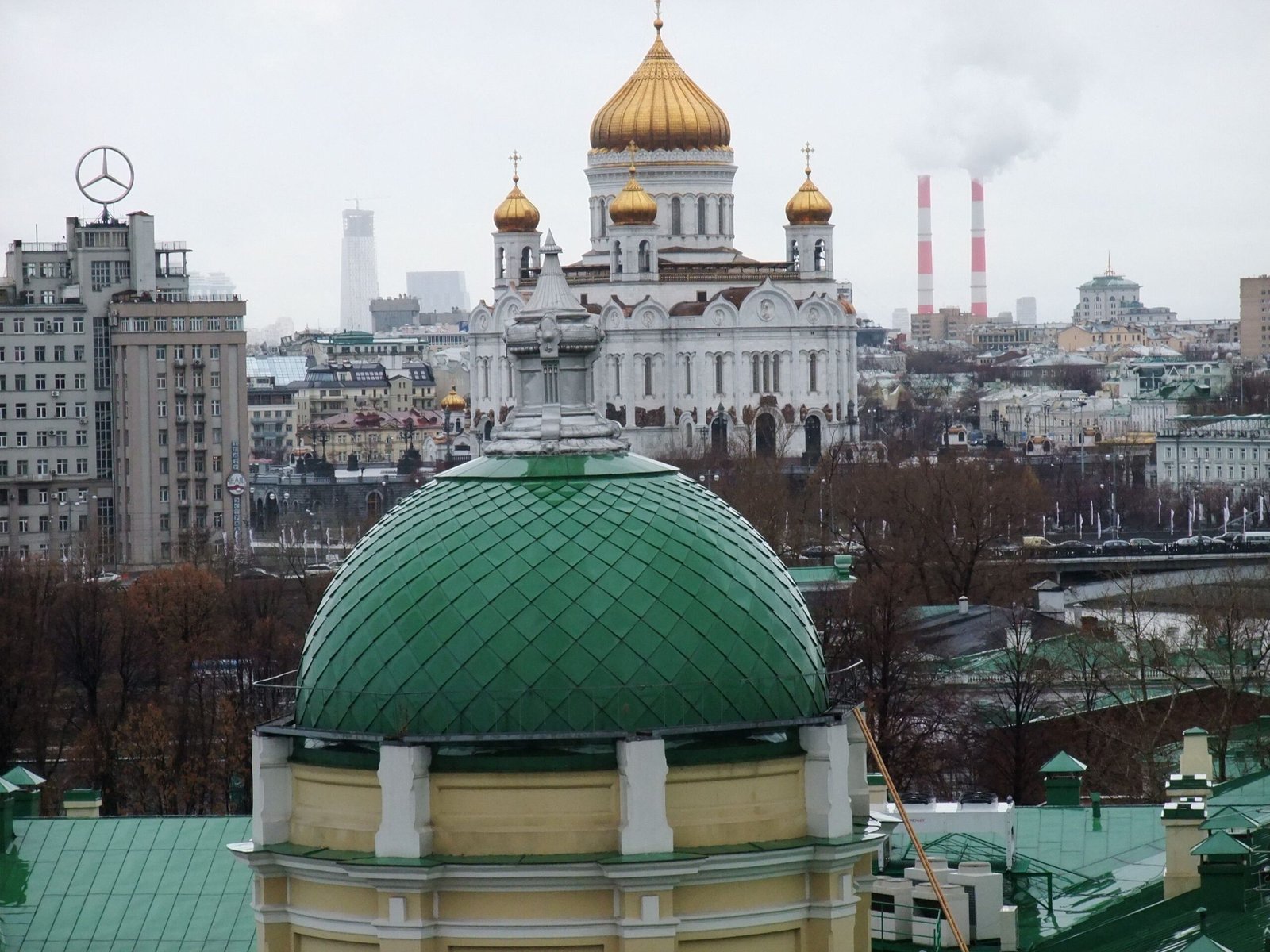
Russia is one of the world’s major energy powers, although the United States is trying to push it away from the new Venezuela. Nevertheless, Moscow continues to maintain significant financial and oil interests in the South American nation. Photograph: Qweasdqwe.
Guacamaya, October 27, 2026. In Moscow, Minister of Hydrocarbons Paula Henao defended the country’s gas potential before the Gas Exporting Countries Forum (GECF), and Vladimir Putin promised to continue cooperating with Caracas.
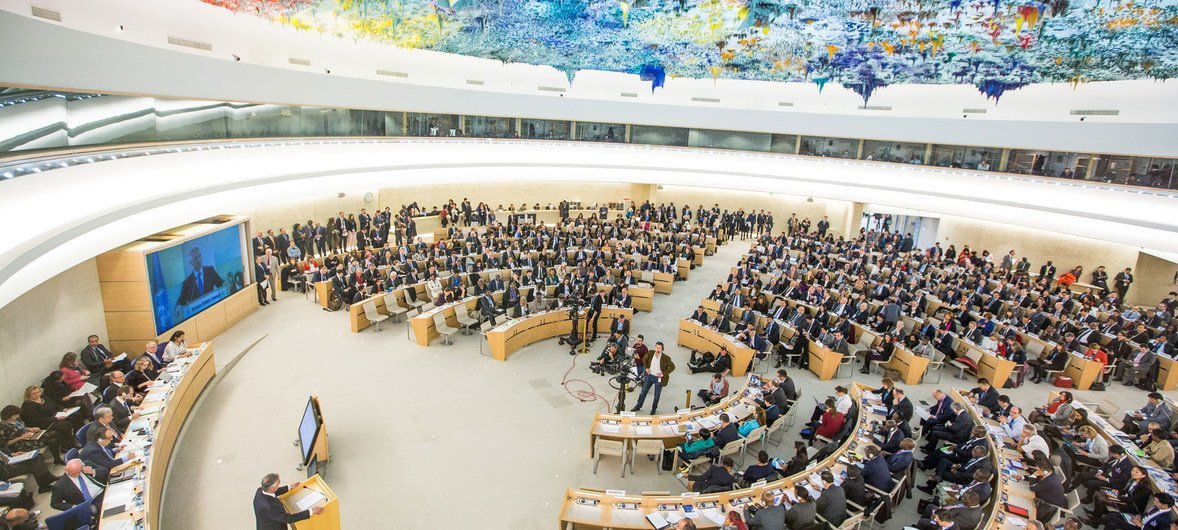
Venezuela participated on Monday in the 28th GECF Ministerial Meeting in Moscow with a delegation headed by Minister Paula Henao. There she stressed that the country holds the world’s fourth-largest proven natural gas reserves and reaffirmed its willingness to deepen international cooperation and dialogue between producers and consumers. The forum brings together producing countries to discuss energy security, market stability, and sustainable development.
On Tuesday, at the forum’s summit, acting President Delcy Rodríguez spoke by video link and warned about the risks of excluding Russia from the gas market. Putin thanked her for her participation and responded with a carefully calibrated message: “We are prepared to collaborate with the official authorities of Venezuela, with our Venezuelan partners, and also with representatives of third countries. We are holding the relevant consultations both with the official government structures of Venezuela and with the companies concerned. And also with other third countries, I want to emphasize that.”
The president added that Russian economic operators have invested billions of dollars in Venezuela’s energy sector and that she trusts cooperation will continue.
This is the first virtual contact between Rodríguez and Putin since January 3, when the United States captured Nicolás Maduro. Moscow at the time called the operation “aggression” and demanded his release, but since then it has maintained a reserved stance, without direct criticism of President Donald Trump.
Calixto Ortega, sectoral vice president of Economy and Finance, also traveled to Moscow to assume the country’s representation at the summit, together with Minister Paula Henao.
What is Russia after?: lessons from Syria and differences with Venezuela
The geopolitical explanation for the Russian rapprochement starts from a precedent, and that is Syria. After the fall of Bashar al-Assad, Moscow did not withdraw; it negotiated with the new authorities to try to preserve its Tartus and Hmeimim bases. The logic is that of an extra-regional actor that, having lost political control of its ally, bets on preserving a minimal presence, assets, and channels of access for the day the balance shifts again.
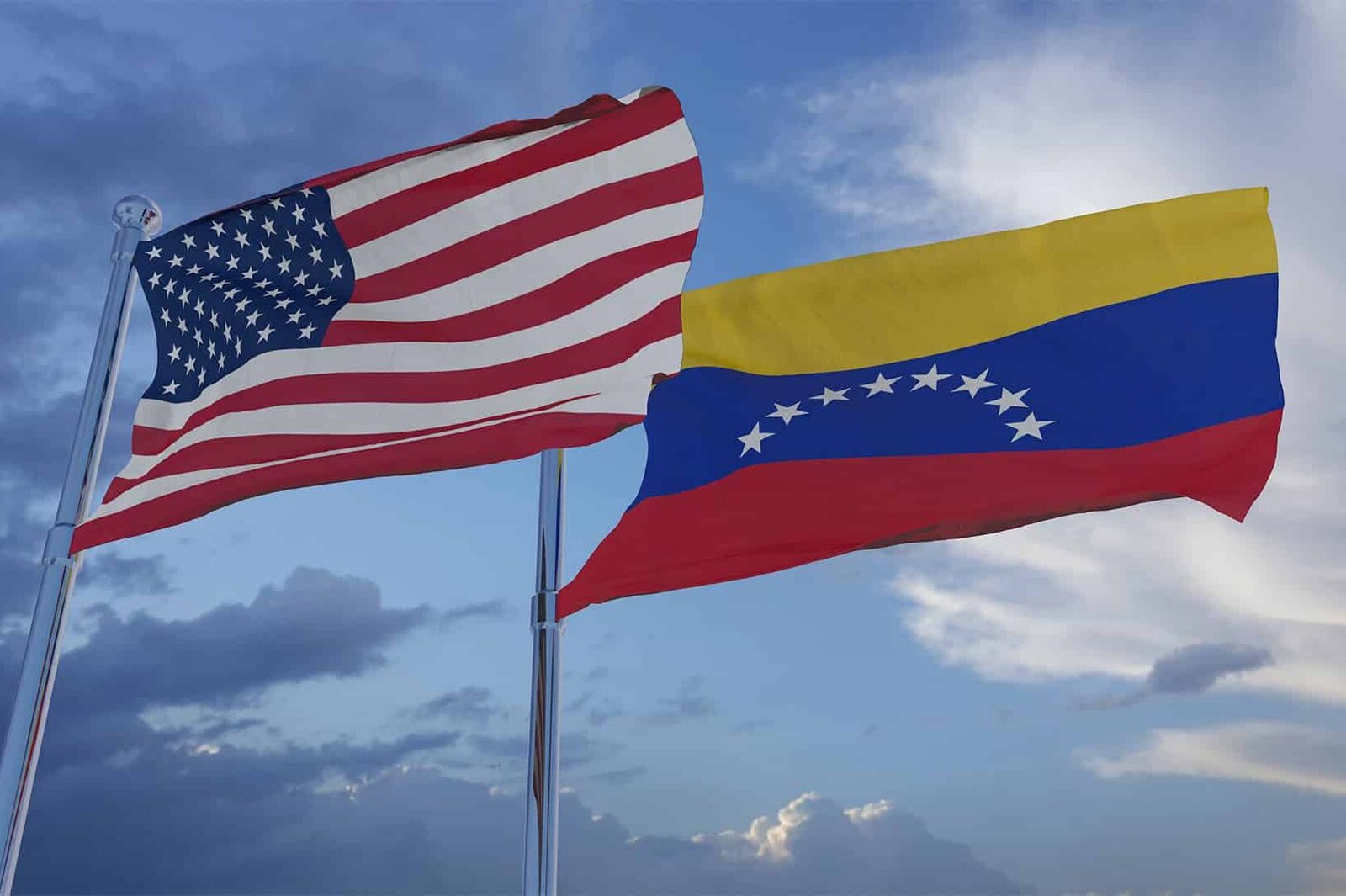
Venezuela shares that logic, with important differences. In Syria the government fell; in Venezuela the power structure remains, while the system is reformed under notable U.S. influence whose premise is the Donroe Doctrine, which has in its sights the influence of extra-continental powers such as China or Russia in the Western Hemisphere. Venezuela’s context of administrative continuity allows Moscow to speak with “official government structures” without having to recognize a rupture. The nature of the presence also changes, since in Syria it was military and logistical; in Venezuela it is above all financial, oil-related, and arms sales. In Venezuela there is also a third dominant actor, the United States, which exerts direct influence over the economy, oil, and much of politics.
Putin’s reference to “third countries” admits at least two readings, which divide between an opening to schemes with non-Russian partners to preserve position, or a veiled message to Washington that Moscow is willing to talk. It is an interpretation and not a statement, and it should be treated as such. What is clear is that the Kremlin avoids public confrontation with Trump, prioritizes protecting what it already has, and uses forums like the GECF to show that it is not isolated despite sanctions.
The Russian legacy: debt and assets that remain standing
Venezuela’s bilateral debt with Russia is calculated at a total of approximately between 7.5 and 11 billion dollars, including state-level credit lines, oil joint ventures, and defense contracts.
The financial relationship is old and dense. Russia and Venezuela agreed in 2017 to restructure some 3.15 billion dollars of sovereign debt, composed of a principal of about 3.12 billion and 217 million in interest, with annual payments of 133 million between 2019 and 2022 and of 684 million between 2023 and 2026.
That agreement did not cover PDVSA’s obligations with Rosneft, which were a separate chapter and which at the end of 2017 totaled some 4.6 billion dollars and were reduced to about 800 million in the third quarter of 2019, according to Rosneft. Moscow and the state energy company had also delivered at least 17 billion dollars in loans and credit lines since 2006, and Interfax estimated technical-military contracts at about 11 billion. Part of the debt has historically been paid with hydrocarbons.
After the 2020 sanctions on two Rosneft subsidiaries, their stakes passed to Roszarubezhneft and then Petromost, both owned by the Russian state, which operates five joint ventures with PDVSA: Petromonagas (40%), Petroperijá (40%), Boquerón (26.67%), Petromiranda (32%), and Petrovictoria (40%).
Petromonagas is the main Russian asset, with about 87,000 barrels per day, while the other four contribute between 2,000 and 4,500. In January, the company stated that all its assets in Venezuela are owned by the Russian state and that it would maintain its commitments with international partners.
The obstacle
The OFAC general licenses that expanded oil operations in Venezuela exclude transactions with Russian persons or entities, nor do they allow them with Chinese, Iranian, North Korean, and Cuban companies. The Kremlin asked for clarifications and spoke of discrimination. With no possibility of repatriating flows under that scheme, the future of Russian assets remains in a gray zone where they have been neither fully expelled nor integrated into the opening.
Russia, which for two decades was Caracas’s great financial and military partner, has been left out of the licensing frameworks that opened up the sector.
However, Moscow continues to hold interests in strategic hydrocarbon deposits through joint ventures and remains a bilateral creditor. Two points that, despite the shift toward the United States, cannot be ignored.
Gas is the point where that tension is most visible. Venezuela has enormous reserves but production that depends to a large extent on gas associated with oil and a deteriorated gathering, compression, and transportation infrastructure. Without infrastructure, the world’s eighth-largest reserve remains a data point and not an export flow.