
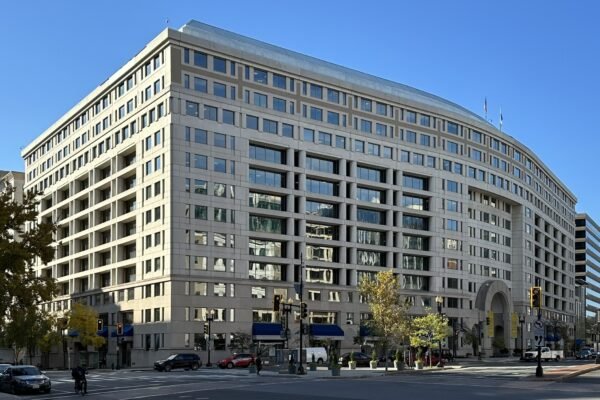
Qatar and the United Arab Emirates Could Clear Venezuela’s Debt with the IDB, According to Unofficial Sources
The two Persian Gulf monarchies would expand their influence in Caracas through this new financial arrangement with the IDB. Photo:…


The two Persian Gulf monarchies would expand their influence in Caracas through this new financial arrangement with the IDB. Photo:…
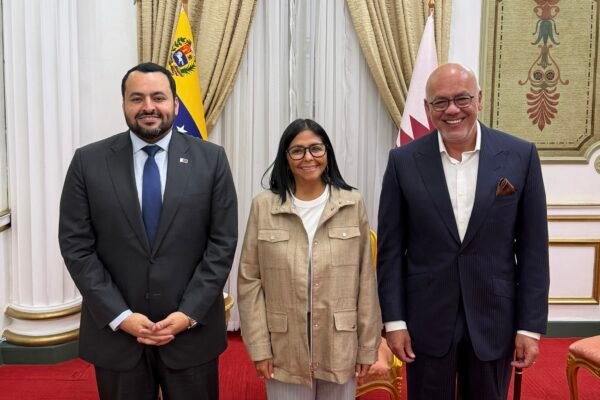
Delcy Rodríguez, received Qatar’s Minister of Foreign Affairs in Caracas, as it also emerged that UCC Oil and Gas Holding is in talks about its possible entry into new oil and gas areas in the country.
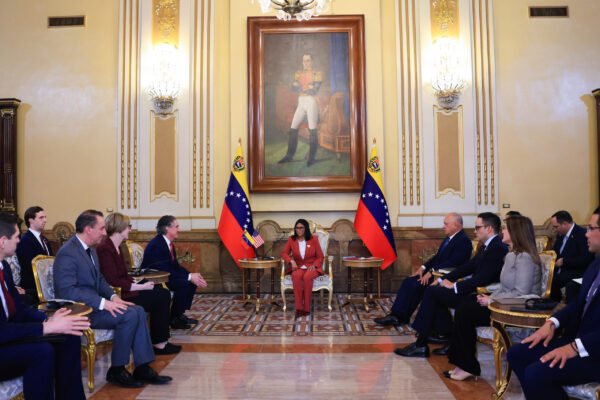
Several foreign companies are beginning to show interest in the country’s mining deposits.
The deal by XRG, the investment arm of ADNOC, and UCC, linked to the Emir of Qatar, represents the culmination of a long process of rapprochement between Venezuela and the two Gulf monarchies.
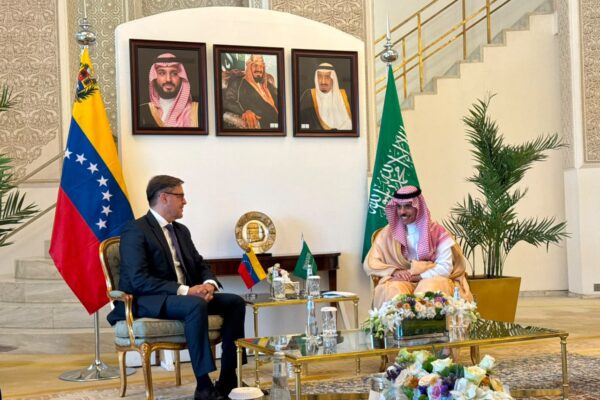
Chancellor Félix Plasencia’s first international tour confirmed a trend that has been consolidating since January 3.
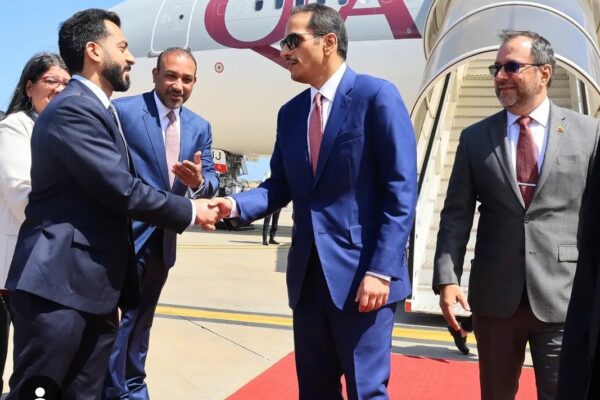
The visit of the Qatari head of government comes at a time of political and economic reconfiguration in Venezuela, with Doha consolidating its role as an intermediary between Caracas and Washington while expanding its global profile as a conflict mediator.
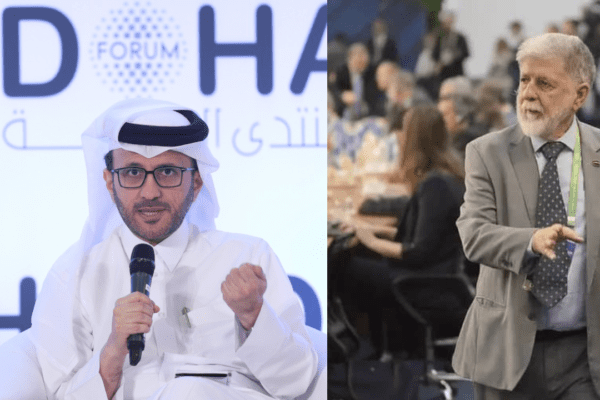
In a time of growing hemispheric tension, Qatar expressed its readiness to intervene as a mediator between the United States and Venezuela if requested, while Brazil warned of the risk that any U.S. military intervention could lead to a prolonged conflict in South America. Simultaneously, Türkiye and Venezuela agreed to reestablish the Turkish Airlines air route, suspended after the U.S. warning regarding Venezuelan airspace.
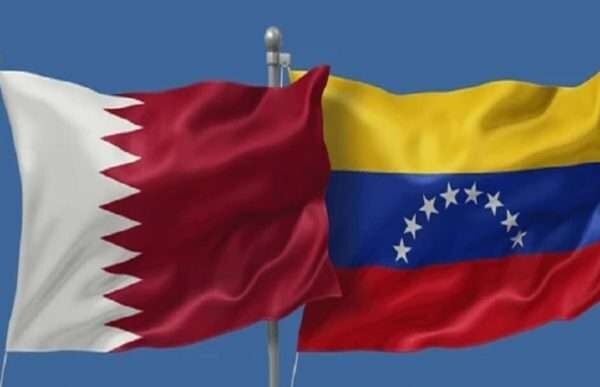
The Gulf emirate, known for its role as a mediator in international conflicts, is keeping a communication channel open between the United States and Venezuela amid tensions over the US military presence in the Caribbean.

Faced with the tightening of sanctions and international isolation, the Venezuelan government finds in Qatar a discreet opportunity for potential negotiations, seeking financing, and reinserting itself into the diplomatic map.
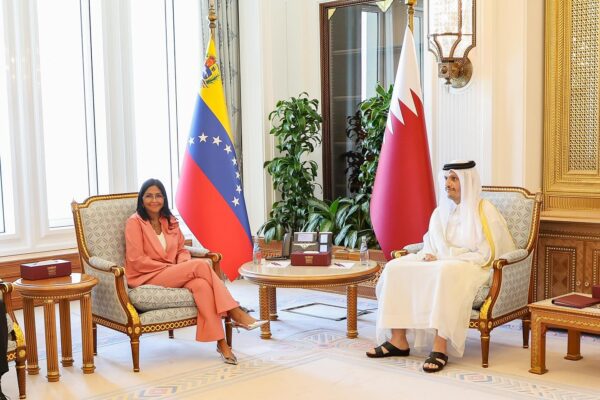
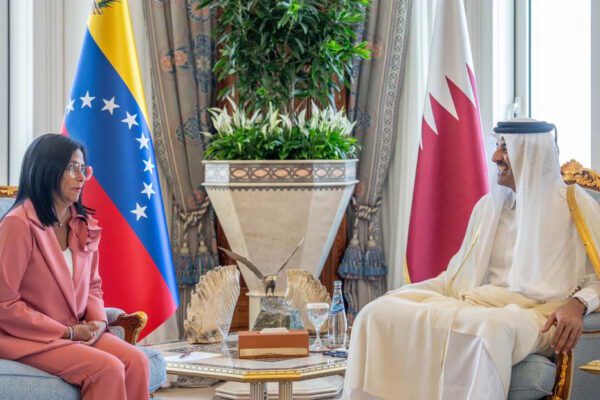
Venezuela’s Executive Vice President and Minister of Hydrocarbons, Delcy Rodríguez, arrived in Qatar on Monday as part of her latest international tour, where she met with the head of state, Emir Tamim bin Hamad Al Thani.