Noel Álvarez freed after ten months in prison: relatives and leaders demand the release of political prisoners in Venezuela

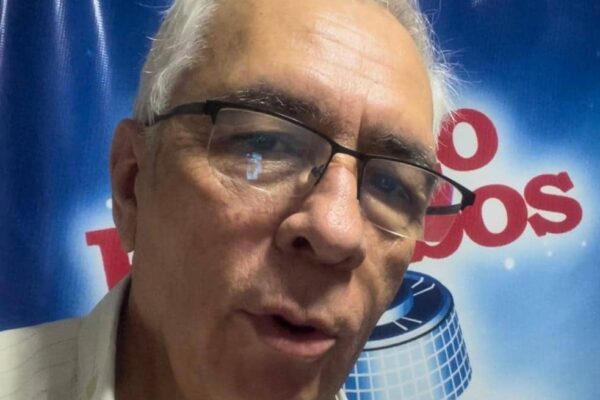
The release of the former president of Fedecámaras, Noel Álvarez, this Tuesday, November 18, has reignited demands for freedom for all political prisoners in Venezuela. His family, civil organizations, and opposition figures highlighted the suffering endured during his detention and reiterated that there can be no talk of peace as long as practices of persecution and imprisonment for political reasons persist.

Read More

Venezuela activates its new comprehensive Defense Command Law amid rising tensions with the U.S.

The National Assembly approved the Comprehensive National Defense Command Law on November 11, a central instrument of Venezuela’s new military doctrine that expands the shared responsibility between the State, the Armed Forces, and the citizenry in the country’s defense. The enactment occurs in a climate of regional tension marked by the deployment of the US aircraft carrier USS Gerald Ford in the Caribbean and the initiation of “Operation Southern Lance,” announced by Washington. The regulation has generated official support and strong criticism from opposition sectors who consider it an instrument of internal control.

Read More

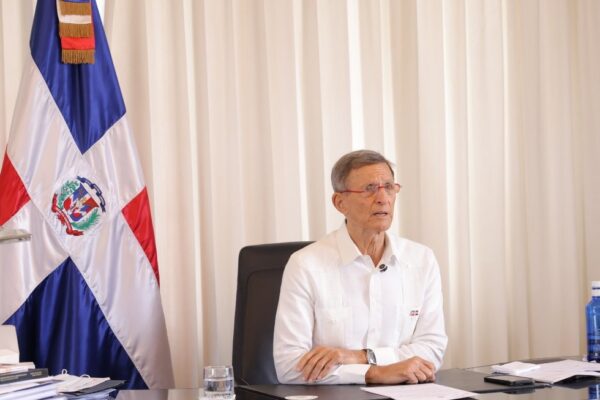
Dominican Republic postpones Summit of the Americas to 2026 amid regional tensions 

The decision of the dominican government to postpone the tenth Summit of the Americas, scheduled for December of this year in Punta Cana, reveals a complex web of political, diplomatic, and geo-strategic factors affecting the continent: controversial exclusions, tensions with Venezuela, the suspension of bilateral flights, aircraft confiscations, and a growing climate of polarization in the Americas.

Read More

Rodrigo Paz ends two decades of MAS rule in Bolivia and promises to “Open the Country to the World”

The economist and Christian Democratic senator won the runoff with 54.53% of the vote, in a victory that seemed unthinkable just two months ago. With his promise of “capitalism for all,” Paz inherits an economy on the brink of collapse and the challenge of rebuilding governability in a country fractured after twenty years of MAS hegemony.

Read More

What was the agenda of the ruling party and the opposition led by María Corina in the framework of the UN General Assembly?

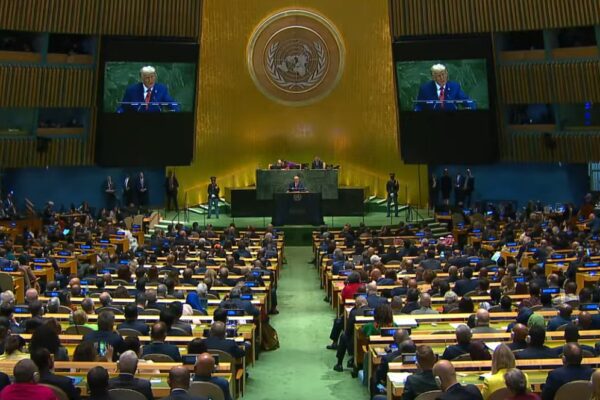
Within the framework of the 80th session of the United Nations General Assembly, Venezuela deployed an international agenda marked by intense diplomatic activity from both the government and a sector of the opposition. While the administration of Nicolás Maduro held more than twenty meetings with countries and international organizations in New York, reinforcing its narrative of integration and multipolarity, the opposition linked to María Corina Machado concentrated its efforts on highlighting the Venezuelan crisis as a hemispheric security problem, with activities in New York and Geneva. This dual agenda reflects the dispute for legitimacy and international projection among the different Venezuelan political actors in a transforming global scenario.

Read More