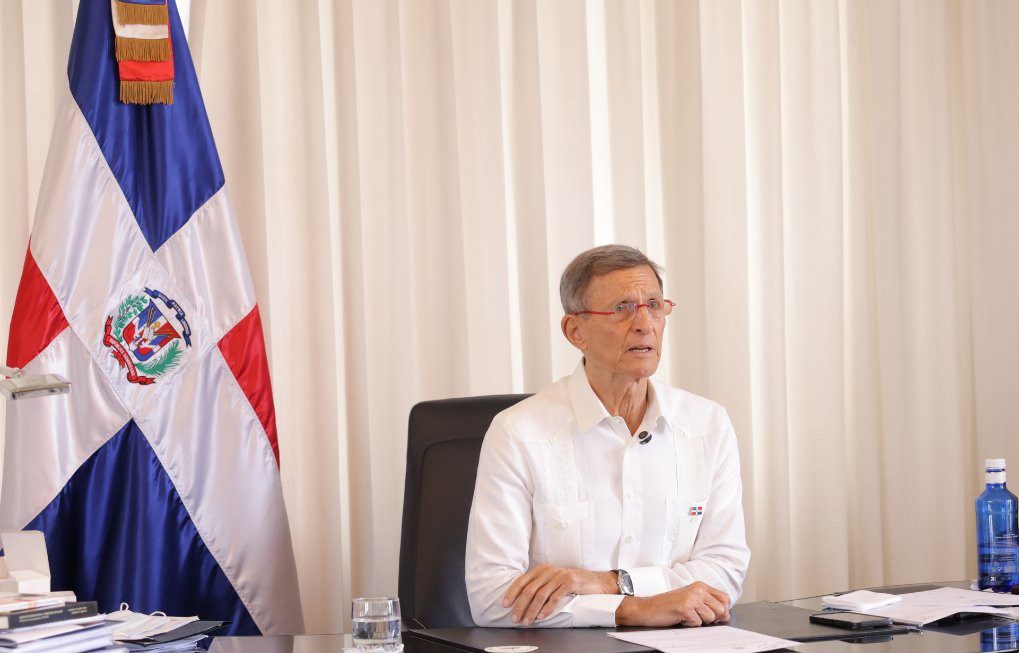
Roberto Álvarez, Foreign Minister of the Dominican Republic, during an address at a panel of the Organization of American States OAS. Photograph: Press Office of the Dominican Republic Ministry of Foreign Affairs.
Guacamaya, November 4, 2025. The decision of the dominican government to postpone the tenth Summit of the Americas, scheduled for December of this year in Punta Cana, reveals a complex web of political, diplomatic, and geo-strategic factors affecting the continent: controversial exclusions, tensions with Venezuela, the suspension of bilateral flights, aircraft confiscations, and a growing climate of polarization in the Americas.
The Ministry of Foreign Affairs of the Dominican Republic announced this Monday that the tenth edition of the Summit of the Americas, which was to be held in December in the country, has been officially postponed until 2026.
“After a careful analysis of the situation in the region, the Dominican government has decided to postpone the celebration of the tenth Summit of the Americas until next year,” states the press release issued by the foreign ministry.
“This measure has been agreed upon with our closest partners, including the United States, the original promoter of this forum, and other key countries,” adds the text, which also notes that the Secretary General of the Organization of American States (OAS) and the President of the Inter-American Development Bank (IDB) were consulted.
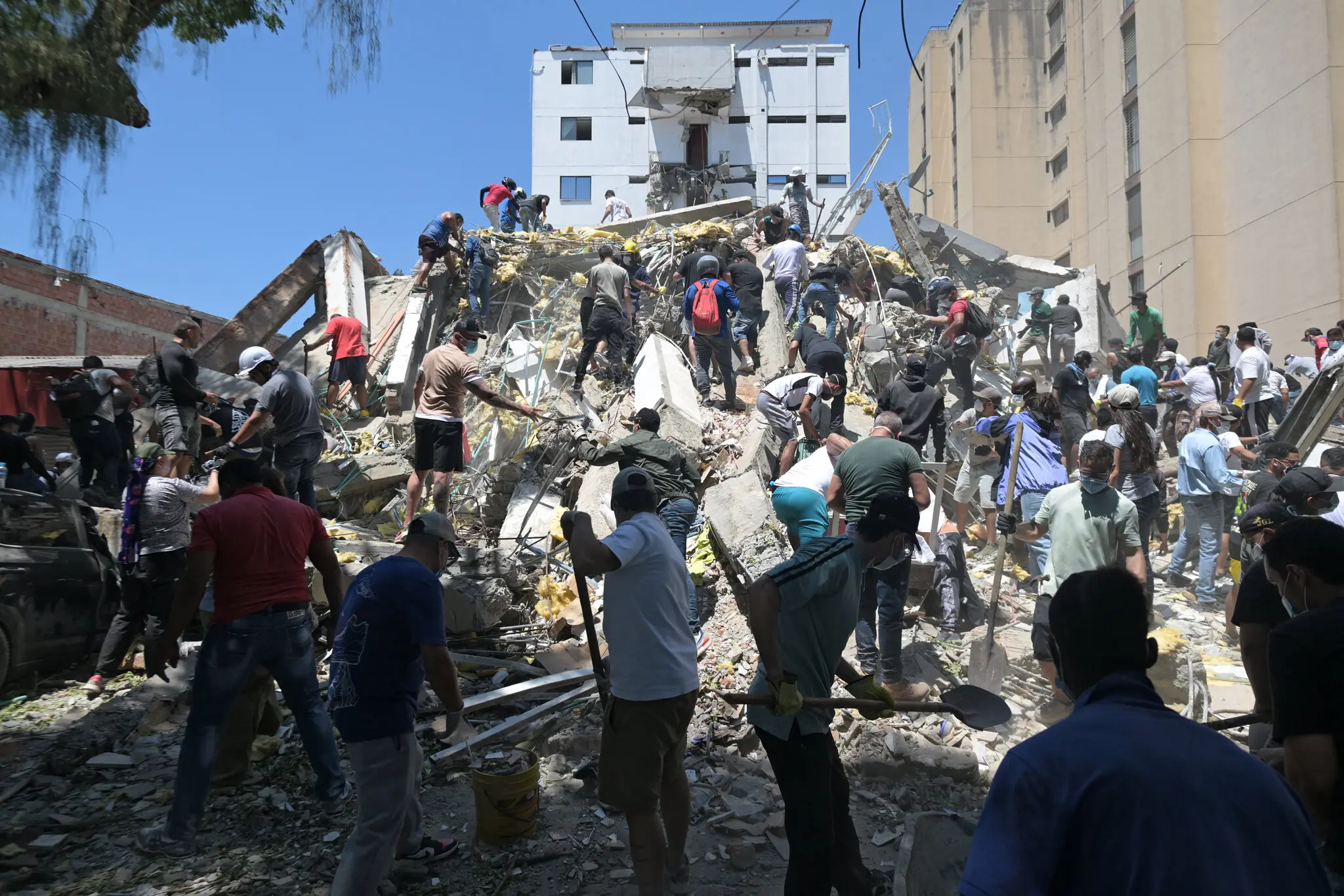
According to the document, “In 2022, at the time of assuming the responsibility of hosting the Summit of the Americas, the profound divergences that currently hinder productive dialogue in the Americas were unforeseeable. Added to this situation is the impact caused by recent climatic events that have severely affected several Caribbean countries.”
The communiqué does not specify a new date nor does it offer further details about the future organization of the tenth Summit in 2026.
The event, which has brought together the political leaders of the continent every three years since 1994, was set to take place in Punta Cana between December 1 and 5, under the theme “Building a Safe, Sustainable, and Shared Prosperity Hemisphere.”
Exclusions fracture hemispheric unity
The last Summit of the Americas was held in Los Angeles, United States, in 2022, marked by Washington’s decision not to invite Cuba, Nicaragua, and Venezuela due to their “record against human rights,” a decision that generated strong criticism among attending countries.
Similarly, the Dominican Republic reported last September that it would also not invite those three countries to “favor the broadest possible attendance and ensure the development of the forum,” arguing that these nations “have decided not to be part of the OAS and did not participate in the previous edition of the Summit of the Americas.”
This stance triggered a domino effect. Colombian President Gustavo Petro announced in mid-October:
For her part, Mexican President Claudia Sheinbaum followed the same path:
“We cannot endorse a Summit of the Americas where not all the peoples of Latin America are present.”
Both decisions were celebrated in Havana and Caracas, where the governments of Cuba and Venezuela denounced “external pressures” from Washington to condition the guest list.
From Caracas, the venezuelan government rejected the exclusion, and ruling party leaders accused the Dominican Republic of acting “on external orders.” In their speeches, they revived the notion of a “zone of peace” against what they describe as a narrative of “aggression” promoted by the United States and its allies.
Abinader confirms suspension of flights with Venezuela
In parallel, President Luis Abinader confirmed this Monday during his weekly meeting with the press, known as “La Semanal,” that there have been no changes in the situation regarding commercial flights between the Dominican Republic and Venezuela, which remain suspended.
The air routes between the two countries were crucial, as they served as a stopover and connection for many venezuelans traveling between Venezuela and the United States.
Air operations have been suspended since July 31, 2025, after Venezuela imposed the measure unilaterally, amid growing diplomatic tensions and international questioning of the government of Nicolás Maduro, especially following election results contested by several governments, including that of the Dominican Republic.
Abinader recalled that his Government was analyzing a formal request from Venezuela to resume flights, after Caracas announced its willingness to reestablish connections.
“It was their unilateral decision to have no air contacts, and we complied without any complication. Now we receive this request from them, and we are studying it,” the president had stated.
The situation keeps thousands of Venezuelan residents in the Dominican Republic in suspense, as well as Dominicans living in Venezuela who await the resumption of direct flights to facilitate family and commercial ties.
Bilateral tensions and confiscations
The diplomatic deterioration between the two countries has been intensified by a series of recent episodes. Earlier this year, the United States seized a second Venezuelan aircraft in dominican territory, during a visit by the head of US diplomacy, Marco Rubio.
In Santo Domingo, and in the presence of Rubio, a dominican prosecutor and a representative of US law enforcement placed a sign with the word “seized” on a Dassault Falcon 200 aircraft with Venezuelan registration.
According to the US Department of State, Venezuelan officials used that aircraft to fly to Greece, Turkey, Russia, Nicaragua, and Cuba, and had brought it to the Dominican Republic for maintenance.
It was not the first time. Another official Venezuelan aircraft, a Dassault Falcon 900EX model, was confiscated in the Dominican Republic on September 2 of last year and transferred to Florida, United States, after US authorities alleged it had been “illegally” purchased for 13 million dollars through a shell company and smuggled out for the personal use of Nicolás Maduro and his allies.
US military presence and climate of tension
Since the end of august, Washington has deployed more than ten warships in the Caribbean under the pretext of advancing “anti-narcotics” operations. Although the United Nations and Human Rights organizations have questioned the legality of such operations, these actions have included 14 bombings against vessels, leaving at least 62 dead.
In this context, President Donald Trump again generated controversy by accusing Colombian President Gustavo Petro of being a drug trafficker, further increasing regional political tension.
Beyond the official reasons, the cancellation of the Summit hints at a hemispheric chessboard in full reconfiguration. The US military mobilization in the Caribbean, the deterioration of the Venezuelan situation, and the climate of polarization in several countries suggest that Washington and its allies prefer to maintain room for maneuver rather than being forced to discuss it publicly in a multilateral forum.
Support and positioning
US Secretary of State Marco Rubio expressed his support for President Abinader’s decision to postpone the Summit, assuring that Washington “will continue collaborating with the region to guarantee a productive event in 2026.”
It is worth recalling that in January of this year, Abinader received Edmundo González Urrutia, a Venezuelan opposition candidate, and reiterated his support for the sector led by María Corina Machado.
“To you, to all your family, to María Corina, and to the brave Venezuelan people, we say: your struggle is our struggle,” Abinader declared during the meeting at the National Palace.
Diplomatic relations have remained frozen since July 2024, when the embassy and general consulate of the Dominican Republic in Venezuela closed their doors.
During González Urrutia’s visit to Santo Domingo in January 2025, he denounced that Dominican authorities thwarted an infiltration attempt by intelligence agents from the Maduro government, allegedly “trained by Cuba.”
Dominican media reported that local intelligence services detected and neutralized the Venezuelan agents, although Caracas denied such claims. The matter cooled down weeks later, but it left a deep mark on the bilateral relationship.
A postponed forum in a divided continent
The tenth Summit of the Americas, which was to bring together the heads of state of the continent in Punta Cana, thus becomes a collateral victim of the new regional political map. The disagreements over who can or cannot sit at the table, internal crises in several countries, and the growing militarization of the Caribbean have eroded the spirit of consensus that inspired the creation of the forum in 1994.
The postponement decided by the Dominican Republic not only reflects a prudent diplomatic maneuver to avoid a political failure but also signals the uncertain moment the Western Hemisphere is experiencing, where inter-American dialogue is increasingly conditioned by ideological rivalries and the strategic interests at stake.