The midterm elections can subject policy toward Venezuela to greater oversight. But a Democratic victory would not, by itself, mean the end of the White House’s strategy. Photo: Wally Gobetz.
Guacamaya, November 2, 2026. On November 3, the United States will hold midterm elections with consequences for Venezuela. Since the U.S. military operation of January 3, which culminated in the capture of Nicolás Maduro, the relationship with Washington has become a determining factor in Venezuela’s political and economic process.
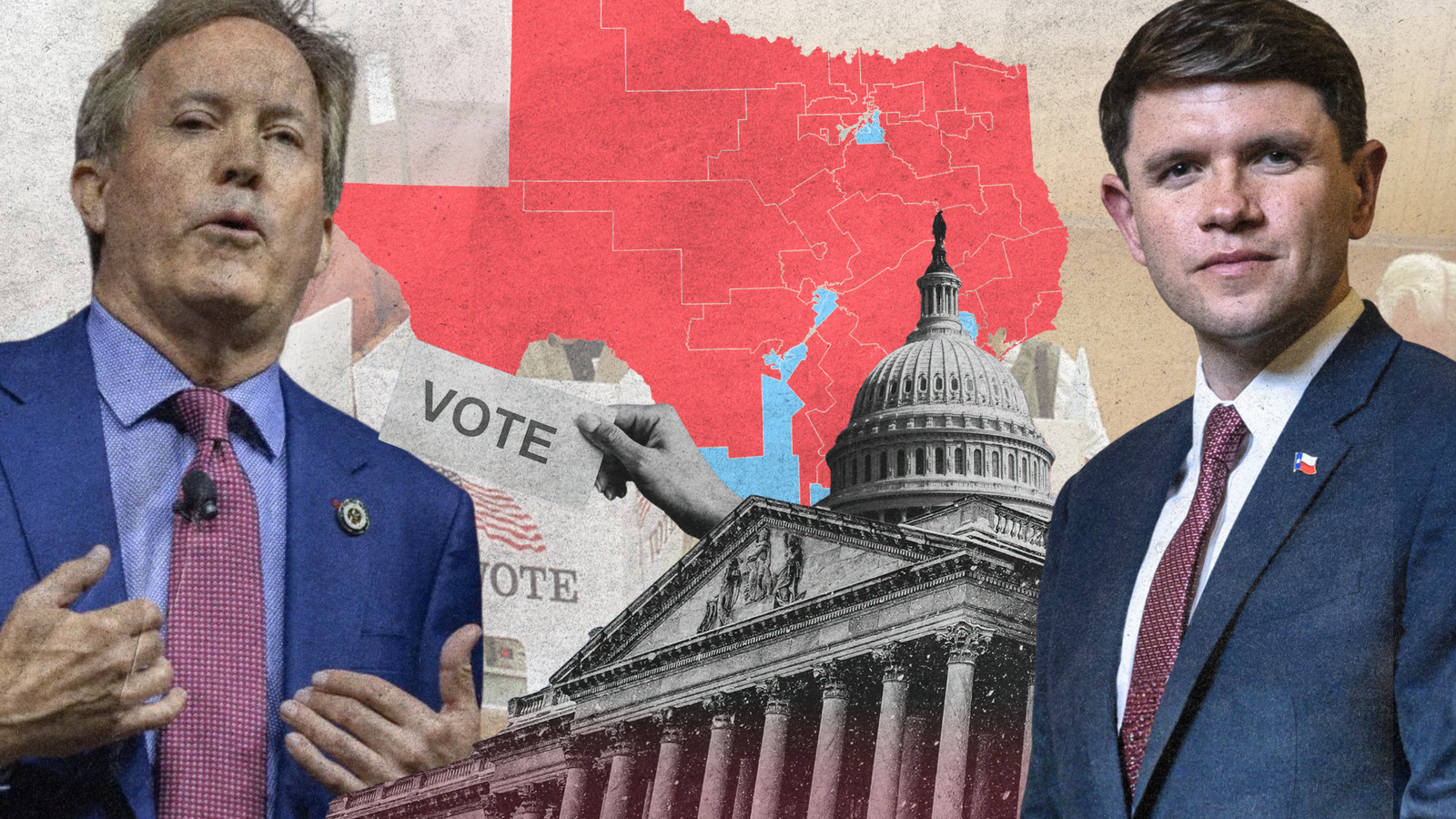
All 435 seats in the House of Representatives will be up for renewal, and 35 of the 100 Senate seats will be contested. Forecasts favor the Democrats, but do not guarantee their victory. The Decision Desk HQ model assigned them an 83% probability of winning the House, with a projection of 241 seats, and a 62% chance of controlling the Senate, with 52. These are estimates based on an average of the main pollsters.
Congress can condition policy toward Caracas, although its direction remains in the hands of the Executive. Hearings, resolutions and information requests do not by themselves revoke oil licenses, annul contracts or impose elections in Venezuela. Their effect is to raise the political cost of the White House’s decisions.
If the Democrats win both chambers
This would be the scenario of greatest institutional pressure on the administration. Control of both chambers would allow the Democrats to set committee agendas and promote investigations into the management of oil revenues, business agreements and the relationship between economic opening and democratization.
The most concrete precedent already exists. On October 1, Senators Jeanne Shaheen, Jack Reed, Elizabeth Warren and Martin Heinrich made public a request for information to Marco Rubio, Pete Hegseth and Chris Wright regarding the agreement with North American Blue Energy Partners (NABEP). They requested details on the legal basis, financing and possible beneficiaries linked to the Government, without this implying proven irregularities.
However, controlling both chambers would not be enough to impose any change. In the Senate, a simple majority allows laws to be passed, but the minority can block their progress by prolonging debate through the so-called filibuster. Overcoming that blockade normally requires 60 votes. Therefore, a Democratic majority of 51 or 52 senators would have to add Republican support to advance much of its legislative agenda.
Furthermore, Trump could veto legislation, and overriding that veto would require two-thirds of the votes in each chamber. A narrow Democratic majority would have more capacity to investigate and negotiate than to unilaterally replace the presidential strategy.
A defeat of this magnitude could lead Trump to reorganize his cabinet, with important consequences for Venezuela. A possible departure of Marco Rubio from the State Department if he decided to pursue an electoral candidacy would place the diplomatic conduct of the Venezuelan process in the hands of a new interlocutor, who could revise the priorities, pace and conditions of the current process.
If the Democrats win the House and the Republicans retain the Senate
A Democratic House could hold hearings, investigate administration decisions and use budget negotiations to demand conditions. Its committees could issue subpoenas, although disputes over documents and testimony can lead to negotiations and litigation.
The Republican Senate would, in turn, retain a central role in confirming senior officials and could halt legislative initiatives coming from the House. Retaining the Senate could be presented politically as Republican relief in the face of expectations of a defeat across the entire Congress.
Florida deserves special attention.
A defeat for María Elvira Salazar, an ally of María Corina Machado and one of the voices calling for greater pressure on Caracas, could weaken the ability of these sectors to influence Trump from within the Republican Party itself. The argument that a firmer policy toward Venezuela is indispensable to preserve the South Florida vote would lose strength, since today the ICE and immigration factor would carry the greatest weight among its voters.
Florida would continue to have electoral weight, but Cuban-American leaders would lose an important channel of pressure on the White House from Congress.
What will be at stake for Venezuela
For Venezuela, the result will mark the level of congressional pressure and could drive changes in Trump’s cabinet, in addition to raising the political cost of the strategy the White House maintains toward the country.
A Democratic majority could increase pressure for economic recovery to be accompanied by verifiable democratic commitments. It would not, by itself, have the capacity to set a Venezuelan election date.
Faced with greater obstacles to advancing his domestic agenda due to a defeat in Congress, Trump could focus on the international stage and seek to consolidate the Venezuelan process as one of the main achievements of his administration.
Greater polarization in the United States could, however, turn Venezuela into an instrument of pressure between both parties. The risk is that decisions respond increasingly to U.S. political competition, making difficult the bipartisan agreements that would give stability and continuity to the Venezuelan process.