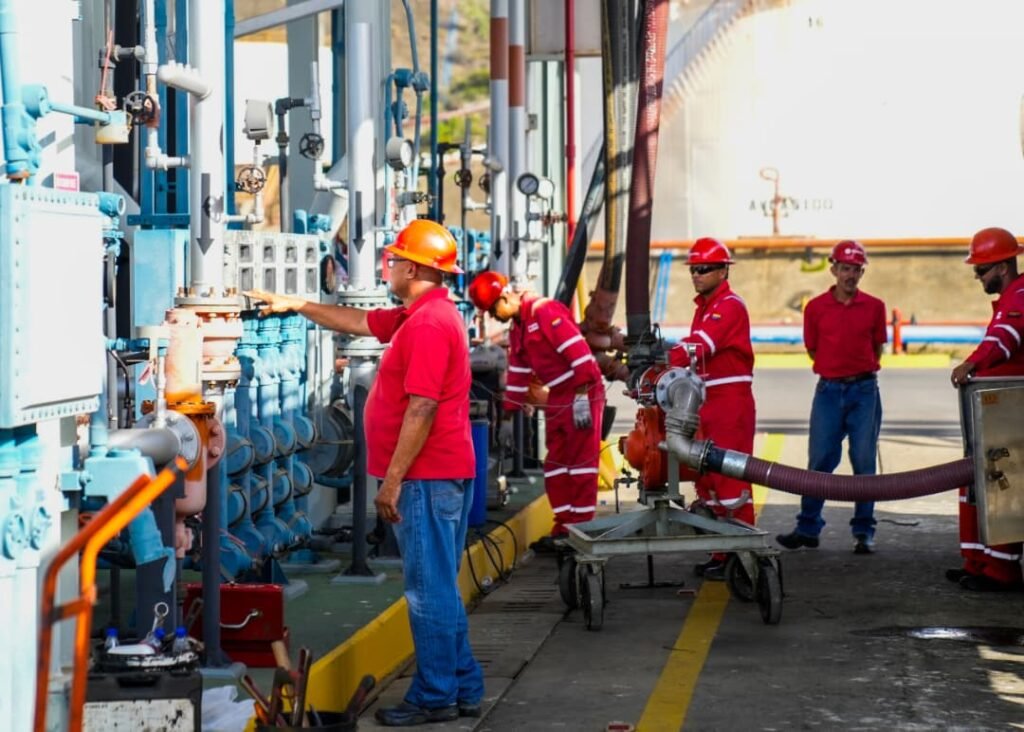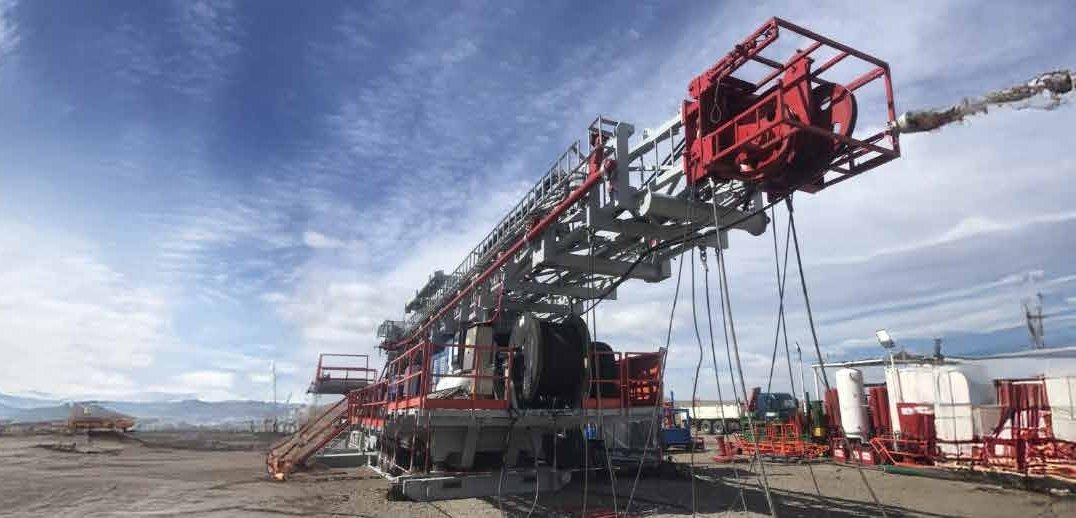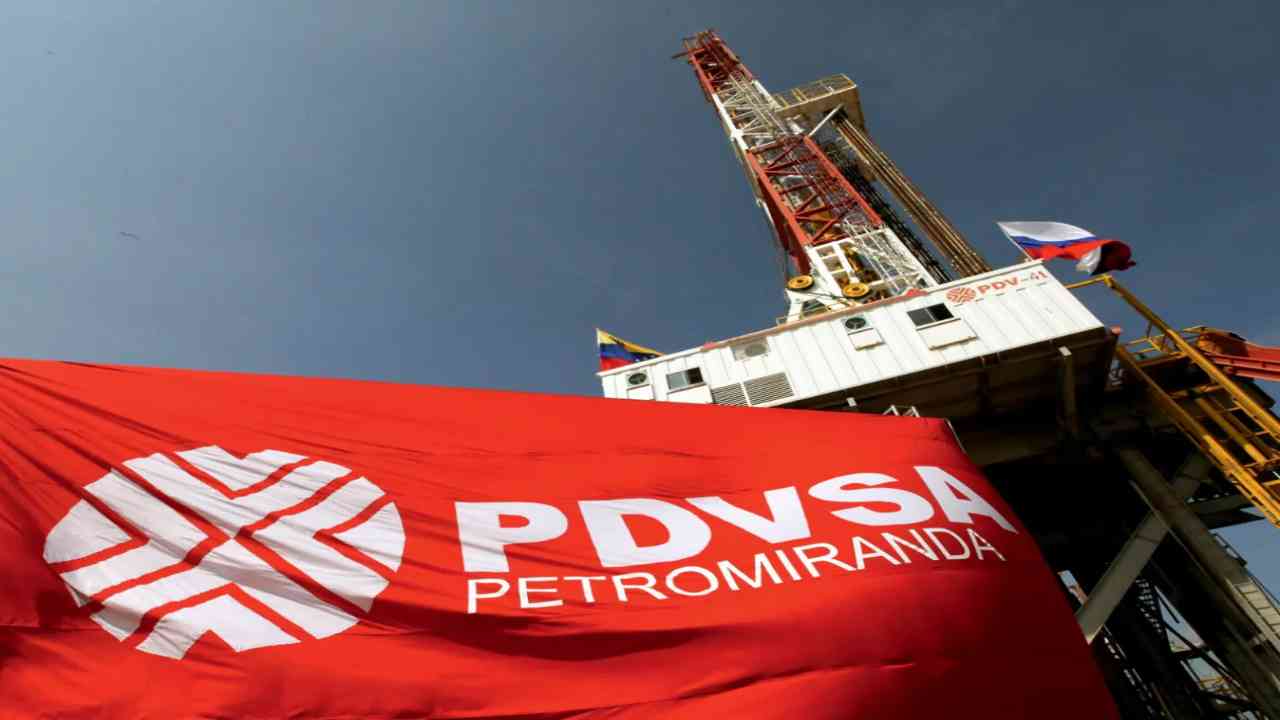
Venezuela’s oil industry is undergoing a period of reconfiguration marked by a partial increase in domestic refining, new U.S. licenses that are energizing exports and gas projects, the return of supertankers to its terminals, expectations of foreign investment, India’s presence in light of the agreement with the United States, challenges stemming from past debts, the IMF’s interest, and prospects for economic reactivation in the country’s oil-producing regions. Photograph: PDVSA
Guacamaya, February 24, 2026. Venezuela’s oil industry is undergoing a period of reconfiguration marked by a partial recovery in domestic refining, new U.S. licenses that are energizing exports and gas projects, the return of supertankers to its terminals, renewed expectations of foreign investment, and diplomatic movements that could redefine the regional energy landscape.
According to Reuters, the refineries of Amuay, Cardón, El Palito and Puerto La Cruz, operated by Petróleos de Venezuela S.A. (PDVSA), jointly processed around 450,000 barrels per day (bpd) of crude this week.
At that level, Venezuela’s refining network is operating at approximately 35% of its installed capacity of 1.29 million bpd, according to workers cited on Thursday. While this marks an improvement over last year’s 20% to 25%, it remains insufficient to comfortably meet growing domestic fuel demand.
The facilities, managed by the state oil company, continue to suffer from power outages and unexpected shutdowns that limit the supply of gasoline, diesel and natural gas to vehicles, power plants and households. In recent years, Venezuela has had to ration these fuels.
Sources said PDVSA is seeking to keep its main gasoline-producing units operational, while national crude output has recovered to around 1 million bpd this month. Since last year, the company has been modifying the configuration of some upgraders in the Orinoco Oil Belt to secure feedstock for its refineries.
Since January, and under new U.S. licenses, Venezuela has been supplementing domestic fuel production with imports of U.S. naphtha, used both to dilute extra-heavy Orinoco crude and to manufacture high-octane gasoline, Reuters reported.
Shell and the Dragón Project: gas to Trinidad and Tobago
At the same time, Anglo-Dutch energy major Shell plans to export Venezuelan gas through the Atlantic LNG facility in Trinidad and Tobago.
General licenses issued this month by the United States for oil and gas exploration in Venezuela will allow Shell to move forward with its Dragón Field project, a company spokesperson told Reuters on February 19. The offshore field, with estimated reserves of 4.5 trillion cubic feet, has faced repeated delays in recent years due to shifts in U.S. policy toward Caracas.
“The recent issuance of the general licenses is a positive sign and indeed allows progress on our Dragón project,” the spokesperson said.
Shell CEO Wael Sawan recently stated that the company expects to begin producing gas from the Dragón field within three years. Shell holds a 45% stake in Atlantic LNG, while BP owns another 45% and NGC 10%. The plant, with a capacity of 12 million metric tons per year, exported only 9 million tons in 2025 due to supply constraints, according to LSEG data cited by Reuters.
In 2025, Atlantic LNG accounted for 10% of Shell’s global LNG output and 15% of BP’s LNG exports.
The return of VLCCs and the shift toward India
Trading houses and buyers of Venezuelan crude have begun chartering the first very large crude carriers (VLCCs) since a new supply agreement between Caracas and Washington took effect, accelerating shipments from March and boosting deliveries to India.
Trading firms Vitol and Trafigura have been exporting Venezuelan crude and fuel since January under a $2 billion agreement between the United States and Venezuela following the capture of President Nicolás Maduro by U.S. forces.
Most exports had been transported on smaller Panamax and Aframax tankers to U.S. refineries, and on Suezmax vessels to terminals in the Caribbean, where traders stored crude before re-exporting it to U.S. and European ports.
VLCCs — capable of carrying up to 2 million barrels — will speed up operations at the Jose terminal, which handles up to 70% of Venezuela’s total crude exports. Among the supertankers scheduled to load in March are the Nissos Kea, Nissos Kythnos and Arzanah, all bound for India. Another VLCC, the Olympic Lion, signaled Venezuela as its destination this week, with arrival expected in late March.
Indian refiners such as Indian Oil Corporation, Bharat Petroleum and HPCL Mittal Energy have purchased Venezuelan heavy crude cargoes. Meanwhile, Reliance Industries bought a 2 million-barrel cargo from Vitol for March loading and is exploring direct purchases from PDVSA.
India had been Venezuela’s third-largest crude buyer before U.S. sanctions were imposed in 2019. Exports rebounded to around 800,000 bpd in January after the U.S. oil embargo ended, although the rapid rise from about 500,000 bpd in December left millions of barrels initially destined for U.S. and European buyers unsold in storage.
More crude to the U.S. and expanded licenses
U.S. companies such as Chevron and refiners including Valero Energy, Phillips 66 and Citgo Petroleum are preparing to increase their processing of Venezuelan crude.
Chevron and other refiners have secured dozens of Aframax and Panamax tankers, mostly under time-charter contracts dedicated exclusively to Venezuelan oil. Similar vessels have also been chartered to deliver naphtha to PDVSA, displacing Russian supply.
In late January, the U.S. Treasury Department issued a general license broadly authorizing Venezuelan oil exports. Sales are expected to reach $6 billion in the coming months, up from $1 billion between mid-January and mid-February, according to Reuters.
Colombia, gas and OFAC constraints
Regionally, Colombia’s Minister of Mines and Energy, Edwin Palma Egea, said on February 22 that the country has ruled out importing Venezuelan natural gas through Ecopetrol due to the need for a license from the U.S. Office of Foreign Assets Control (OFAC).
The remarks followed his meeting at Miraflores Palace with Delcy Rodríguez, where both sides had agreed to move forward on gas commercialization and improvements to cross-border energy infrastructure. Palma stated that the government of Gustavo Petro prioritizes speed and efficiency and is evaluating LPG imports as an alternative.
Any potential agreement would require reactivating the 224-kilometer Antonio Ricaurte gas pipeline, which would demand significant investment and rehabilitation work.
In this context, U.S. sanctions remain a decisive factor shaping investment prospects and operational decisions.
Debt, investment and expectations
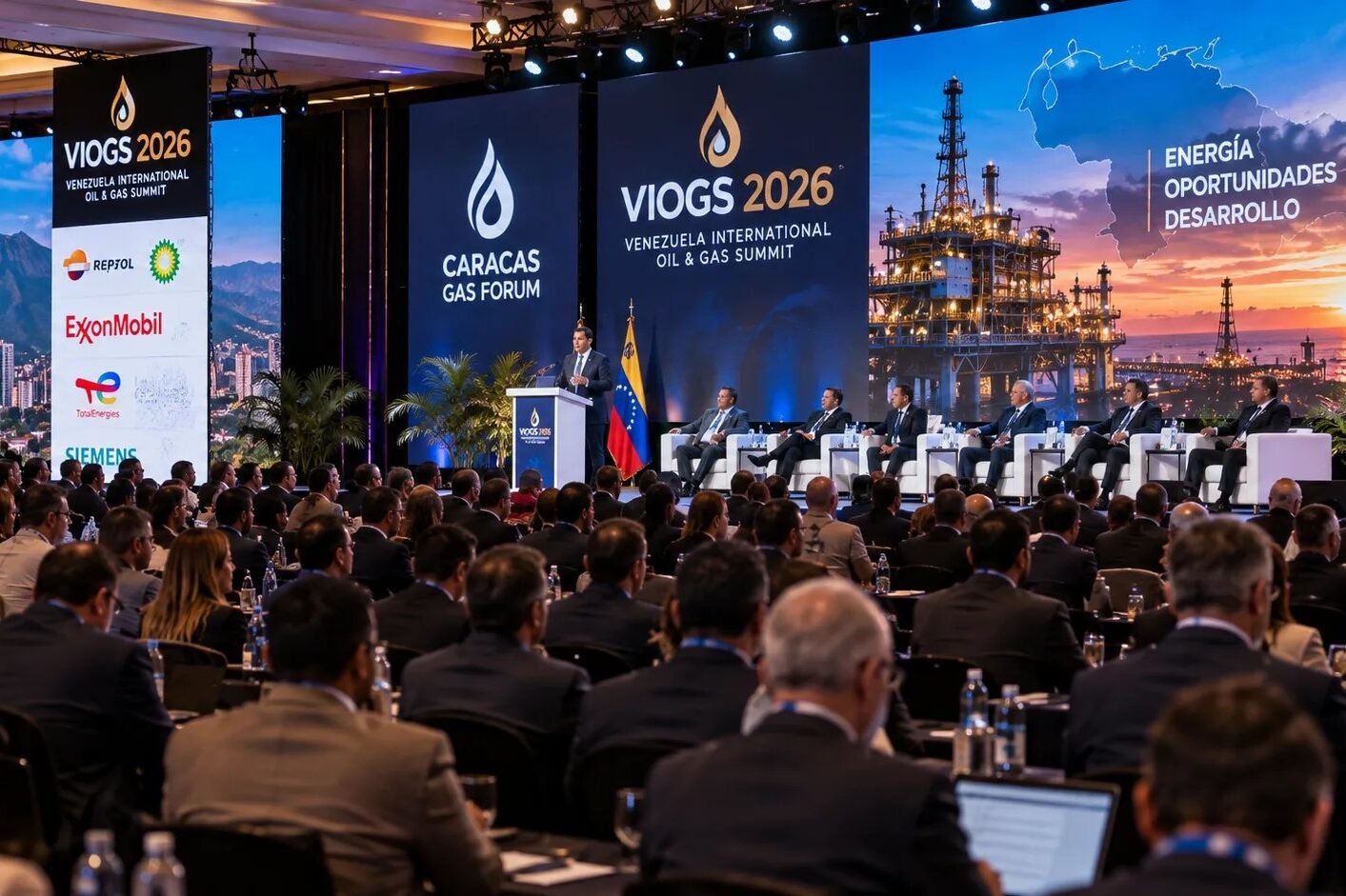
Spanish energy company Repsol disclosed that the Venezuelan state owes it €4.55 billion. The firm, which has operated in Venezuela for more than three decades and is a key PDVSA partner, aims to increase daily gas output by 10% to approximately 640 million cubic feet and raise oil production by 50% within 12 months, potentially tripling it within three years.
Meanwhile, Brazilian state oil company Petrobras is studying opportunities in Venezuela but warns of operational and environmental risks, particularly in Lake Maracaibo. The company is also pursuing projects in Africa, including Ghana, Ivory Coast and Namibia.
IMF and business reactivation
The International Monetary Fund has expressed willingness to re-engage with Venezuela, provided a formal request is submitted by Caracas. The institution is currently in an information-gathering phase to assess possible technical assistance or other mechanisms.
Domestically, the Chamber of Commerce and Industry of Cabimas has launched a business census. Its acting president, Manuel Polanco, stated that nearly 90% of approximately 400 oil service companies on the eastern shore of Lake Maracaibo are inactive but could be reactivated in the event of new investment, particularly following reforms to the Organic Hydrocarbons Law.
Taken together, these developments reflect a Venezuelan oil industry in transition: with refining partially recovering, new export routes opening, Asia gaining prominence, international corporate interest conditioned by sanctions, regional diplomatic efforts unfolding, and potential multilateral re-engagement on the horizon. After years of sanctions, underinvestment, corruption and contraction, the country’s energy landscape is once again shifting in multiple directions.