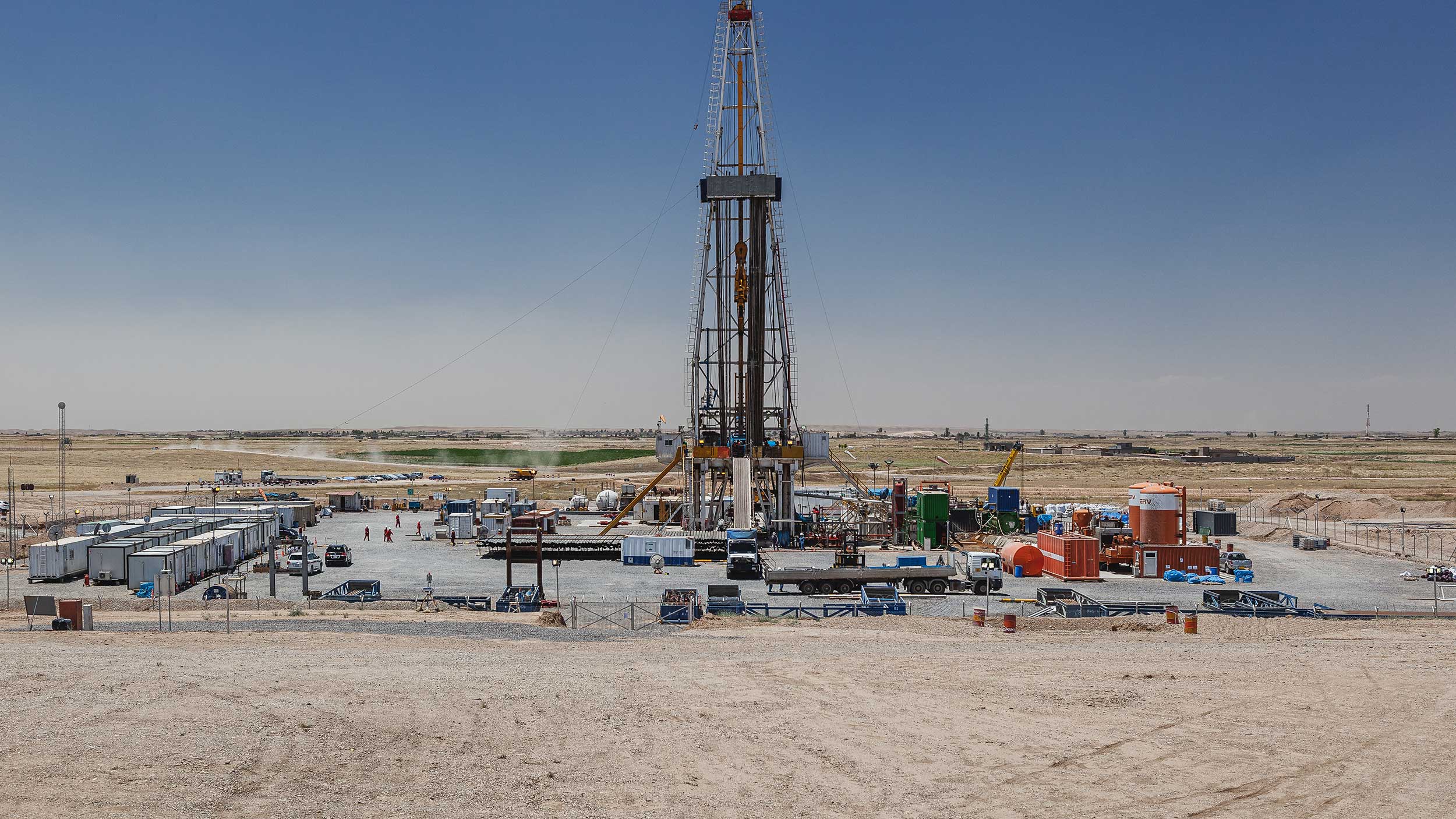
Halliburton is the world’s second-largest oilfield services company, and the largest in the United States. In the image, the corporation’s operations in Basra, Iraq. Photo: Halliburton.
Guacamaya, July 31, 2026. The two recent rulings on labor lawsuits against Halliburton and the seizure of its assets create a new jurisprudential framework in Venezuela’s oil industry, reflecting the new political era following January 3.
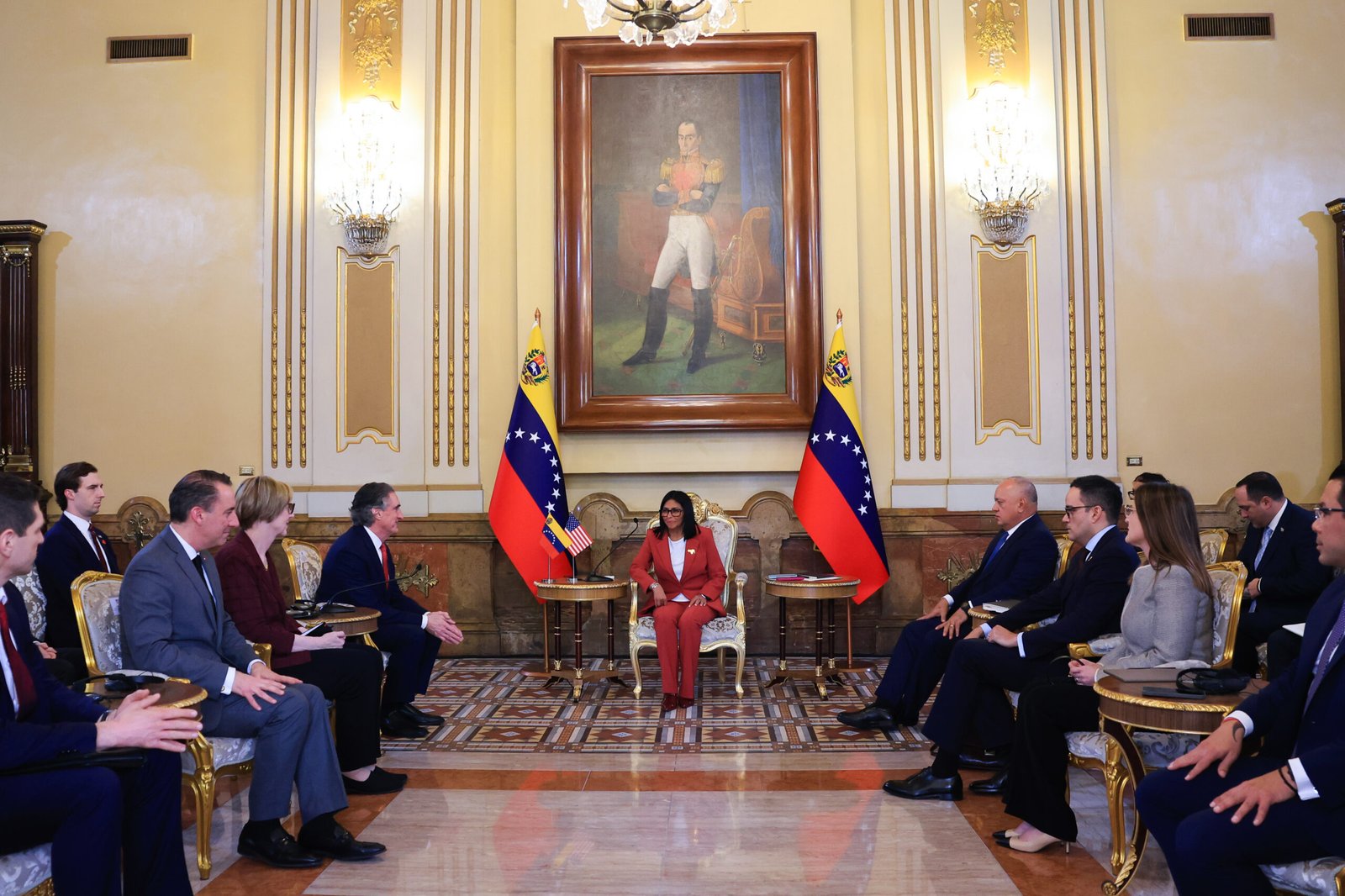
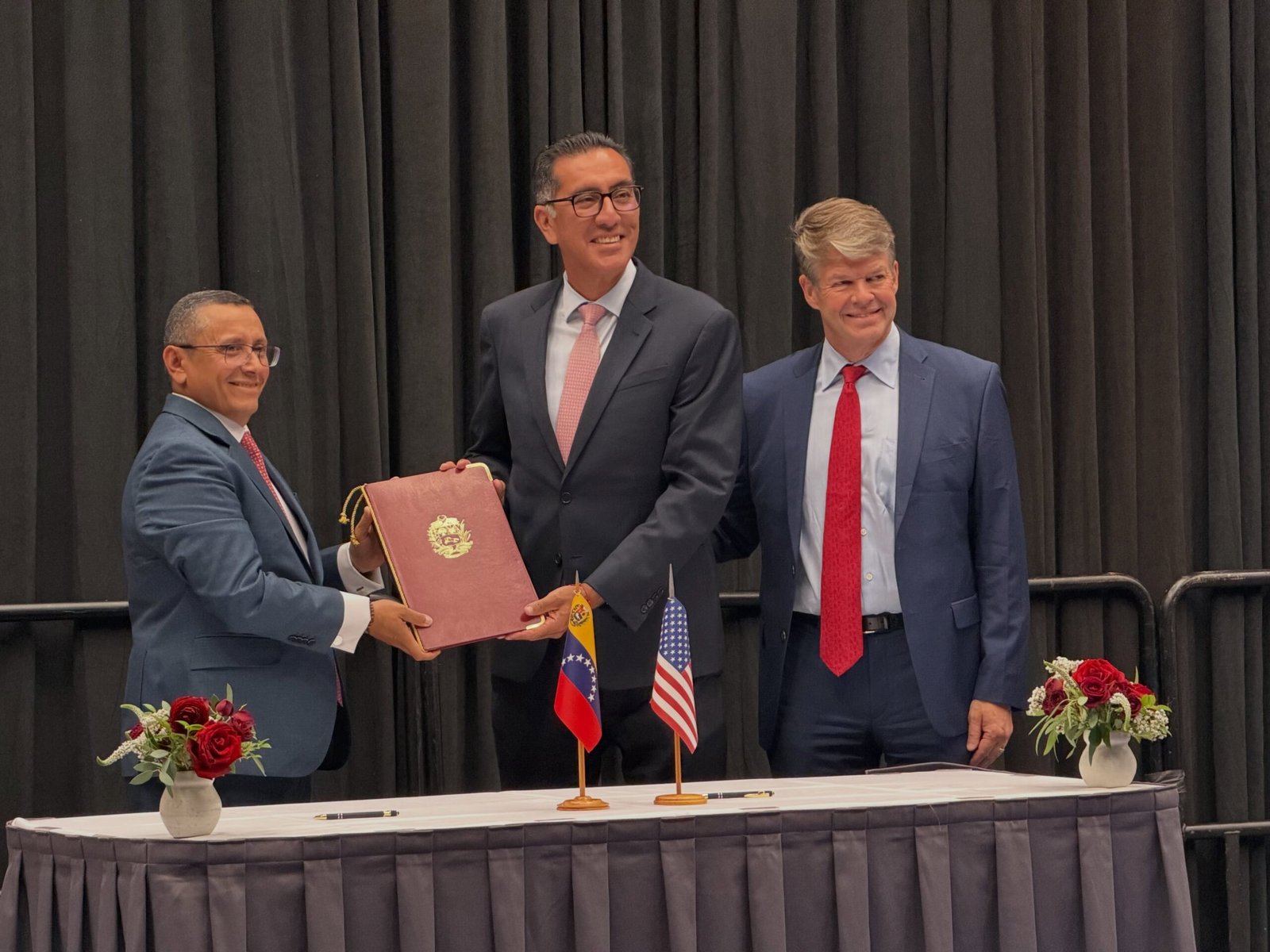
On July 28, the Supreme Court of Justice (TSJ) ordered the return of seized assets to Halliburton in Zulia state. The court also ordered the reactivation of operations for the world’s second-largest oilfield services company. Two days later, the TSJ also ruled for the restitution of assets in Monagas.
The U.S. corporation had operated in Venezuela since 1938 until, due to sanctions imposed by the first administration of President Donald Trump, it was forced to suspend its operations between 2019 and 2020.
Following the interruption, multiple labor lawsuits arose from former employees, centered on the alleged non-payment of severance benefits. These were first referred to the Labor Judicial Circuit of Cabimas, Zulia state.
The first ruling led to the seizure of Halliburton’s assets in Venezuela, valued at $6.6 million, to be auctioned off in order to satisfy the claimed payments.
Halliburton rejected this measure, filing in December 2025 a claim before the International Centre for Settlement of Investment Disputes (ICSID), an institution dedicated to resolving international disputes.
The political changes resulting from the military operation of January 3, however, caused a 180-degree turn in the case. In February 2026, barely a month later, Caracas canceled the planned auction of Halliburton’s assets, apparently under pressure from the United States.
On July 28 and 30, the TSJ definitively ruled in favor of Halliburton, which facilitated the resumption of the company’s operations in Venezuela. The Social Cassation Chamber, which issued the decision, argued that the assets in question are of a strategic and critical nature for the hydrocarbons industry and for the country’s economic recovery.
The Oil Executives’ Meeting at the White House
Halliburton had a special appearance at the meeting of over a dozen oil executives with President Trump at the White House on January 14 of this year, just days after the surprise military action of the 3rd.
In an almost comical moment, Trump asked Halliburton CEO Jeff Miller why they had left the country. “As a company, we left due to the sanctions in 2019. We intended to stay, but when the sanctions were imposed, we were forced to leave.”
Miller, however, stated his company’s firm intention to resume operations in the country, in line with the new U.S. policy. “I personally lived there for four years and raised my children there, so I know Venezuela quite well, and I cannot express enough my gratitude for the opportunity to return to Venezuela under the stability that I know this team and yours can provide.”
Oilfield Services and Political Power
Halliburton is the world’s second-largest oilfield services company, behind only Schlumberger. In 2025, it reported revenues of $22 billion and assets valued at nearly $26 billion.
It is also known for its influence in Washington. Dick Cheney was its president and CEO between 1995 and 2000, resigning to assume the vice presidency with George W. Bush. Upon his departure, he received a severance package of $36 million and stock options in the company, thus granting him a stake that would endure in the firm.
Later, alleged conflicts of interest were criticized, as Halliburton received $7 billion in government contracts during the post-war reconstruction of Iraq, without competitive bidding.