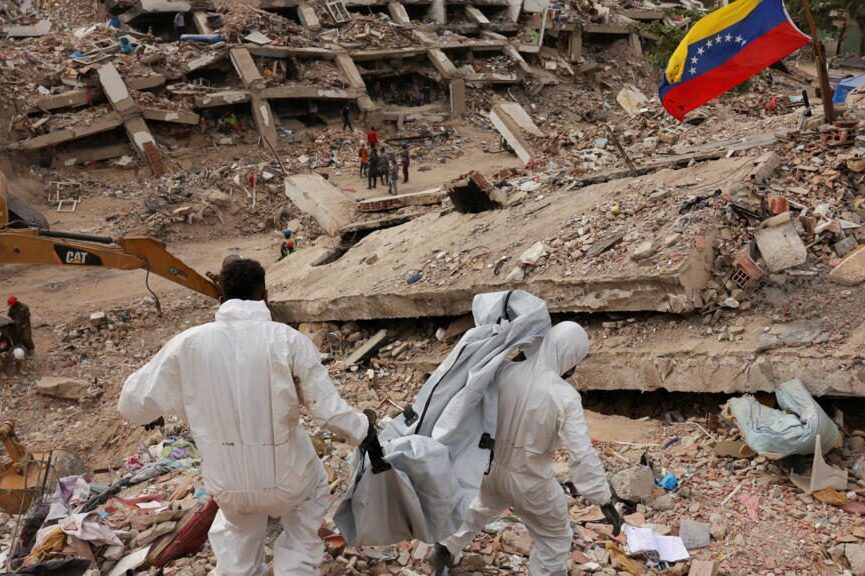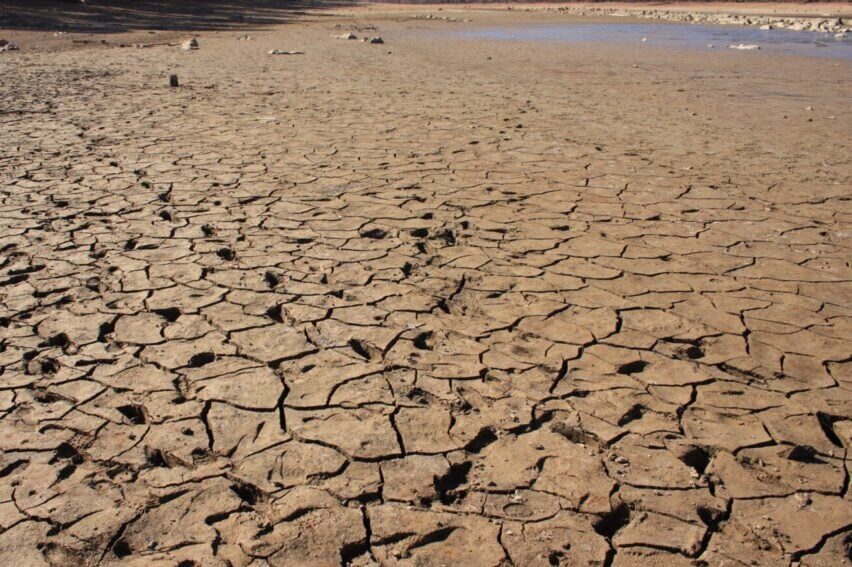
The environmental situation has forced the Government to implement electrical rationing and make changes to Corpoelec’s leadership to manage the crisis. | Reference Image/Credits: Universidad Nacional de La Plata.
Guacamaya, August 8, 2026. To date, Venezuela is facing not only a shift in climatic conditions but also a test of endurance for its service infrastructure and productive capacity. What began in the first quarter of the year as a transition from the neutral phase of the El Niño phenomenon has rapidly evolved into its strengthening as a “Super Niño,” with projections suggesting that its most severe effects are yet to come.
With a 97% probability of persisting until early 2027, according to the United States National Oceanic and Atmospheric Administration (NOAA), the country is bracing for a period of extreme heat and water stress. Additionally, there is an 81% probability that the phenomenon will reach a “very strong” peak intensity between October and December 2026.
What is El Niño and why the term “Super Niño”?
The El Niño phenomenon is the warm phase of the ENSO (El Niño-Southern Oscillation) climate cycle, originating from the anomalous warming of surface waters in the equatorial Pacific Ocean. This temperature increase alters global atmospheric circulation, causing torrential rains in some regions and prolonged droughts in others, such as northern South America in this case.
Although the term “Super Niño” has become popular in the media and among some specialists, it is not an official classification of the World Meteorological Organization (WMO). However, the Vice Minister for the Preservation of Life and Biodiversity, José Pereira, has explained that this qualifier is used because ocean temperatures have risen between 2 and 3 °C in just six months—an extraordinary speed compared to the 1 °C increase over the last 50 years.
The El Niño phenomenon does not have an exact periodicity, but specialists and international organizations such as the WMO and NOAA indicate that it usually occurs within a range of every two to seven years. Some experts, such as meteorologist José Pereira, point out that, due to the current climate crisis, El Niño and La Niña phenomena are occurring more consecutively and frequently.
How is Venezuela affected?
Although Venezuela is not geographically located in the Pacific Ocean, its climate is deeply linked to what happens in the so-called “Niño zones.” These zones (Niño 1+2, Niño 3, Niño 3.4, and Niño 4) are specific measurement areas in the equatorial Pacific that scientists use as “windows” to monitor the state of the global climate system.
The Niño 3.4 zone, located in the east-central Pacific, is the primary reference region for measuring the global impact of the phenomenon and is the most important for Venezuela, situated at the northern tip of South America, with coastlines on the Caribbean Sea and the Atlantic Ocean. The impact occurs through a global atmospheric response known as teleconnection.
For Venezuela, the process works like a chain of events that includes the weakening of trade winds and changes in air circulation, the modification of moisture transport from the Atlantic toward the territory, the alteration of the Intertropical Convergence Zone (which often delays the onset of rains in the country), and the warming and drying of the atmosphere.
This means that when a +1.2 °C anomaly is reported in the Niño 3.4 zone, it does not mean that the sea off the coasts of La Guaira or Falcón has risen by that temperature, but rather that the Pacific’s “energy engine” is injecting enough heat to alter the rainfall pattern in northern South America, which increases evaporation from reservoirs and generates the current heat waves.
Electrical and Water Vulnerability: The Main Threat
Venezuela’s energy infrastructure faces a highly fragile scenario due to its excessive dependence on hydroelectric generation, concentrated mainly in Bolívar state. The Simón Bolívar (Guri), Antonio José de Sucre (Macagua), and Francisco de Miranda (Caruachi) plants are responsible for producing more than 70% of the energy consumed by the country.
The Guri dam alone provides approximately 62% of the national supply, with an installed capacity of 10,235 MW. Although the reservoir level was at its safety elevation (269.70 meters above sea level) in July, a sustained rainfall deficit could threaten to bring it close to critical levels like those of 2016 (248-240 masl).
The problem is compounded by the state of the thermoelectric fleet, which should serve as a backup. Currently, these plants generate barely 2,500 MW, representing only 13% of their installed capacity. Most thermal units are out of service due to breakdowns, lack of maintenance, or fuel shortages, preventing Corpoelec from meeting a national demand of around 13,000 MW.
This operational gap is already manifesting in a services crisis, evidenced by the situation of many Venezuelans who experience, on average, 6 hours daily without electricity in various cities, while in rural areas, outages exceed 12 continuous hours.
Regarding drinking water, the water deficit directly affects the flow of rivers and pumping stations, which in turn depend on the already unstable electrical infrastructure. According to the ENCOVI 2025 survey, only 19% of Venezuelan households had continuous water supply—a figure that could deteriorate with the increased evaporation and urban drought projected. Although the Ministry of Water Affairs reported national production of over 175,000 liters per second in 2025, the citizen experience reveals a significant operational gap.
Sectoral Impact: Production and Society Under Pressure
In cascade, the intensification of El Niño not only alters the thermometer but also threatens the country’s productive pillars. Agricultural sector experts foresee a reduction in rainfed crop yields such as corn and rice, as well as a deterioration of pastures for cattle in the Llanos region.
Meanwhile, the International Labor Organization warns of the impact on informal and rural workers exposed to severe heat stress, which could lead to rural unemployment and inflationary pressure on food.
At the same time, experts such as pediatrician Adrián Crespo have publicly warned that high temperatures increase the risk of dehydration and heatstroke, especially in children and adolescents. Furthermore, precarious water storage due to supply failures favors the reproduction of mosquitoes that transmit dengue, zika, and malaria.
In addition, dry vegetation and extreme heat exponentially increase the risk of forest fires in national parks such as Henri Pittier. This also generates respiratory problems from smoke in cities and surrounding populations.
Government Measures and Technical Support
Given this scenario, the administration of Delcy Rodríguez has activated a Preventive Electricity and Water Saving Plan. Among the announced actions are mandatory rationing plans, including regulating air conditioning to 21°C in public offices and reducing work hours.
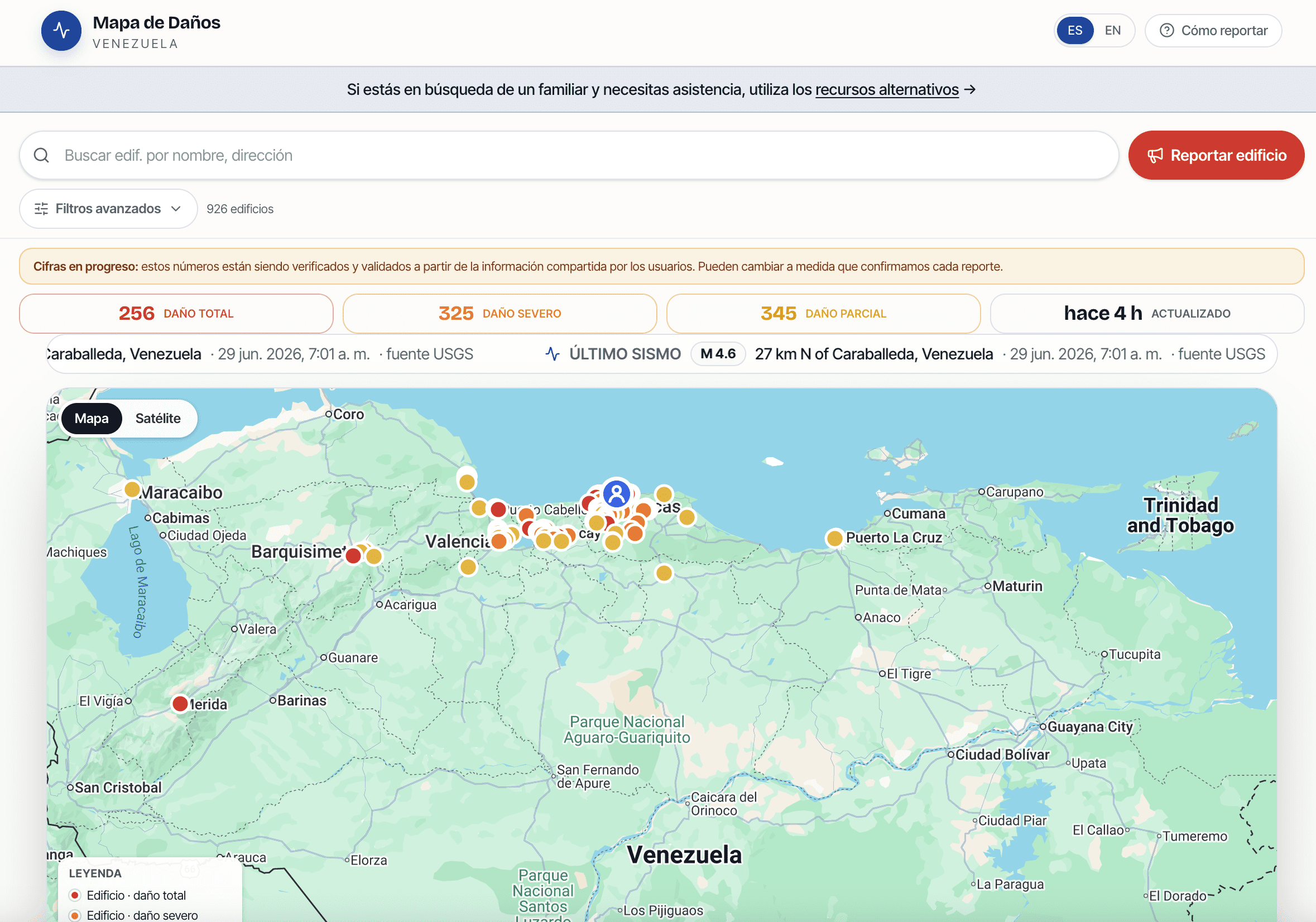
A thermoelectric recovery process is also planned, with the goal of adding 4,800 additional megawatts by the end of 2026. In this regard, it was recently reported that 300 MW were recovered at the Termocarabobo plant, following damage from the double earthquake on June 24.
With the new appointments of Juan Crisóstomo Fernández as President of Corpoelec and José Luis Betancourt as Vice Minister of Electrical Services, they hope to optimize these efforts. At the same time, constant monitoring of reservoirs and basins was announced, along with forest fire prevention plans.
On the technical front, the recent visit of experts from the United States Department of Energy (DOE) to the Guri dam on August 3 also stands out. This inspection, coordinated with local authorities, seeks to chart a path for modernizing the National Electric System (SEN) within the framework of a technical and economic reopening.
Likewise, contracts and memoranda of understanding with international companies such as General Electric and IMPSA are being maintained to strengthen the system.
Outlook and Prevention
Although some local experts suggest that the impact could be “relatively low” because Guri began the cycle with acceptable levels, the international consensus urges maximum preparation. The months from August to October will mark the beginning of the greatest thermal anomalies, extending through the first quarter of 2027.
The State’s response capacity and the “citizen awareness” requested by the Executive will be crucial to preventing the “Super Niño” from definitively turning off the lights in a country already living under rationing. Recommendations for citizens include rational water use, conscious electricity saving, health care, and environmental prevention.