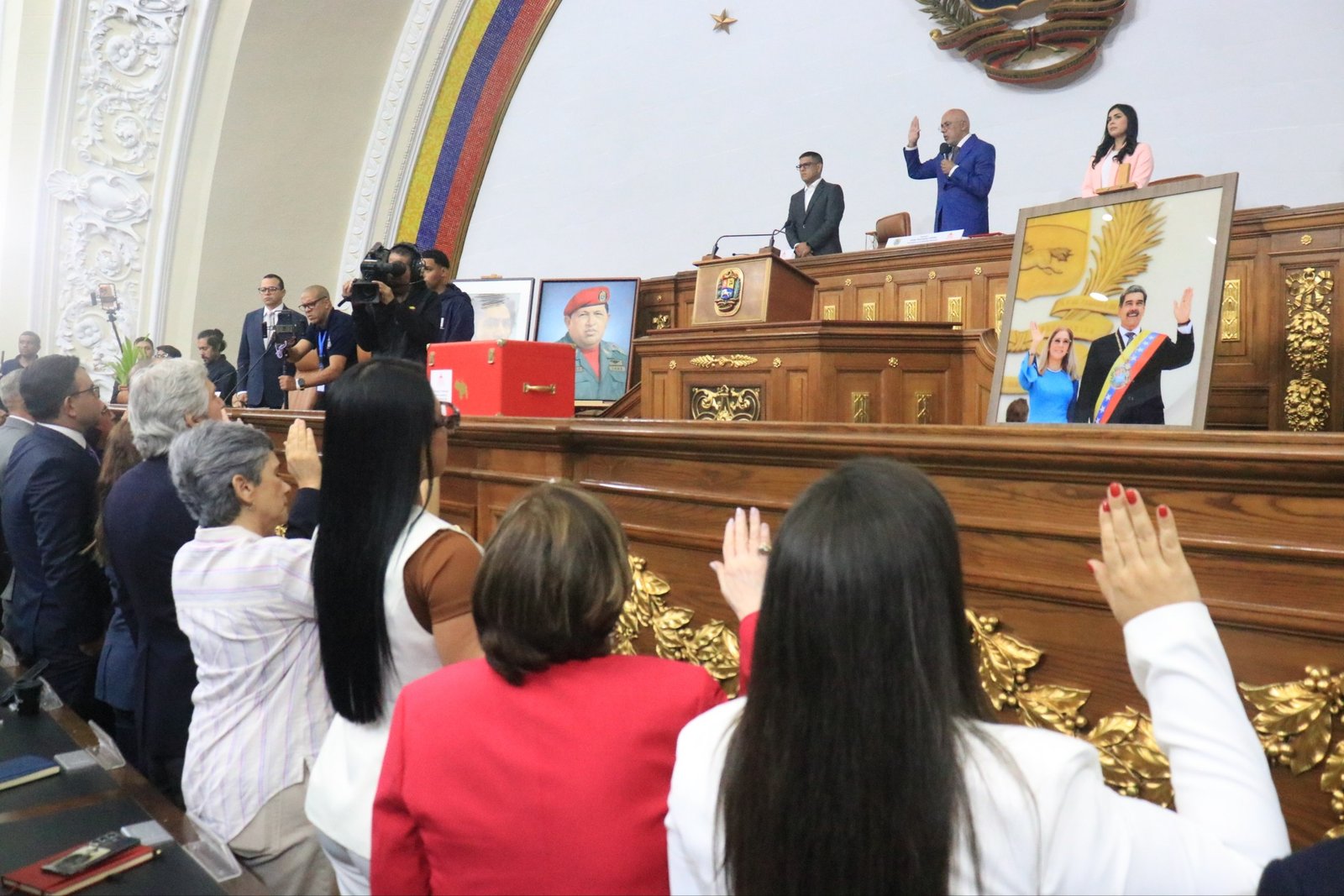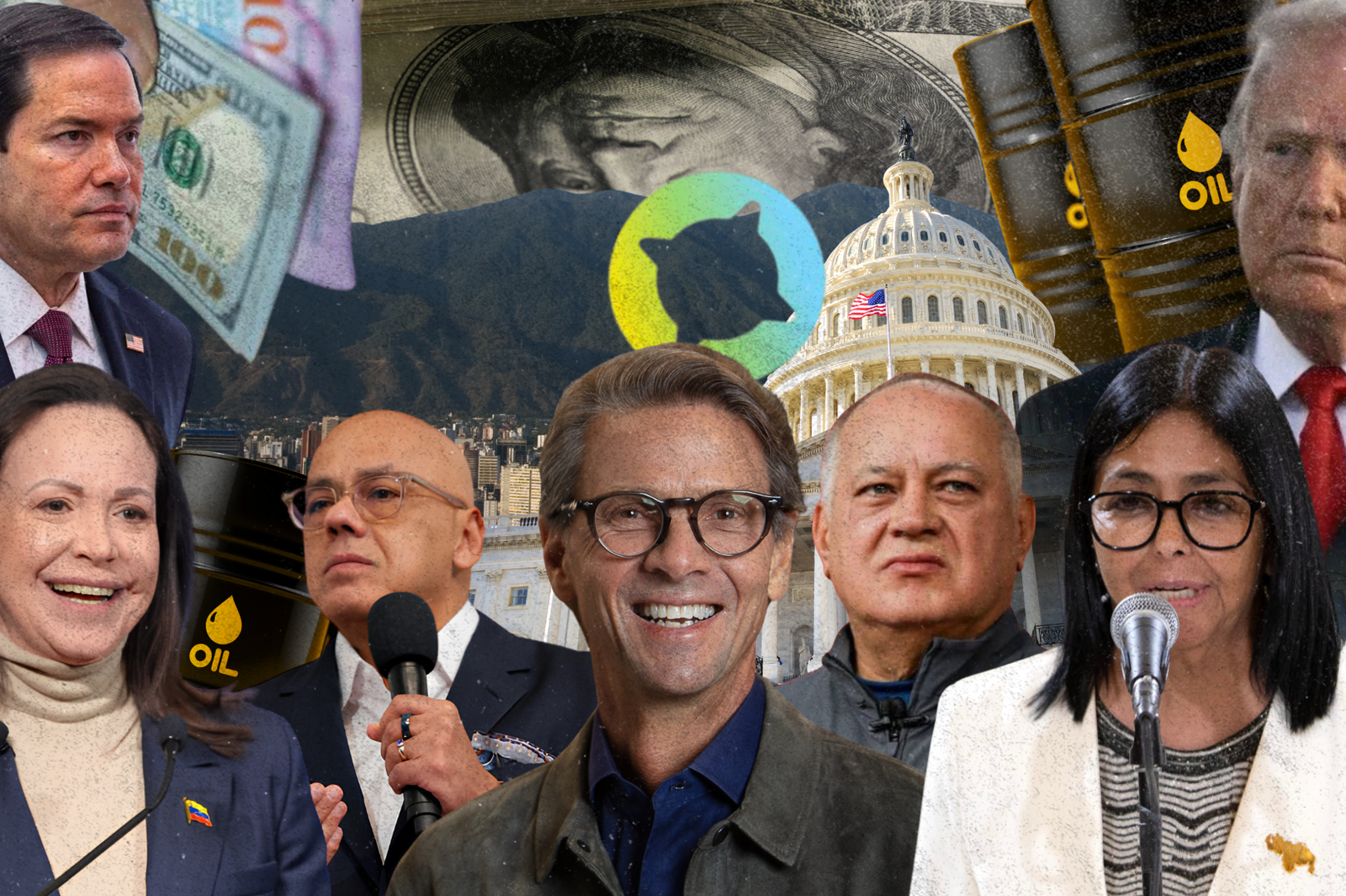
The report highlights a widespread negative perception, with corruption and the economic crisis appearing as citizens’ greatest concerns. | Image: Guacamaya.
Guacamaya, September 8, 2026. The latest installment of the Latam Pulse report by Atlas Intel and Bloomberg has once again resonated on the Venezuelan political board. But beyond the approval numbers, what is really read between the lines is a society that is processing important changes in its economy and in the discourses that, for decades, seemed immovable.
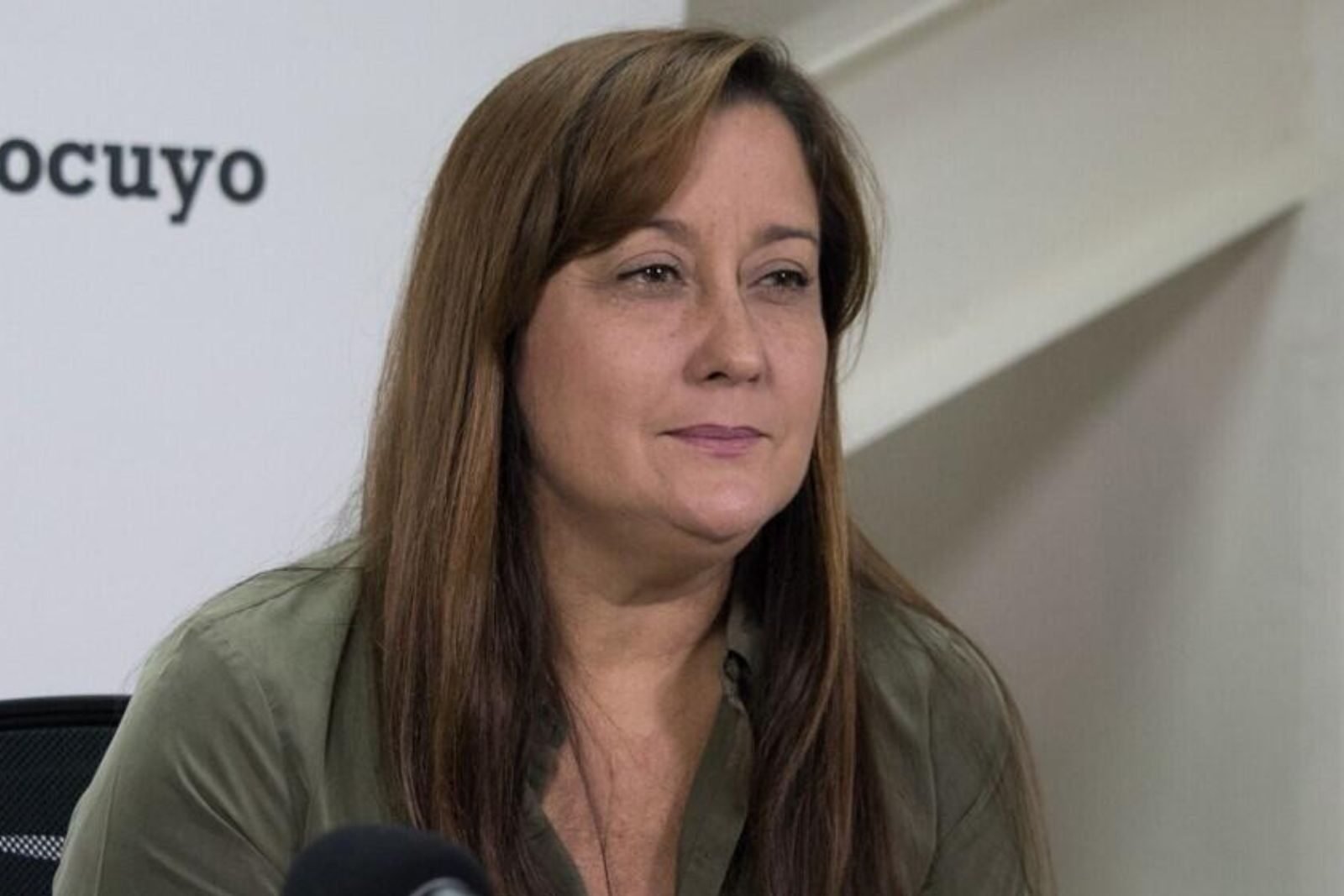
The August measurement clears up the uncertainty generated by the July data, in which María Corina Machado reached a historic ceiling of 72% positive image. The widespread analysis agrees in describing that jump of almost 20 points as a “statistical anomaly” or, to a lesser extent, as an “emotional bonus” derived from the social impact of the earthquake that occurred.
The Adjustment Regarding Machado and the Figure of an Outsider
However, the most critical data point for María Corina Machado is not her popularity, but the perception of her real capacity. The contrast between perception and reality reveals that her leadership, although majority-based in popular desire, faces questioning of her ability to exercise power against those who control the institutions.
The wear and tear on her political actions can be seen in events such as the late questioning of the ruling party to demand transparency for the oil agreement, or the uncertainty generated by her meetings with figures such as Marco Rubio and the constant rumors about her return to the country, factors that the poll does not fully capture but that weigh on the political environment.
In this scenario of fatigue, Lorenzo Mendoza reappears with a 46% positive image. His inclusion in the study, despite his political silence, suggests a latent pressure: that of being the “outsider” who could serve as a silver bridge both for an opposition with no way out and for a chavismo in need of a business face to validate economic opening in the face of the demand for elections.
On the ruling party’s side, management indicators continue to be critical. President Delcy Rodríguez faces a 60.5% disapproval rating and only 24.6% approval for her conduct of the government. In addition, 57.9% of those surveyed rate the Executive’s management as “bad or very bad.” Both Rodríguez and Nicolás Maduro maintain an identical negative image of 69%.
Pragmatism seems to have given a breather to “structural chavismo,” which now feels legitimized by negotiating on its own terms. This explains why Diosdado Cabello managed to nearly double his acceptance, jumping from 10% to 19% in a single month, and Jorge Rodríguez even tripled his, from 5% to 18%. The base seems to reward the ability to “rectify,” although the statistical bias continues to be questioned.
The Oil Effect on Distrust of Washington
Another of the most revealing findings is the division generated by the oil agreement with the United States. Under this pact, U.S. companies would have majority control of some 65,000 million barrels of our reserves. Public opinion is fractured: 37.6% express opposition and 35.4% are in favor, in a context where 32.3% admit they are not informed about the issue.
One of the most revealing findings is the division generated by the oil agreement with the United States. Under this pact, U.S. companies would have majority control of some 65,000 million barrels of our reserves. Public opinion is fractured: 37.6% express opposition and 35.4% are in favor, in a context where 32.3% admit they are not informed about the issue.
The perception that the agreement will benefit the U.S. more (50.2%) than Venezuela (9.6%) seems to have taken a toll on American figures. Donald Trump’s positive image plummeted from 51% in July to 30% in August, while Marco Rubio stagnated at 30% acceptance. Venezuelans now seem not to see what they will concretely gain from this pact.
A Surge of Chavismo: Pragmatism or Technical Error?
The problems that concern Venezuelans continue to be structural: corruption (56%), followed by poverty and unemployment (33.3%). On the economic front, 70% consider the country’s current situation bad. Although the August study focuses on the evaluation of the current situation and expectations, the noise generated by the proposal of official dollarization cannot be ignored.
Although the study does not directly address that proposal, consumer confidence data reflect significant tension: while the Expectations Index (EI) remains in positive territory at 16.6, the Current Situation Index (CSI) sinks to -41.5. The possibility of dollarization and the oil agreements seem to influence the 47% who expect an improvement in their family finances within 6 months.
The rise of this report in public opinion is undeniable, but it should be interpreted with caution. As a survey conducted through Random Digital Recruitment (Atlas RDR), the study has the advantage of anonymity, essential for overcoming fear in Venezuela. However, this method also carries biases related to connectivity and technological access that can over-represent certain urban strata.