
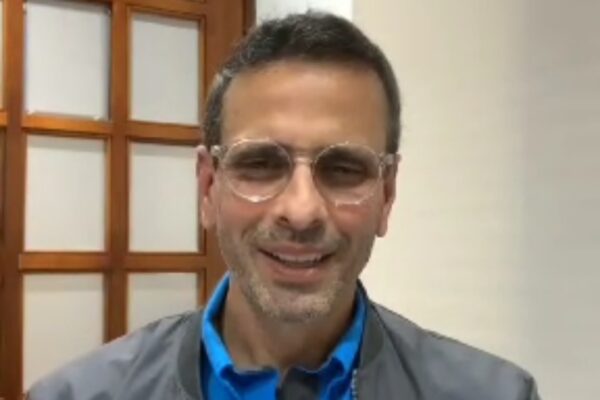
Capriles: Chevron’s Exit from Venezuela Could Open the Door to Energy Mafias
Henrique Capriles Radonski is known for his pragmatic approach, with supporters who value his experience and critics who accuse him…


Henrique Capriles Radonski is known for his pragmatic approach, with supporters who value his experience and critics who accuse him…
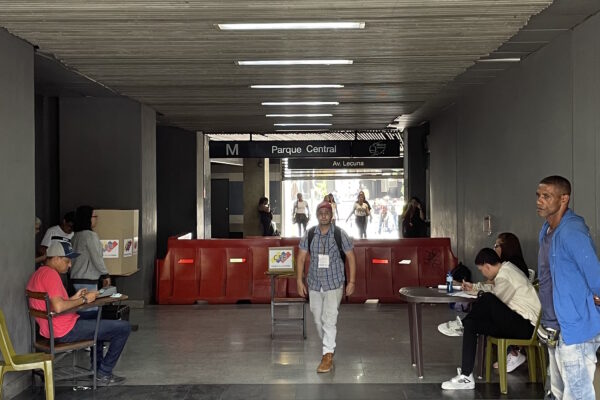
In 2025, Venezuela faces a year marked by multiple elections, including the renewal of national deputies, governors, state legislators, mayors, and councilors. This occurs in a context marked by controversies surrounding the recent presidential elections, which, following allegations of fraud, have complicated trust in the electoral system.
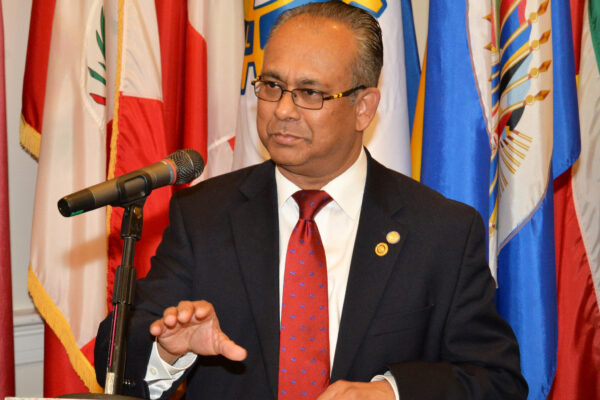
Marking a new era for the Organization of American States (OAS), Surinamese Albert Ramdin has been elected as the new Secretary General of the organization. Ramdin, who will assume the position in May, has made it clear that one of his first objectives will be to review Venezuela’s legal status within the regional body.
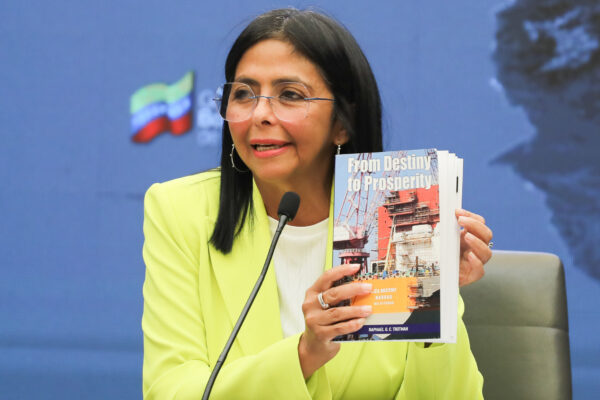
In a press statement from the Miraflores Palace, Venezuela’s Vice President Delcy Rodríguez issued a strong denunciation against the U.S. oil giant ExxonMobil, alleging that the company is behind the recent escalation of sanctions.
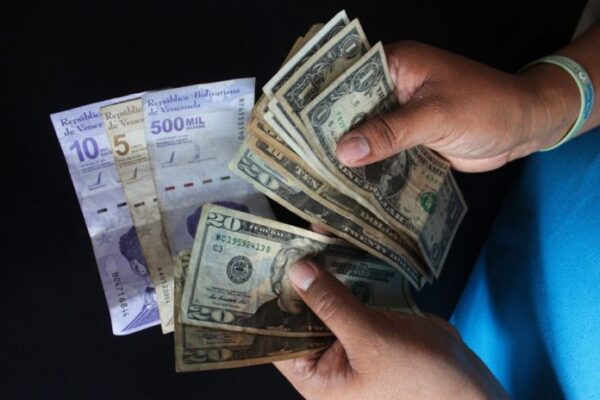
This March 15 marks three years since Venezuelan workers last saw an increase in their minimum wage. Since then, they have faced the longest period without salary adjustments in the last 27 years, amid high inflation and a deep economic crisis.
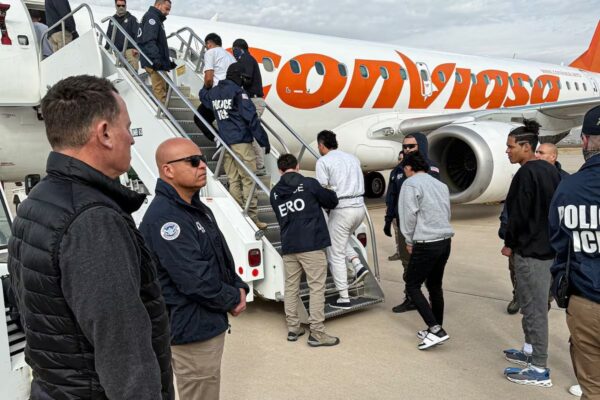
The Donald Trump administration faces a new challenge in its plans for mass deportations. The Venezuelan government has privately informed the administration that it will not accept any more returned migrants, according to a note published in The Wall Street Journal, after consulting sources familiar with the matter.
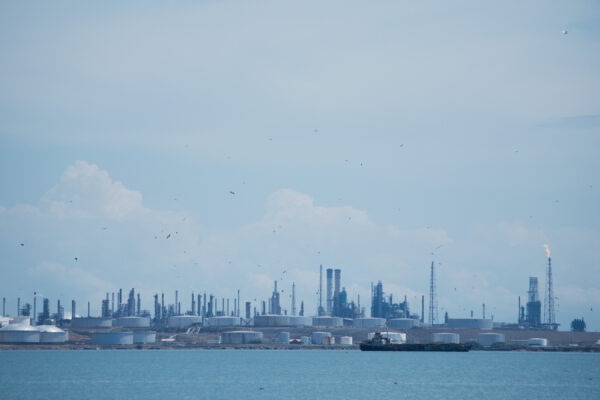
The U.S. government, led by Donald Trump, formally announced the revocation of the license allowing Chevron to operate in Venezuela. The decision, made official on March 4 and effective in 30 days, marks the end of a strategic relationship that had enabled the U.S. oil company to export over 200,000 barrels per day of Venezuelan crude.
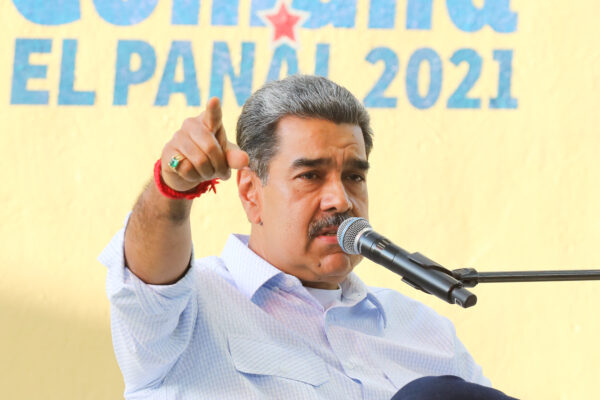
During an event commemorating the 12th anniversary of the death of President Hugo Chávez, Nicolás Maduro announced that he will take measures to stop what he called an “illegal action” by Guyana and the U.S. oil company ExxonMobil in the Essequibo region, a territory disputed between the two nations.
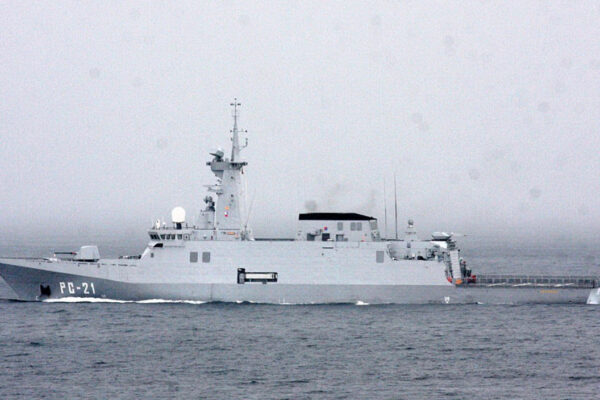
The territorial dispute between Venezuela and Guyana has reached a new critical point following a complaint by Guyanese President Irfaan Ali about the incursion of a Venezuelan military vessel into waters that Guyana considers its own. The incident has sparked a strong diplomatic reaction and reignited historical tensions between the two countries over the Esequibo territory, which is currently under dispute in a case before the International Court of Justice (ICJ).
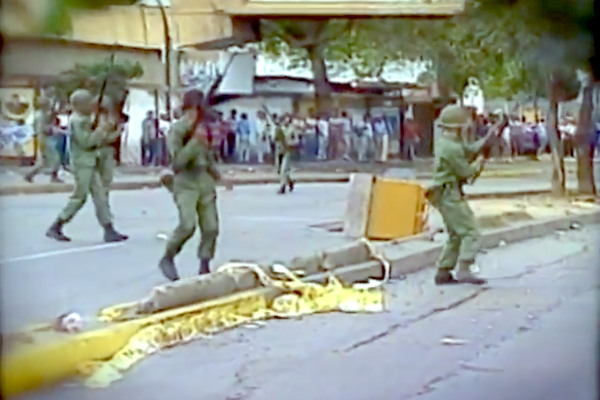
The “Caracazo” was a social uprising in Venezuela that began on February 27, 1989. The military was sent to suppress…