
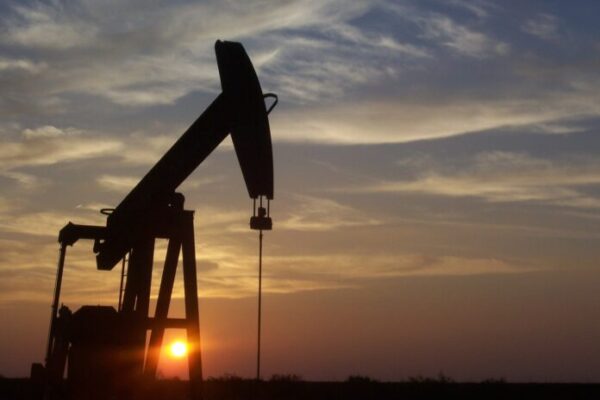
General License 52: US issues its broadest Venezuela oil authorization to date
The Trump administration issued General License 52, which authorizes virtually all transactions with PDVSA related to trading, exploration, and production.


The Trump administration issued General License 52, which authorizes virtually all transactions with PDVSA related to trading, exploration, and production.
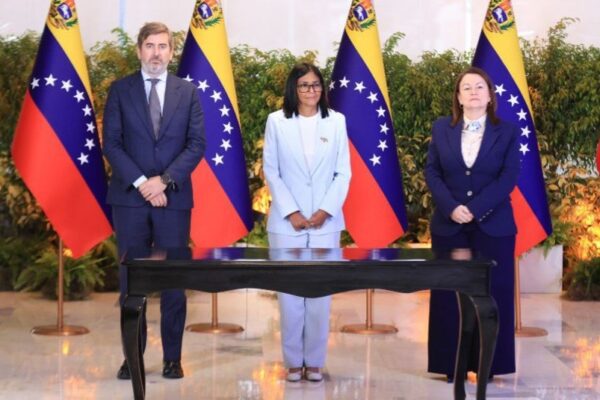
Following the partial easing of U.S. energy sanctions and the political reconfiguration that took place in January, Venezuela is beginning to receive a new wave of international investment in its hydrocarbons sector. Companies such as Chevron, Shell, Repsol and Eni are advancing agreements to expand oil and gas production in the country, while the global energy market tightens amid the crisis in the Middle East and crude prices rising above $100 per barrel.
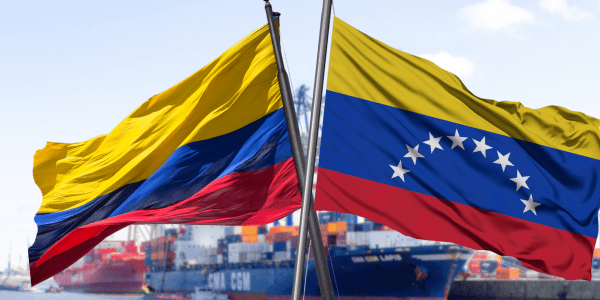
Economic relations between Venezuela and Colombia are beginning to show signs of renewed momentum amid expectations of growth and economic recovery in Venezuela. Authorities and business leaders from both countries have advanced discussions on energy cooperation, oil investment, binational transport and trade, while preparing for high-level political meetings and maintaining key regulatory decisions such as the renewal of the Monómeros license by the United States.
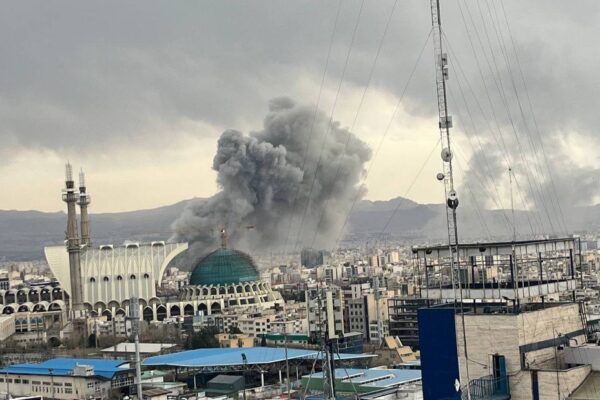
The recent escalation of tensions between the United States, Israel, and Iran threatens not only the geopolitical stability of the Middle East but also global energy markets. While oil prices have surged and maritime insurers have restricted war-risk coverage in the Persian Gulf, experts warn about the fragility of the Iranian regime and the possible scenarios following the departure of Supreme Leader Ali Khamenei. In this context, Venezuela emerges as a strategic actor capable of influencing global crude supply, in the event of prolonged disruptions in the Strait of Hormuz.
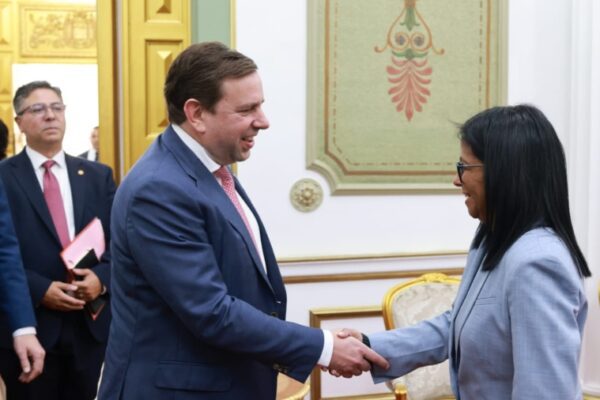
Venezuela is experiencing a rapid reconfiguration of its energy sector and international economic relations, marked by the easing of sanctions, the return of major oil companies, the review of contracts signed during years of isolation, and new negotiations with Washington and Europe.
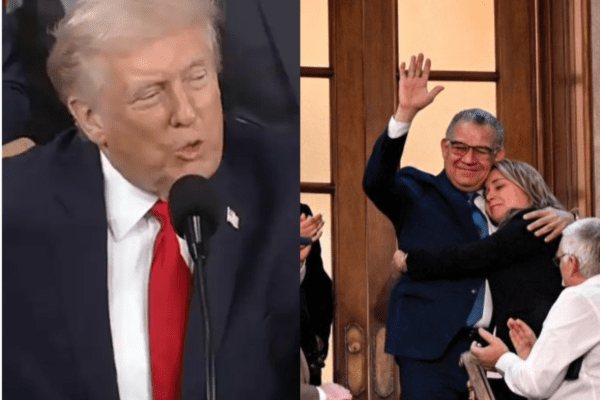
He stressed that Washington is working “very closely” with interim president Delcy Rodríguez to unlock “extraordinary economic benefits for both countries” and to bring “new hope to those who have suffered so terribly.” Central to that renewed relationship, Trump underscored, is energy cooperation. He announced that more than 80 million barrels of Venezuelan crude had recently entered the U.S. market. One of the most unexpected moments of the address came when Enrique Márquez—former presidential candidate and leader of the Centrados party—was introduced in the chamber. Márquez had spent a year imprisoned at El Helicoide, headquarters of Venezuela’s intelligence service. Trump invited him to stand and celebrate his freedom, as cameras captured an emotional embrace with his niece.
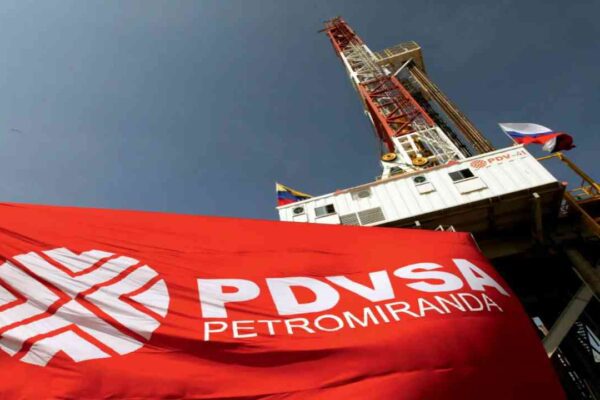
Venezuela’s oil industry is undergoing a period of reconfiguration marked by a partial increase in domestic refining, new U.S. licenses that are energizing exports and gas projects, the return of supertankers to its terminals, expectations of foreign investment, India’s presence in light of the agreement with the United States, challenges stemming from past debts, the IMF’s interest, and prospects for economic reactivation in the country’s oil-producing regions.
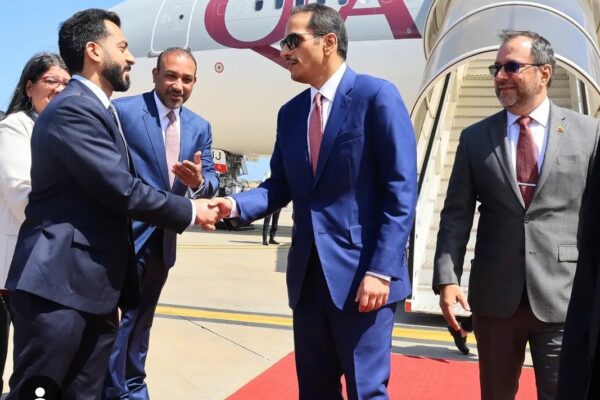
The visit of the Qatari head of government comes at a time of political and economic reconfiguration in Venezuela, with Doha consolidating its role as an intermediary between Caracas and Washington while expanding its global profile as a conflict mediator.
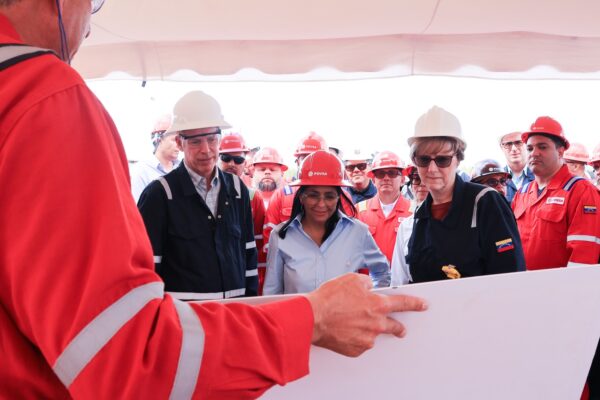
The United States Government, through the Office of Foreign Assets Control (OFAC), published a new exception to its sanctions on Venezuelan oil and gas on Friday, allowing new investments.
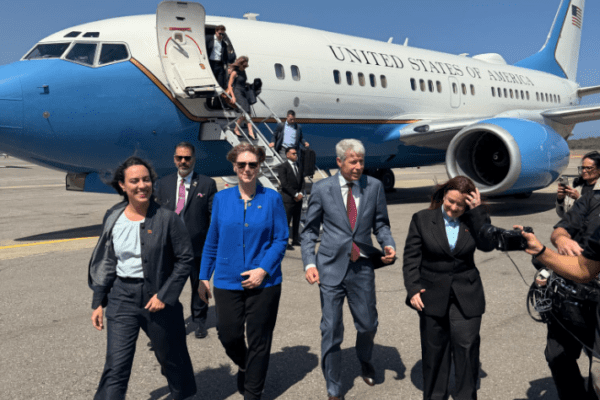
The U.S. government issued three sanctions waivers on Venezuela’s oil and transport infrastructure on Tuesday, in the wake of Energy Secretary Chris Wright’s visit to the South American country.