

Venezuela’s Oil Production Remained Stable in June, According to OPEC
Venezuela’s oil production saw a slight increase in June, according to the Organization of the Petroleum Exporting Countries’ (OPEC) monthly report.


Venezuela’s oil production saw a slight increase in June, according to the Organization of the Petroleum Exporting Countries’ (OPEC) monthly report.

Front view of the Terrorism Confinement Center (CECOT), a Salvadoran megaprison where over 200 Venezuelan migrants deported from the United States…

On Wednesday, the European Parliament greenlit the inclusion of Venezuela in the list of jurisdictions with “high risk” for money laundering and terrorist financing—a designation that requires banks and other financial entities in the European Union to apply enhanced scrutiny on transactions from the Caribbean country. The decision confirms the updated proposal presented by the European Commission on June 10, after technical consultations with the assessed states and a review of commitments made by others
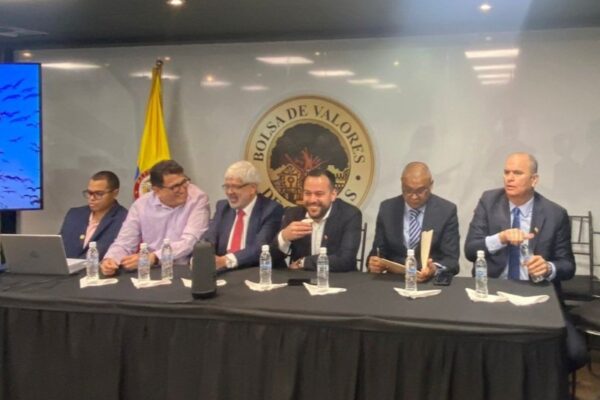
Monómeros is seen by the Colombian Government as a fundamental pillar for agricultural development, food price stability, and regional integration….

The OPEC International Seminar has established itself as the organization’s premier dialogue forum outside of technical and ministerial meetings. Held periodically in Vienna since 2001, this event brings together energy and oil ministers from member and non-member countries, executives from major oil companies, academics, analysts, and representatives of financial institutions. Its purpose is to discuss trends in the energy market, demand evolution, the energy transition, and the role of fossil fuels in a changing world. This year’s edition, the ninth, takes on special relevance amid geopolitical tensions and growing demands to reduce carbon emissions.
The license was issued by the Office of Foreign Assets Control (OFAC) of the U.S. Department of the Treasury. Guacamaya,…
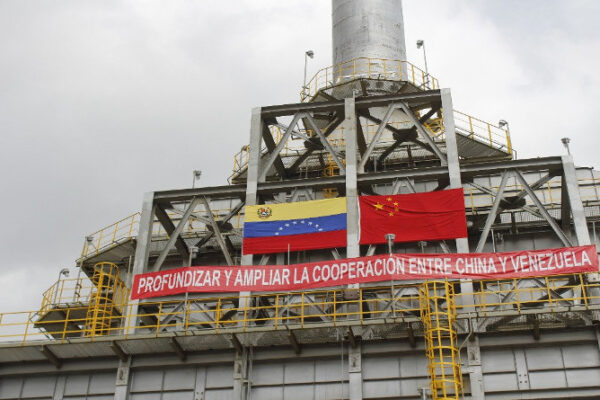
Venezuela’s oil exports rose by 8% in June, reaching an average of 844,000 barrels per day (bpd), driven by a significant increase in shipments to China. The uptick helped offset the country’s loss of access to U.S. and European markets after Washington revoked key licenses.
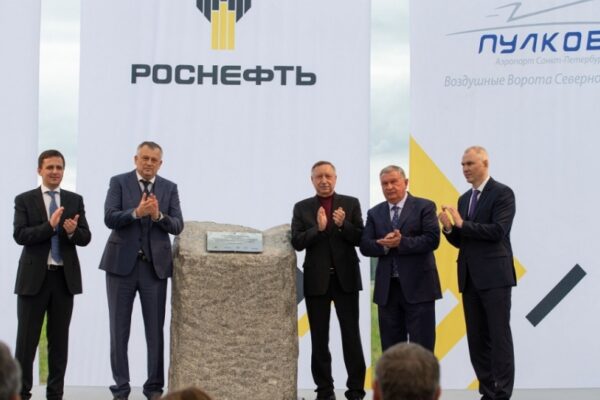
At the 28th St. Petersburg International Economic Forum, Rosneft CEO Igor Sechin delivered a speech reshaping the global narrative on energy and power. Titled *“The Global Economy’s Odyssey for the Golden Fleece,”* his address proposed a strategic vision in which Russia, Iran, and Venezuela form an indispensable axis to ensure planetary energy security.
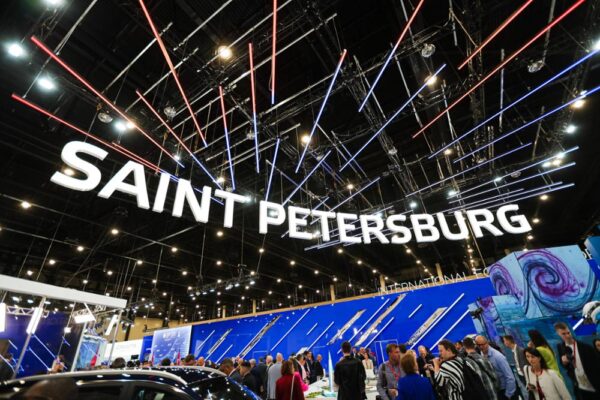
On Wednesday, the 28th edition of the St. Petersburg International Economic Forum (SPIEF) kicked off, bringing together over 20,000 delegates from 140 countries, including Venezuela, Brazil, Mexico, and Cuba. In a world marked by conflicts, sanctions, and shifting alliances, the forum has reaffirmed itself as a vital platform for Russia to pursue international cooperation, offer an economic alternative, and strengthen strategic ties with partners in the Global South to break Western efforts to isolate it. SPIEF is often described as the “Russian Davos,” that is, the Russian counterpart to the World Economic Forum held annually in Davos, Switzerland.
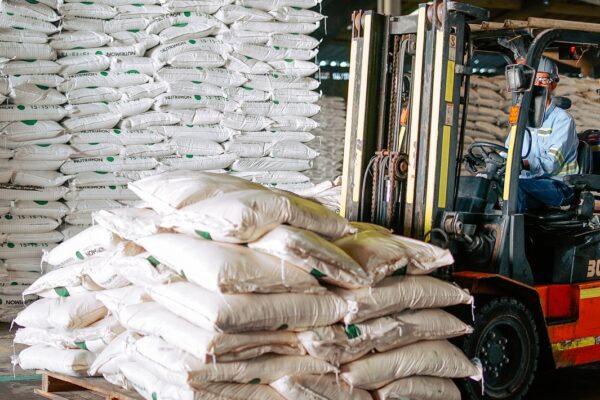
The U.S. Treasury Department does not plan to renew the license that allows Monómeros to conduct financial transactions despite sanctions.