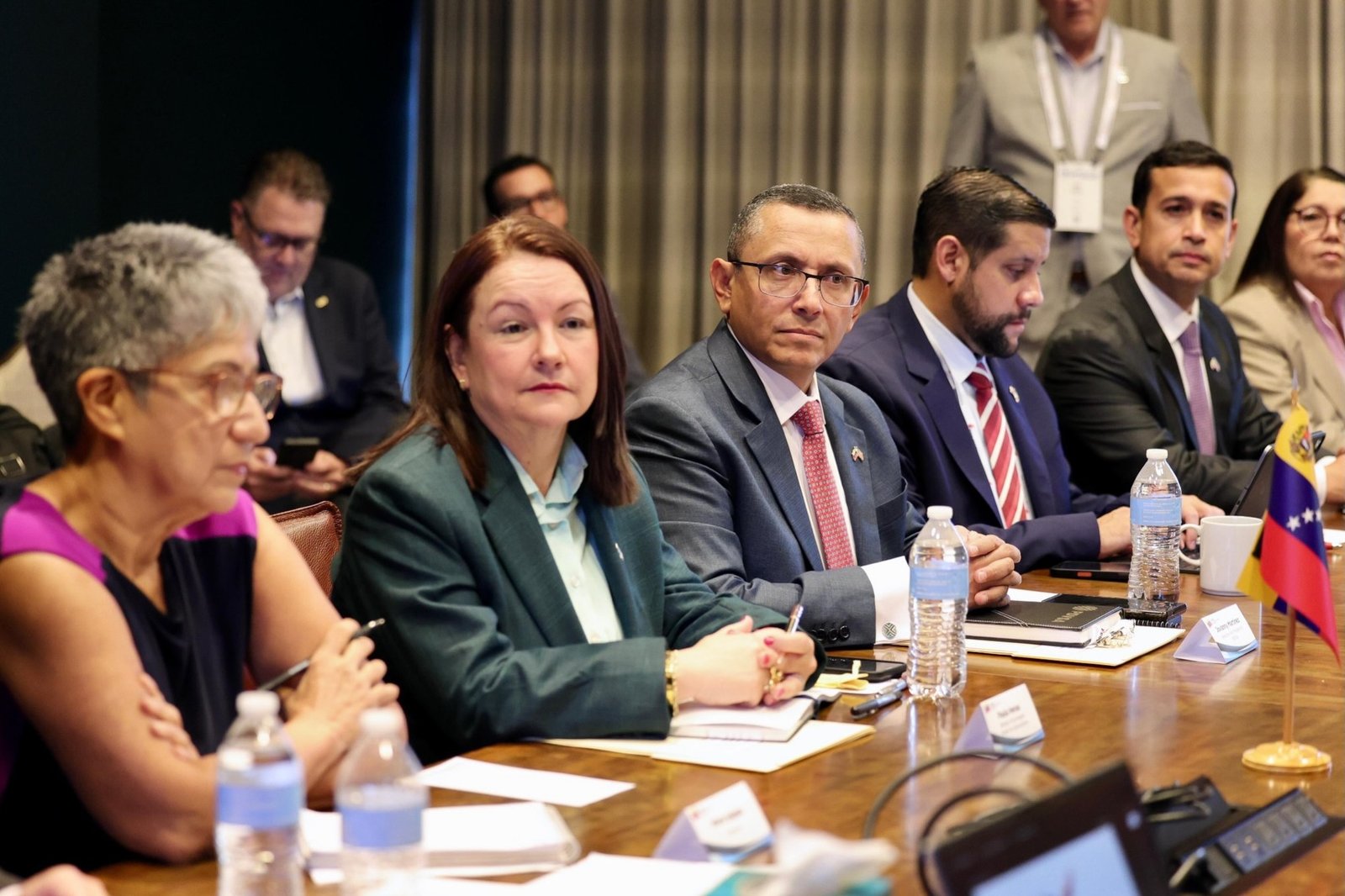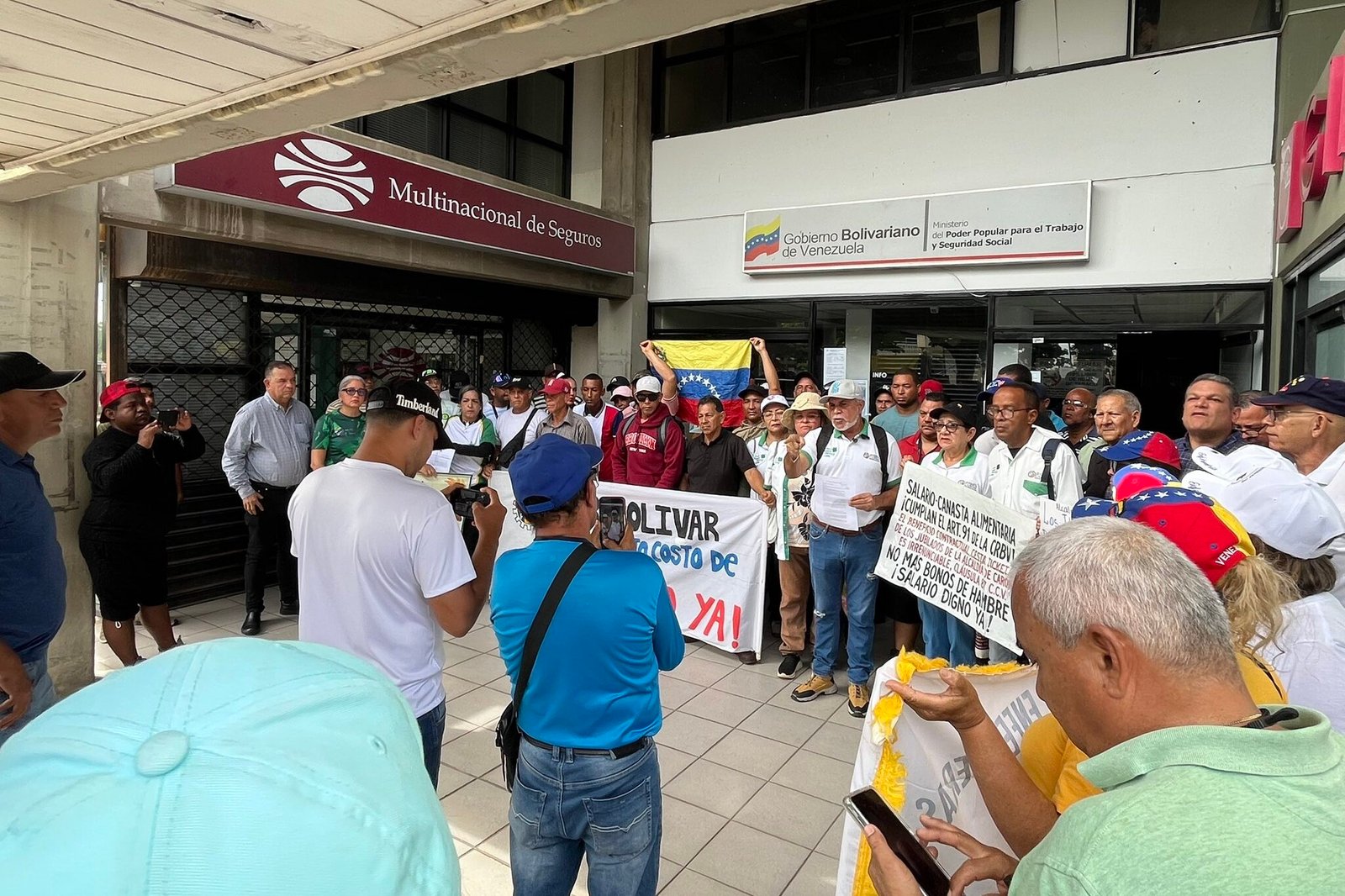
Citizen demands reflect a multidisciplinary crisis throughout the country. | Image: Provea
Guacamaya, September 24, 2026. In recent hours, a wave of demonstrations has taken over both downtown Caracas and various regions in the country’s interior. Amid power collapses of up to 16 hours, union marches that broke through police pickets, and citizen mobilizations for elections, Venezuela is experiencing its first large-scale wave of conflict over political participation since the events of January 3.
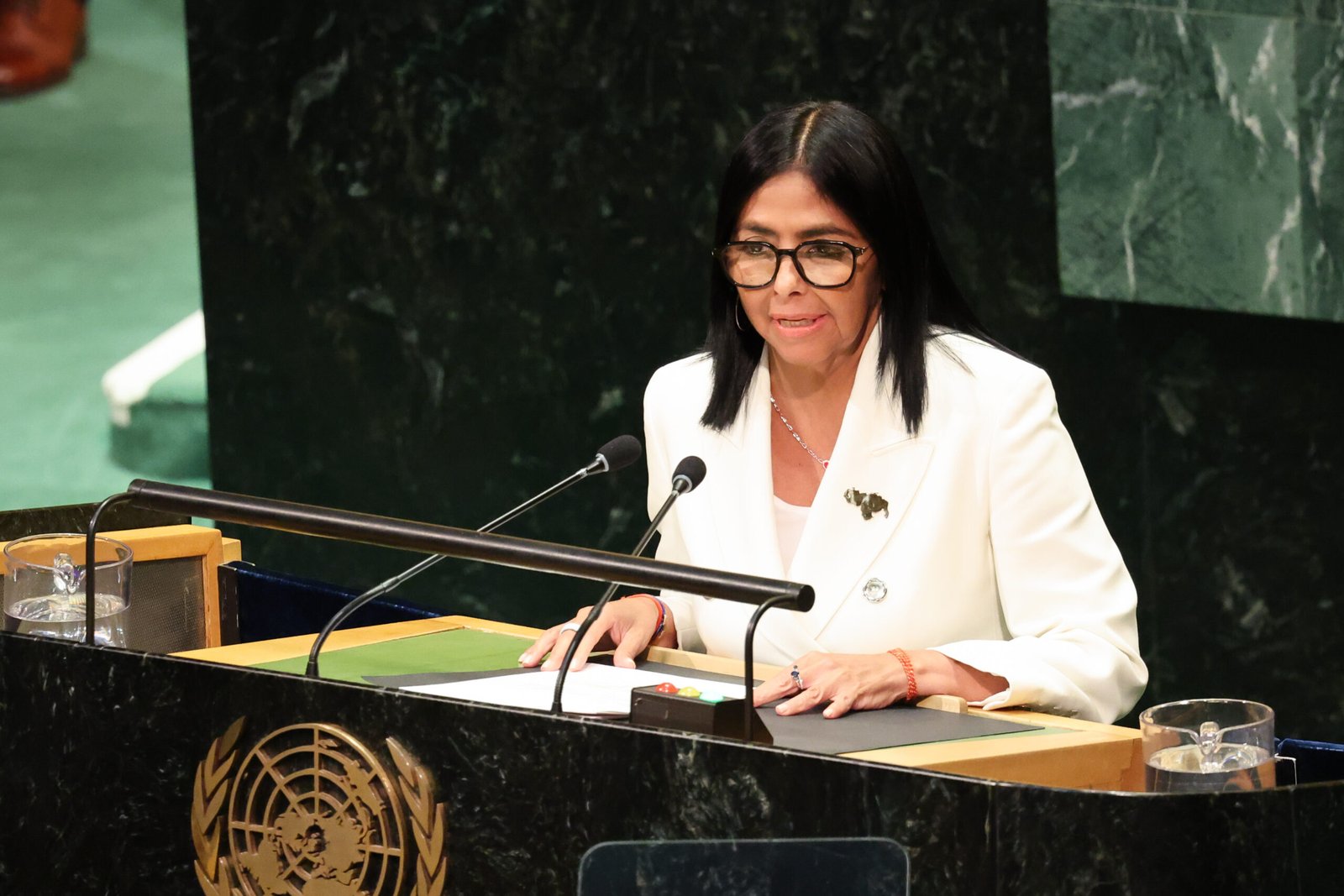
While acting President Delcy Rodríguez was giving her address before the 81st United Nations General Assembly in New York, promising that “there will be elections in Venezuela,” Venezuelan streets registered multiple flashpoints of mobilization. The lack of specificity regarding the date of the elections has fueled discontent among opposition sectors that point to a lack of representativeness.
Adding to the picture is the controversy over opposition leader María Corina Machado’s re-entry into the country. From Panama, her team reported that she has faced at least seven failed attempts to return to national territory by air and sea. Meanwhile, dialogue talks between the Executive and the delegation of the 2015 National Assembly are moving forward amid citizen skepticism.
The Electricity Crisis Sparks Pot-Banging Protests and Road Closures
The most widespread and immediate trigger of popular discontent in the provinces has been the collapse of the National Electric System. During the nights of September 22 and 23, entire communities took to the streets to protest with pots and pans, whistles, and burning tires in response to blackouts that in several areas have lasted between 8 and 16 continuous hours without information or rationing schedules.
In Portuguesa, in Páez municipality, demonstrators blocked Circunvalación Avenue. In Araure, residents of San José II, Baraure, and Prados del Sol blocked avenues after long hours without service. In Píritu (Esteller municipality) and Turén, citizens reported enduring up to three consecutive days of outages lasting more than eight hours, demanding at least a clear schedule.
In Aragua, in Maracay, residents of communities such as El Paseo, Rosario de Paya, Las Acacias, Fundación Mendoza, Río Blanco, and Fuerzas Aéreas Avenue staged pot-banging protests. In Matacaballo (Santiago Mariño municipality), residents took to the streets to demand the restoration of service.
In Guárico, in Las Garcitas (Valle de la Pascua), residents blocked roads and burned tires to demand the replacement of a transformer that had been out of service for a week. Similar reports of outages exceeding 12 hours per day were recorded in Zaraza, Calabozo, Camaguán, and Tucupido.
In Nueva Esparta, in Porlamar, public sector workers and health and education unions (such as the National Single Union of Public Employees in the Health Sector and the Unitary Union of Teachers of Nueva Esparta) denounced the inoperability of outpatient clinics due to lack of water and electricity, as well as teachers’ inability to cover transportation costs.
In other regions such as Anzoátegui, Carabobo, and Zulia, protests also occurred. In Barcelona (Anzoátegui), citizens protested against supply failures in the presence of security officers. In Guacara (Carabobo), road closures and burning of objects were reported, while in Maracaibo and parts of Zulia, rationing kept social tension at critical levels.
The Demand for María Corina’s Return and Elections
On the political front, the demand for democratic participation translated into street mobilizations organized by sectors linked to the Comando Con Venezuela and Vente Venezuela. In Caracas, the march started from Plaza Venezuela and advanced toward the headquarters of the National Electoral Council (CNE) and sections of the Gran Cacique Guaicaipuro highway, in front of the Central University of Venezuela (UCV).
Among banners and flags, demonstrators chanted slogans such as “María Corina, come, we’re waiting for you!” and “Elections now!” even under heavy rains that lashed the capital. Former deputy Williams Dávila, speaking from the mobilization, expressed: “Preventing a Venezuelan from entering their country only happens in dictatorships.”
Meanwhile, the national youth coordinator of Vente Venezuela, Carlos Fernández, explained what has driven supporters of the political movement to demonstrate. “We are waiting here in Venezuela. The country is deployed. We have ignited the entire country because María Corina has a country deployed,” the political leader asserted.
The protests also had replicas in other parts of the country, such as Maiquetía, in La Guaira, where UCV students protested at the Simón Bolívar International Airport terminal to demand Machado’s free transit. Likewise, at the CNE regional headquarters in Maracaibo, Zulia, to request the opening of the Electoral Registry for young people and the publication of the election calendar.
The vice president of the Federation of University Centers of the UCV (FCU-UCV), Rosa Cucunuba, also a youth leader of Vente Venezuela, stated from Maiquetía: “We demand the safe return of María Corina Machado to Venezuela without threats, without restrictions, and without intimidation.” Miguelángel Suárez, president of the student body, was also present at the event.
The Labor March and the Clash with the PNB
Simultaneously with the political agenda, the social and union protest had its own epicenter in downtown Caracas. Convened by the Venezuelan Federation of Teachers (FVM), the Federation of Associations of University Professors of Venezuela (Fapuv), and union confederations such as the Unitary Central of Workers of Venezuela (CUTV), hundreds of teachers, university workers, retirees, and pensioners gathered at Parque Carabobo.
Despite the presence of the Bolivarian National Intelligence Service (Sebin) and a picket of the Bolivarian National Police (PNB) near the Ministry of Labor, demonstrators marched along Avenida Este 6 — at the height of the National Assembly headquarters in Pajaritos — and managed to break through the police barrier to enter Plaza Caracas.
Demonstrators complained that the minimum wage has remained frozen at 130 bolívares since March 2022 and rejected the bonus policy that destroys collective bargaining agreements through the Instructive of the National Budget Office (Onapre) and Memorandum 2792. At the same time, workers’ marches were replicated in at least 16 states across the country.
The general secretary of the Venezuelan Federation of Teachers (FVM), Leyla Escobar, demanded that “a bonus is not a salary” as part of her demand for a “fair and dignified” salary for all workers. Meanwhile, the general secretary of the UCV, Pedro Eusse, joined the questioning of salary by bonuses and demanded the restoration of contractual rights.
For his part, Gregorio Afonso, president of APUCV, exclaimed: “It is not possible that new investments are announced every day, and the beneficiaries are everyone except those who generate value for society, who are the workers.” All of this in the face of the country’s new reality and the opening toward the international market.
Human Rights NGOs Spoke Out
The Venezuelan Program of Education-Action in Human Rights (Provea) denounced through X the harsh reality of the labor sector: “Since March 2022, the amount of salaries and pensions has remained frozen, while an aggressive income bonus policy has been imposed and the institutional framework of collective bargaining agreements has been demolished.”
On the other hand, Un Mundo Sin Mordaza issued an alert about the electricity crisis and denounced that in various areas people go more than 17 hours without electricity. Regarding the political protests, it stated that the mobilizations recorded in the capital “mark a demand for the immediate setting of a schedule for free, transparent, and competitive presidential elections, articulated under the political leadership of opposition leader María Corina Machado.”
The X-Ray of the Conflict in Venezuela
Figures from independent organizations confirm a marked escalation in social conflict.
According to the report of the Venezuelan Observatory of Social Conflict (OVCS), in August 2026, 652 protests were documented, representing an average of 21 demonstrations per day; a figure that nearly quadruples the 168 protests recorded in August 2025 and represents a 28.1% increase compared to July 2026.
Of the demands, 77% (501 protests) corresponded to Economic, Social, Cultural, and Environmental Rights (Desca), driven by the collapse of public services (electricity and water) and wage demands.
In its preliminary balance of September 24, the OVCS counted 29 protests in 17 states of the country (Anzoátegui, Aragua, Carabobo, Cojedes, Capital District, Falcón, Guárico, La Guaira, Lara, Mérida, Miranda, Nueva Esparta, Portuguesa, Sucre, Táchira, Trujillo, Yaracuy, and Zulia), which encompassed demands for political participation, labor claims, water, housing, and the release of imprisoned persons.
An Alternative That Becomes Part of the Board
The protests point to a scenario of deep polarization and structural wear. What was seen between September 22 and 24 is not an isolated manifestation, but the convergence of three simultaneous crises that feed popular discontent: the collapse of essential public services, the collapse of the purchasing power of the working class, and the paralysis of the democratic calendar.
On one hand, the strategy of the acting Executive of seeking diplomatic legitimization in New York and attempting to supplement wages with bonuses proves insufficient in the face of a population in the interior suffering blackouts of up to 16 hours. On the other, the frustrated return of María Corina Machado and the lack of a certain date for the elections have transformed the demand for political participation.
While the official discourse attempts to project institutional normalization, the simultaneous reactivation of unions and communities demonstrates that social tranquility cannot be decreed. Without a transparent electoral schedule and without responses to basic services, the street could be a timely scenario for citizen articulation in the country.