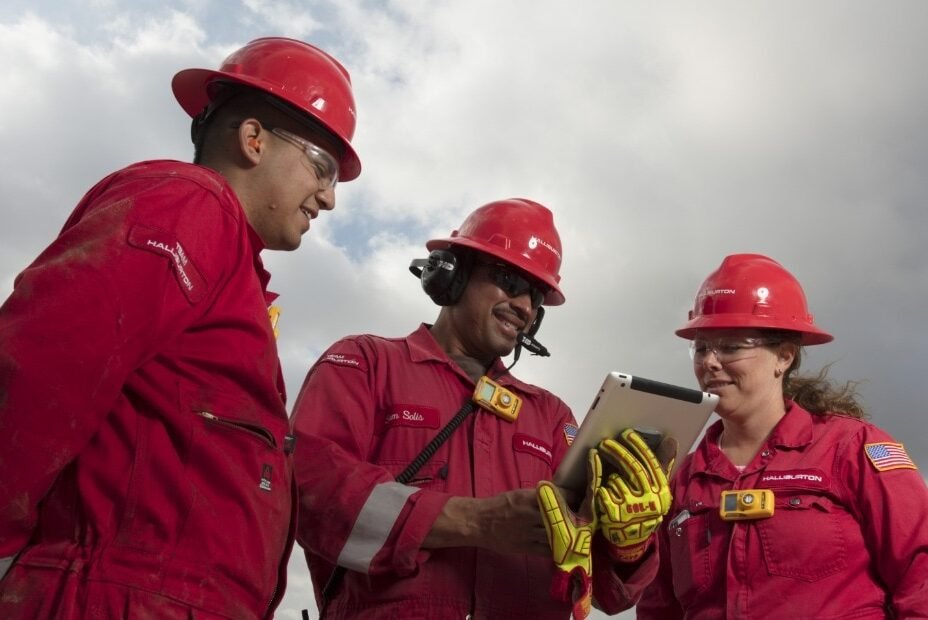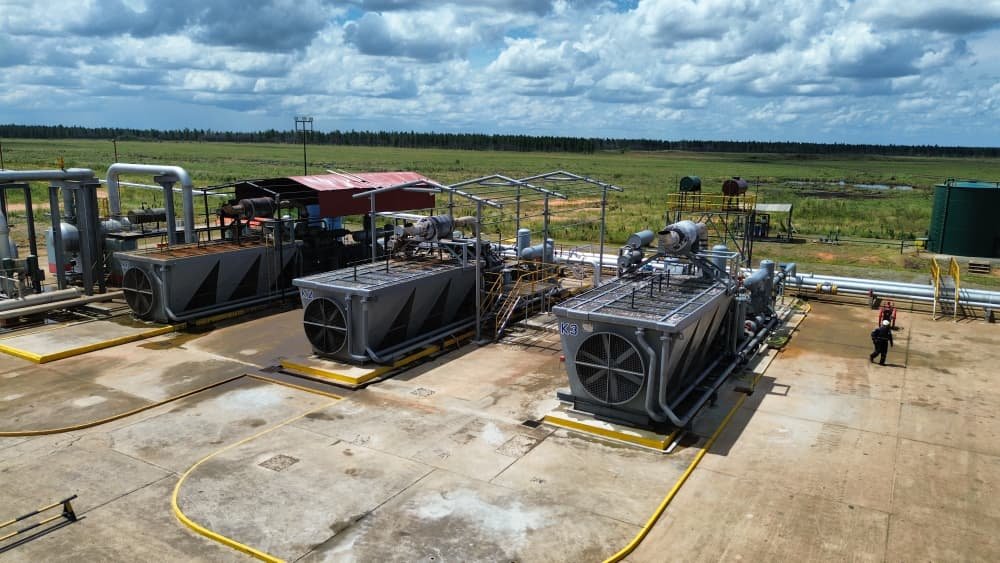
Aldyl Energía has recently undertaken a campaign to reactivate and drill wells in the Morichal Pesado field, with the intention of quadrupling its production. Photograph: Aldyl Energía.
Guacamaya, September 25, 2026. The Argentine-capital company Aldyl Energía announced the beginning of its well recovery program through artificial gas lift in the Morichal Pesado field.
The implication is that it is therefore leaving behind the technique that uses progressive cavity pumps (PCP), employed in 98% of the wells in the Orinoco Oil Belt, as part of its ambitious well reactivation and drilling campaign.
In July, Aldyl had begun importing drilling rigs and other equipment with an investment of $20 million, seeking to quadruple Morichal Pesado’s production by the end of 2027, reaching 80,000 barrels per day.
The system that will be used, known in the industry by its English name gas lift, consists of injecting compressed gas into the well to reduce the density of the fluid column and, with it, the hydrostatic pressure that the reservoir must overcome for the well to flow. This allows the recovery or increase of production from wells that have lost the capacity to produce naturally.
The gas associated with oil production is usually used, which in the region can be around 30% of a reservoir’s hydrocarbons. Currently, in Venezuela only 0.57% of national production is reinjected, while 42% is lost through flaring and venting.
Roy Luck is an Energy Geoscience Consultant and Principal at APEX Subsurface Consulting LLC based in Houston, Texas. He argues that “PCP is the most cost-effective option to lift large volumes of heavy and viscous mixed with abrasive sand,” as we can find in the Orinoco Belt. However, there are other factors that can make gas lift more attractive in some cases.
“Gas lift is an older and simpler artificial lift solution. It has no moving parts downhole. PCP has a higher lift efficiency than gas lift, but it is a higher-cost option with well interventions and workovers required to repair PCP pumps and helical rotors. Locally-available gas can also improve the economic attractiveness of gas lift,” says Luck.
Aldyl’s well recovery campaign
In a press release, the company explained that it is currently installing its fifth gas lift compression unit, while it has four other units being modified in its Houston workshops.
Adlyl’s campaign contemplates the reactivation of 476 wells and the drilling of another 79, after an investment of $20 million to import drilling rigs, which began arriving at the port of Guanta starting in July.
Aldyl Energía entered the Morichal Pesado field, in Monagas, in 2022 as a service provider. In April 2025, it took over the comprehensive operation of the field under a Productive Hydrocarbon Participation Contract (CPPH).
The company also explained that it managed to increase production from 700 barrels per day when it took over operations to 14,655 barrels per day in August 2026. Aldyl has set out to reach a capacity of 80,000 barrels per day by the end of 2027.
Aldyl’s investments to increase oil production are part of a broader phenomenon with the opening of the industry, following the reform of the Hydrocarbons Law on January 29.
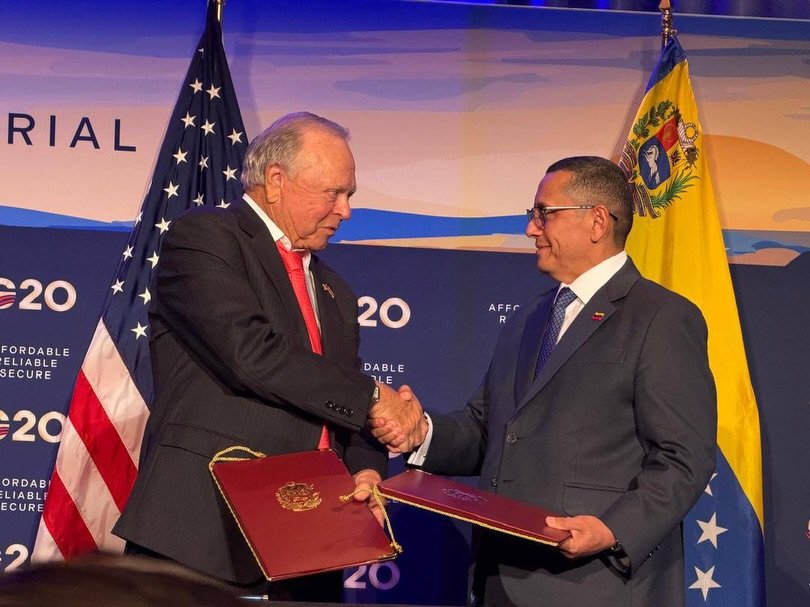
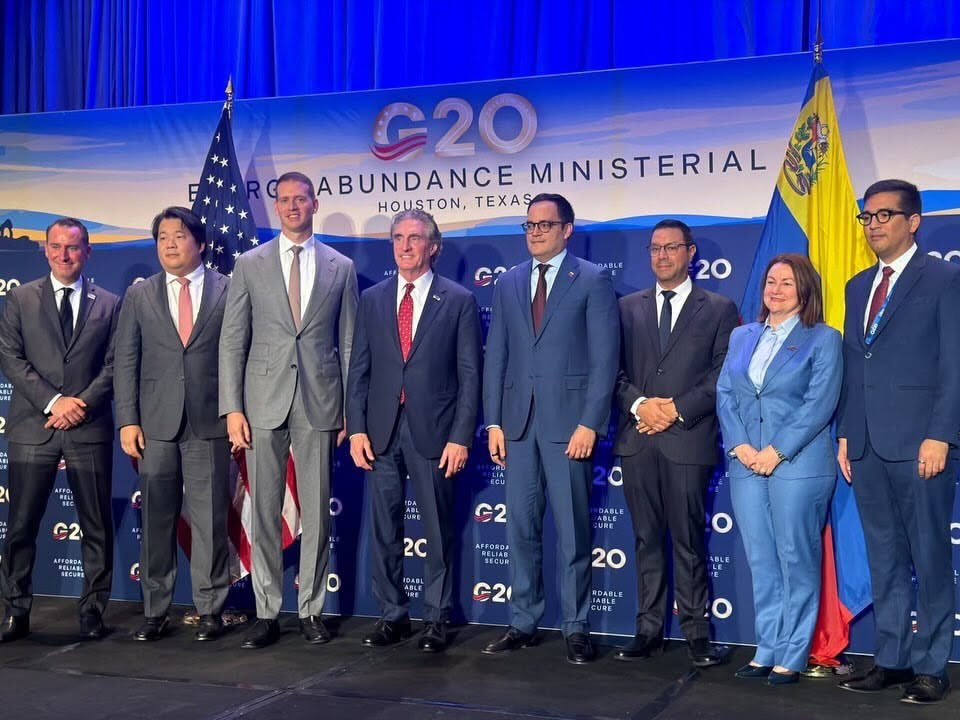
Corporations already present in Venezuela, such as Chevron, Eni and ONGC Videsh, are expanding their operations, while the Government has signed new agreements with a long list of companies, including BP, Shell, Continental Strategies, Hunt Oil and GeoPark.