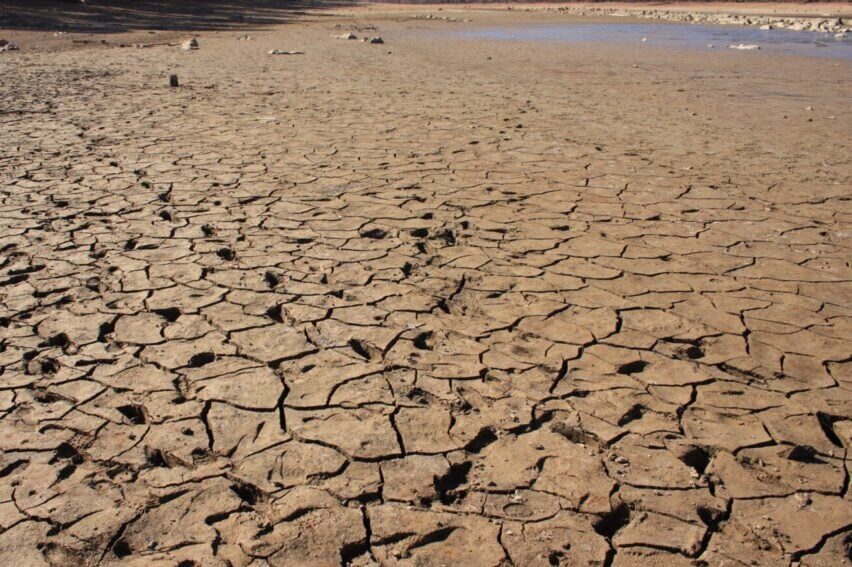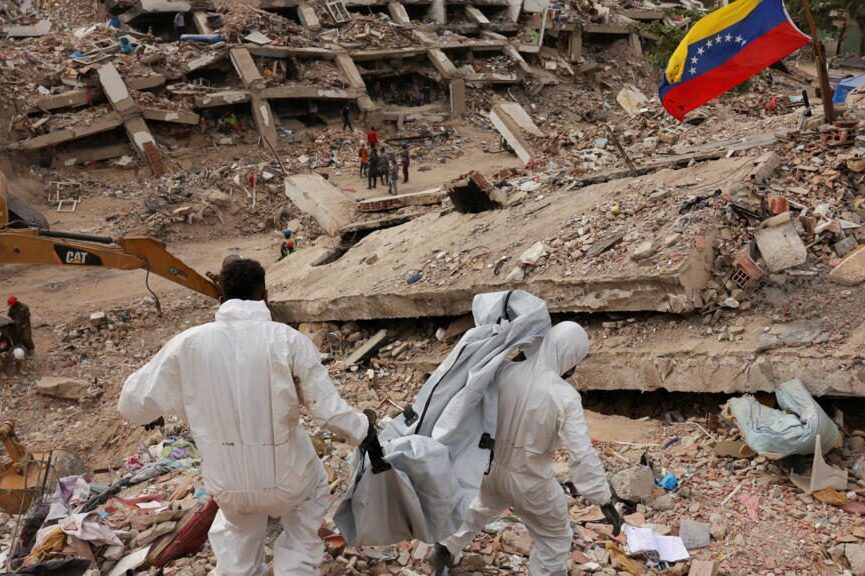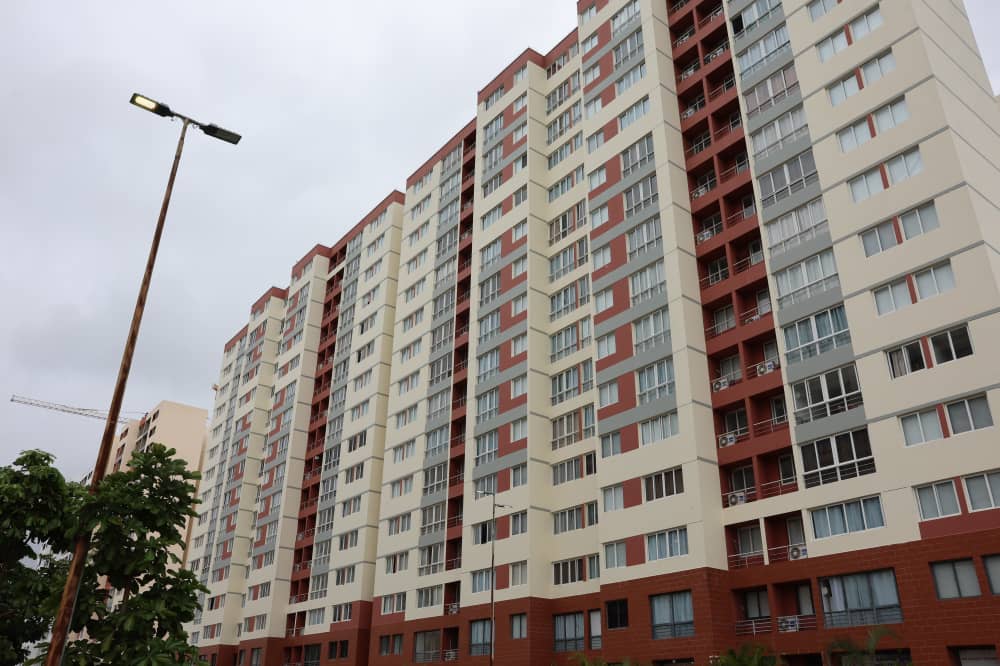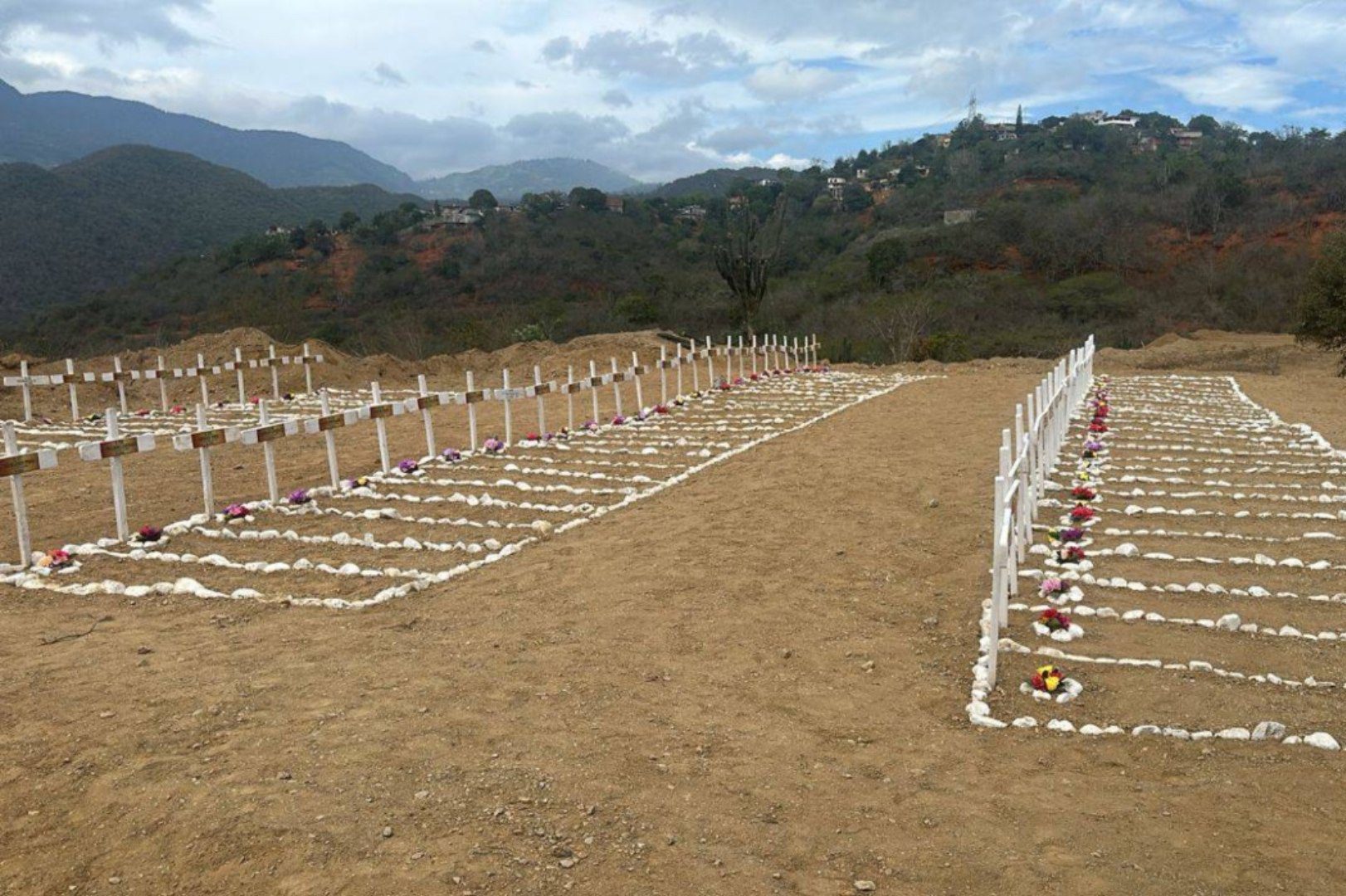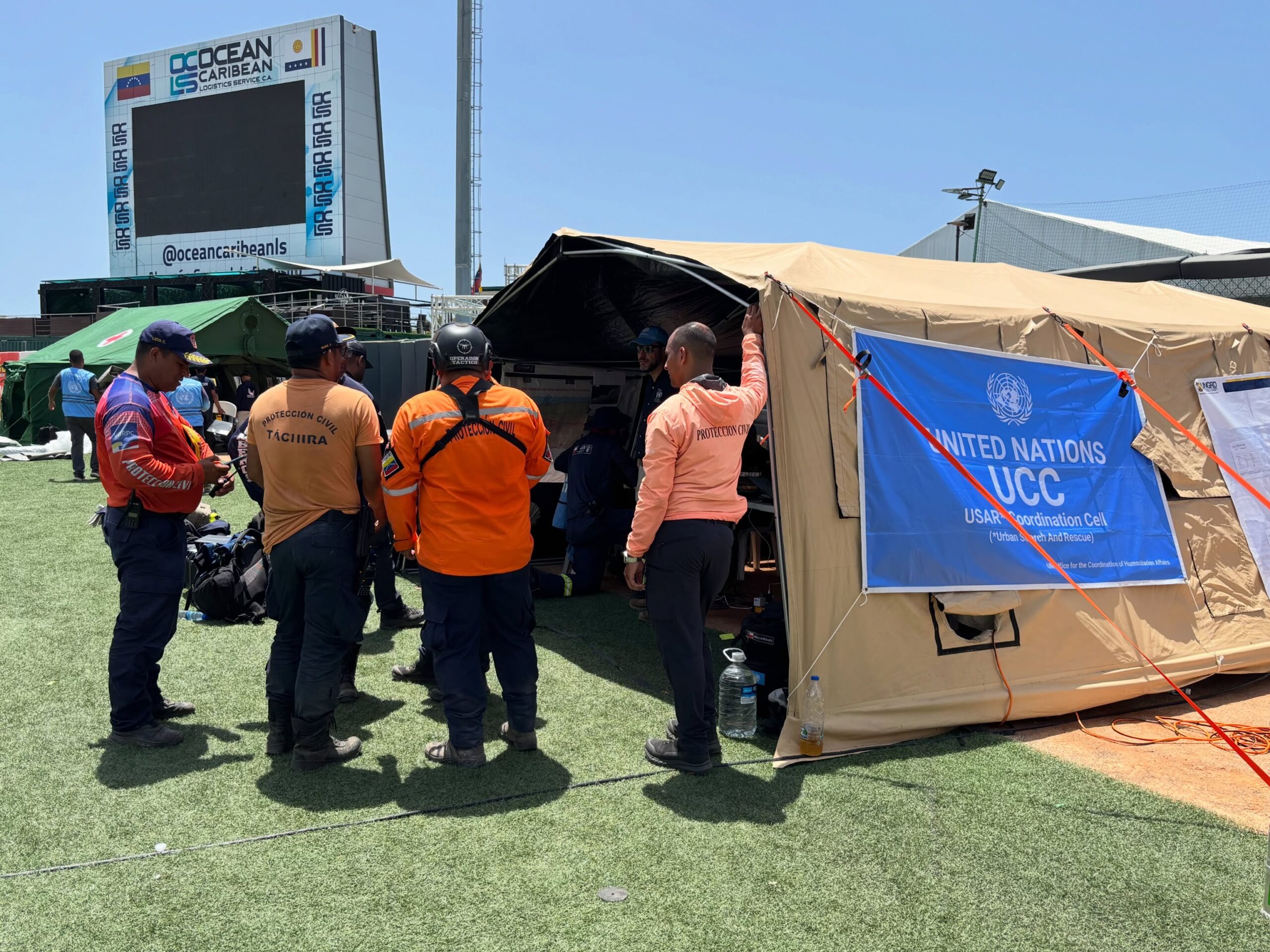
The United Nations team has set up a coordination camp with other humanitarian actors at the José Luis García Carneiro Stadium in La Guaira, the area most affected by the earthquakes. Photo: Instagram / @ocha_venezuela.
Guacamaya, July 1, 2026. The response of the United Nations system to the earthquakes of June 24 in Venezuela has become one of the largest humanitarian operations deployed in the country in recent years.
While UN agencies are distributing food, shelter, medical care, drinking water, and protection to thousands of people, they all agree on the same message: available resources will not be sufficient if the international community and donors do not increase their support.
After years of chronically underfunded humanitarian response in Venezuela, agencies warn that recovery will depend on how quickly new funds are mobilized.
An emergency that demands more resources
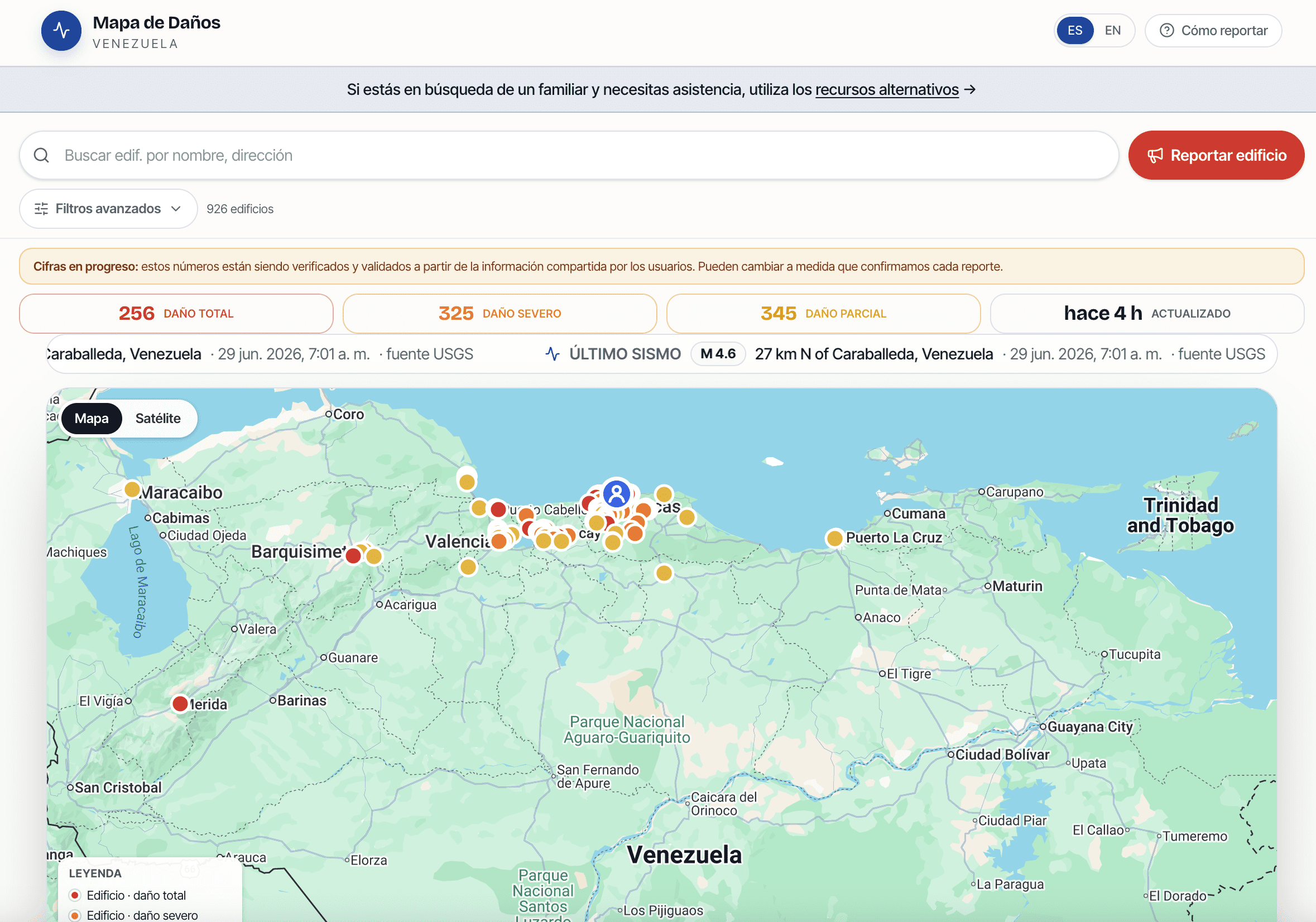
The earthquakes left a toll of at least 2,295 dead, 11,267 injured, and 15,866 affected people, according to official figures as of July 1, in addition to the collapse or damage of hundreds of buildings.
Although United Nations agencies already had humanitarian operations in Venezuela before the disaster, the magnitude of the emergency forced them to rapidly scale up their capacities. However, this expansion faces an obstacle: lack of funding.
In recent years, UN humanitarian response plans for Venezuela have received only a portion of the funds requested, which has forced prioritization of interventions and reduction of programs. Now, in the face of a large-scale catastrophe, needs far exceed available resources.
OCHA and the Humanitarian Fund for Venezuela: coordination and immediate financing
The United Nations Office for the Coordination of Humanitarian Affairs (OCHA) mobilized $15 million from the Central Emergency Response Fund (CERF) to finance immediate assistance in health, shelter, food, and drinking water.
In addition to coordinating the international response, OCHA facilitates the deployment of specialized teams, information sharing, and the arrival of international aid.
The Humanitarian Fund for Venezuela constitutes one of the main mechanisms for channeling donations. Resources are distributed among humanitarian organizations working directly in affected communities, allowing aid to arrive quickly and in a coordinated manner.
Those wishing to make bank transfers can contact the fund via email at crisisrelief@un.org.
WFP: food for half a million people
The World Food Programme (WFP) activated a large-scale emergency operation through multiservice centers and distribution of food rations in La Guaira.
It is currently assisting around 1,200 people, but its goal is to reach 500,000 beneficiaries over the coming months. To achieve this, it needs $50 million.
The agency is also working on rehabilitating damaged logistics routes and warehouses to ensure food reaches isolated communities.
The program’s director warned that the destruction of markets, homes, and livelihoods worsens a food situation that was already fragile before the earthquakes due to high prices and economic difficulties.
UNICEF: protecting children
UNICEF focuses its response on girls, boys, and adolescents. The organization distributes drinking water, essential supplies, medical care, safe spaces for children, and psychosocial support, in addition to reinforcing educational services.
Within Venezuela, donations can be made in bolívars via bank transfer to Banco Provincial BBVA.
Likewise, the Central American bank BAC has enabled a fundraising campaign, through its platform Yo me uno, to support UNICEF programs aimed at nutrition, health, education, and child protection.
UNHCR: shelter and protection for families
The UN Refugee Agency (UNHCR) deployed tents, mattresses, blankets, solar lamps, and other essential items for families who lost their homes.
Rapid assessments conducted in five states show the severity of the situation: 75% of communities reported injured people, 56% reported deaths, 39% of displaced persons are sleeping on streets or in public spaces, and 17% reported the presence of children separated from their families.
UNHCR is also leading actions to prevent family separation, protect children and vulnerable people, and strengthen registration systems for affected persons.
The agency estimates it needs $14.85 million to assist 30,000 people over the next six months.
UNDP: beginning recovery and reconstruction
While the emergency continues, the United Nations Development Programme (UNDP) is working on the recovery phase.
A preliminary assessment estimates that the earthquakes generated approximately 1.2 million tons of debris in La Guaira alone.
The agency is using satellite imagery, artificial intelligence, and engineering analysis to plan debris removal, restore public services, and prepare for reconstruction.
UNDP is also promoting an international campaign alongside orchestra conductor Gustavo Dudamel to fund community recovery projects.
Its goal is to raise $12 million, but so far it has only secured $98,124, less than 1% of the target.
UNFPA: health for women and newborns
The United Nations Population Fund (UNFPA) focuses its work on the care of pregnant women, mothers, and newborns. Donations help finance:
- Emergency delivery kits.
- Prenatal and obstetric care.
- Emergency cesarean sections.
- Sexual and reproductive health services.
The agency reminds that after a natural disaster, the interruption of these services can put thousands of lives at risk.
Venezuelan Red Cross, a key partner
Although not part of the United Nations, the Venezuelan Red Cross, with support from the International Federation of Red Cross and Red Crescent Societies, constitutes one of the main humanitarian partners on the ground.
The organization maintains a field hospital in Macuto and mobilizes around 600 volunteers daily. Its operation is planned to extend over 24 months, with the goal of assisting 300,000 people.
How to contribute?
Agencies agree that cash donations remain the most effective way to help, as they allow supplies to be procured where they are most needed and sustain operations for months.
Contributions can currently be made to:
- Humanitarian Fund for Venezuela.
- World Food Programme (WFP).
- UNICEF.
- UNHCR.
- UNDP.
- UNFPA.
Each of these agencies has official mechanisms to receive contributions exclusively designated for the humanitarian response.
Beyond the rescue phase, Venezuela’s recovery will require years of work and billions of dollars. For the United Nations, the success of that reconstruction will depend largely on international solidarity arriving before the emergency fades from global attention.
A response that comes after years of underfunding humanitarian response
The United Nations response to the earthquakes is unfolding at a particularly complex time for humanitarian action in Venezuela. Although needs within the country remain high, international funding for the Venezuelan crisis has steadily declined over recent years.
The Humanitarian Response Plans (HRPs) coordinated by the United Nations have systematically received only a fraction of the resources requested. In 2024, the plan reached around 28% funding, while in 2025 it barely reached about 20%. For 2026, the UN estimates needs at $606 million, although it has already warned that global humanitarian funding constraints force prioritization of only the most urgent interventions.
This resource shortfall has had direct consequences. Various programs had to reduce their coverage, limit the number of beneficiaries, or postpone projects related to food, health, nutrition, education, drinking water, and protection. Even before the earthquakes, approximately 7.9 million people in Venezuela already required some type of humanitarian assistance, while significant gaps persisted in basic services.
The earthquakes completely changed the magnitude of the challenge. Thousands of families lost their homes, hospitals and schools were damaged, supply chains were disrupted, and the need for food, shelter, medical care, and protection increased. In other words, the humanitarian community now faces a large-scale emergency with a structure that was already operating under severe budgetary constraints.
For this reason, United Nations agencies insist that donations will not only serve to address the immediate emergency but also to prevent essential programs from having to be reduced precisely when they are most needed. The extraordinary allocation of $15 million from the Central Emergency Response Fund (CERF) made it possible to launch the initial response, but it represents only a first push against needs amounting to hundreds of millions of dollars.
On various occasions, the United Nations has requested that the United States lift unilateral sanctions that, due to over-compliance, have affected humanitarian activity. It has also requested that the Venezuelan government cease what it describes as pressure and, in other cases, has denounced harassment of non-governmental organizations and, in the past, the criminalization of international cooperation and humanitarian aid.
In this context, every contribution takes on even greater value. Donating today means strengthening a humanitarian response that already faced significant financial restrictions before the disaster and now must simultaneously address pre-existing needs and those caused by one of the worst earthquakes recorded in Venezuela’s recent history.