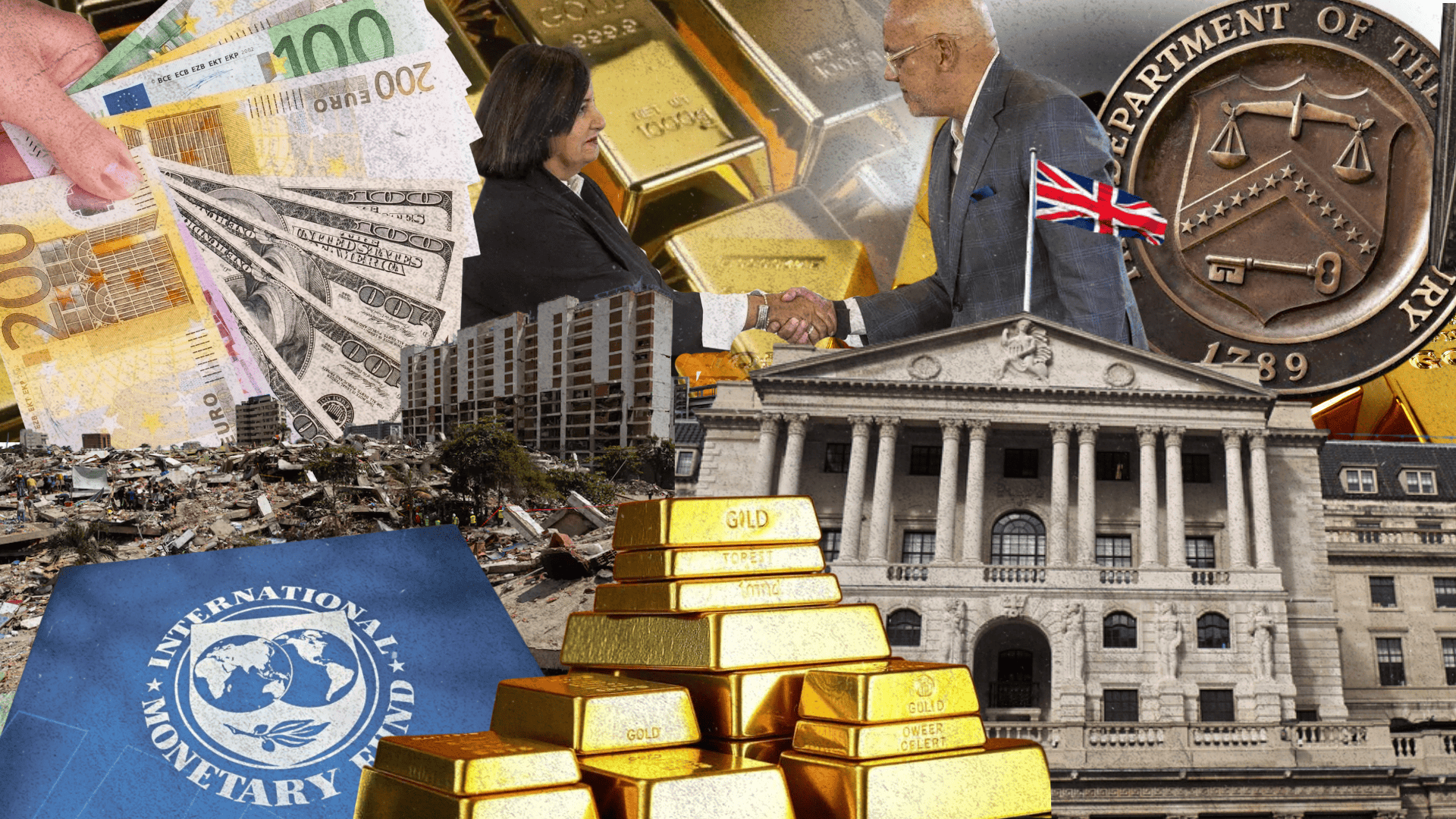
The Bank of England houses one of Venezuela’s most valuable assets abroad: 31 tons of gold, valued at $4.4 billion. Image: Guacamaya.
Guacamaya, August 14, 2026. Venezuela is beginning to regain access to its frozen international reserves, stemming from the international recognition crisis that began in 2019. Among these are 31 tons of gold in the Bank of England’s vaults and Special Drawing Rights at the IMF.
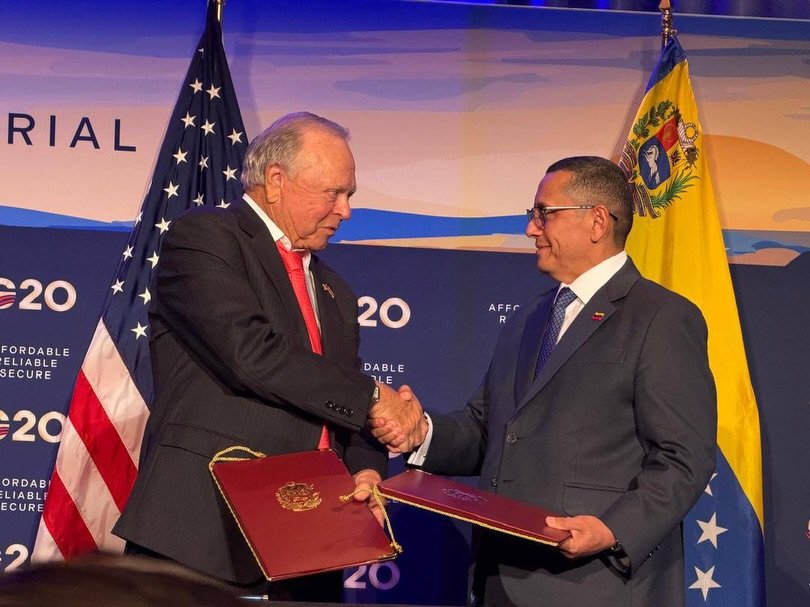
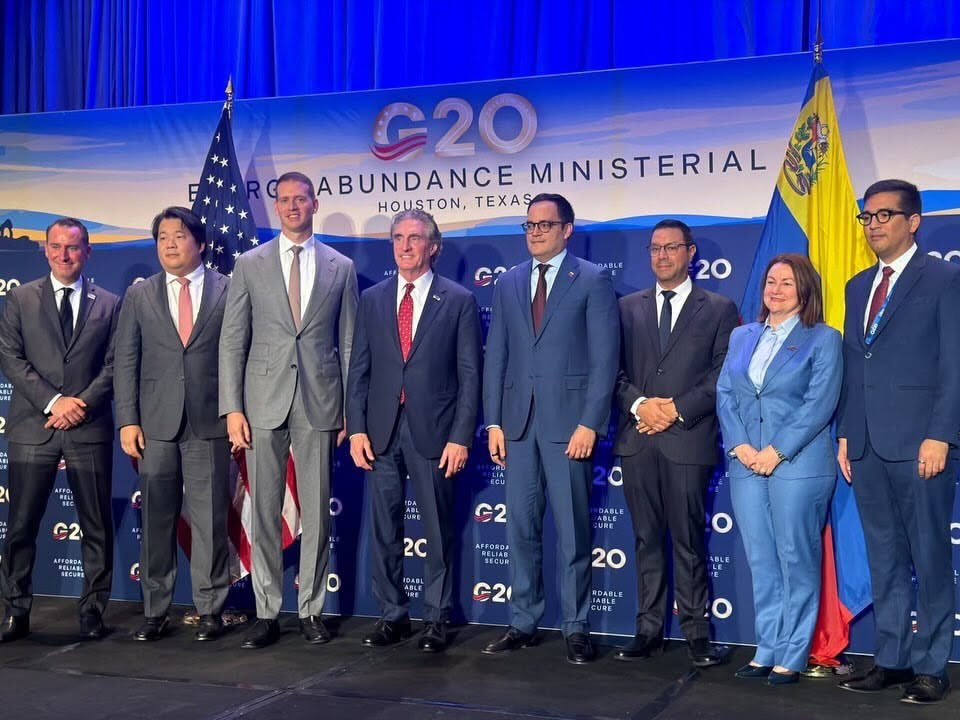
On August 12, in a joint statement, Jorge Rodríguez and Dinorah Figuera, representing the Venezuelan government and the 2015 National Assembly, respectively, announced a process to reform the Supreme Court of Justice and for “the recovery of Venezuela’s international reserve assets at the Bank of England.”
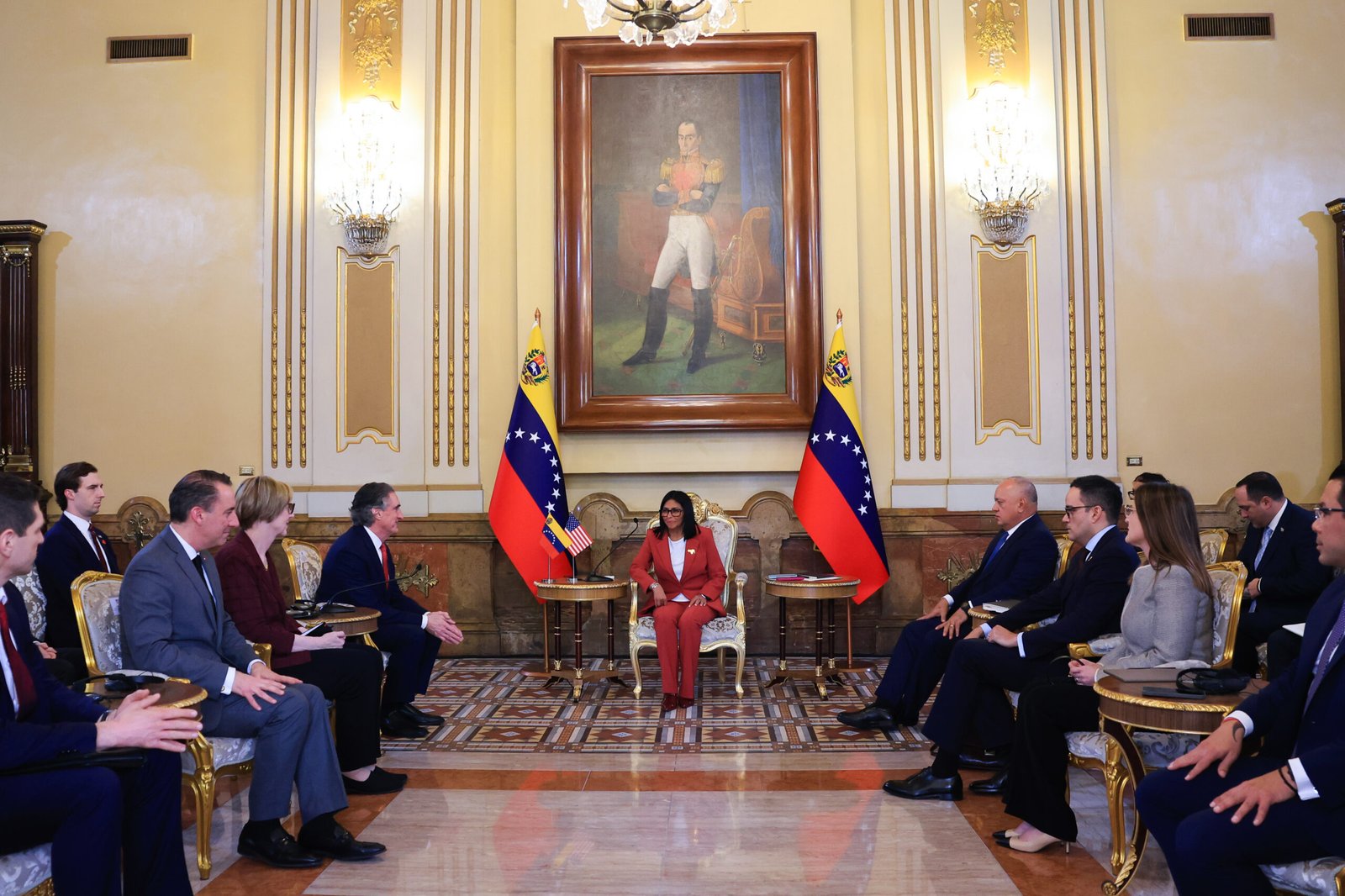
The political dialogue between both factions, driven by the United States, thus begins, focused not on the holding of presidential elections, but on institutional reforms and asset recovery.
Among the Venezuelan state’s assets abroad are also, although their recovery has not been announced, €1.35 billion ($1.56 billion) at Novo Banco in Portugal; approximately $5 billion in IMF SDRs; and of course, the U.S. refinery and gas station corporation Citgo—although in the latter case, we are not talking about reserves.
What are international reserves?
They are deposits of foreign currencies, gold, and other highly liquid assets controlled by central banks. They serve as financial backing for countries, allowing them to pay for imports, meet external debts, and stabilize the local currency.
By representing a cushion of foreign currency for a national economy, they become one of the main confidence indicators for an economy.
However, they are not intended for current expenditures, such as paying public employee salaries or maintaining state infrastructure.
They are held in central bank accounts and are only withdrawn when the economy needs liquidity. In most countries, at least on paper, these entities are independent of the Executive branch and therefore do not respond to its spending needs.
Luis Oliveros is Dean of the Faculty of Economic and Social Sciences at Universidad Metropolitana. He states that “international reserves are not for current spending. The problem in Venezuela is institutional fragility, which has often made it happen that way. But it shouldn’t be done.”
The reconstruction after the double earthquake could lead to exceptions. “In an emergency, it’s very hard to say ‘I have this money saved and I’m not going to use it.’ That’s why so much emphasis has been placed on Venezuela returning to international markets; if that happens, it would have access to multilateral money for reconstruction.”
What international reserves does Venezuela have?
Nicolás Maduro’s government systematically withdrew funds from international reserves following the collapse in oil revenue—between 2008 and 2020, these decreased by 95%. The foreign currency cushion, therefore, fell from nearly $30 billion in 2012 to $6.4 billion in 2020.
International reserves currently stand at $13.9 billion, according to the Central Bank of Venezuela. However, the vast majority are frozen, out of Caracas’s reach.
One of the largest sums is in a Bank of England vault: 31 tons of gold now worth $4.4 billion. The importance of these reserves has grown in recent years due to the rise in gold prices. In 2019, an ounce cost $1,300, while today it exceeds $4,300, tripling its value.
These gold bars have remained in legal limbo since 2019, with English courts arguing that it was unclear which was Venezuela’s legitimate government. After the dissolution of Juan Guaidó’s “Interim Government,” the 2015 National Assembly continued fighting to keep this asset out of the reach of authorities in Caracas.
Following the double earthquake, there has also been talk of SDRs, a type of reserve that the IMF grants to each member country. First, the Fund could unlock $346 million in this type of asset, according to announcements by its director, Kristalina Georgieva.
Separately, approximately $5 billion remains, which were granted in response to the COVID-19 pandemic but were never disbursed due to the lack of institutional recognition.
This year, Venezuela is managing to access new funds, from higher oil revenues to the unfreezing of assets abroad. There has also been talk of a set of measures to guarantee transparency, such as audits carried out by firms like KPMG. However, the results of these audits have not been made public, either by Washington or Caracas.
With the unfreezing of assets at the Bank of England, what will be the mechanisms of “transparency, traceability, and auditing” mentioned in the joint statement by Jorge Rodríguez and Dinorah Figuera?