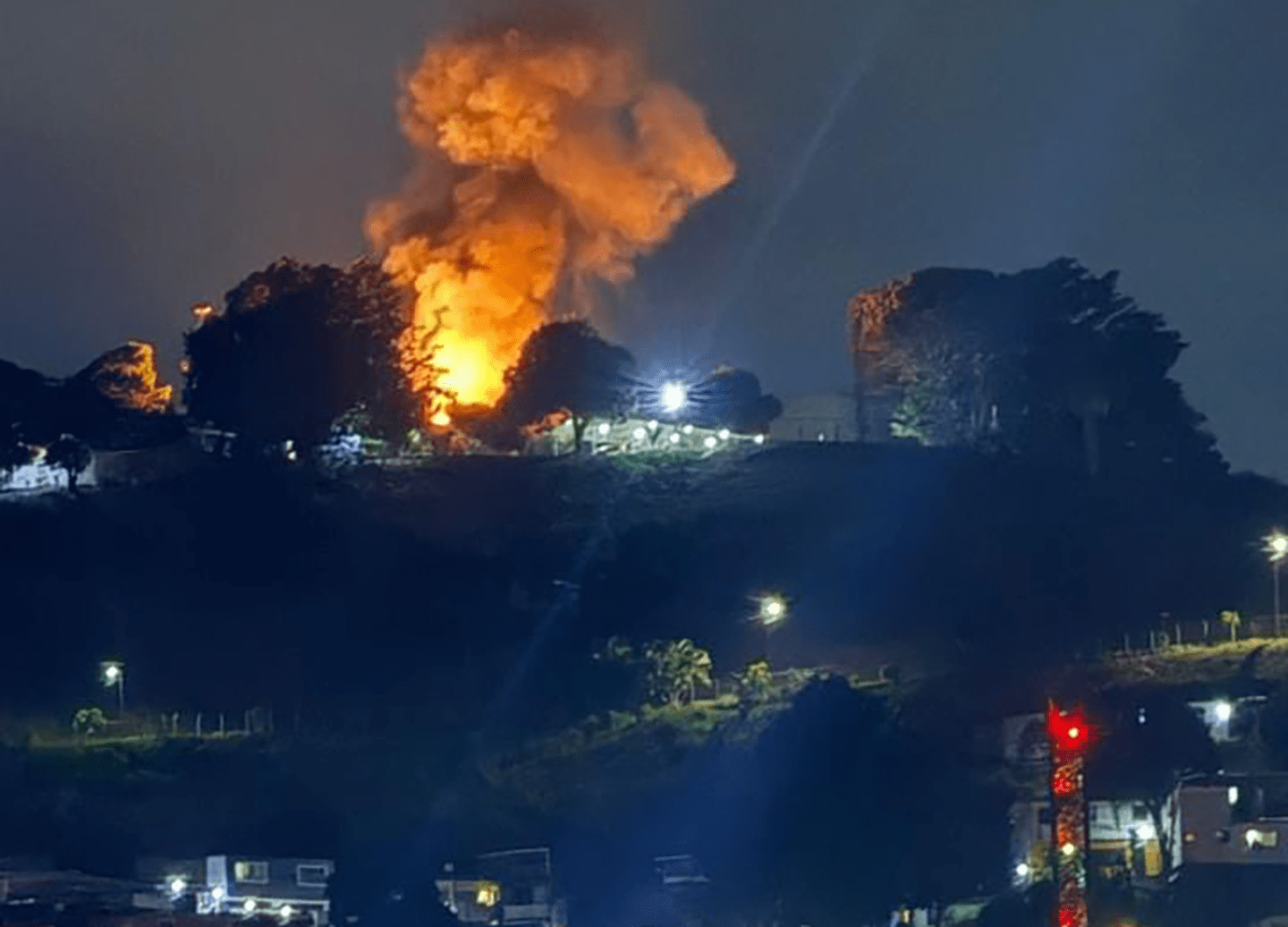
Among the bombed sites was the Cuartel de la Montaña, a monument to former President Hugo Chávez. Photo: Social media.
Guacamaya, January 3, 2026. United States armed forces and security personnel carried out military operations in Venezuela, resulting in the capture of Nicolás Maduro and his wife, Cilia Flores, according to a statement by Donald Trump on social media.
Caracas and other areas of the country were awakened in the early hours of Saturday, January 3, by loud explosions and flyovers of planes and helicopters. This turned out to be a military operation ordered by the U.S. President to take custody of the Venezuelan leader.
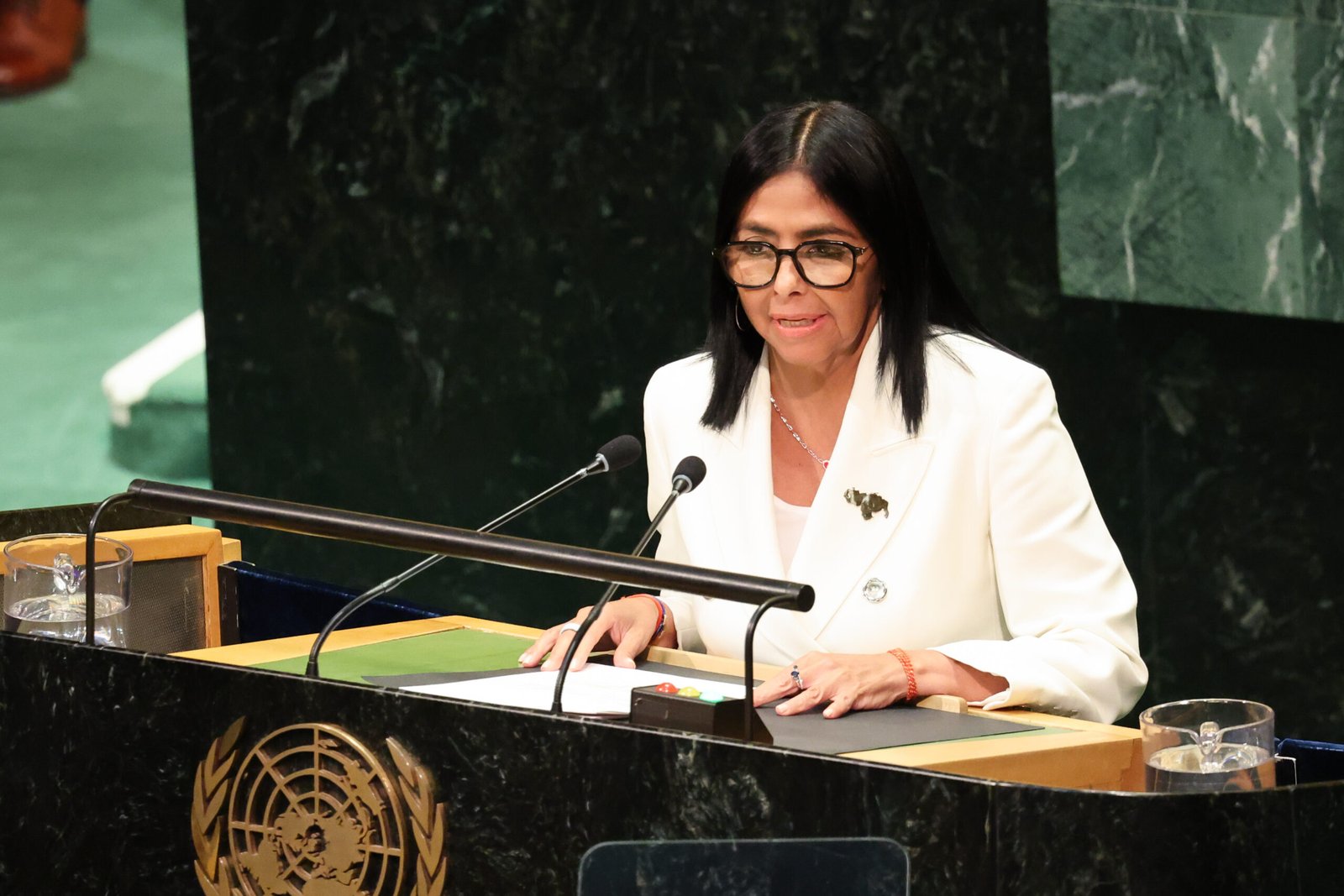
Venezuelan Vice President Delcy Rodríguez confirmed the capture during a televised phone call and requested proof of life for Maduro and Flores.
There are reports of bombings targeting locations including Fuerte Tiuna and the Cuartel de la Montaña in Caracas; La Carlota Air Base; the port of La Guaira; and several locations in the states of Aragua and Miranda.
The Venezuelan government issued a statement “rejecting, repudiating, and denouncing to the international community the extremely serious military aggression perpetrated by the current government of the United States of America against Venezuelan territory and population in civilian and military locations in Caracas, and the states of Miranda, Aragua, and La Guaira.”
Defence Minister Vladimir Padrino appeared in a social media video in the early morning to report on and denounce the attack, warning that there may be military and civilian casualties.
Interior Minister Diosdado Cabello made a call to continue fighting from the street alongside armed security forces, wearing a “War to the Death” flag on his bulletproof vest. He was accompanied by Colonel Alexander Granko Arteaga.
U.S. Secretary of State Marco Rubio reposted a social media message stating that Maduro “is not the president of Venezuela […] he is the head of the Cartel of the Suns, a narco-terrorist organisation that has taken over the country.”
Several capitals have expressed concern over the events, including the governments of Chile, Spain, Brazil, and Colombia. However, it is unlikely they will take actions beyond official statements to reject the military operation.
Venezuelan Foreign Minister Yvan Gil reported having held a telephone conversation with his Brazilian counterpart, Mauro Vieira, stating that he “expressed his vigorous condemnation of this unprecedented act of criminal aggression against our people.”
The spokespersons for Venezuela’s main political parties have not yet commented on the events.
What now?
Maduro’s location and fate are unknown. It is possible that, if he is detained by U.S. forces—something not yet fully confirmed—he could face trial on charges related to drug trafficking and alleged “narco-terrorism.”
Despite Maduro’s capture, the key figures of his government apparently remain in the country and in control of the armed and security forces.
It is possible that Vice President Rodríguez could assume the presidency on an interim basis and subsequently call for elections. However, the Constitution may not necessarily serve as a guide for succession due to the exceptional nature of the moment.
It is also possible that Trump could order more attacks in Venezuela or reach an agreement with high-ranking officials in Caracas.