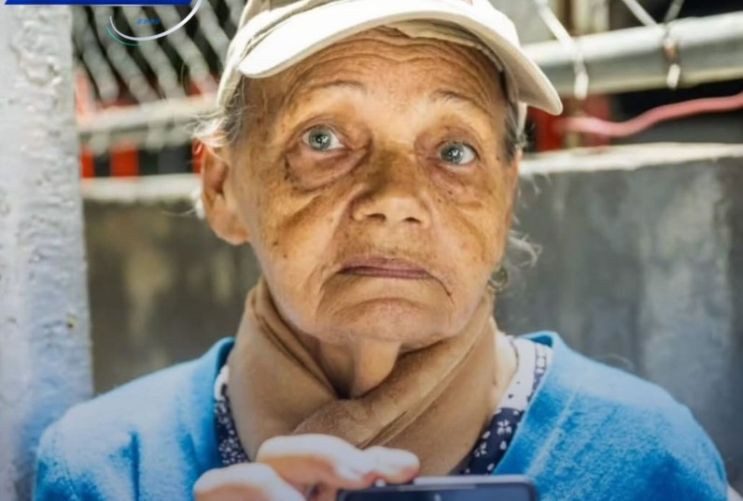
Guacamaya, May 18, 2026. The 82-year-old woman died just days after burying her son, who died while in Venezuelan state custody following months of allegations of enforced disappearance, incommunicado detention, and lack of official information.
Carmen Teresa Navas, mother of Venezuelan political prisoner Víctor Hugo Quero Navas, died this Sunday only days after burying her son, whose death in state custody was officially confirmed last week after months of uncertainty, disappearance allegations, and demands for information from his relatives.
The human rights organization Foro Penal mourned Navas’ death and highlighted her role as a mother “tireless” in demanding truth, justice, and access to information regarding her son’s whereabouts. In a statement posted on social media, the NGO said that her “strength, dignity, and perseverance in the face of silence and uncertainty” reflected the suffering of many Venezuelan families denouncing human rights violations and the lack of judicial guarantees.
Víctor Hugo Quero, 50, had been detained since January 3, 2025, at Rodeo I Penitentiary Center under Venezuelan state custody. The Ministry for Penitentiary Services officially announced on May 7 that he had died on July 24, 2025, after spending more than six months in detention.
During that period, relatives and human rights organizations repeatedly denounced the lack of information regarding his condition, restrictions on visits, and the absence of guarantees concerning his physical and legal status.
“Give me proof of my son, where are they holding him? If he is alive… because since he was arrested I have not seen him a single time,” Carmen Teresa Navas said on May 4 at Plaza Altamira in Caracas while holding a photograph of her son during a public protest.
At 82 years old, Navas visited prisons, approached state institutions, and took part in demonstrations demanding answers about her son’s whereabouts and detention conditions. According to her statements, she never received clear information or official confirmation about his situation until the announcement of his death.
She maintained that Víctor Quero, a merchant and the family’s main financial provider, had been unjustly accused of terrorism without sufficient due process guarantees.
“For a mother, it is unbearable to be denied knowledge of where her son is,” she declared in one of her last public appearances, describing the search for information as a “via crucis.”
Following confirmation of Quero’s death, Navas publicly requested DNA testing to fully verify the identity of the body and clarify the circumstances surrounding his death.
Venezuelan authorities later announced the opening of a criminal investigation to determine the causes of death. The Attorney General’s Office stated that it would carry out the necessary proceedings to clarify the facts, while the Ombudsman’s Office stressed the need to review possible institutional responsibilities and guarantee due process.
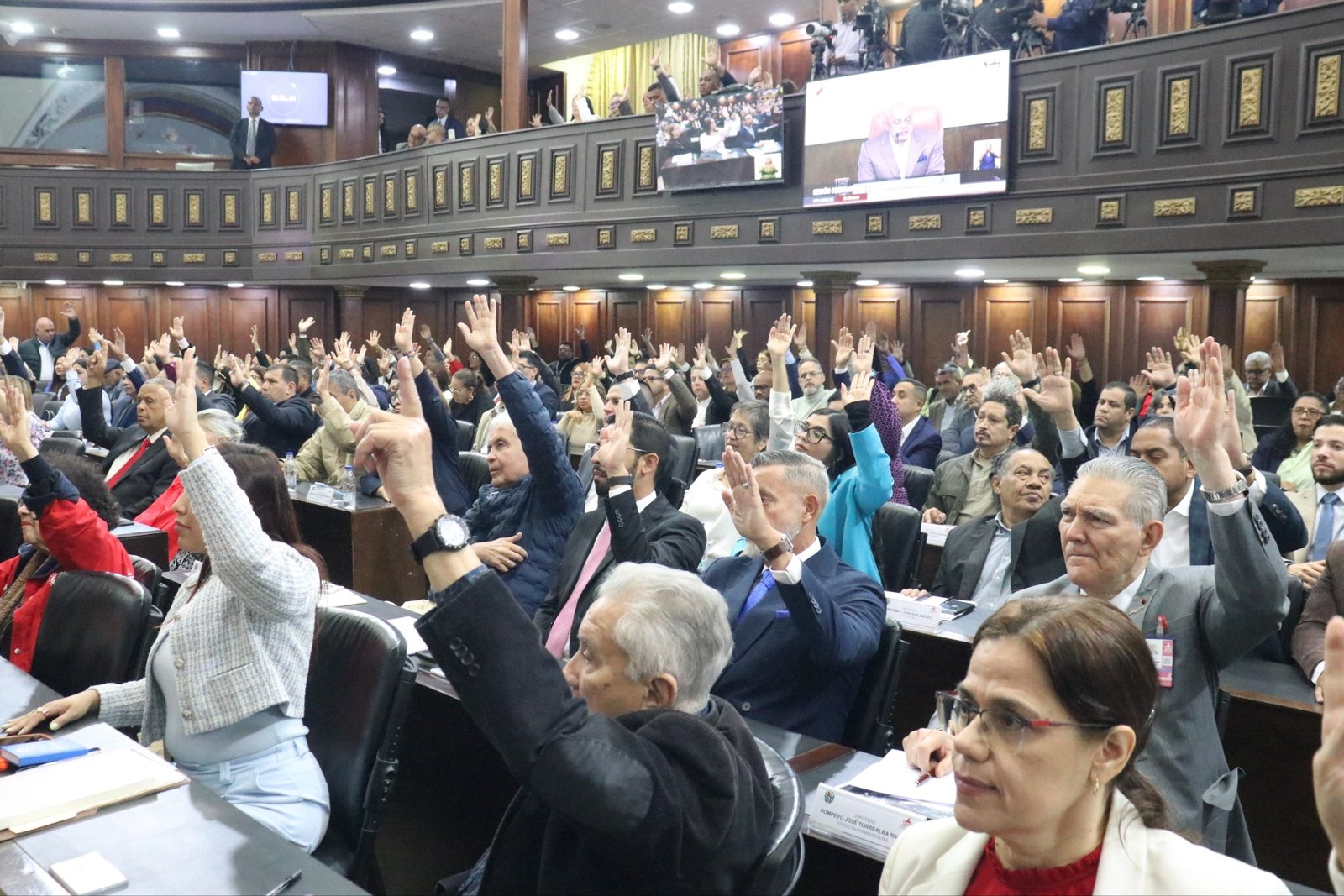
On May 12, the Asamblea Nacional de la República Bolivariana de Venezuela issued a statement expressing support for the investigations initiated by the Public Prosecutor’s Office and offering condolences to Víctor Hugo Quero’s relatives, especially his mother, Carmen Navas.
In the statement, Parliament said that the criminal investigation should clarify “the circumstances and facts surrounding the health condition and subsequent death in custody” of Quero and affirmed that it would maintain permanent oversight of the case within its constitutional powers of control and supervision.
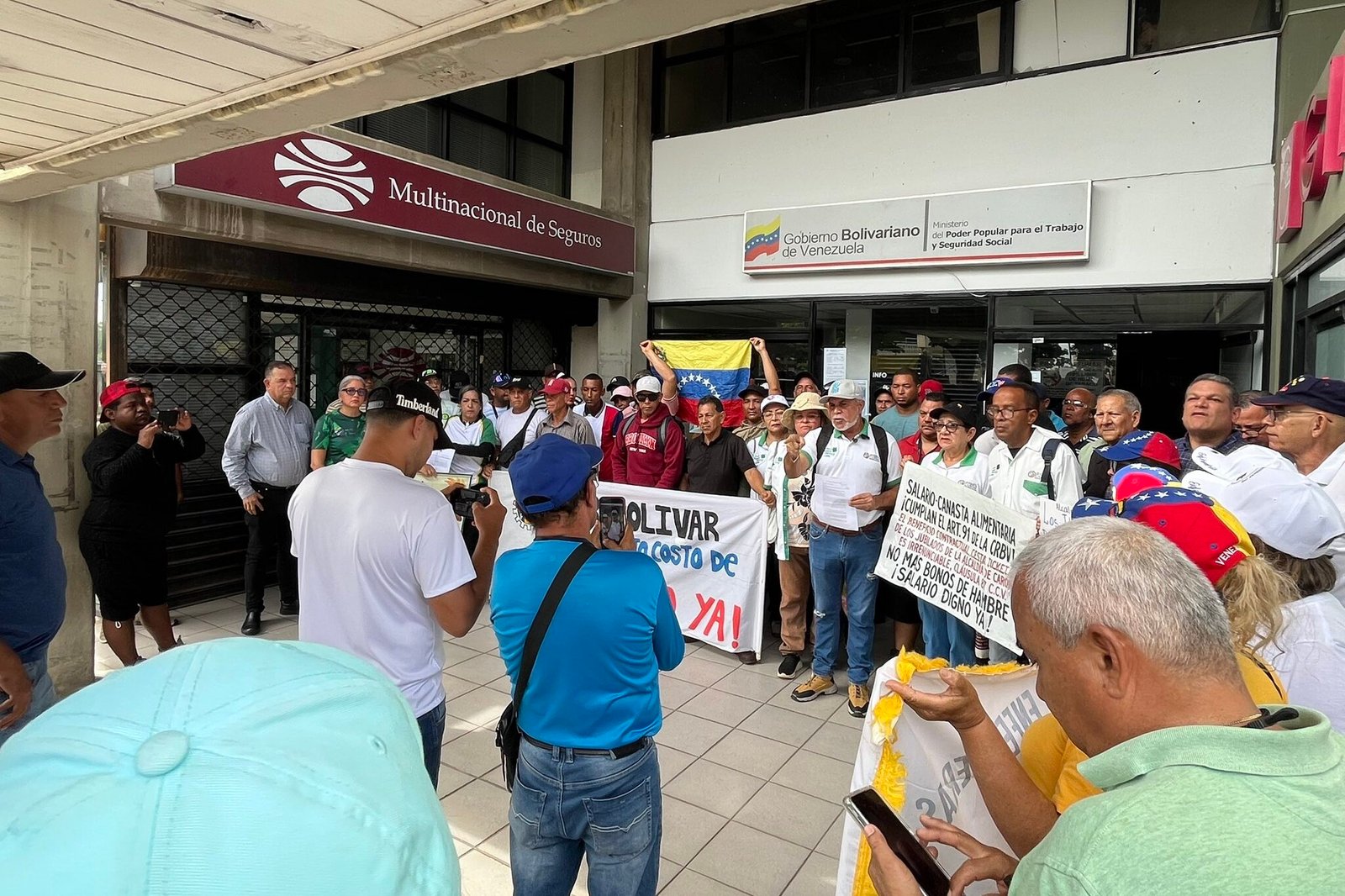
This Monday, a protest took place in response to the case, demanding the release of political prisoners in Venezuela. The demonstration occurred in Caracas and ended with a minor confrontation between some protesters — mainly students — and members of the Bolivarian National Police near Zona Rental at Plaza Venezuela, close to the Universidad Central de Venezuela.
Various activists, human rights organizations, and opposition figures also lamented the death of Carmen Teresa Navas, whose story became a symbol of the suffering endured by families denouncing arbitrary detentions, incommunicado imprisonment, and lack of access to justice in Venezuela.
Cáritas Venezuela, the social arm of the Venezuelan Episcopal Conference, expressed “pain and consternation” over Navas’ death and described her as a woman who embodied the suffering of countless Venezuelan mothers seeking answers about detained relatives. The organization stated that she faced uncertainty and lack of transparency regarding her son’s case with “invincible courage,” while also denouncing the revictimization she suffered due to contradictory official information and the absence of clarity regarding his whereabouts. Cáritas also expressed solidarity with the Quero Navas family and offered prayers for her eternal rest.
Cardinal Baltazar Porras sent a message of condolence acknowledging the prolonged suffering endured by Carmen Navas during her search for her son, particularly in the months before authorities officially confirmed his death in custody.
The human rights organization Provea recalled that Navas devoted the last months of her life to demanding information about Víctor Hugo Quero and reiterated the need for an independent and thorough investigation into his death in prison. The NGO warned about alleged irregularities in detention conditions and called for the full clarification of the circumstances surrounding the case.
Meanwhile, the Comité por la Libertad de los Presos Políticos en Venezuela (Clippve) stated that Carmen Navas became a symbol of the love and resistance of mothers of political prisoners. The organization said her story reflected the dignity and perseverance of those who continue demanding truth, justice, and freedom in the face of what it described as a “cruel and inhumane” system.
The Observatorio Venezolano de Prisiones (OVP) also mourned her death and denounced that not only detainees but also their families suffer alleged human rights violations. The organization compared the case to that of the mother of journalist Ramón Centeno, who died after years of demanding medical care and freedom for her imprisoned son.
Justicia, Encuentro y Perdón (JEP) declared institutional mourning following Navas’ death and pledged to continue promoting actions aimed at achieving justice and preserving what it described as her legacy of resilience and dignity.
Human rights defender Javier Tarazona, himself a former political prisoner, stated on social media that Carmen Navas’ death should represent a turning point for Venezuelan society. In his remarks, he called on citizens to abandon resignation in the face of human rights violations and adopt a more active stance in defense of victims and their families.
Likewise, Ombudswoman Eglée González publicly expressed condolences over Navas’ death. González had met with her only days before authorities officially confirmed her son’s death and conveyed solidarity with her relatives and loved ones over what she described as a deeply tragic loss.