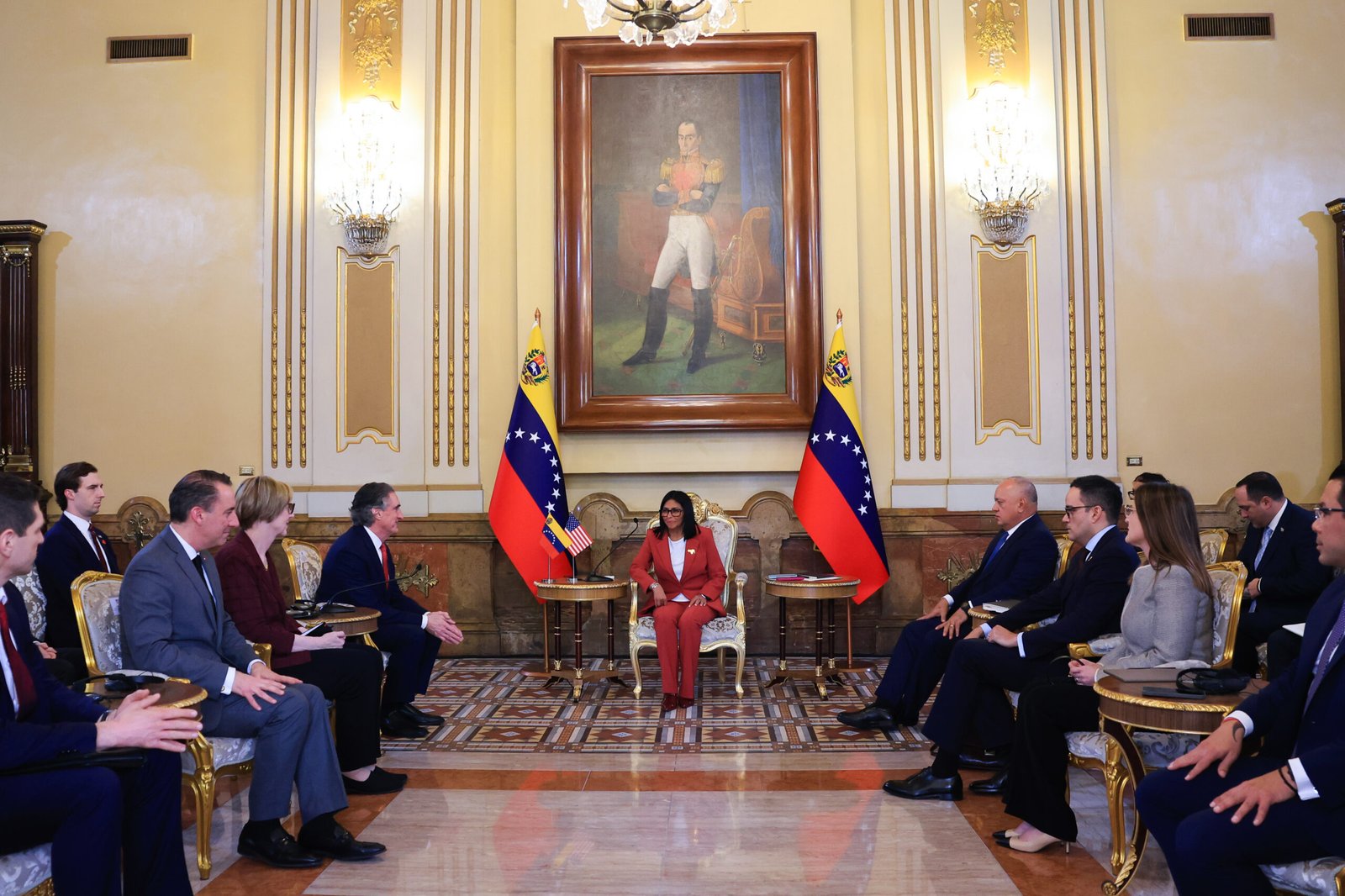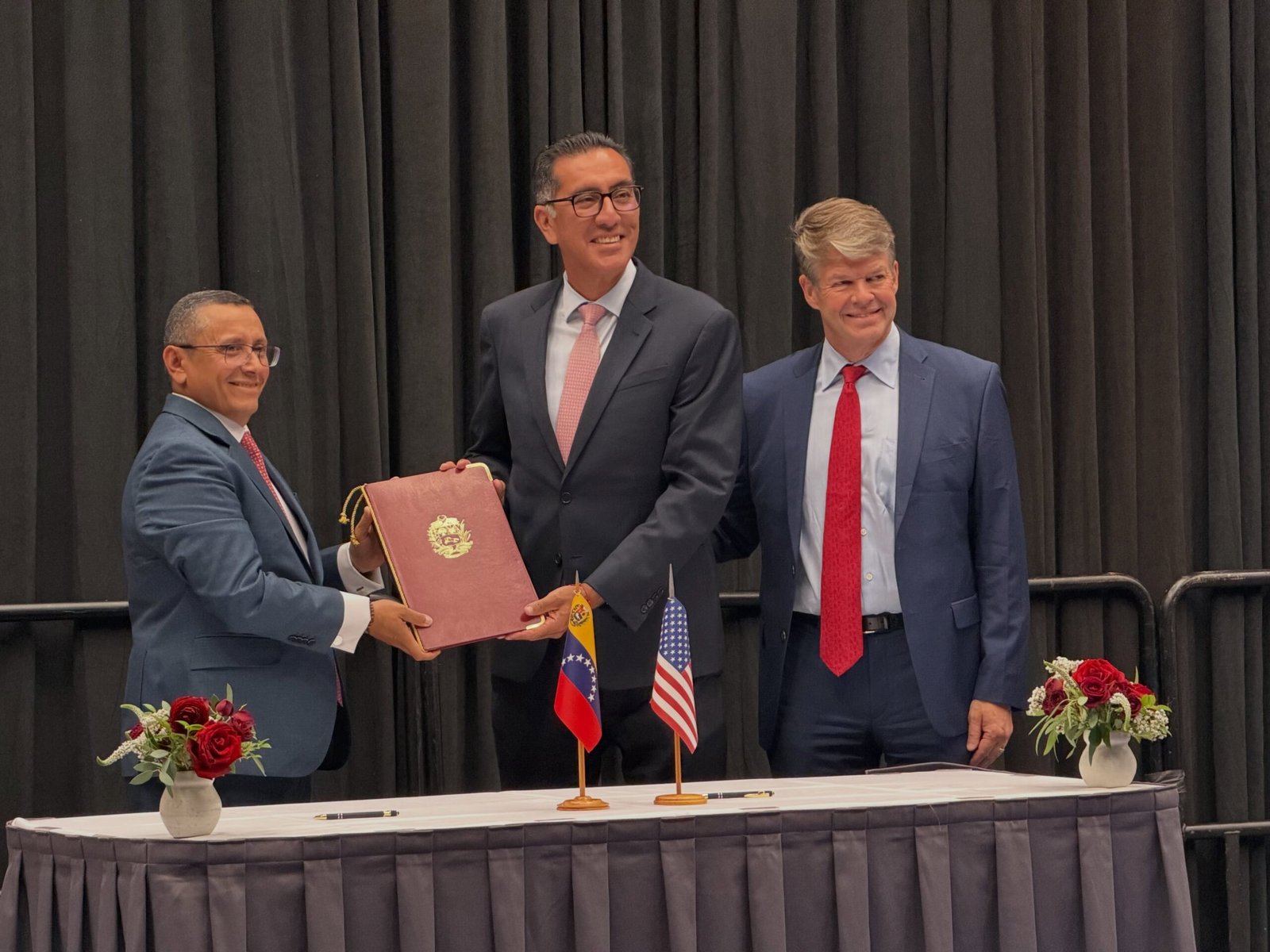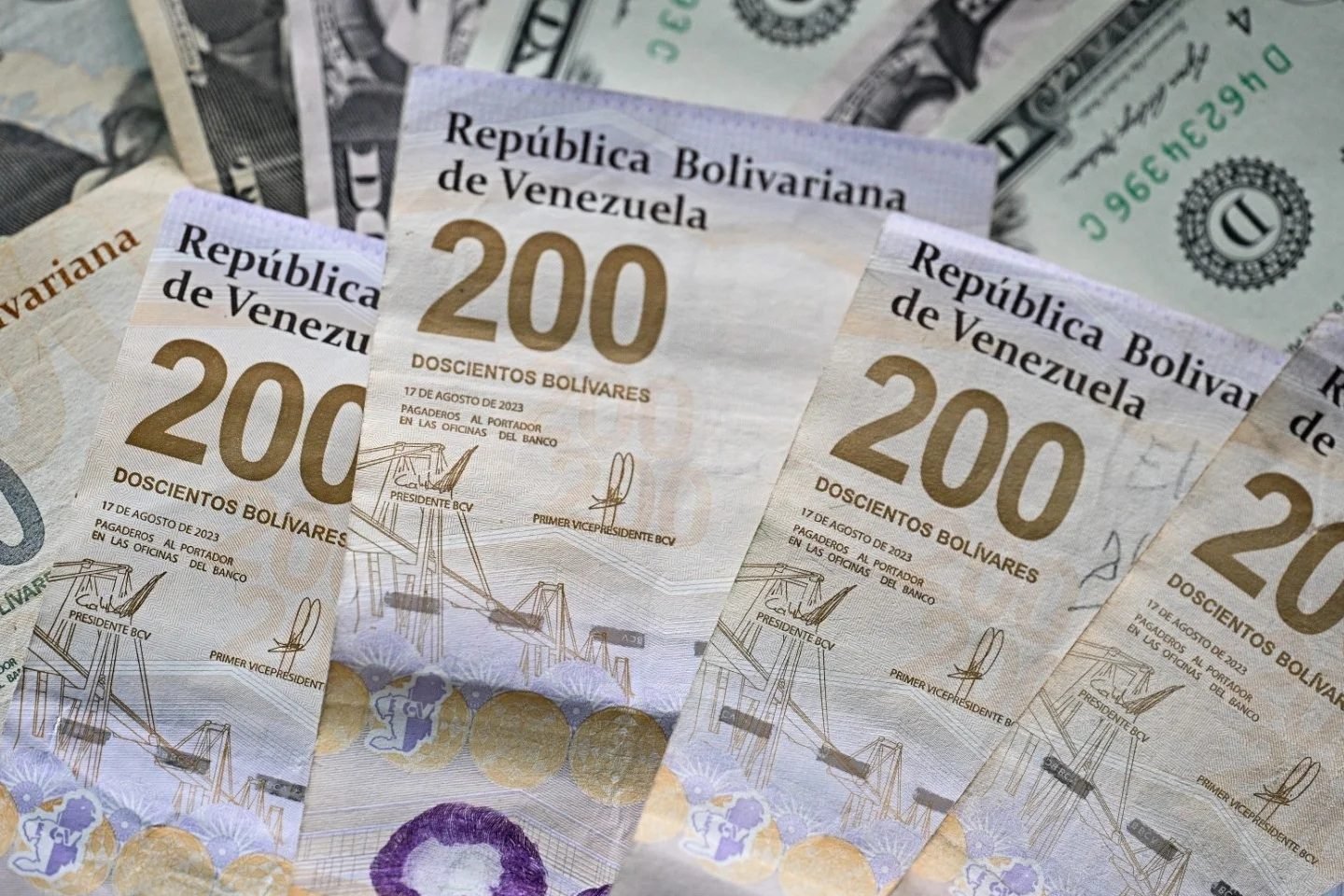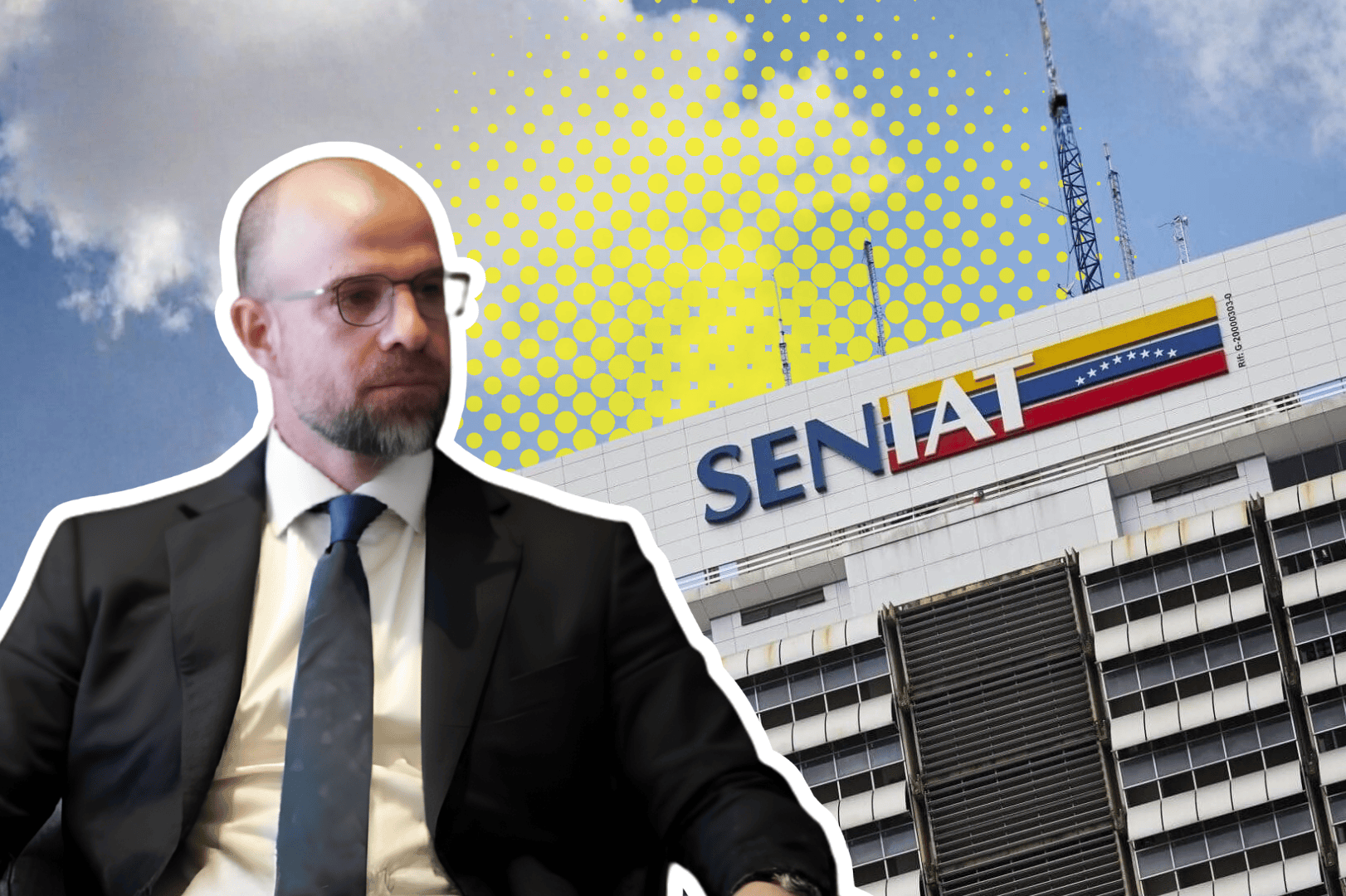
The recent approaches to the business sector and private banking aim to turn tax collection into a pillar for economic growth rather than a hindrance for Venezuelan companies. Image: Guacamaya.
Guacamaya, July 30, 2026. The new superintendent of the National Integrated Customs and Tax Administration Service (Seniat), Román Maniglia, has initiated a series of strategic meetings with private banks and the country’s main business guilds. These meetings, held over the past few weeks, mark the beginning of an administration that seeks to modernize the tax model toward digitalization and “non-punitiveness.”
Since July 21, Seniat’s headquarters has hosted the leaders of Fedecámaras, Consecomercio, and Conindustria. At this meeting, described as “productive” by the guilds, Maniglia outlined the pillars of his proposal: modernization, digitalization, and automation, in what is shaping up to be the most profound change in Venezuelan tax administration in nearly two decades.
The search for a “less punitive” model
Maniglia’s central commitment surprised the private-sector guilds present at the talks. “I want the new Seniat not to be punitive, but to serve as a tax advisor for everyone,” said the superintendent, emphasizing that the ultimate goal is for tax payment not to be an incomprehensible burden, but a smooth process based on trust.
Maniglia also recently met with the Venezuelan Banking Association and payment networks such as CrediCard and Suiche7B. The stated goal is to enable taxpayers to meet their obligations as simply as possible. “That with three clicks you pay your taxes,” Maniglia stressed, positioning banks as the primary channel for collection efficiency.
On one hand, the vision is that if the private sector grows, collection will increase naturally and without persecution. Meanwhile, the digital ecosystem would enable a kind of “invisible oversight” through real-time data cross-referencing between the financial sector and Seniat, seeking to expand the taxpayer base and reduce informality without relying exclusively on traditional physical controls.
The business and financial roadmap
Although the private sector has described the approaches as “productive,” as previously reported, guilds such as Fedecámaras, Consecomercio, and Conindustria have made it clear that technological modernization is insufficient if not accompanied by a reduction in the tax burden.
At the negotiating table, the business sector presented “shock” proposals to boost production:
- Cash flow relief: One of the most urgent requests is to extend the VAT declaration deadline from 15 to 30 days and reduce Income Tax (ISLR) withholdings from the current 75% to levels between 25% and 50%.
- Elimination of distortions: There is a guild consensus on the need to eliminate the IGTF (Large Financial Transactions Tax), which they consider a regressive levy that affects pricing and foreign investment.
- Harmonization against “voracity”: They requested the unification of tax criteria across the three government levels (municipal, regional, and national) to prevent excessive charges that suffocate the productive fabric.
In addition, business leaders and financiers propose a progressive reduction of the legal reserve requirement for banks to free up bolivars for strategic production areas. The plan also demands, under the business sector’s proposal, a cross-cutting technological platform interconnected with Saren, Saime, and INTT that also favors the elimination of paper use.
A financial profile for the digital age
Román Daniel Maniglia Darwich, 42, represents a technocratic shift in the leadership of the tax collection agency. He holds a degree in Social Communication with an MBA in Finance and specializations in cryptocurrencies, fintech, and blockchain.
Maniglia is no stranger to the highest echelons of state financial power. Before his appointment on July 7, he was simultaneously serving as president of the Bank of Venezuela (BDV) and of the Vice-Ministry of Digital Economy, Banking, Insurance, and Securities.
His rise combines technical training with solid political backing. He is the son of retired military officer and former Defense Minister Ramón Orlando Maniglia, currently Venezuela’s ambassador to Colombia. This also positions him as an ideal and loyal appointee to carry out the “modernization” vision that the central government seeks to imprint on the system.
The end of the Cabello era and Delcy Rodríguez’s reform
This change at Seniat marked the end of 18 years of management by José David Cabello at the helm of the agency, a historic hegemony associated with tight control and, at times, denounced by commercial sectors as “punitive” or prone to extortion. The change also occurs under the umbrella of the tax reform announced by Delcy Rodríguez in April 2026, which seeks to modernize the economy.
The new Seniat must operate amid the reconstruction following the earthquakes of June 24, for which Fedecámaras has already requested extraordinary customs measures in La Guaira to avoid a paralysis of foreign trade. Meanwhile, merchants continue to denounce that it is “impossible to have a 100% legal business” due to “extortion” by officials.
Maniglia’s success will depend on promises becoming reliable actions that incentivize production and not just collection, which is the main interest of the financial and business sectors. Transforming the collector into an “advisor” is the first step, but the results hinge on whether digitalization is accompanied by measures that curb voracity and restore credit to businesses.