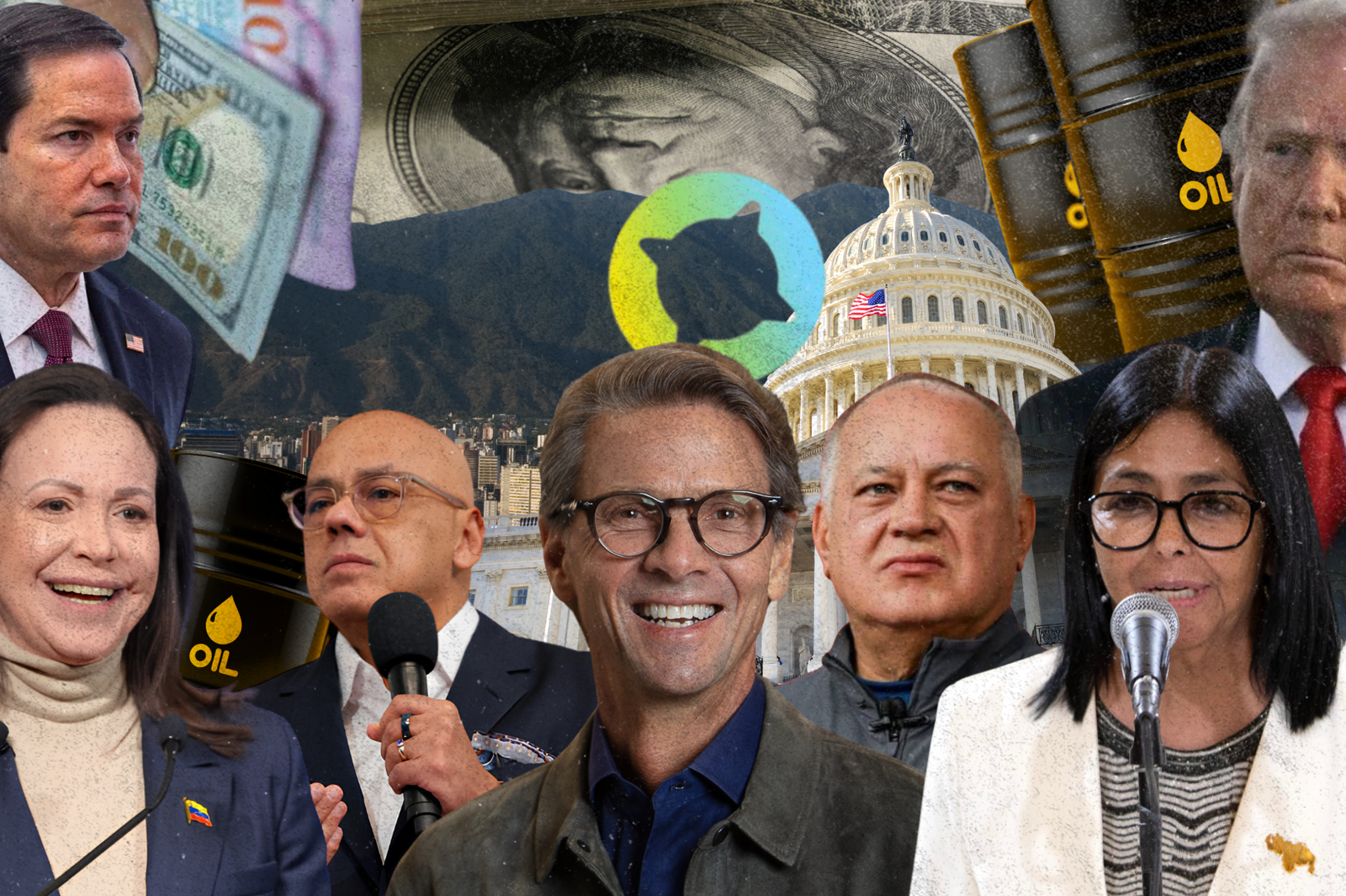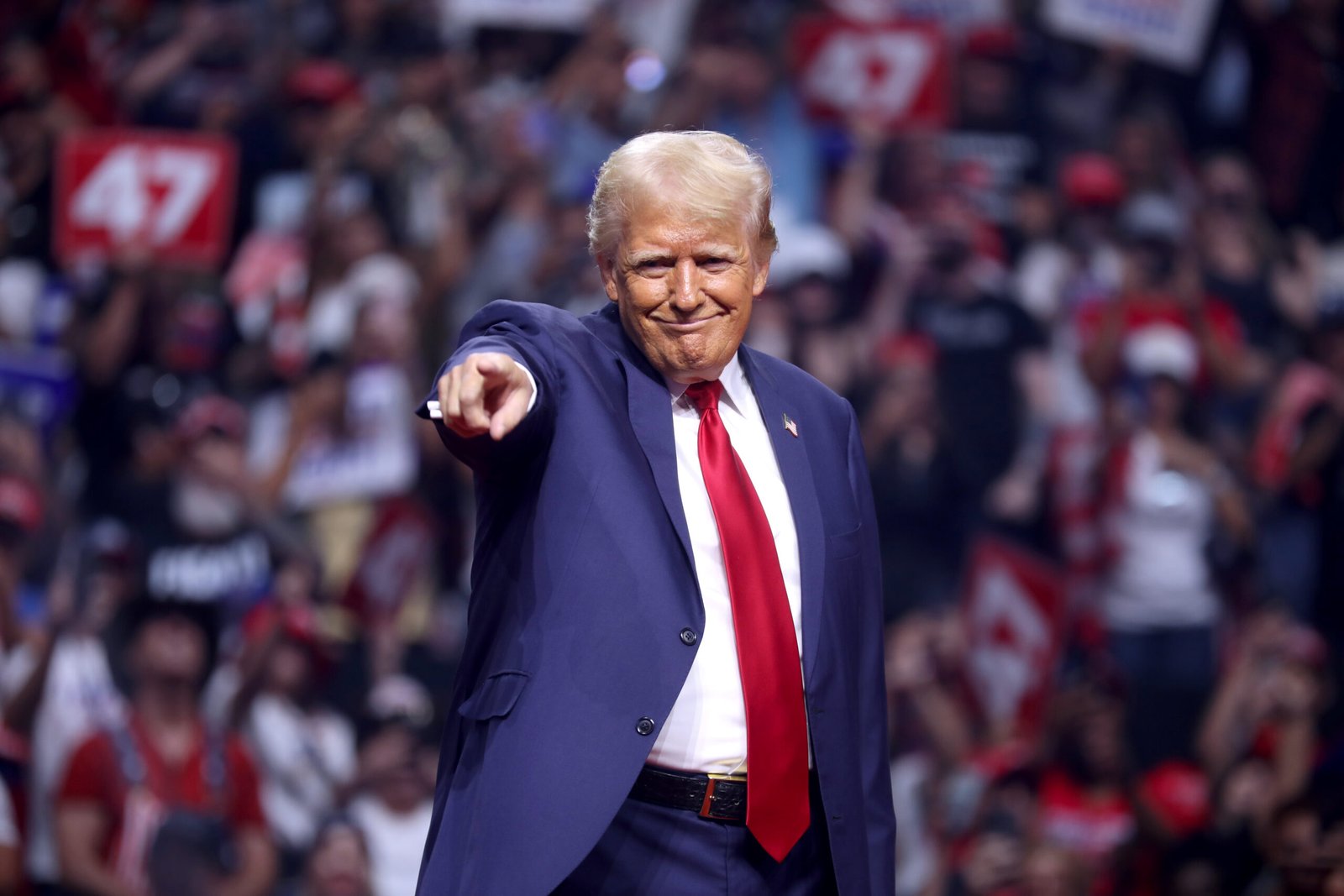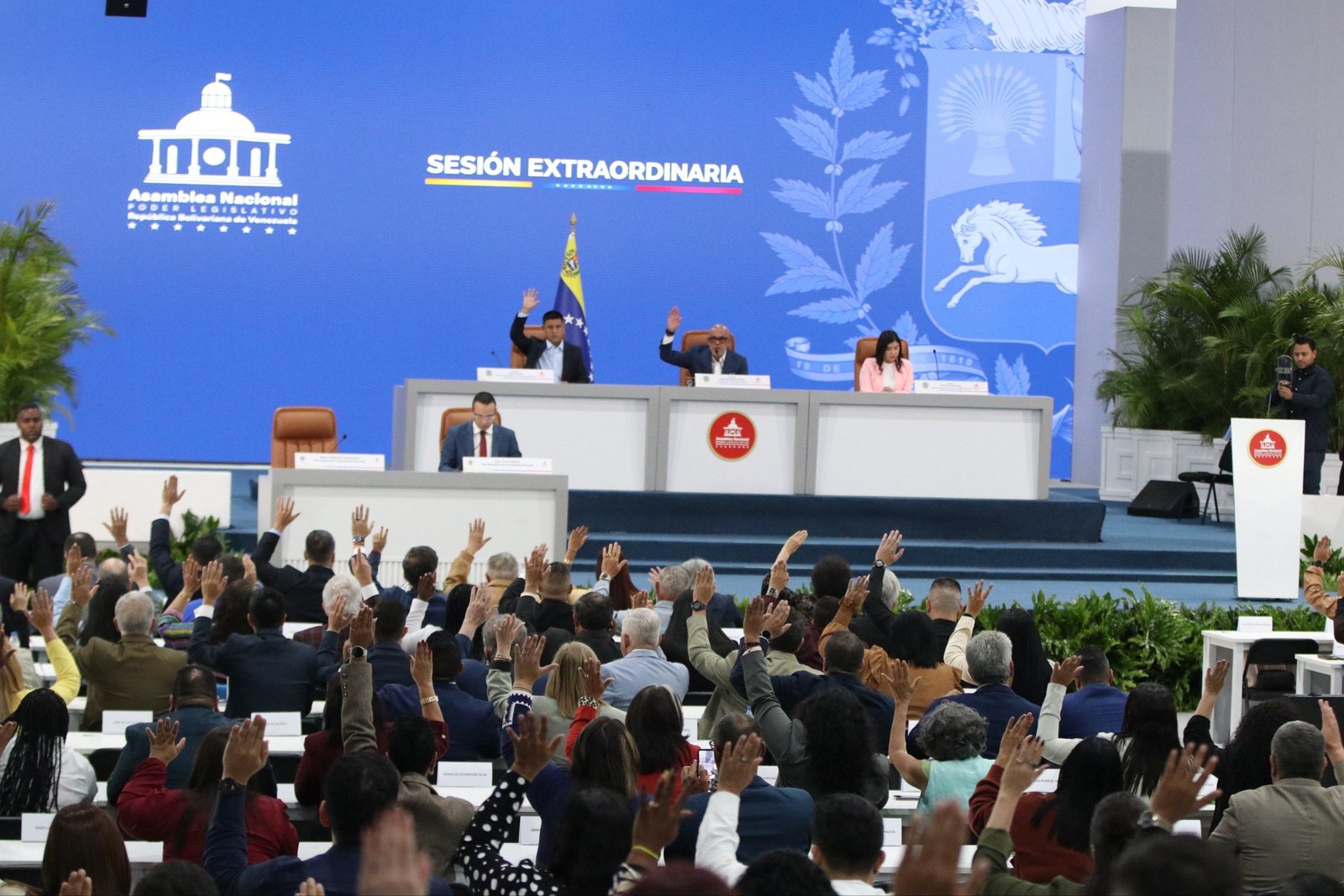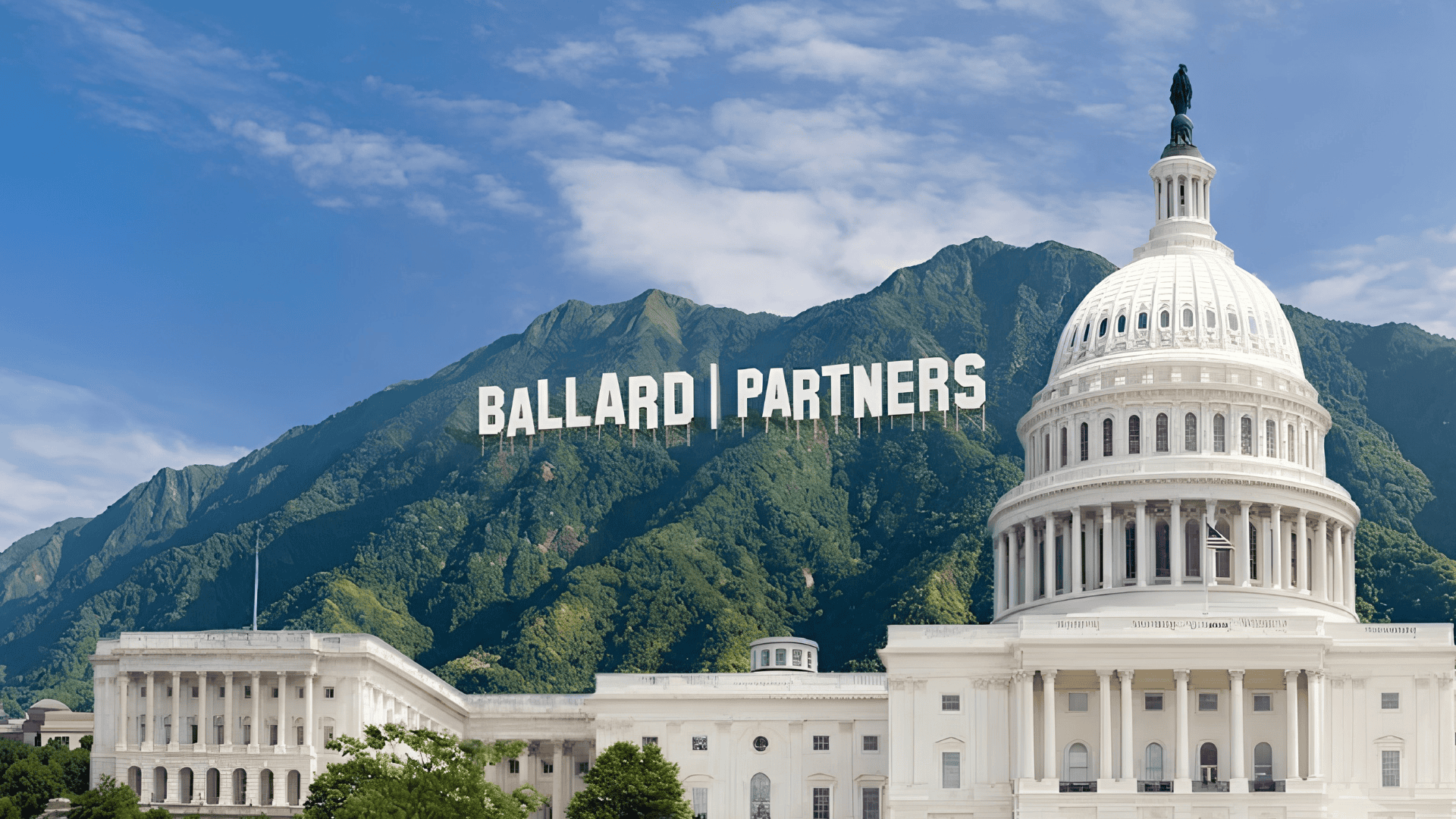
In 2025, Ballard Partners was recognized as the “most profitable” lobbying firm in recent Washington history, reflecting its level of access to the current administration. Image: Guacamaya.
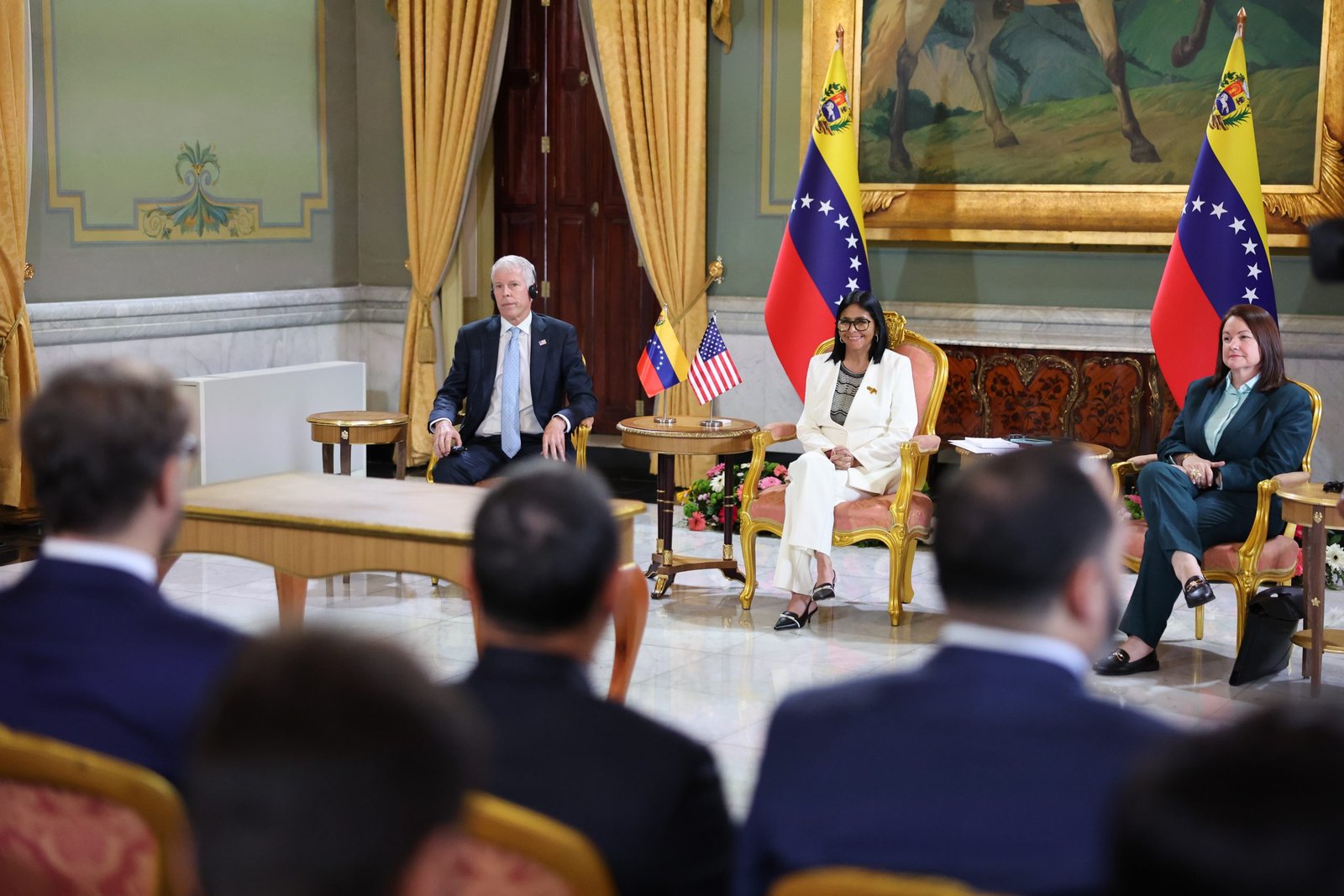
Guacamaya, July 31, 2026. Ballard Partners, one of the most influential lobbying firms in Washington, has opened an office in Caracas, nearly seven months after the military operation of January 3.
The announcement symbolizes a new era in political and investment relations between the United States and Venezuela, and reflects a hemispheric strategy for control over energy resources and critical minerals.
The opening of the office in Caracas was reported in various media as another chapter in the oil rush that erupted in Venezuela following the fall of Nicolás Maduro. But a look at the chosen team and their backgrounds reveals something different.
The most powerful lobbying firm of the Trump era is not only betting on Venezuelan oil, but on inserting Venezuela into a much broader architecture that the White House is building to secure supply chains and critical minerals in the Western Hemisphere, with Greenland, Canada, and Mexico as pieces on the same board.
Ballard Partners is no ordinary firm exploring a new market. In 2025, it was considered the most profitable lobbying firm in recent Washington history, billing $88.1 million—a record that shattered the previous mark and represented a 350% jump from 2024.
That growth coincided, according to the organization OpenSecrets, with Donald Trump’s return to the White House. It is no coincidence that former partners of the firm went on to hold top-level positions in the administration, including Chief of Staff Susie Wiles and Attorney General Pam Bondi.
That closeness to the executive branch is, in itself, the product that Ballard sells. When the firm decides to set up in a country, it does not come to do public relations; it comes promising direct access to those who decide the regulatory framework in Washington, from laws to tariffs and sanctions.
January 3, the day that changed everything
The opening of the Caracas office is unthinkable without the political rupture at the start of the year. In the early morning of January 3, 2026, the United States executed “Operation Absolute Resolution,” a military incursion with bombings in Caracas and other strategic areas of the country that ended with the capture of Nicolás Maduro and his wife, Cilia Flores, who were transferred to New York to face narcoterrorism charges. Delcy Rodríguez assumed office as interim president, leading a reform government that, six months later, is also grappling with the aftermath of the June earthquakes.
The intervention divided the region—celebrated by Argentina, Paraguay, and Ecuador; condemned by Colombia, Brazil, Mexico, and Cuba—but from Washington’s point of view, it opened the door to something that had been blocked for years by sanctions: access to Venezuela’s subsoil and its enormous riches.
In parallel, the Treasury Department’s Office of Foreign Assets Control (OFAC) dismantled much of the sanctions regime on the oil, mining, and financial sectors, but introduced strict oversight and access-control conditions. Firms like Ballard help navigate this new environment.
The Caracas team: are critical minerals the central focus?
Ballard placed at the head of its Venezuelan office Scott Wagner, a partner whose practice combines cross-border infrastructure, critical minerals, and sanctions regimes, and who has direct dealings with the Departments of the Treasury, State, Commerce, and Defense, as well as the White House.
He is joined by José Félix Díaz, executive vice president of the firm and former Florida legislator; Micah Ketchel, who served as presidential special assistant, senior advisor to the National Security Council, and advisor to the State Department, in addition to being chief of staff to former congressman and later National Security Advisor Michael Waltz; and Emilia Pulido, with a financial profile oriented toward Latin American markets.
Beyond a traditional lobbying team designed for Congress, this is a working group designed to operate at the intersection of where Venezuela’s future is being decided today: sanctions, national security, energy, and critical minerals.
Before setting foot in Caracas, Ballard had already built a Critical Minerals Practice Group with a client portfolio that includes Korea Zinc, TechMet, US Strategic Metals, Falcon Copper, Li Industries, American Battery Technology, and Leonardo DRS, among others.
The most revealing dossier of Scott Wagner is his role representing Korea Zinc in a corporate control dispute that became a matter of national security. He managed to get a U.S. congressional committee to ask the State Department to intervene over the risk that the company—key to a “China-free” supply chain for zinc, nickel, and silver—could fall under the control of a private equity fund with Chinese ties.
That is the logic Ballard now transfers to Venezuela, a country whose subsoil goes far beyond oil. The Orinoco Mining Arc—an area of nearly 112,000 square kilometers, larger than the Orinoco Oil Belt itself—holds deposits of gold, iron, bauxite, diamonds, coltan, rare earths, nickel, copper, and thorium.
Official figures cited by analysts speak of more than 8,000 tons of gold and 35,000 tons of coltan, although the think tank CSIS warns that much of this potential has not been certified or exploited on an industrial scale, and that the lack of infrastructure, traceability, and legal certainty currently limits its integration into demanding global supply chains. In recent years, the sector has been dominated by artisanal miners and private Chinese buyers.
What makes these minerals strategic is not only their volume; coltan and rare earths are essential inputs for batteries, sensors, and military guidance systems. These are precisely the types of resources for which the United States acknowledges its greatest dependence on China, which dominates the processing of 30 of the 50 minerals considered critical by the U.S. Geological Survey.
A single script across four geographies
Ballard’s Specialized Group for the Western Hemisphere speaks of four countries in particular, which stand out due to the focus Trump has given them in his public appearances: Mexico, Canada, Greenland, and Venezuela.
In Greenland, the White House has sought negotiations for “full, cost-free, forever” access to mineral rights and the Arctic region, explicitly framed as a way to curb China’s advance in rare earths, without needing to discuss Danish sovereignty over the territory.
In Canada, the 50% tariffs imposed in July on most Canadian products deliberately excluded energy, potash, fish, and critical minerals, revealing which resources Washington does want to protect even amid a trade war with a USMCA partner.
To the south, the renegotiation of the trilateral trade treaty became the lever for Mexico to de facto exclude Chinese capital from its lithium supply chain, formalized in the Mexico-U.S. Critical Minerals Plan of February 2026.
The very decree that Trump signed on July 20, 2026, to guarantee defense supply chains and the supply of critical materials is the legal framework that connects these fronts: combat engines, missile guidance systems, defense satellites, and advanced communications all depend on these inputs.
Venezuela fits that same pattern, but with a decisive difference from Greenland, Canada, or Mexico: Caracas negotiates from a position of near-dependence due to the U.S. sanctions and licensing regime, which dominates key areas of its economy. That makes the country probably the fastest case for Washington to resolve within this hemispheric strategy.
A client portfolio with few rivals
The client portfolio evidences the firm’s level of access, covering a wide variety of industries. Notable companies include Chevron, Palantir, Booz Allen Hamilton, Amazon, Meta, Blackstone, and Coinbase. The firm operates for major U.S. corporations: energy companies, big tech, and defense contractors converge, among others.
Several of the companies that appear among the firm’s clients already operate in Venezuela, notably the energy giant Chevron, while the firm has maintained a regional focus. These factors could represent a comparative advantage for Ballard in having greater knowledge of the local environment, in addition to being the first to land.
They have already worked even with the new regulatory and political framework directed by Washington, as in the case of the newly renamed KEO Capital, formerly known as Maha Capital and Maha Energy. The company, listed on the NASDAQ in Stockholm, Sweden, holds a stake in the mixed enterprise Petrourdaneta, in Zulia state.
Coincidentally, on July 28, the same day Ballard announced its new office, KEO Capital published that it was exercising a purchase option to increase its stake in Petrourdaneta from 24% to 40%. The truth is that the date represented the deadline for updating oil contracts following the approval of the new Organic Hydrocarbons Law, marking a before and after in Venezuela’s most important industry.
It is foreseeable that the next step of that model will be directed toward mining, probably under conditions similar to those imposed on Mexico, marked by the exclusion of Chinese capital as a condition for entry. But the ground is not free of liabilities. The Mining Arc itself carries a history of irregular mining, precarious labor, and de facto control by armed forces and non-state armed groups, in addition to the prior presence of Russian and Chinese actors under Chavismo.
The geopolitical dimension
Beyond its presence in New York, Washington, and other major U.S. cities, the firm also maintains offices in Istanbul, Turkey; Tel Aviv, Israel; and Saudi Arabia—a geographic distribution that proves particularly relevant when analyzing the international dynamics surrounding Venezuela.
While Turkey has increased its presence in the South American nation in recent years, Israel has just sent its first official delegation since the rupture of all relations under Hugo Chávez’s government. Saudi Arabia also figured in the first international tour of the new foreign minister, Félix Plasencia.
The presence in Istanbul reflects Turkey’s growing centrality as a middle power, capable of acting simultaneously as an economic partner, financial platform, and diplomatic actor; its foreign policy has been distinguished by its ability to maintain ties with mutually opposed actors.
Over the last decade, Ankara became one of Caracas’s main extra-regional interlocutors, expanding its ties in sectors such as mining and gold refining, food, and air transport.
The presence in Tel Aviv has even more significant implications in light of the recent diplomatic mission—the first official contact since 2009. The rapprochement stems from a moment of redefinition of Caracas’s alliances, combined with the need to mobilize capital, technology, and specialized capabilities for post-earthquake reconstruction.
From a geopolitical perspective, Israel represents much more than a potential diplomatic partner. It is one of the world’s leading hubs for innovation in cybersecurity, artificial intelligence, water management, precision agriculture, medical technology, and critical infrastructure—sectors that could play a relevant role in Venezuela’s institutional and economic reconstruction. At the same time, Israel may seek to secure supplies of critical minerals in the South American country, essential for its industrial and military complex.
The choice of Caracas highlights the Trump administration’s focus. The other three economies—Israel, Turkey, and Saudi Arabia—are several times larger than Venezuela’s, so the new office represents a bet on the future. The presence in these countries is also an indicator that the firm is positioned to operate in an environment where financial decisions will be deeply conditioned by diplomatic, political, and national security considerations.