
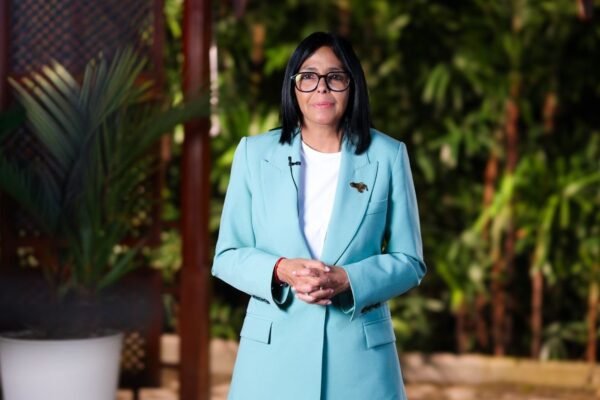
The End of Police Checkpoints and the Reform of Citizen Security
The Executive is attempting to restructure public order in a context marked by recent social crises and natural disasters.


The Executive is attempting to restructure public order in a context marked by recent social crises and natural disasters.
While authorities promote these actions as progress, business guilds and the financial community suggest that deeper changes are required, such as eliminating the IGTF and revising tax rates.
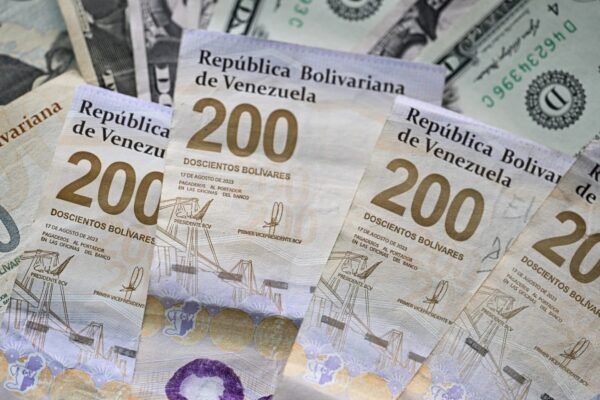
Given the constraints, financial products have reemerged alongside private microfinancing and social programs that address needs, entrepreneurship, and personal consumption.
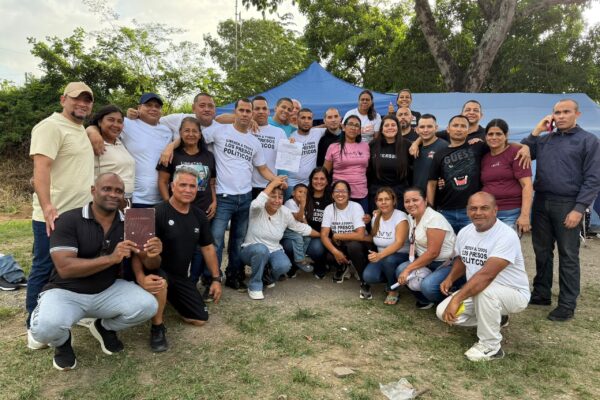
NGOs denounce the persistence of a “revolving door” strategy, where new arrests offset granted freedoms, keeping a significant number of…
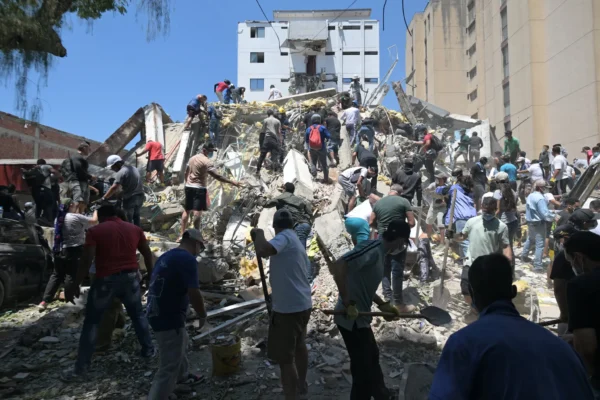
In the face of the recent earthquake’s magnitude in Colombia, President Abelardo de la Espriella is working to coordinate humanitarian…
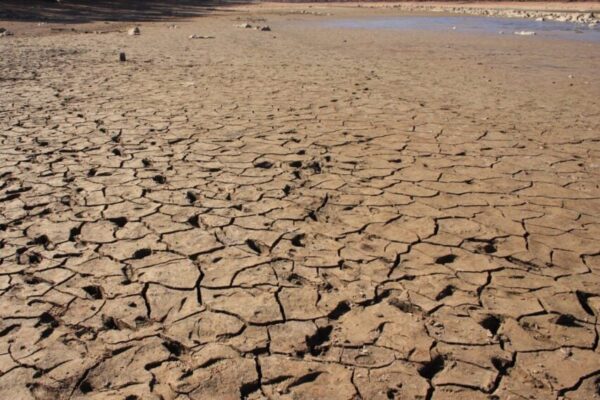
The environmental situation has forced the Government to implement electrical rationing and make changes to Corpoelec’s leadership to manage the crisis.
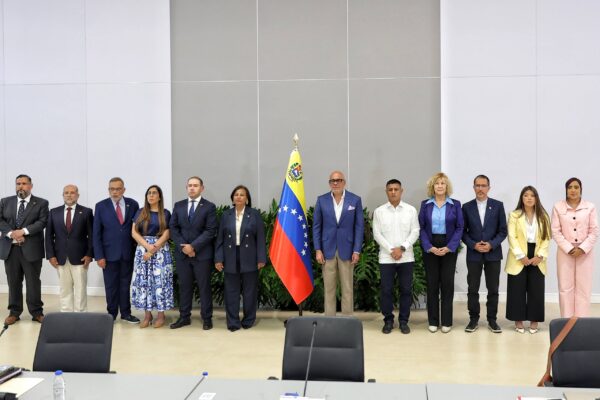
While the ruling party attempts to ease its isolation, the opposition, driven by the United States, seeks the restoration of democracy through a new electoral schedule and the reform of public institutions
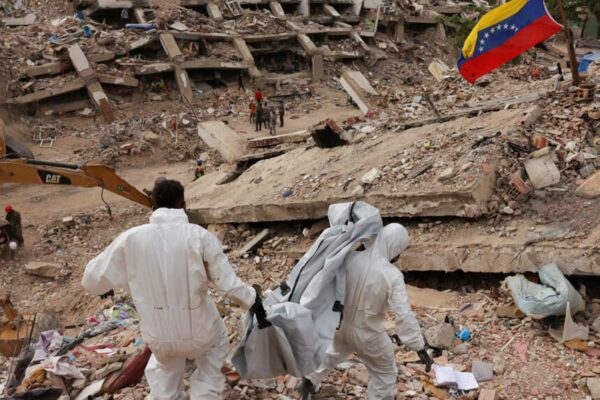
There is strong controversy over the accuracy of state figures, as government data contrasts with estimates from NGOs and the UN that suggest a tragedy even greater than officially projected.
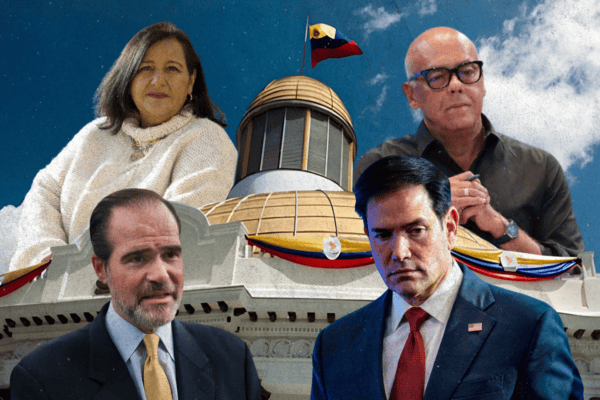
The composition of the two delegations has generated criticism and divisions; it does not represent two parliaments, but really three parties.
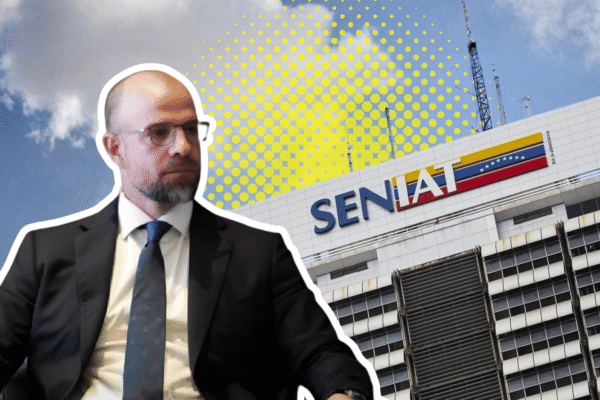
The new superintendent of the National Integrated Customs and Tax Administration Service (Seniat), Román Maniglia, has initiated a series of strategic meetings with private banks and the country’s main business guilds.