
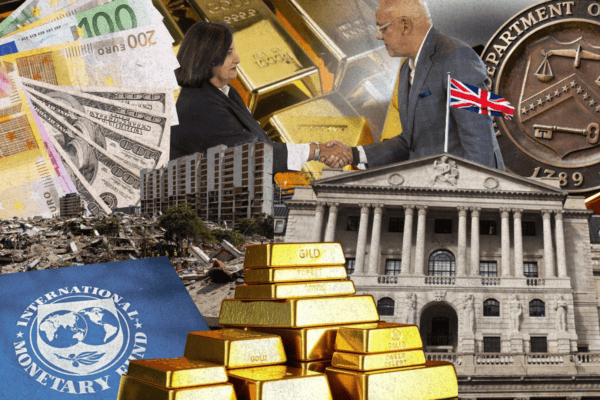
Venezuela’s International Reserves: Gold Tonnes in England, the IMF, and Reconstruction
Venezuela is beginning to regain access to its frozen international reserves, stemming from the international recognition crisis that began in 2019.


Understand how the Venezuelan economy moves.
Venezuela is beginning to regain access to its frozen international reserves, stemming from the international recognition crisis that began in 2019.
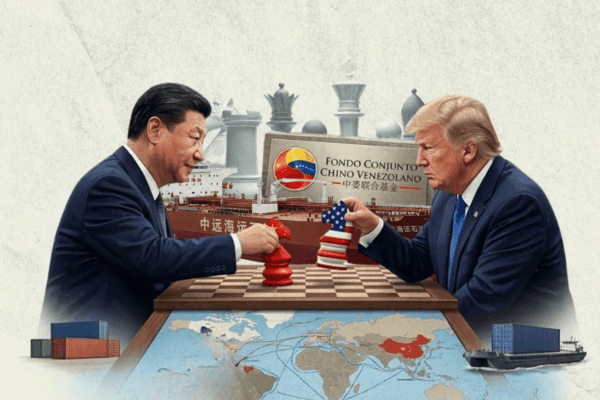
China owns a relatively modest portion of Venezuela’s external debt, but could invoke a veto power.
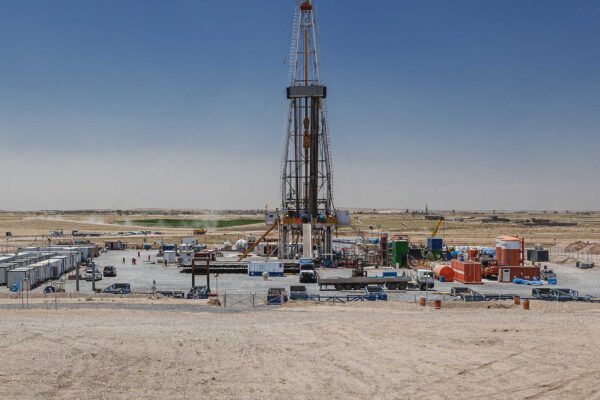
The two recent rulings on labor lawsuits against Halliburton and the seizure of its assets create a new jurisprudential framework in Venezuela’s oil industry.
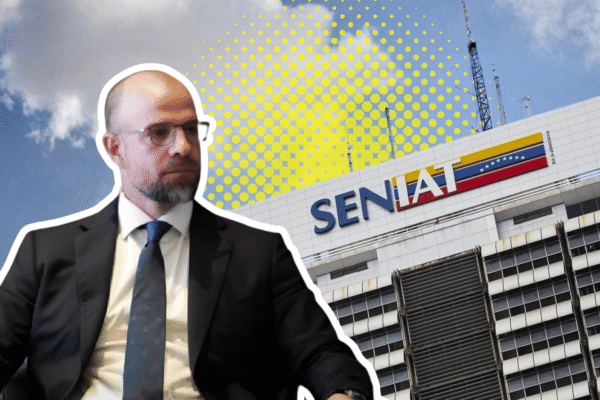
The new superintendent of the National Integrated Customs and Tax Administration Service (Seniat), Román Maniglia, has initiated a series of strategic meetings with private banks and the country’s main business guilds.
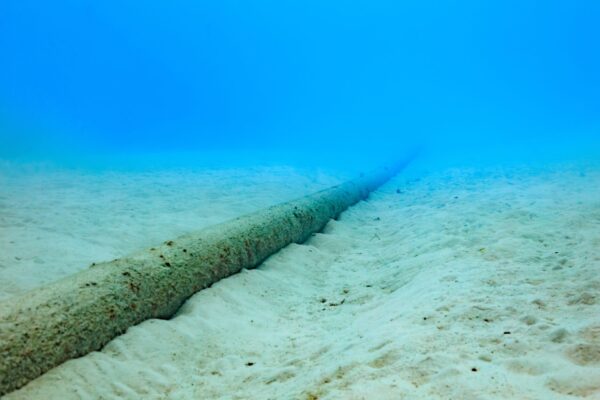
Conatel has reported that more than half of internet subscribers depend on fiber optics, underscoring the need for a robust infrastructure.
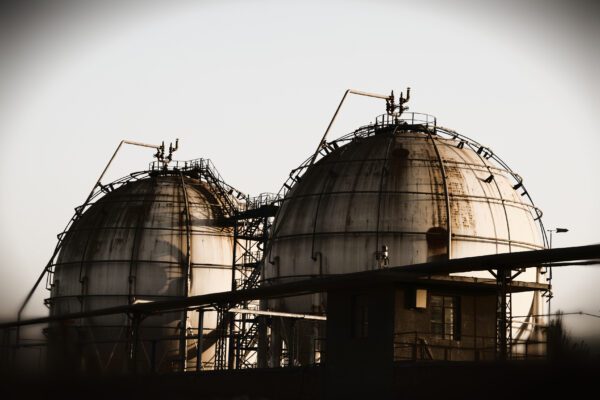
Today, the demand of one country is beginning to play an equally important role in the oil market: China.
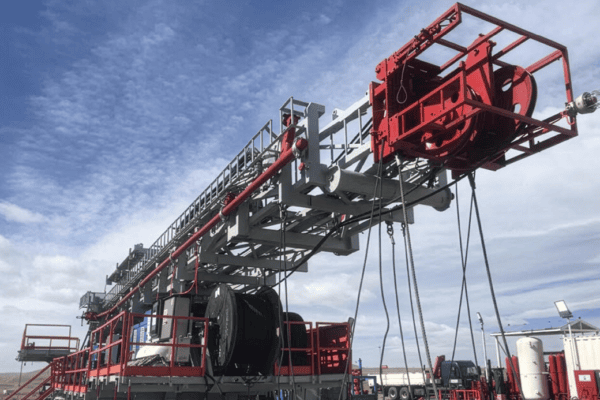
On July 8, an Argentine company with a presence in Venezuela, Aldyl Energía, unloaded four Drillmec rigs at the port of Guanta in Anzoátegui.
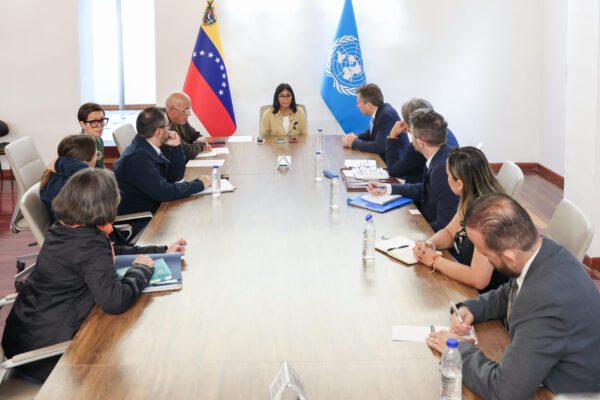
The CAF development bank estimates that Venezuela will need more than $15 billion.
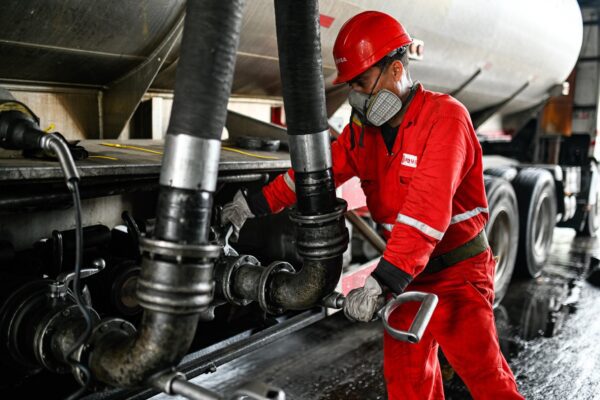
The Venezuelan government has finally published the regulations for the Hydrocarbons Law, clarifying several rules for the country’s most important industry.

New appointments reflect how the Government redistributes trust across sectors where money, power, and political stability intersect. Images: Presidential Press…