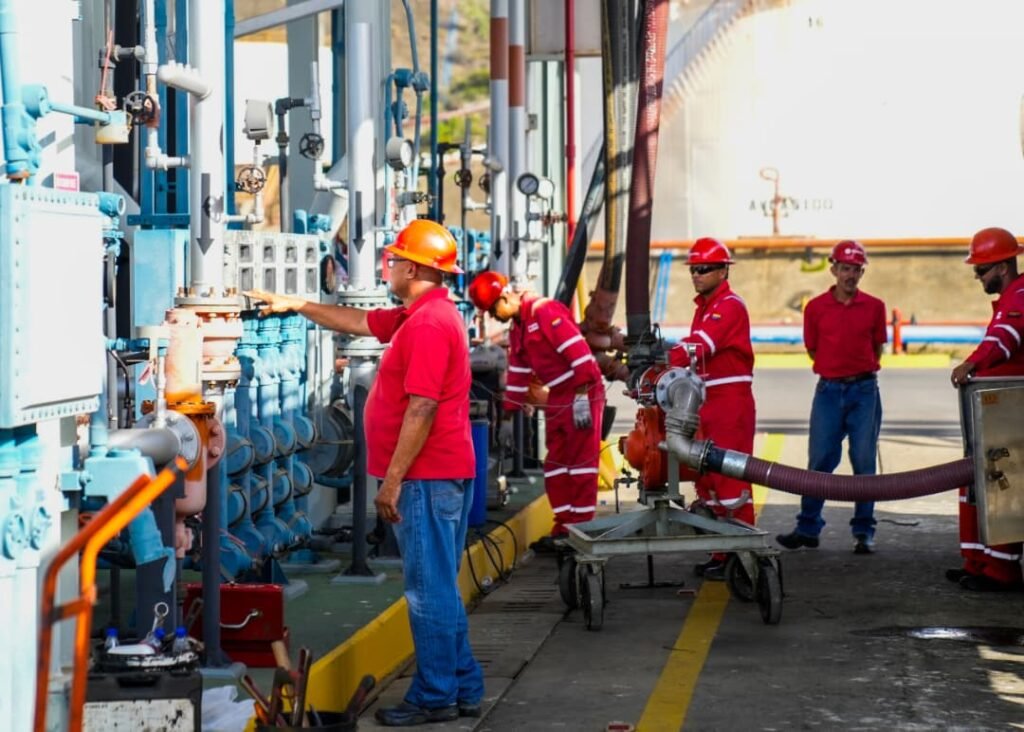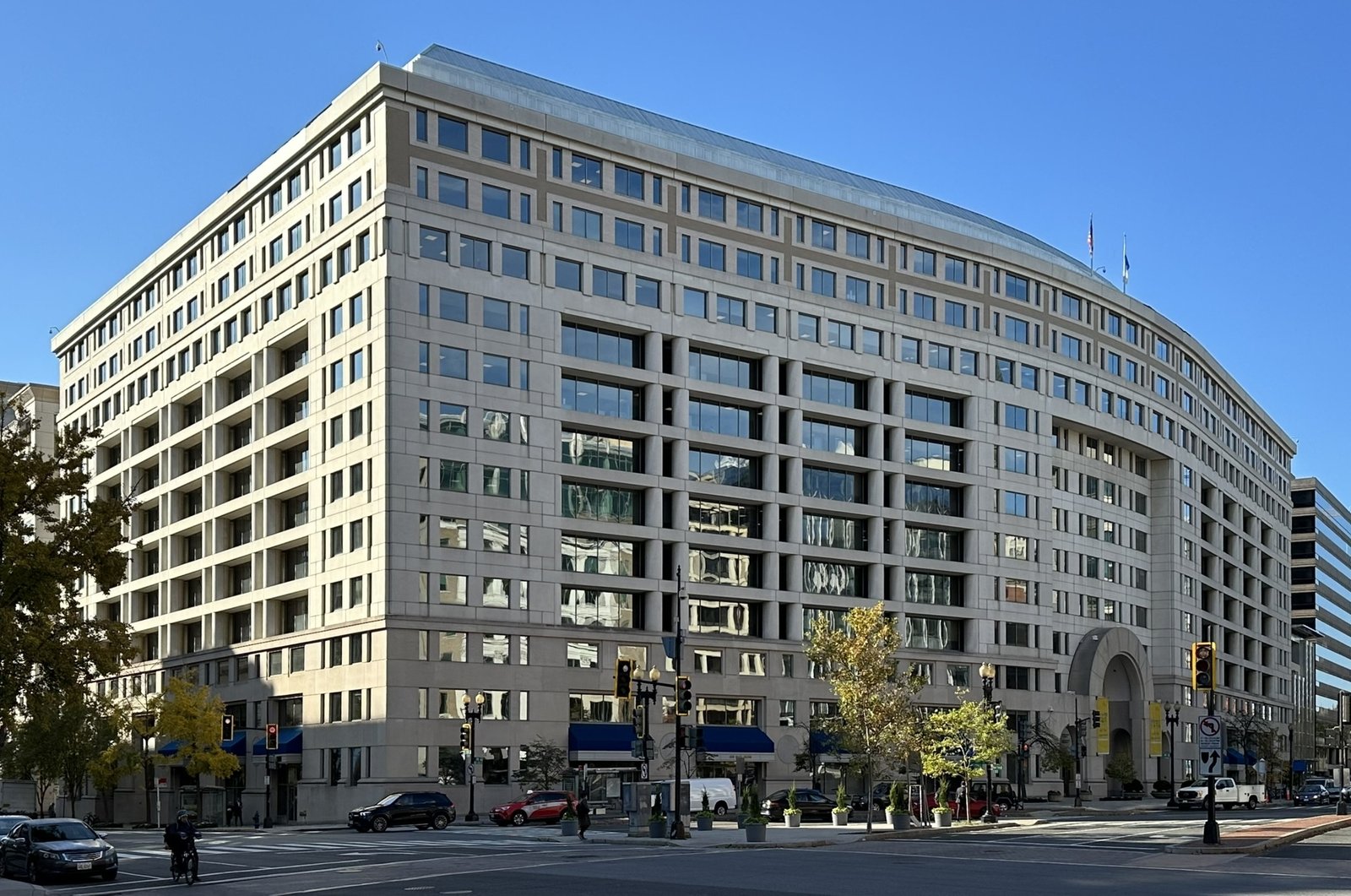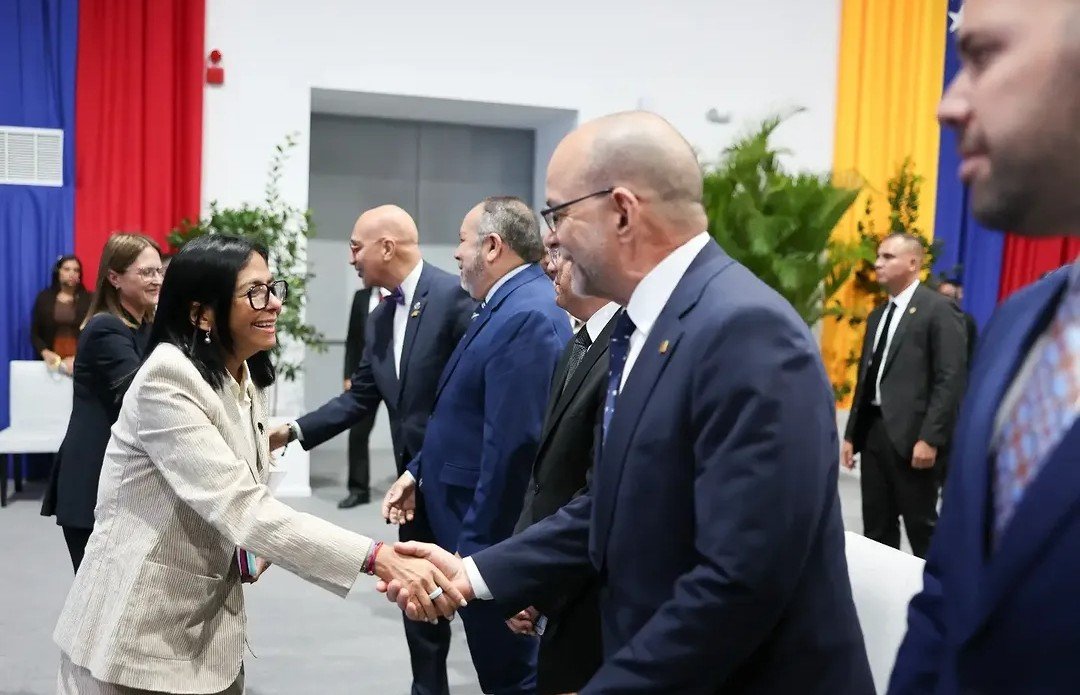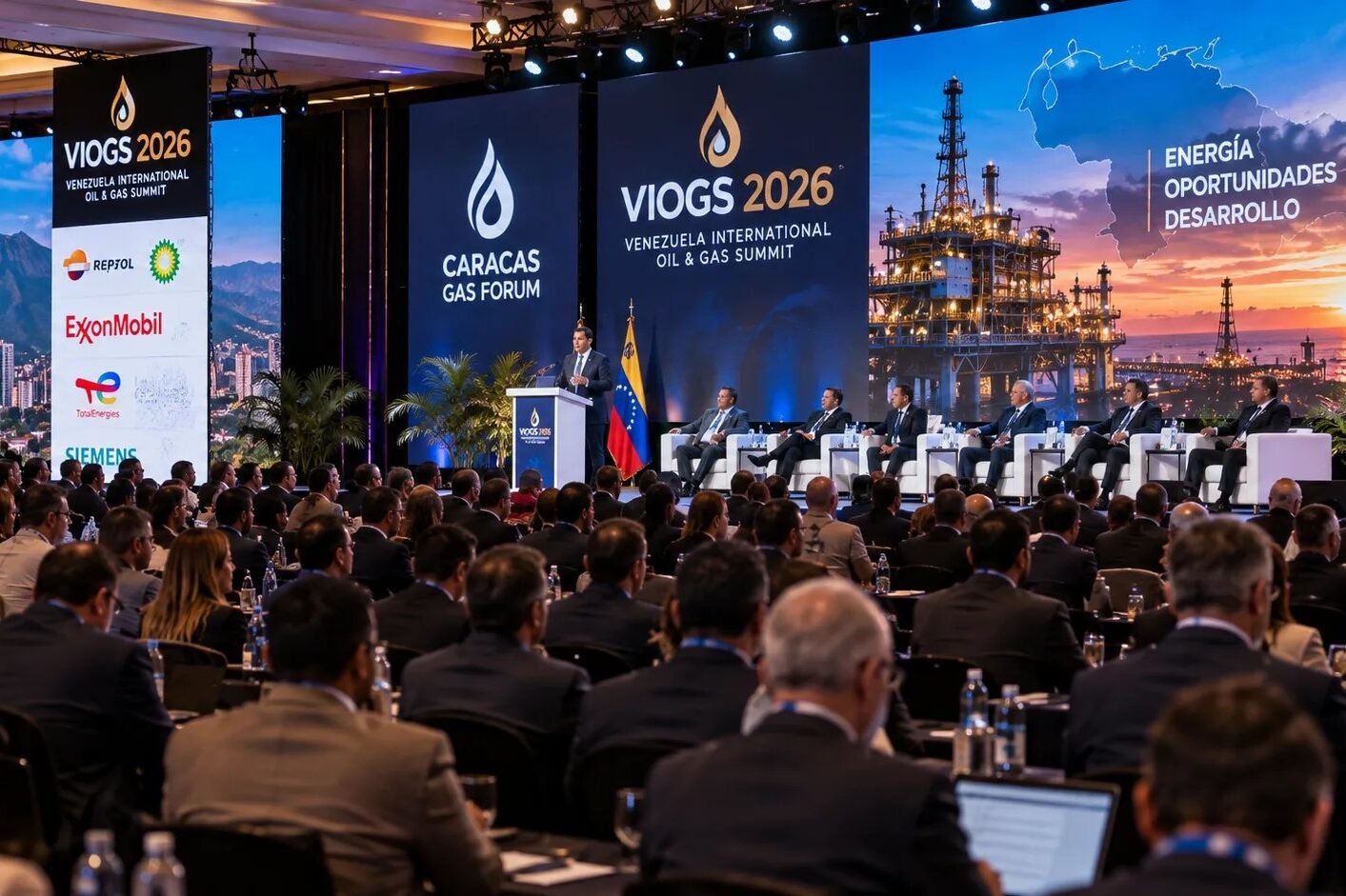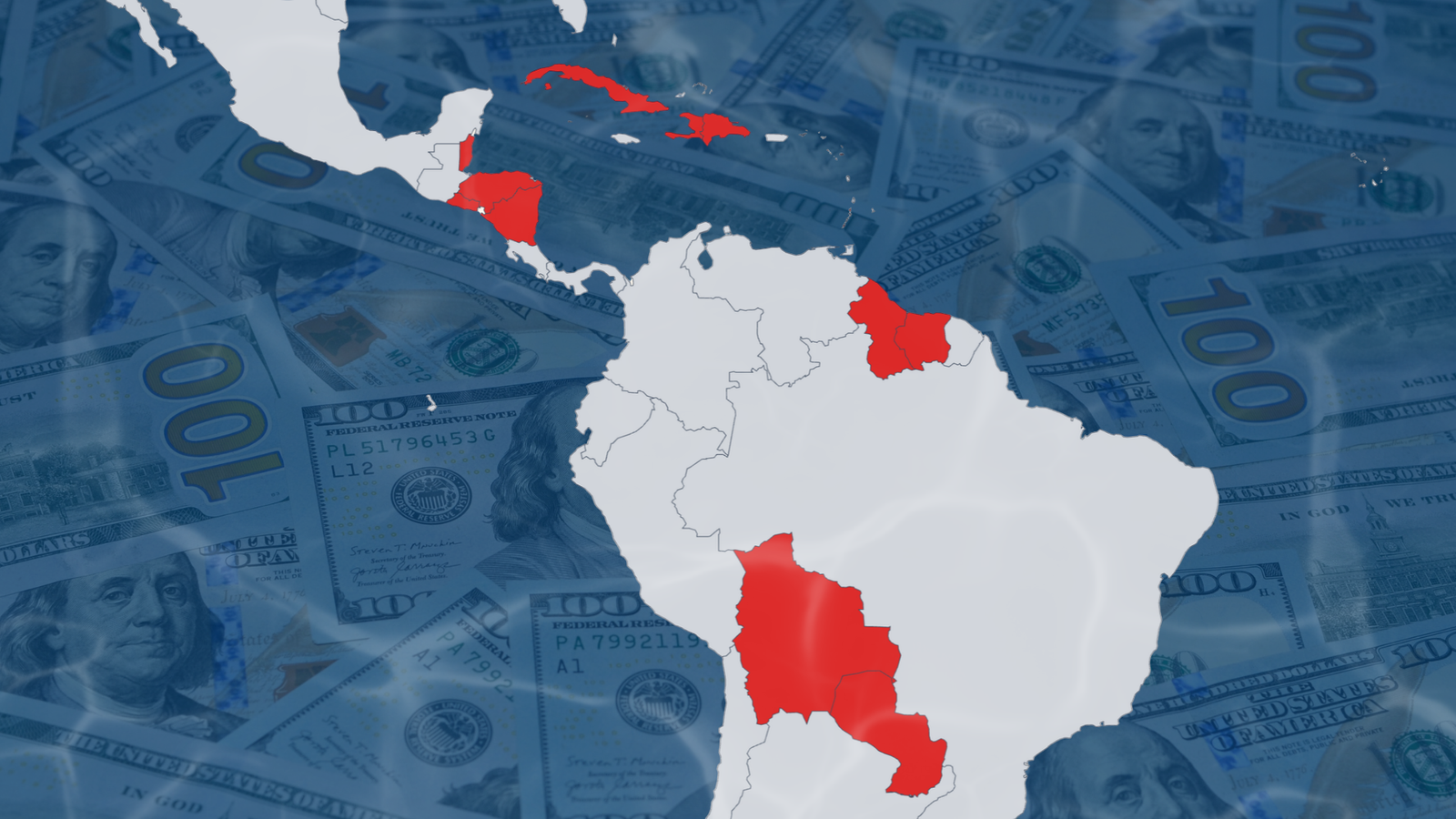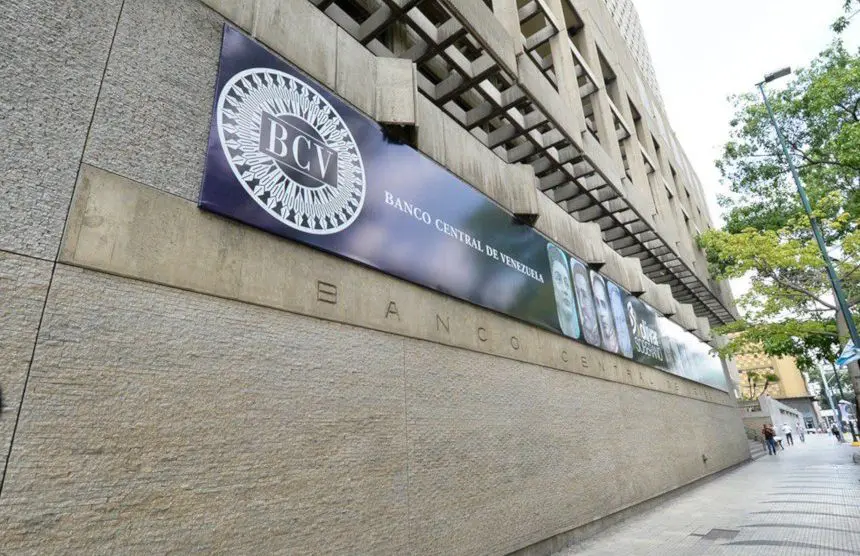
In recent weeks, Washington has moved toward easing sanctions and favored agreements to expand its commercial alliance with Caracas. Photo: United States Embassy in Venezuela.
Guacamaya. April 14, 2026. The U.S. Department of the Treasury has issued two general licenses that could help reintegrate Venezuela into the international banking system and allow foreign contractors to enter the country.
General License No. 57 affects the Central Bank of Venezuela and three state institutions: Banco de Venezuela, Banco Digital de los Trabajadores (Digital Workers’ Bank), and Banco del Tesoro (Treasury Bank).
The main impact of this measure will be the direct receipt of billions of dollars in oil revenue and the country’s reintegration into the global financial system dominated by Washington.
General License No. 56, on the other hand, authorizes negotiations for commercial contracts with the Government of Venezuela, which would mean opening the door to infrastructure works and services for foreign companies.
While these measures open a very wide window for financial operations linked to the Central Bank of Venezuela and other entities, they do not lift the entire sanctions regime. Conditions and restrictions imposed by the Department of the Treasury remain in place.
The new licenses also accompany reports that there could be changes in the leadership of the BCV in the coming days, although this information has not been confirmed.
What does License 57 allow?
The license authorizes financial operations related to the Central Bank of Venezuela, Banco de Venezuela, Banco Digital de los Trabajadores, and Banco del Tesoro, as well as entities in which these institutions have a 50% or greater stake. It also covers individuals whose assets are blocked solely for belonging to the “Government of Venezuela” under Executive Order 13884, as long as they are not on OFAC’s sanctions list.
The definition of “financial services” is very broad and includes accounts, loans, transfers, dollar correspondent banking, currency exchange, card payments, digital wallets, remittances, payroll processing and other employee benefits, as well as cybersecurity services and certain investments and operations involving securities and futures.
In practice, this allows authorized banks and financial actors to once again interact with the dollar system and process payments, payrolls, and transfers linked to those entities, as long as they remain within the scope of the license.
What does License 57 prohibit?
The license does not authorize the unfreezing of frozen assets under any part of Chapter V of Title 31 of the Code of Federal Regulations. Nor does it permit any other transaction prohibited by the Venezuelan Sanctions Regulations if not covered by a separate authorization.
Additionally, it does not eliminate other U.S. legal obligations, including the Bank Secrecy Act, the USA PATRIOT Act, and FinCEN rules, so regulatory compliance remains in effect.
License 56: Contracts with the State
This new measure authorizes companies and individuals to negotiate commercial contracts with the Government of Venezuela, including preliminary agreements, memoranda of understanding, and proposals regarding public tenders.
In practice, this license could open the door for large companies such as General Electric or Siemens to participate in the reconstruction of the National Electric System, as well as to launch tenders for foreign companies for other infrastructure projects.
However, separate OFAC authorization is required to execute the contracts. This framework has already been used with recent licenses for oil and mining.
Political interpretation
OFAC’s opening makes it clear that Washington is easing the financial channel but not fully dismantling the sanctions apparatus.
This means the measure aims to facilitate payments, wages, remittances, and specific banking operations, though without automatically returning all frozen assets or opening the door to transactions outside of what is expressly permitted.
In short, License 57 helps move money and financial services, but it does not amount to a general lifting of sanctions.
This action, generally speaking, favors the pursuit of stabilization for Venezuela’s crisis-hit economy, as well as the boosting of the oil sector under the new government of acting President Delcy Rodríguez. This change comes after the capture of Nicolás Maduro on January 3 in a U.S.-led military operation, which has taken a significant role in a new era of commercial exchange with Venezuela.
However, sanctions bureaucracy has delayed key disbursements, complicating the situation from the Venezuelan government’s perspective. Last month, public employees in Caracas protested over monthly wages of around $160 — compared to $237 in the private sector — according to the Associated Press. Delcy Rodríguez promised wage increases starting May 1 and yesterday urged the population to demand an end to sanctions.
Elías Ferrer collaborated with the writing of this article.