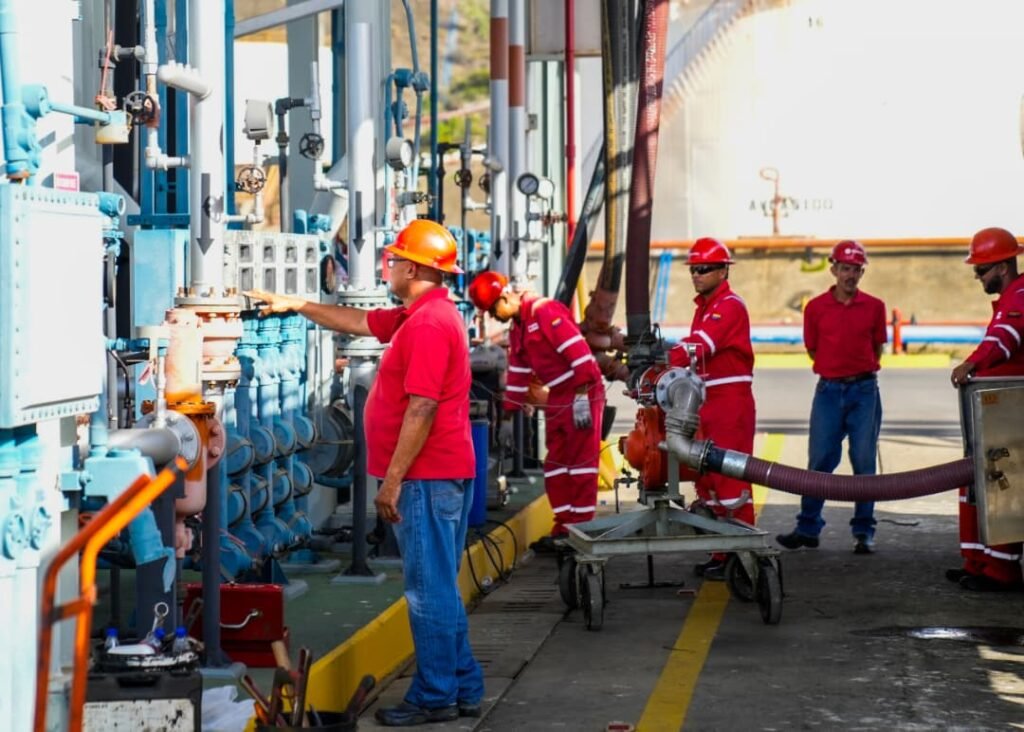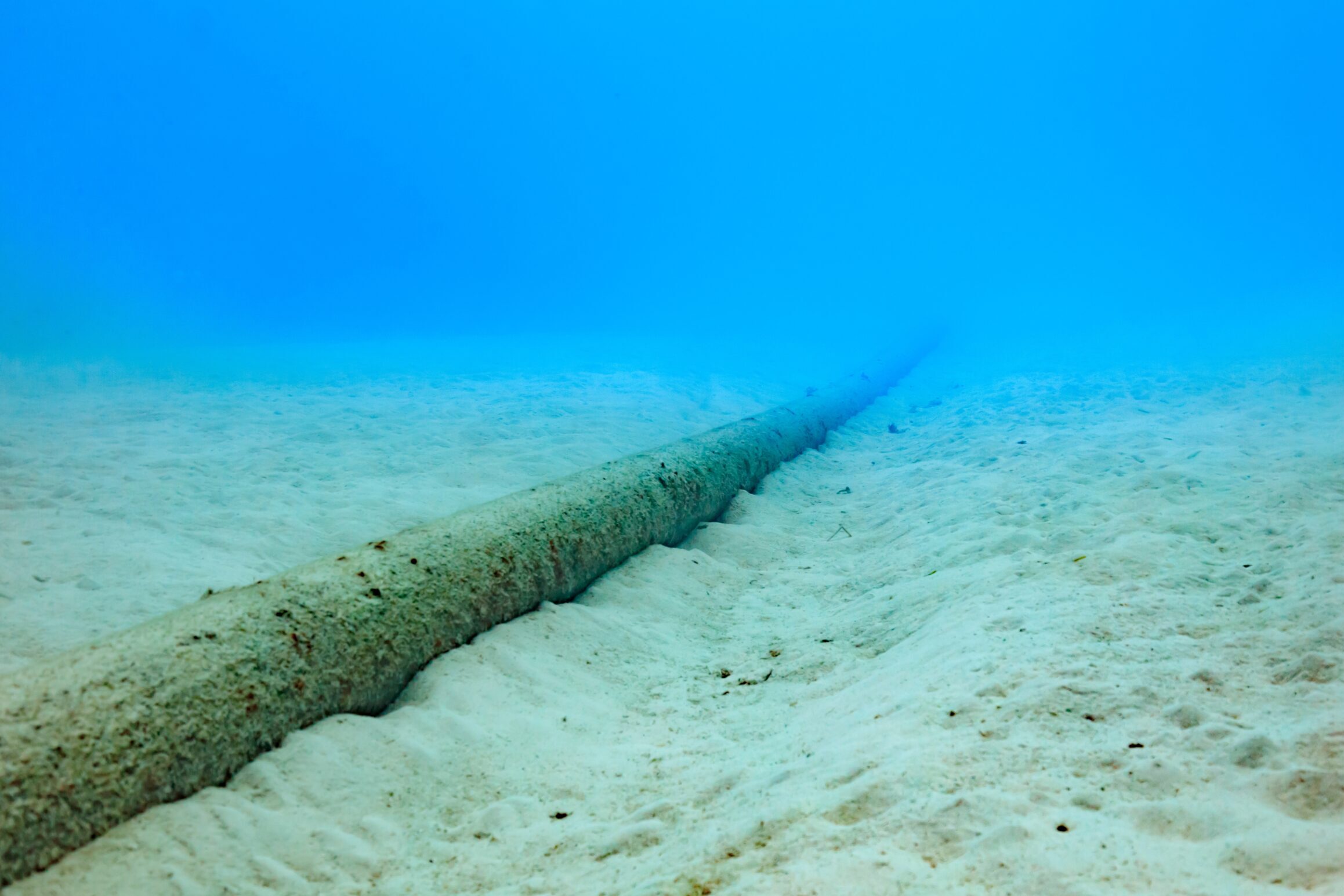
Conatel has reported that more than half of internet subscribers depend on fiber optics, underscoring the need for a robust infrastructure. Image: iStock | Norimoto.
Guacamaya, July 22, 2026. On June 24, Venezuela suffered a double seismic event of magnitudes 7.2 and 7.5 that not only devastated onshore infrastructure but also broke the country’s main digital artery: the South American Crossing (SAC) submarine cable. This break, located exactly 1.8 kilometers from the Puerto Viejo station in Catia La Mar, reduced the nation’s international internet capacity to a critical 50%.
Although Cirion Technologies, the owner of the affected cable, managed to stabilize Caracas’s connectivity ring within just 48 hours and progressively restored critical services in hospitals and banks, the fault has caused intermittent outages for weeks.
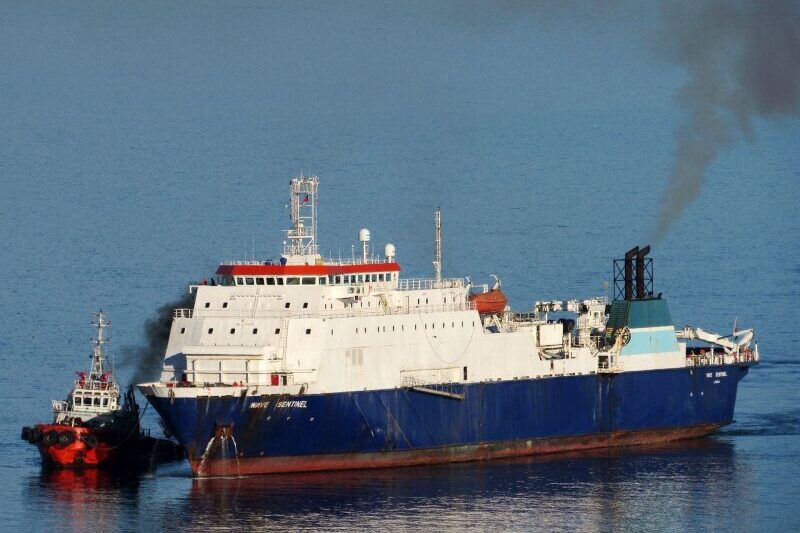
However, the arrival of the specialized vessel Wave Sentinel this Monday marked the start of a highly complex engineering operation to fully restore connectivity.
How is Cirion repairing the network in the depths?
Repairing the submarine cable—necessary to fully restore Venezuelans’ window to the world—is no simple task. The work involves handling fiber-optic filaments as thin as a human hair at abyssal depths. This can take days or even weeks, although the initial estimate for the SAC case is 15 days.
The process began with the descent of a remotely operated vehicle (ROV) from the Wave Sentinel, which located the two ends of the broken cable on the seabed. Once the ends were recovered to the surface, engineers had to work in a dust-free laboratory aboard the vessel to perform laser fusion of the fiber, joining the glass strands using extreme heat.
Finally, the splice area is protected with a watertight steel armor capable of withstanding water pressure before being lowered back to the bottom. Interestingly, these cables are not anchored to the seabed in deep areas; their own weight and the calm of the abyssal zones are enough to keep them stable.
Cirion Technologies, the company responsible for the affected cable, managed to expedite repair arrangements through its participation in global maintenance cooperatives, which allowed it to secure priority access to a specialized vessel in record time.
In addition, coordination with Conatel was key to reducing customs procedures and government permits from the usual 45 days to just 14 days.
Emergency solutions: Satellites and mesh networks to the rescue
In the face of the collapse of the traditional system, various companies rolled out contingency solutions, especially along the central coast.
Movistar Venezuela, in partnership with Starlink, activated a free satellite SMS service so that customers in La Guaira could communicate without relying on downed terrestrial antennas. Digitel, meanwhile, incorporated low‑orbit connectivity to strengthen its base stations, while the company Fibex installed free Wi‑Fi access points in disaster zones.
On the technology front, alternative solutions emerged, such as the Bitchat app and the Venezuelan project Guacamaya, which use Bluetooth mesh networks to enable short-message exchange between nearby devices without needing internet.
Venezuela’s submarine map and its providers
The map of Venezuela’s international connectivity is defined by a network of five main submarine cable systems landing at 15 strategic points along its Caribbean coast. This infrastructure is the backbone that carries 99% of the country’s data traffic, far exceeding the capacity of satellite connections.
The SAC, jointly operated by Cirion Technologies (which owns three fiber pairs) and Sparkle (which owns one fiber pair), is the most relevant for outbound traffic to the United States and other South American countries. The country also has active systems such as ALBA‑1 (Cantv and Transbit), ARCOS (multi‑owner), GlobeNet (V.Tel), and Venezuelan Festoon (Cantv).
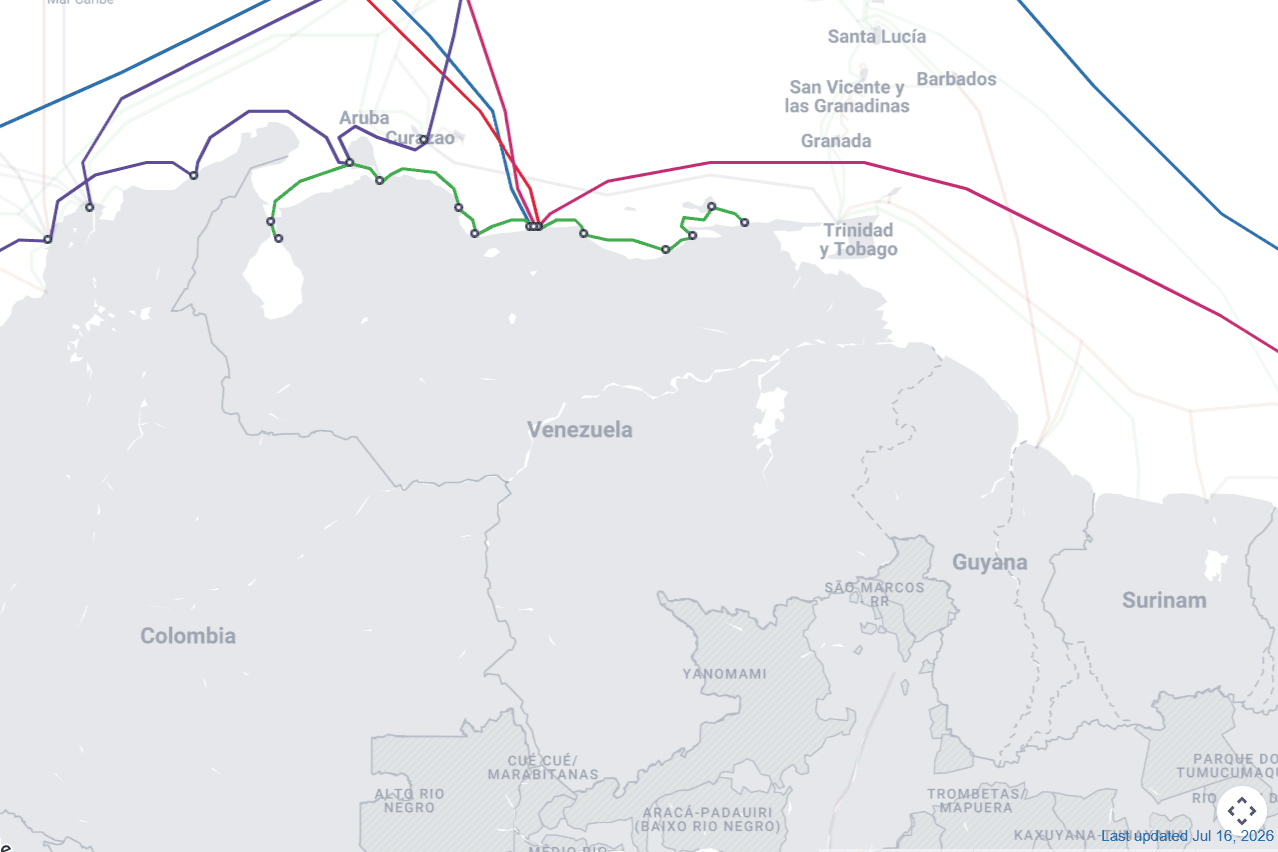
The geographic distribution of these cables shows a high concentration of landing points in La Guaira—specifically, four of the five fiber‑optic routes mentioned. This centralization creates single points of failure (SPOF), meaning that a single geological event can compromise not only national connectivity but even multiple international systems simultaneously.
The redundancy of this map stands at 1.5 points, according to data from Submarine Cable Map, which means the country critically depends on these few routes operating without interruption to sustain its digital economy and essential services like banking and healthcare.
The digital context and opportunities for improvement
Before the disaster, Venezuela’s telecommunications sector showed steady growth, albeit with pronounced regional gaps. According to Conatel estimates for the second quarter of 2025, internet user penetration reached 75.23%. However, other reports, such as those from DataReportal or State Global Research, place penetration between 61.6% and 78%, respectively, as of 2026.
In terms of speed, the country has also seen significant improvement. Average fixed‑network speeds reached 96 Mbps, according to the SpeedTest 2025 report, ranking Venezuela 65th globally. Median mobile connection speed stands at 25.42 Mbps, reflecting 86% growth in a single year.
Fiber optics, meanwhile, have consolidated as the dominant technology, already accounting for 51.32% of traditional subscribers. However, the SAC disruption demonstrated that modernization must go hand in hand with greater structural stability.
Opportunities for service improvement include decentralizing cable landing points to other coasts and encouraging investment in cross‑border terrestrial links. Modernizing regulatory frameworks and adopting hybrid technologies (satellite‑fiber) will ensure that, in future natural disasters, the impact on the digital economy lasts hours rather than weeks.