The financial group, which was in Venezuela for more than 100 years, is holding talks with the Trump administration to evaluate its return to the country after five years away. Photo: Daniel Foster.
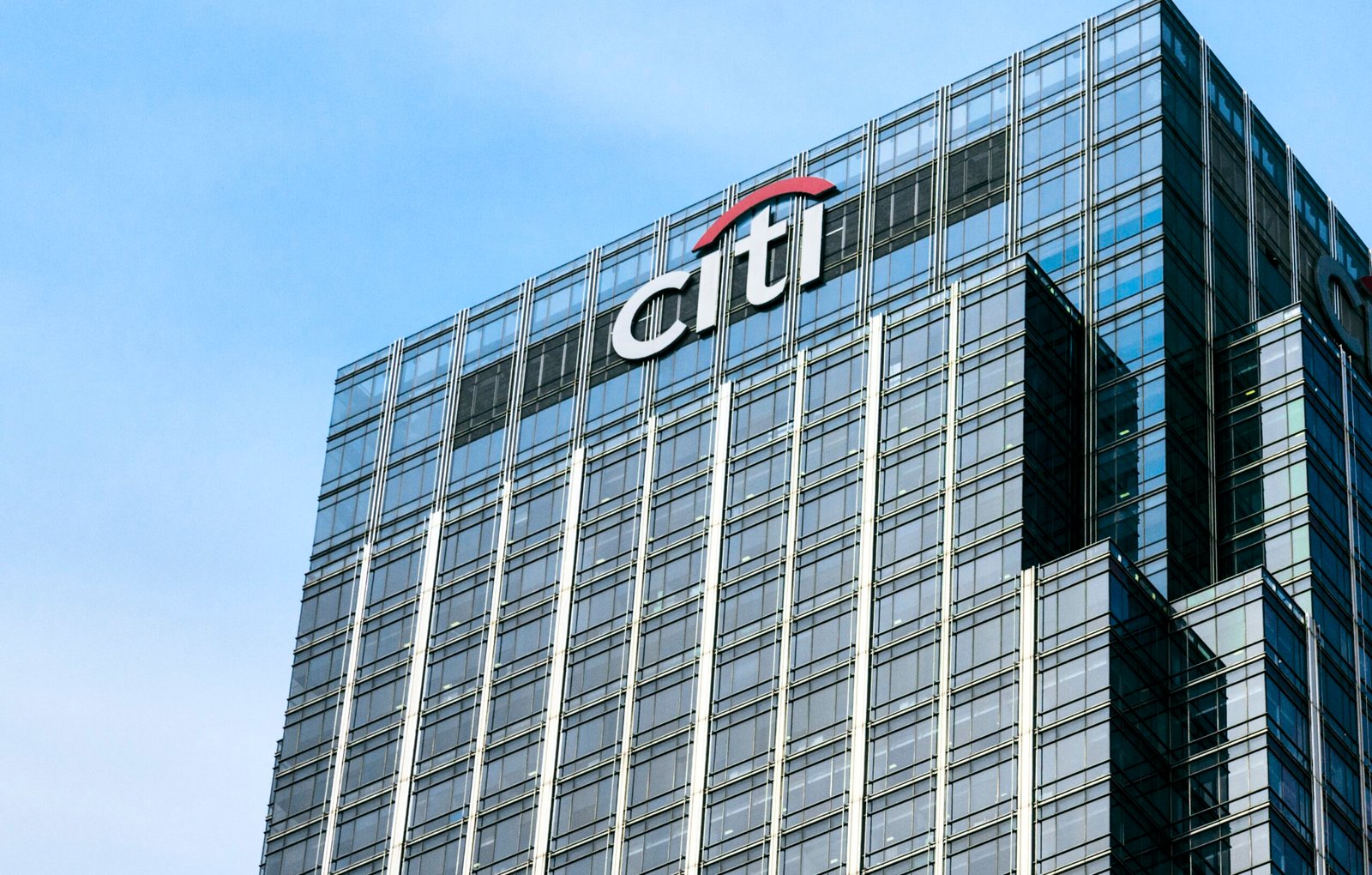
Guacamaya, November 26, 2026. The U.S. financial institution Citigroup is holding talks with officials from the Trump administration to evaluate the conditions for a possible return to the Venezuelan market, which could begin through correspondent banking, according to a report first published by Bloomberg.
Its re-entry would facilitate financial operations for U.S. companies with interests in the country, including Chevron and ExxonMobil, in a context of economic opening, easing of sanctions, and reactivation of the oil industry.
Citigroup, one of the main financial corporations in the United States, is evaluating the possibility of returning to the Venezuelan market five years after its exit, in an initiative that could represent a new step in the normalization of financial ties between Venezuela and the United States.
The third-largest bank in the United States remained in the South American nation for more than one hundred years, from its arrival in 1917 until 2021, when it sold its operations to BNC.
According to Bloomberg, citing sources familiar with the talks, senior executives of the bank are in contact with officials from the State Department and the Treasury Department to determine how its re-entry would occur and what sanctions exemptions would be necessary to operate in the country.
The eventual return of a financial institution of Citi’s magnitude could become a relevant element of the rapprochement process between both countries, by providing banking infrastructure for the commercial and financial operations of companies seeking to expand their exposure to the Venezuelan market.
According to the sources cited by Bloomberg, the bank’s return would not necessarily imply the immediate opening of offices or branches. In a first stage, Citi would be considering establishing correspondent banking relationships with financial institutions already operating in Venezuela, which would make it possible to facilitate international payments, transfers, trade settlements, and other cross-border operations without initially assuming the costs and risks of a physical presence.
Correspondent banking is particularly important for economies facing restrictions on access to the international financial system, because it allows local banks to process transactions in foreign currencies, maintain relationships with international entities, and facilitate commercial operations with companies and suppliers in other countries. Citi’s incorporation into this network could improve Venezuelan financial connectivity, reduce some of the frictions associated with dollar operations, and facilitate the movement of resources linked to authorized economic activities.
Although neither Citigroup nor the U.S. departments involved offered comments on the talks, the institution’s interest adds to that of other banks that, according to Bloomberg, have also raised with U.S. officials the possibility of returning to or expanding their activities in Venezuela.
Curiously, while several of the large U.S. investment banks, such as JPMorgan, Bank of America, and Jefferies, have visited Venezuela this year, only Citigroup would be willing to establish an on-the-ground presence, due to its previous experience and its extensive presence in the region.
Chevron and ExxonMobil: The Oil Interest Behind Banking Normalization
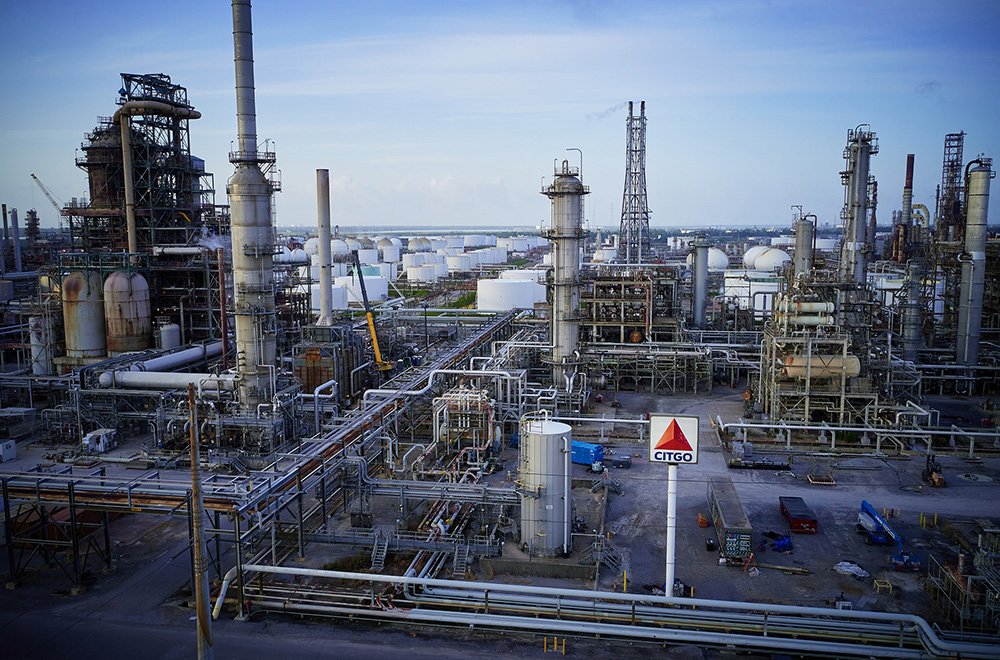
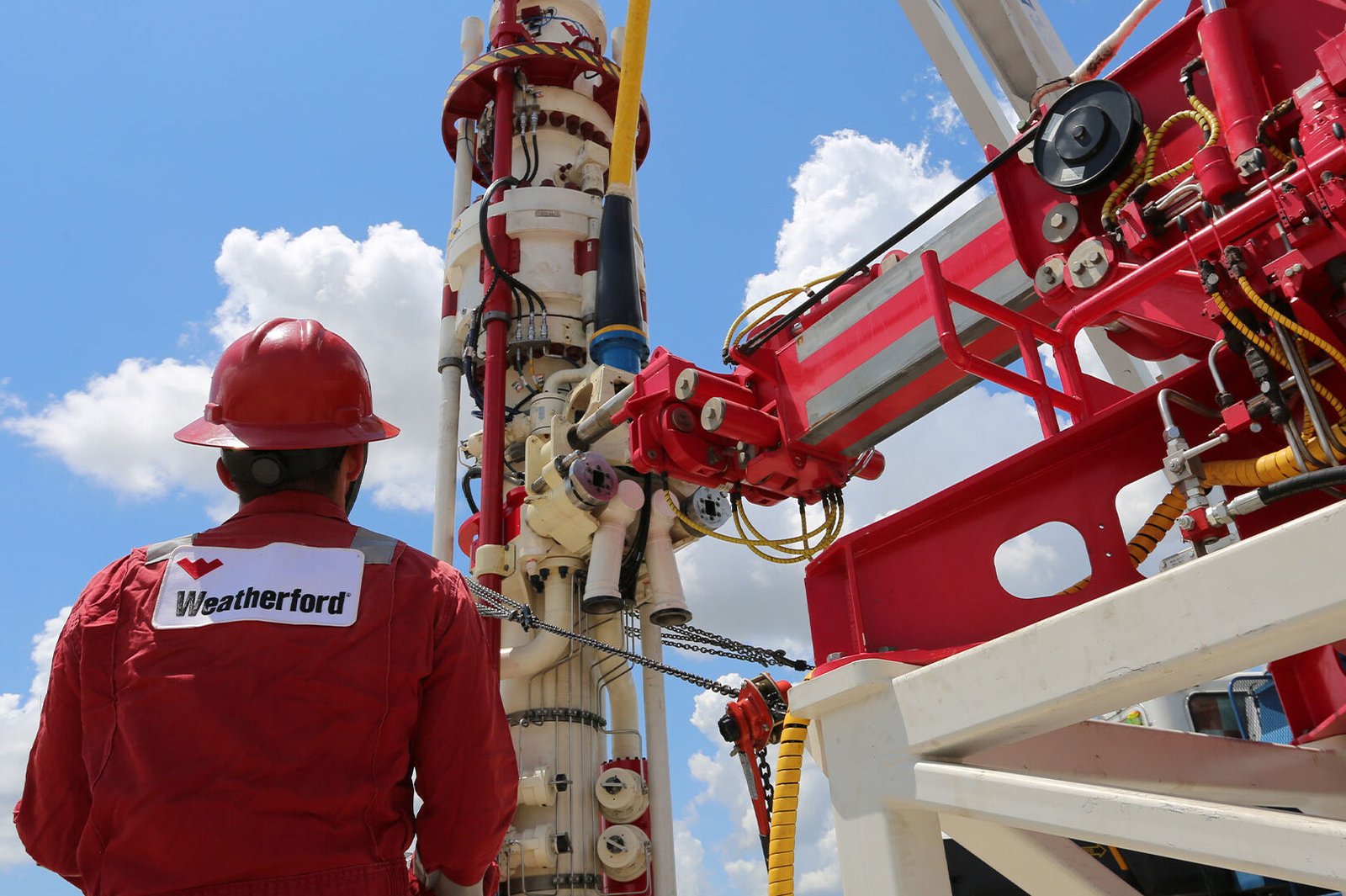
One of the most relevant aspects of a possible return of Citigroup to Venezuela is the impact it could have on the operations of the main U.S. oil companies. Bloomberg notes that Chevron and ExxonMobil, two important clients of the institution, could benefit from the normalization of financial and commercial relations with Venezuela.
The recovery of international banking channels is particularly important for companies operating in capital-intensive sectors, such as hydrocarbons, where projects require large volumes of investment, international payments, contractor hiring, equipment acquisition, and long-term financial management mechanisms.
In Chevron’s case, the company maintains an operational presence in Venezuela and is one of the main U.S. players within the national oil industry. Greater availability of international banking services could facilitate the operation of its joint ventures, the acquisition of supplies and equipment, payments to contractors and suppliers, as well as the management of resources linked to its operations.
ExxonMobil, for its part, represents a different dimension of the potential for economic normalization. The company maintains a historic dispute with Venezuela over the nationalization of its oil assets and the compensation derived from the expropriations. Its eventual return is not being considered because of Citi’s possible re-entry, but greater openness of the financial system and the reconstruction of economic relations between Washington and Caracas could help create conditions for large international companies to reconsider their opportunities in the country.
The interest also has a regional dimension. ExxonMobil has been the protagonist of one of the largest recent oil expansions in Guyana, where offshore discoveries transformed the country’s economic prospects and positioned it as one of the new centers of energy growth in South America.
Citi, precisely, opened an office in Guyana in September, expanding its presence in a market that has gained international relevance due to the development of its oil resources. The geographic proximity between Guyana and Venezuela, as well as the growing importance of both countries for the regional energy market, reinforces the strategic interest of financial institutions in expanding their presence in northern South America.
In this context, the recovery of Venezuelan financial connectivity could benefit U.S. oil companies not only through access to banking services, but also through a more favorable environment for trade, investment, international contracting, and the development of energy projects. For Chevron, this could facilitate the expansion of its existing operations; for ExxonMobil, it would help improve the general conditions under which it could evaluate possible future opportunities in the country.
Citi and Its Historic Relationship with Venezuela
Citi’s arrival in Venezuela occurred on November 10, 1917, when the then National City Bank of New York opened its operations in Caracas. Its establishment coincided with a period in which the Venezuelan economy was beginning to experience structural changes and foreign capital was acquiring growing importance in the development of commercial, financial, and, progressively, oil activities.
The U.S. bank’s presence was not an isolated event. During the first decades of the 20th century, various international financial institutions began to establish themselves in Venezuela to accompany the expansion of business and respond to the growing need for financing, banking services, foreign exchange, and connections with international markets. In October 1916, for example, the Royal Bank of Canada had arrived, and in 1917 the American Mercantile Bank of Caracas was also established, which would become today’s Banco Mercantil.
The expansion of foreign banking coincided with Venezuela’s transformation into an economy increasingly linked to hydrocarbons. The development of the oil industry began to attract international companies, capital, workers, technology, and new needs for financial intermediation. Citi identified that process and established a presence in the country to serve the operations of international companies and the financial needs of an economy that was beginning to integrate more strongly into global trade.
In 1917, Venezuela was under the dictatorship of Juan Vicente Gómez, who had consolidated power after assuming the presidency in 1908. The country was still predominantly rural and depended on the export of agricultural products, especially coffee and cocoa, but it was beginning to acquire growing importance for foreign oil companies.
During the preceding years, the government had granted exploitation concessions to international companies, mainly British, Dutch, and American, in a context of scant specifically oil-related regulation and favorable conditions for foreign capital.
In that context, the arrival of National City Bank of New York—later Citibank—in 1917 coincided with the beginning of a transformation that would end up redefining the Venezuelan state. The expansion of oil activity would increase demand for financial services, foreign currency operations, commercial financing, and mechanisms to mobilize foreign capital.
Although coffee remained one of the main export products, Venezuela was beginning to position itself as a territory of growing interest for large energy companies and international financial institutions. Oil would become the country’s main economic activity starting in 1922, accelerating its insertion into the global economy and consolidating an increasingly close relationship with the United States.
The bank arrived before Venezuela fully became an oil economy and accompanied much of the transition toward that model. More than a century later, the possibility of its return comes at a time when oil is once again occupying a central place in discussions about economic recovery, foreign investment, and Venezuela’s reintegration into international markets. The coincidence between both moments—the beginning of oil expansion and a possible financial reopening—makes it possible to understand the symbolic and strategic character that the return of an institution that has been part of Venezuelan economic history for more than one hundred years would have.
Citi arrived when Venezuela was beginning to become an oil power, and its eventual return could occur when the country is trying to rebuild precisely its economy around the recovery of that same sector.
Citi had hundreds of employees and an important commercial presence before announcing its exit in 2021, when it sold its operations to Banco Nacional de Crédito (BNC).
The withdrawal was marked by an environment of growing economic deterioration, regulatory restrictions, and concerns about the safety of its executives. According to Bloomberg, the episode occurred amid tensions after Venezuelan authorities arrested executives of another U.S. company that was closing its operations. The situation generated fears within the institution and contributed to the decision to leave the market.
However, leaving Venezuela did not mean that Citi stopped having financial ties to the country. In June, Secretary of State Marco Rubio stated before a congressional committee that revenue derived from the sale of Venezuelan oil was being held in a U.S. Treasury account at Citigroup, which shows the role the institution continues to play in managing certain resources linked to Venezuelan oil operations.
The relationship between Citi and Venezuela was also marked by a large-scale financial operation. During Jane Fraser’s first year at the helm of the bank’s Latin American business, in 2015, the entity signed a four-year financial swap contract with Venezuela, through which it granted a loan of approximately $1.1 billion backed by gold.
After the Central Bank of Venezuela defaulted on the deadlines to repurchase the metal, Citi proceeded to sell the gold and deposited approximately $260 million in a U.S. account that was previously controlled by the Venezuelan institution. The operation became one of the most relevant financial episodes in the relationship between Caracas and the bank, and contributed to deepening the country’s economic difficulties at that time.
Jane Fraser, current CEO of Citigroup, also maintains a professional connection to Latin America. Born in Scotland and a Spanish speaker, she led the bank’s Latin American business from Miami between 2015 and 2019, which provided her with direct experience with the region and its markets.
In September, during a Bloomberg conference in New York, Fraser referred cautiously to the Venezuelan situation and expressed her expectations that new leadership and changes in the country’s political agenda would emerge. Her statements reflected the importance the institution attributes to the political and regulatory environment in determining the viability of returning to a market it left five years ago.
Venezuelan Debt and the Return of International Banks
Citi’s eventual return also coincides with Venezuela’s efforts to move forward on a restructuring of its external debt, a process that could prove fundamental to regaining access to international capital markets and attracting new investment.
Earlier this week, Venezuelan authorities presented investors with information on the country’s public finances, in what represents one of the first fiscal and macroeconomic transparency efforts in recent years. According to the macroeconomic framework published by the government, Venezuela’s public debt reached $237.5 billion in 2025, a figure that reflects the magnitude of pending financial commitments and the challenges the country faces in normalizing its relations with international creditors.
The participation of large international banks could be relevant in a possible restructuring, not only because of their capacity to offer financial services, but also because of their experience in debt markets, capital operations, corporate financing, risk management, and transaction structuring. However, Citi’s return does not necessarily imply direct participation in the Venezuelan debt renegotiation process, but rather represents a possible recovery of banking ties that could facilitate the country’s economic and financial activity.
Other actors are also beginning to position themselves. JPMorgan Chase, which historically had a presence in Venezuela, has remained inactive in the market for years. Meanwhile, Erebor Bank, an emerging entity founded by entrepreneur Palmer Luckey and close to Peter Thiel, has signed agreements to offer correspondent banking services in the country, which reflects the interest of new institutions in exploring opportunities in a market that could experience important changes in the coming years.
A Possible Turning Point for the Venezuelan Economy
Citigroup’s eventual return could become one of the most relevant indicators of Venezuela’s financial reintegration into international markets. Although its eventual re-entry would begin in a limited way, through correspondent banking relationships, its presence could facilitate the development of commercial operations, strengthen international payment mechanisms, and help improve conditions for foreign investment.
For the Trump administration, the reincorporation of a financial institution of this size would also have political and economic value. The recovery of banking ties could serve as a mechanism to facilitate the return of U.S. companies, strengthen Washington’s participation in strategic sectors, and promote greater openness of the Venezuelan economy.
The process, however, will depend on regulatory conditions, sanctions exemptions, legal certainty, institutional stability, and the country’s ability to offer guarantees to investors. Citi’s experience in Venezuela shows that the size of economic opportunities does not necessarily compensate for the risks of operating in an environment of high uncertainty.
In a scenario of greater normalization, banking could become one of the first sectors to accompany the reactivation of economic relations between Venezuela and the United States. Citi’s eventual return, together with the interest of other entities, could open a new stage for Venezuelan financial connectivity and, at the same time, facilitate the conditions for companies such as Chevron and ExxonMobil to evaluate their interests in one of the most important energy markets in the hemisphere.