
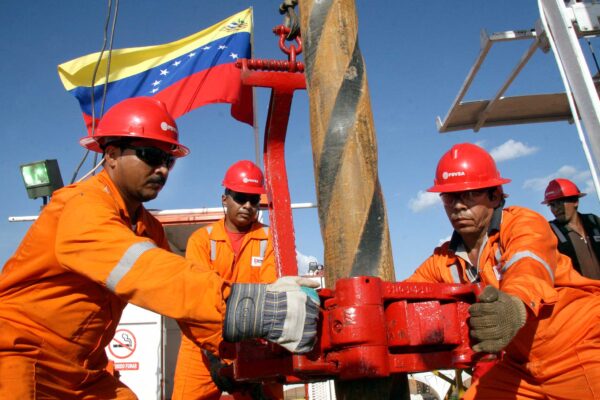
Bloomberg: Chevron to Pay the Venezuelan State With Crude Oil
U.S. energy corporation Chevron will pay the Venezuelan government in oil instead of bolivars or other currencies, according to sources consulted by Bloomberg.


U.S. energy corporation Chevron will pay the Venezuelan government in oil instead of bolivars or other currencies, according to sources consulted by Bloomberg.

The crisis in the Red Sea has taken a new turn. Yemen’s Houthi rebels announced the expansion of their naval blockade against Israel, declaring that they will attack any vessel with commercial ties to Israeli ports, regardless of its flag or destination. This decision, made after the breakdown of peace talks in Doha, increases the risk to maritime traffic along a route that handles approximately one trillion dollars in goods annually.
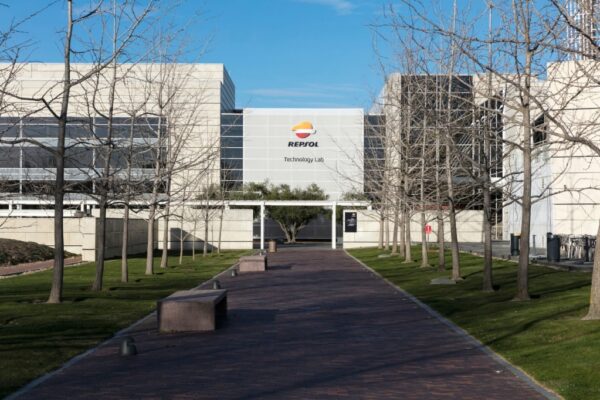
Repsol remains “hopeful of finding some kind of framework” to “monetize” its production in Venezuela amid ongoing discussions with the U.S. government under Donald Trump, as stated by the group’s CEO, Josu Jon Imaz, during the presentation of its first-half earnings.

The administration of President Donald Trump has issued a license allowing Chevron to produce oil in Venezuela despite existing sanctions, according to sources consulted by The Wall Street Journal.

Chevron has successfully completed its $53 billion acquisition of Hess after winning a legal battle against ExxonMobil.

Chinese refineries posted their highest level of activity since September 2023 in June, processing 15.2 million barrels per day (bpd) of crude oil, up 8.5% from the same month last year. The rebound was due to the end of seasonal spring maintenance and improved refining margins — particularly for diesel — which encouraged plants to ramp up operations ahead of the summer demand peak.

Venezuela’s oil production saw a slight increase in June, according to the Organization of the Petroleum Exporting Countries’ (OPEC) monthly report.

The oil cartel predicts that the world will need nearly 123 million barrels per day in 25 years, driven by developing economies, despite the rise of electric vehicles and renewable energy.
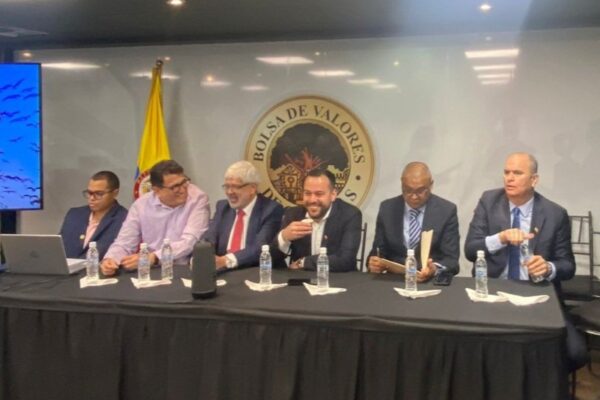
Monómeros is seen by the Colombian Government as a fundamental pillar for agricultural development, food price stability, and regional integration….

The OPEC International Seminar has established itself as the organization’s premier dialogue forum outside of technical and ministerial meetings. Held periodically in Vienna since 2001, this event brings together energy and oil ministers from member and non-member countries, executives from major oil companies, academics, analysts, and representatives of financial institutions. Its purpose is to discuss trends in the energy market, demand evolution, the energy transition, and the role of fossil fuels in a changing world. This year’s edition, the ninth, takes on special relevance amid geopolitical tensions and growing demands to reduce carbon emissions.