
Oil Tankers Turn Back Amid Risk of Seizure in the Caribbean Sea, According to Reuters
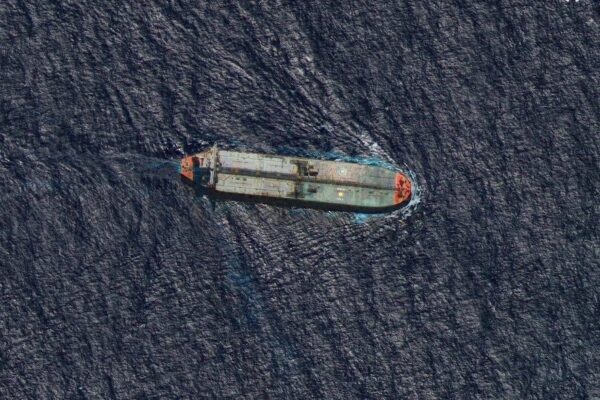
Satellite view of The Skipper, the supertanker intercepted and seized last week with approximately 1.85 million barrels of heavy Venezuelan…


Satellite view of The Skipper, the supertanker intercepted and seized last week with approximately 1.85 million barrels of heavy Venezuelan…
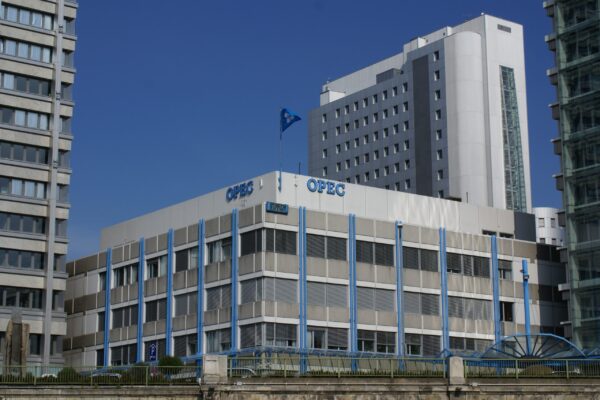
In its latest report, the Organisation of Petroleum Exporting Countries (OPEC) showed that Venezuela’s crude oil production fell by 2.8% to 934,000 barrels per day in November, according to “secondary sources.”
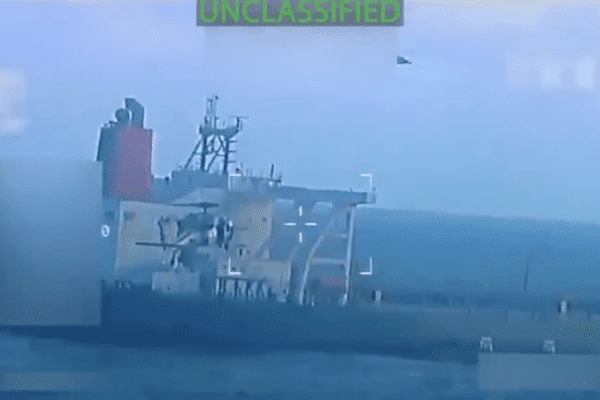
Donald Trump confirmed that US forces confiscated a “large oil tanker” off the coast of Venezuela. The operation, initially revealed by Bloomberg, represents a significant escalation in the bilateral conflict and threatens to further complicate Venezuelan crude exports, at a time of increasing military pressure and sanctions. The incident coincides with the day María Corina Machado received the Nobel Peace Prize.

Venezuela’s oil exports reached 921,000 barrels per day (bpd) in November, according to shipping data and documents seen by Reuters.

Venezuela’s National Assembly on Thursday approved extensions for two joint ventures with Russian state-owned company Petromost, Petroperijá and Boquerón, allowing them to continue their production from 2026 until 2041.
The latest monthly OPEC report, which records October’s production, shows a divergence between the figures from the Ministry of Hydrocarbons, which show an increase of 27,000 barrels per day, and secondary sources, which estimate a drop of 7,000 bpd.
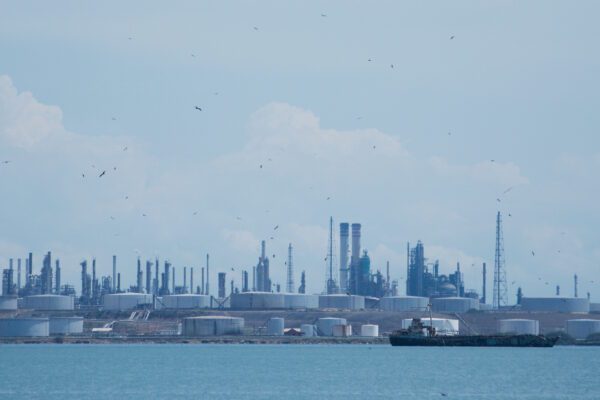
Venezuela’s oil exports declined by 26% to 808,000 barrels per day in October, according to Reuters.

According to the latest OPEC report, Venezuela’s oil production has continued to increase since June despite the imposition of new restrictive measures by the United States.
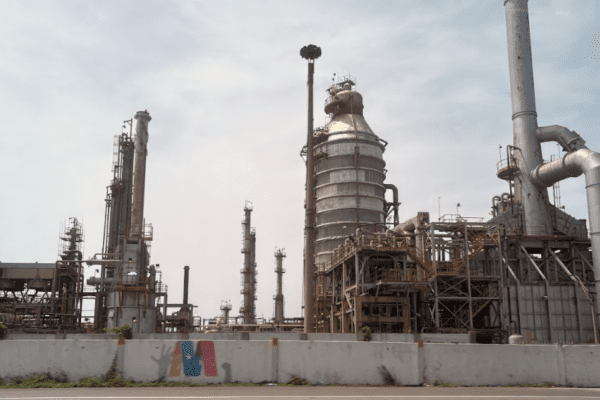
The government of Nicolás Maduro would have offered the United States a dominant stake in Venezuela’s oil and mineral wealth in discussions that lasted for months, in order to stave off a military escalation.
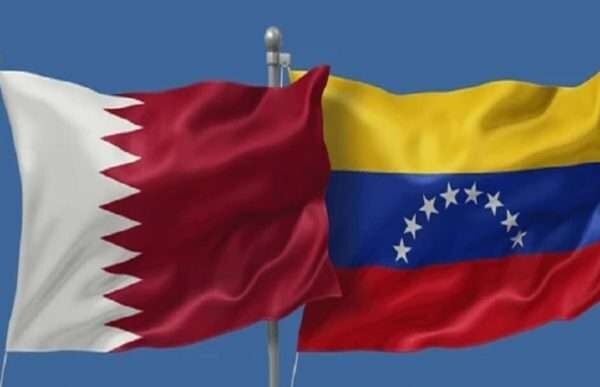
The Gulf emirate, known for its role as a mediator in international conflicts, is keeping a communication channel open between the United States and Venezuela amid tensions over the US military presence in the Caribbean.