
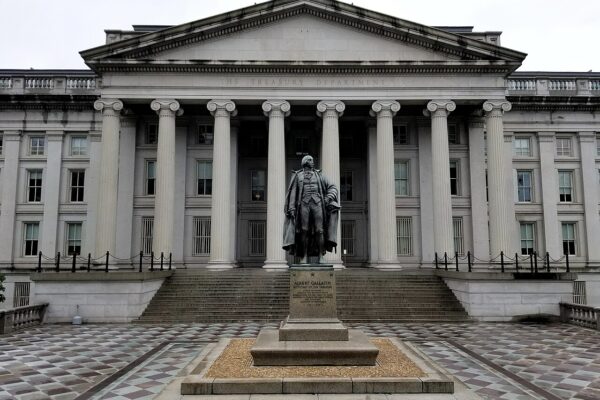
U.S. Sanctions Harry Sargeant’s Company and Two ICC Judges
The Department of the Treasury announced updates on its offensive against the ICC and the new configuration of the oil industry in Venezuela.


The Department of the Treasury announced updates on its offensive against the ICC and the new configuration of the oil industry in Venezuela.
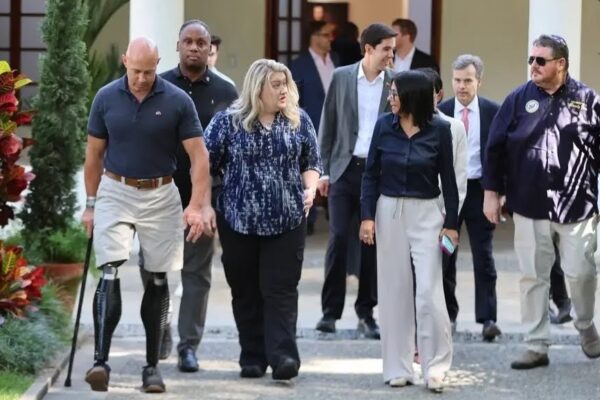
Four distinct profiles —two Republicans close to the pro-Israel lobby, a veteran political operator, and a progressive Democrat critical of sanctions— make up the first House of Representatives mission to set foot in Caracas since diplomatic relations were restored.
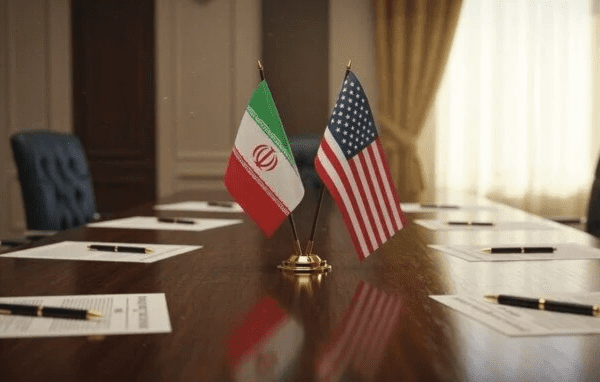
After more than four months of war, the announcement of a memorandum of understanding between the United States and Iran has opened the possibility of ending a conflict that altered the strategic balance of the Middle East, paralyzed maritime traffic in the Strait of Hormuz, and shook global energy markets. However, far from representing a definitive peace, the agreement announced by Donald Trump and confirmed by Tehran appears to be only the beginning of a new and complex negotiation process
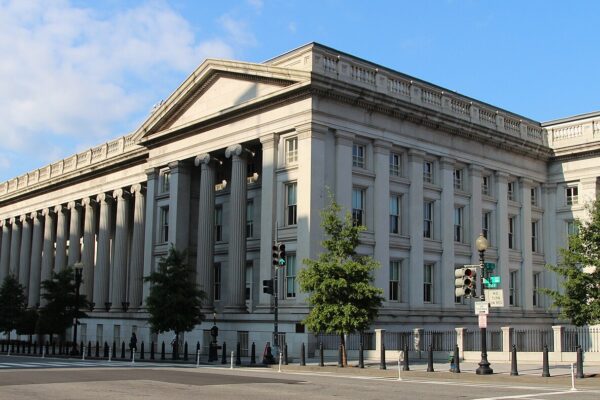
The U.S. Treasury Department’s Office of Foreign Assets Control (OFAC) issued General License 38 on Tuesday, opening a pathway for the restructuring of Venezuela’s sovereign debt.

Venezuela’s hydrocarbon sector is undergoing a phase of reactivation marked by a sustained increase in exports to the United States, the gradual return of interest from major international oil companies, and an intense diplomatic agenda aimed at unlocking energy projects. However, this renewed dynamism coexists with regulatory delays, unresolved disputes, and a still fragile financial environment that conditions the real pace of investment.
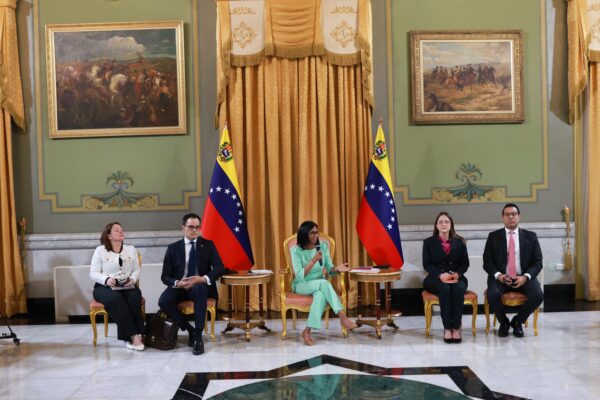
The acting president announced, during a meeting with foreign investors participating in a business trip organized by the company Signum, the dispatch of a Venezuelan diplomatic mission led by Félix Plasencia to Washington, aimed at initiating the diplomatic and consular presence in the United States, just a few hours before the OFAC license was made public.

The Trump administration issued General License 52, which authorizes virtually all transactions with PDVSA related to trading, exploration, and production.
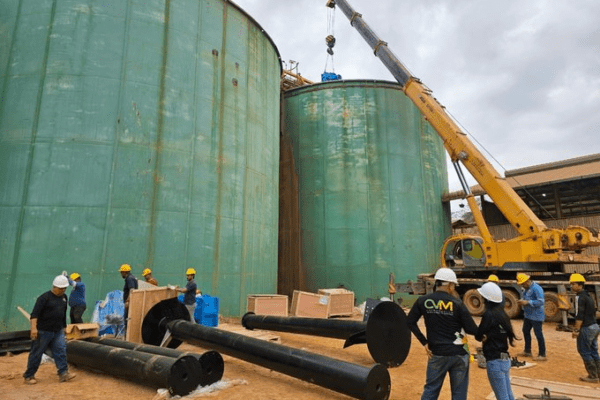
Venezuela is at a turning point in its mining sector: after years of informal gold trade routes and international sanctions, the country is implementing a series of legal reforms, institutional reorganizations, and strategic agreements with international actors such as Trafigura. Acting President Delcy Rodríguez seeks to modernize the Mining Law, formalize artisanal mining, and attract foreign investment, while the United States pressures for lower royalties and to ensure security in extraction zones. With safe corridors, corporate mergers, and responsible sourcing schemes, Venezuelan gold is once again becoming a focal point of geopolitics and the global economy.
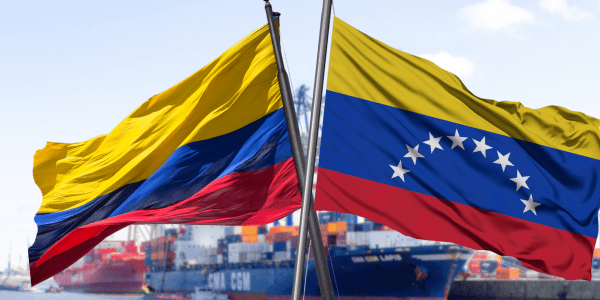
Economic relations between Venezuela and Colombia are beginning to show signs of renewed momentum amid expectations of growth and economic recovery in Venezuela. Authorities and business leaders from both countries have advanced discussions on energy cooperation, oil investment, binational transport and trade, while preparing for high-level political meetings and maintaining key regulatory decisions such as the renewal of the Monómeros license by the United States.
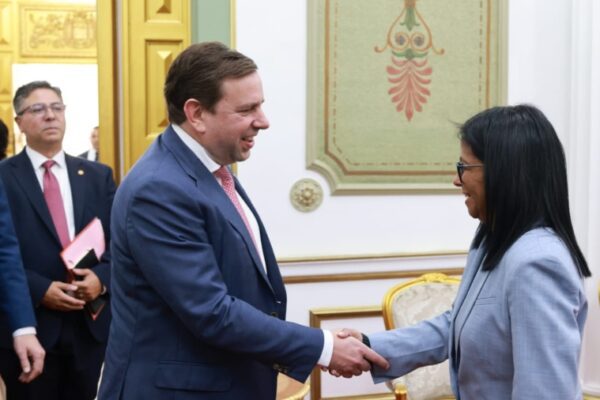
Venezuela is experiencing a rapid reconfiguration of its energy sector and international economic relations, marked by the easing of sanctions, the return of major oil companies, the review of contracts signed during years of isolation, and new negotiations with Washington and Europe.