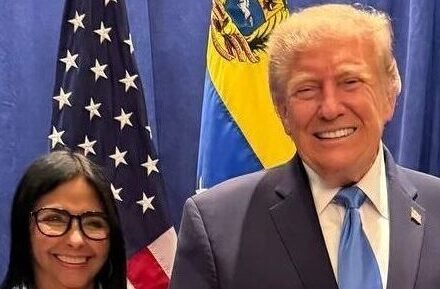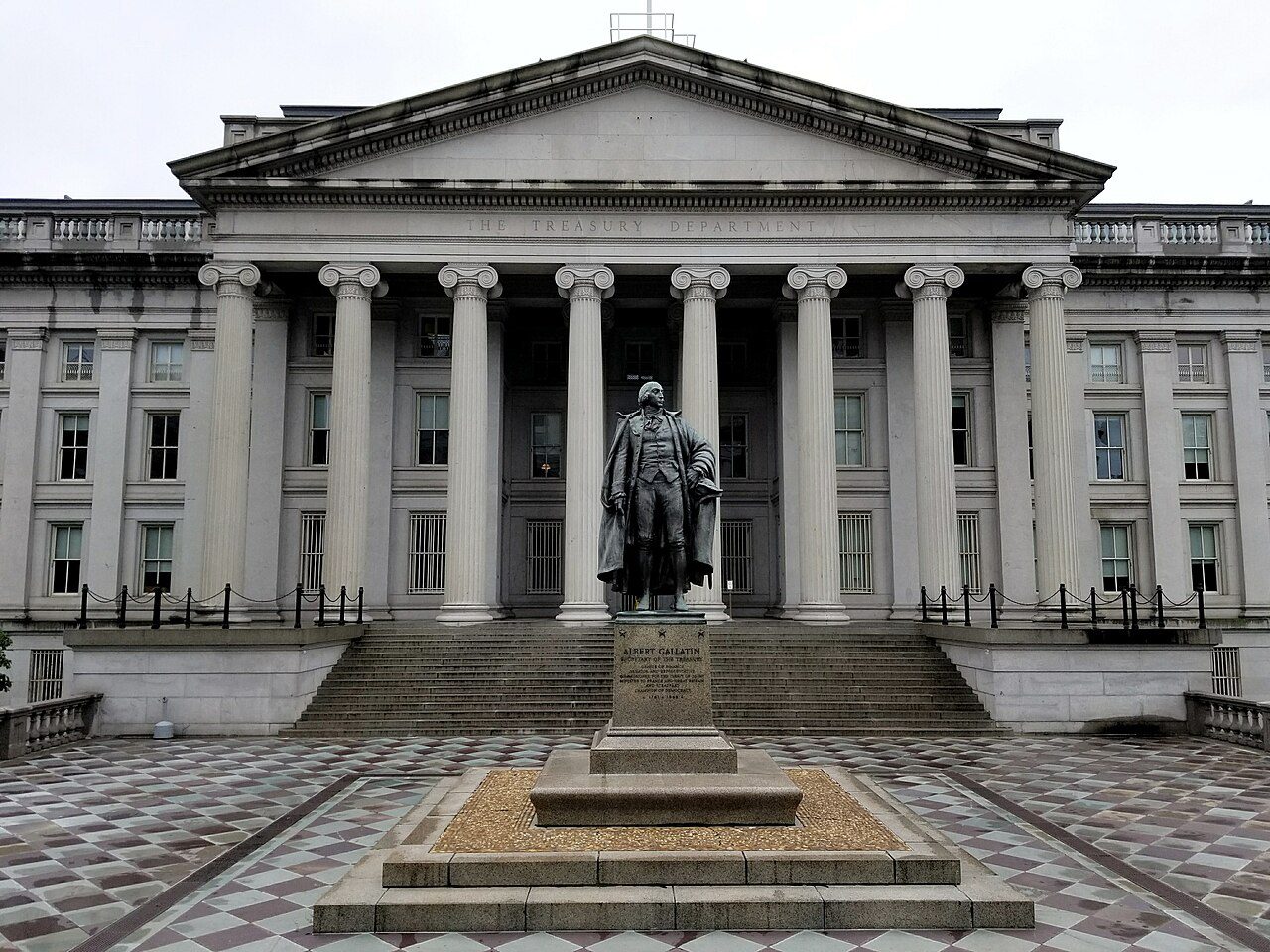
In a single update, OFAC impacted both the International Criminal Court and one of the oil companies with the highest production in Venezuela. Photo: Sealy J.
Guacamaya, August 18, 2026. The U.S. Department of the Treasury, through the Office of Foreign Assets Control (OFAC), announced on August 18 updates on its offensive against the International Criminal Court and the new configuration of the oil industry in Venezuela.
On one front, it added two senior ICC officials to its Specially Designated Nationals (SDN) List, judges Tomoko Akane and Abdoulaye Seye, in a decision that revives tensions between the United States and the Hague-based court.
At the same time, OFAC sanctioned the company Bluewave Properties, the vehicle through which Florida businessman Harry Sargeant III maintained a stake in North American Blue Energy Partners (NABEP), in partnership with Venezuelan Alejandro Betancourt, who would ultimately retain full ownership of the company.
The campaign against the ICC
In the first case, OFAC sanctioned Judge Tomoko Akane — Japanese national and President of the ICC’s Pre-Trial Division — and Judge Abdoulaye Seye, a Senegalese national.
The United States had already imposed sanctions on the court in response to its investigations against U.S. interests, and especially against Israel. The ICC has issued arrest warrants for Prime Minister Benjamin Netanyahu and former Defense Minister Yoav Gallant.
Venezuela is one of the few countries that has joined this campaign. On July 24, Chancellor Félix Plasencia announced the country’s withdrawal from the Court, being the first country to do so following the start of Rubio’s diplomatic offensive.
The designation of Akane and Seye comes accompanied by a temporary license allowing the orderly liquidation of operations linked to them, a common measure in this type of sanction to avoid unintended collateral effects on third parties that maintained commercial or institutional ties with those designated.
This move reinforces the White House’s message that any ICC official who pursues investigations against U.S. citizens or strategic allies, such as Israel, will be subject to economic reprisals and immigration restrictions.
The struggle for the Venezuelan spoils
Recently, President Donald Trump, when speaking about Venezuela, cited a maxim of ancient Rome: “To the victor belong the spoils.” Since January 3, a battle has been waged over these spoils, which include oil, mining, and debt restructuring businesses.
The sanction against Bluewave Properties — an investment company based in the British Virgin Islands — has a more corporate nuance. According to OFAC and press sources, Bluewave was the vehicle through which Harry Sargeant III maintained his stake in NABEP.
Sargeant, who has been described by the media as an influential businessman linked to the Republican Party with business interests in Latin America, was allegedly pressured to sell his stake to Alejandro Betancourt, a Venezuelan citizen who already controlled the majority of NABEP.
According to international press reports, Betancourt allegedly allied himself with Mauricio Claver-Carone, described as the “informal viceroy of Venezuela,” to push Sargeant out of the equation. Meanwhile, the latter reportedly resisted pressure to sell for months.
The previous week, Sargeant was reportedly pressured into selling his stake under the threat of OFAC action, and ultimately sold for $300 million to Betancourt himself, according to Bloomberg.
Notably, the company was sanctioned after the sale. Prior to this designation, neither Sargeant nor his assets appeared on OFAC’s “blacklist.” Paradoxically, this occurs during a phase of sanctions easing.
Bluewave’s inclusion on the SDN list entails the immediate freezing of any assets it holds in the United States and a prohibition on transactions with U.S. citizens or companies, which in practice financially isolates the company and complicates any attempt to recover its value in courts or markets.
Oil, debt, and politics
NABEP has been a silent giant. It is the second-largest private oil producer in Venezuela, with nearly 200,000 barrels per day, distributed across three major areas: Petrozamora in Lake Maracaibo, and Petrocedeño and Junín Sur in the Orinoco Belt.
According to sources close to the information, it could be close to signing new oil fields in the country, as part of a debt restructuring agreement in which asset-for-note swaps are on the table.
Claver-Carone and Betancourt would therefore be at the center of several of the new oil and mining businesses in Venezuela, under the configuration established after January 3.
According to Reuters, Claver-Carone himself also allegedly influenced the selection of Centerview Partners as Caracas’s advisor for debt restructuring. In this case, it has been criticized that the contract does not include a cap on its commission, meaning the firm could collect $240 million, assuming a debt of $240 billion. This would be the most expensive advisory in history, when the previous one had been $25 million.
Simultaneously, political sources indicate that former senior official Claver-Carone is also the main promoter of the political process between the Venezuelan government and the 2015 National Assembly.
Taken together, today’s OFAC announcement has a dual reach: on one hand, it intensifies the dispute with the ICC and its officials; on the other, it exposes a corporate plot in which shareholder pressures and energy interests intersect with foreign policy and economic sanctions.
The U.S. administration makes it clear that both fronts — international judicial and corporate — are part of the same geopolitical pressure board.