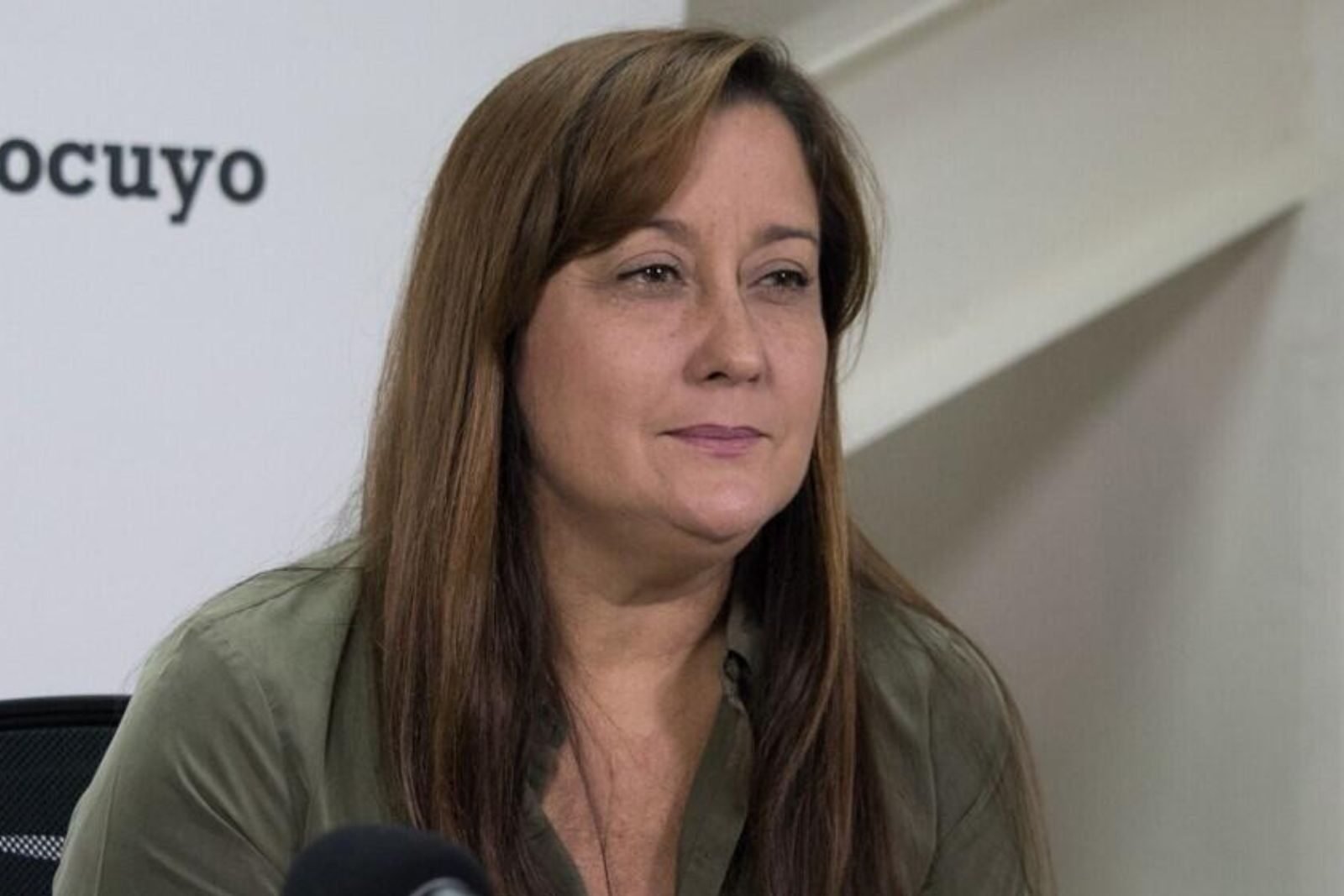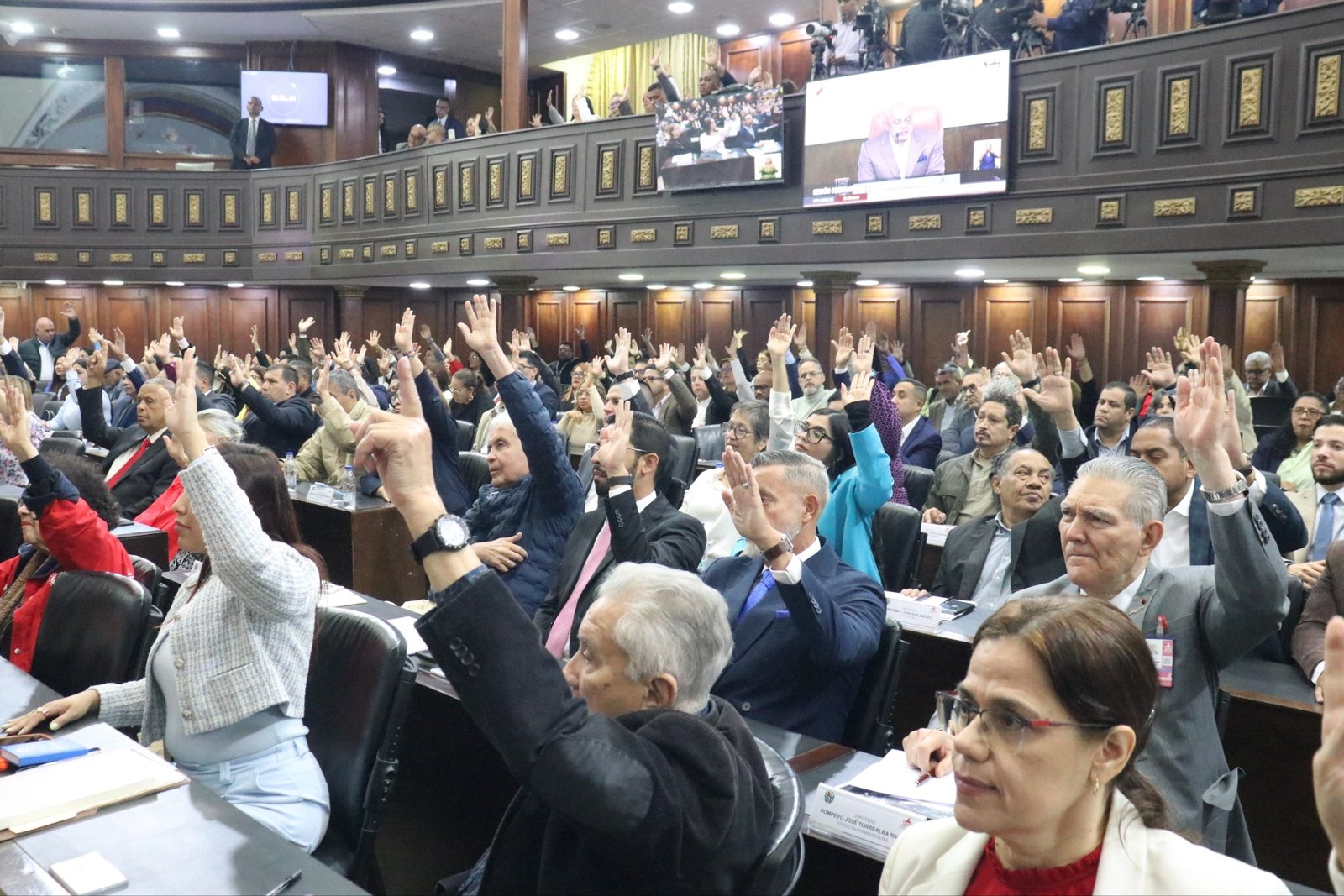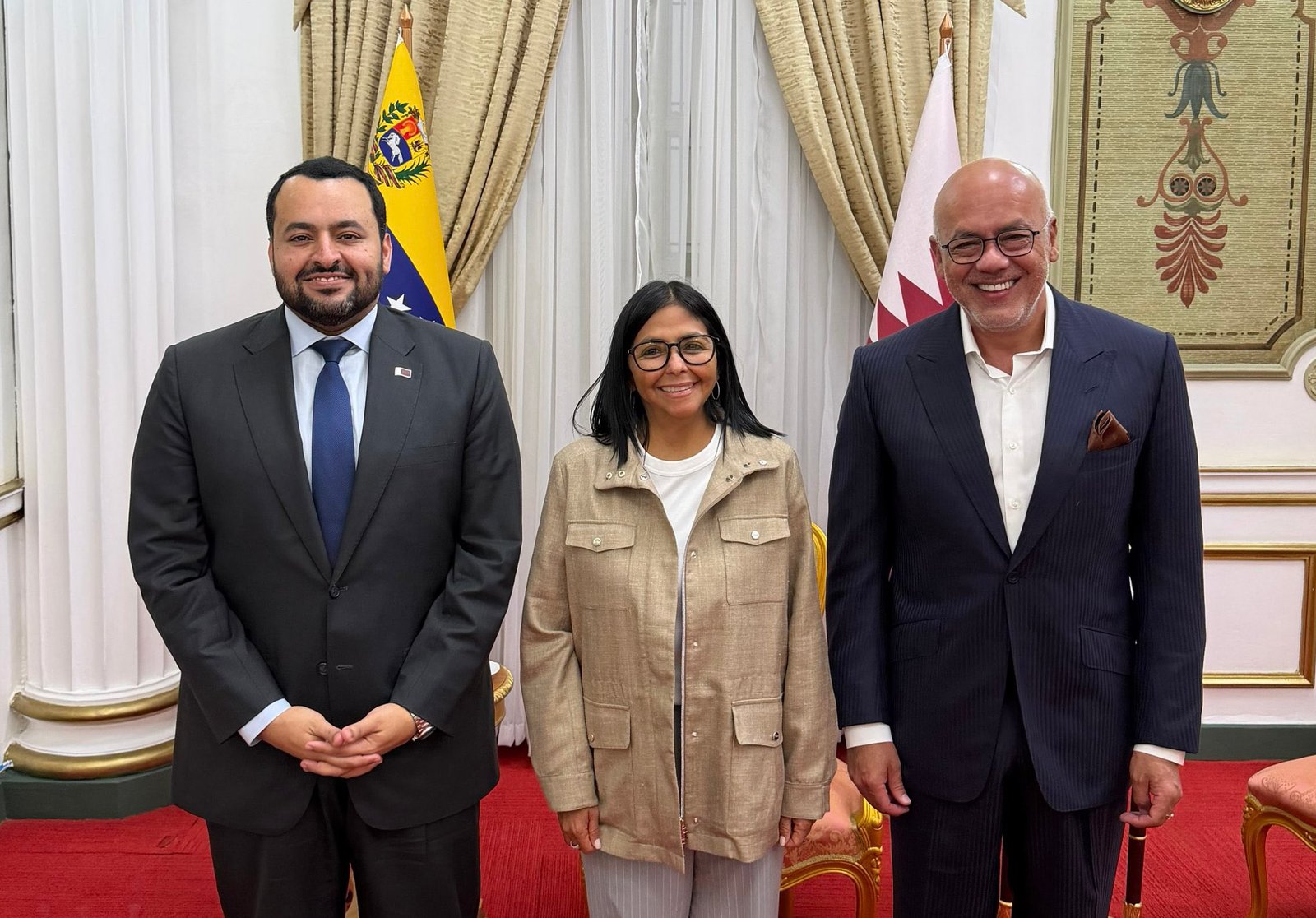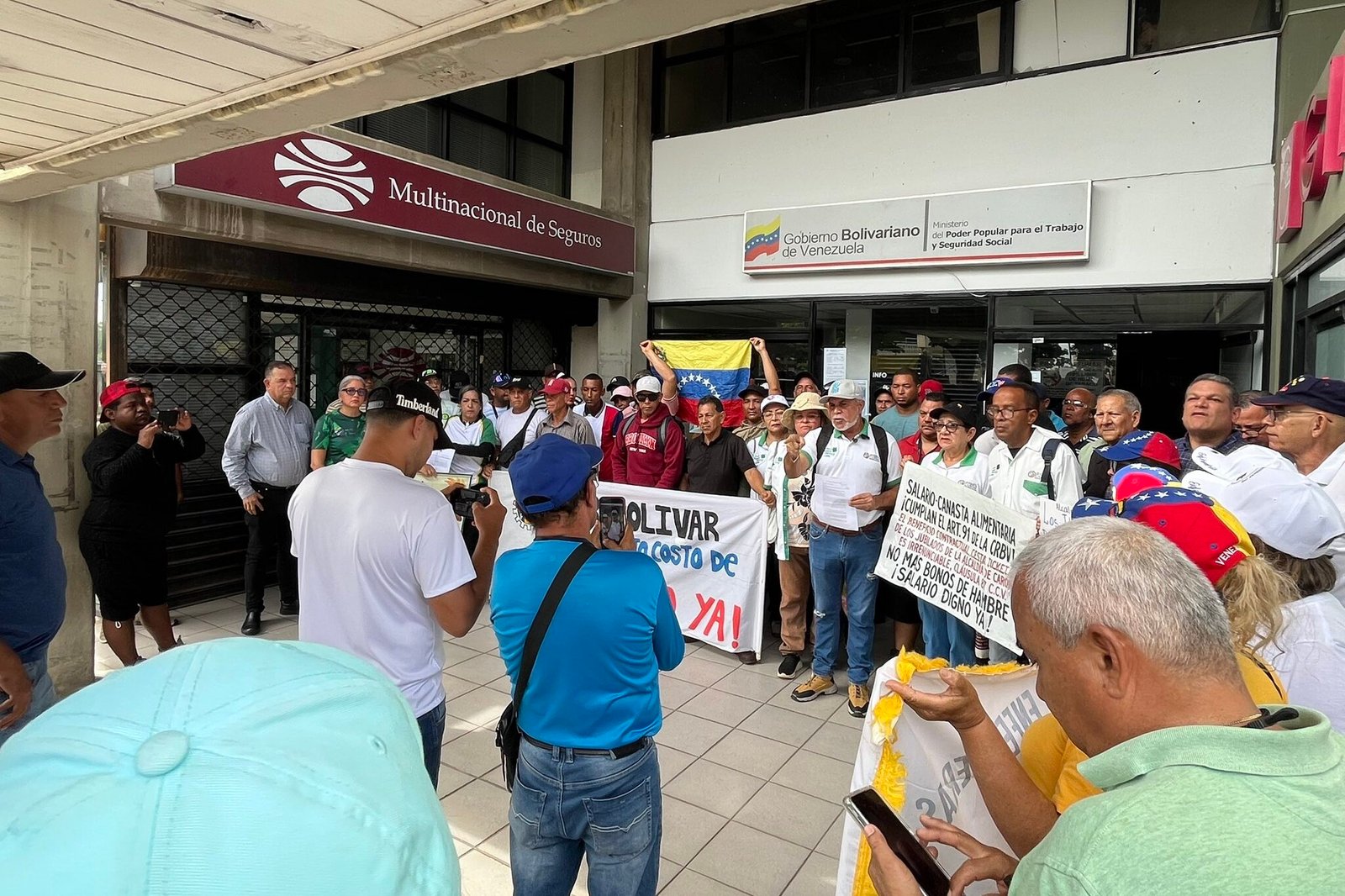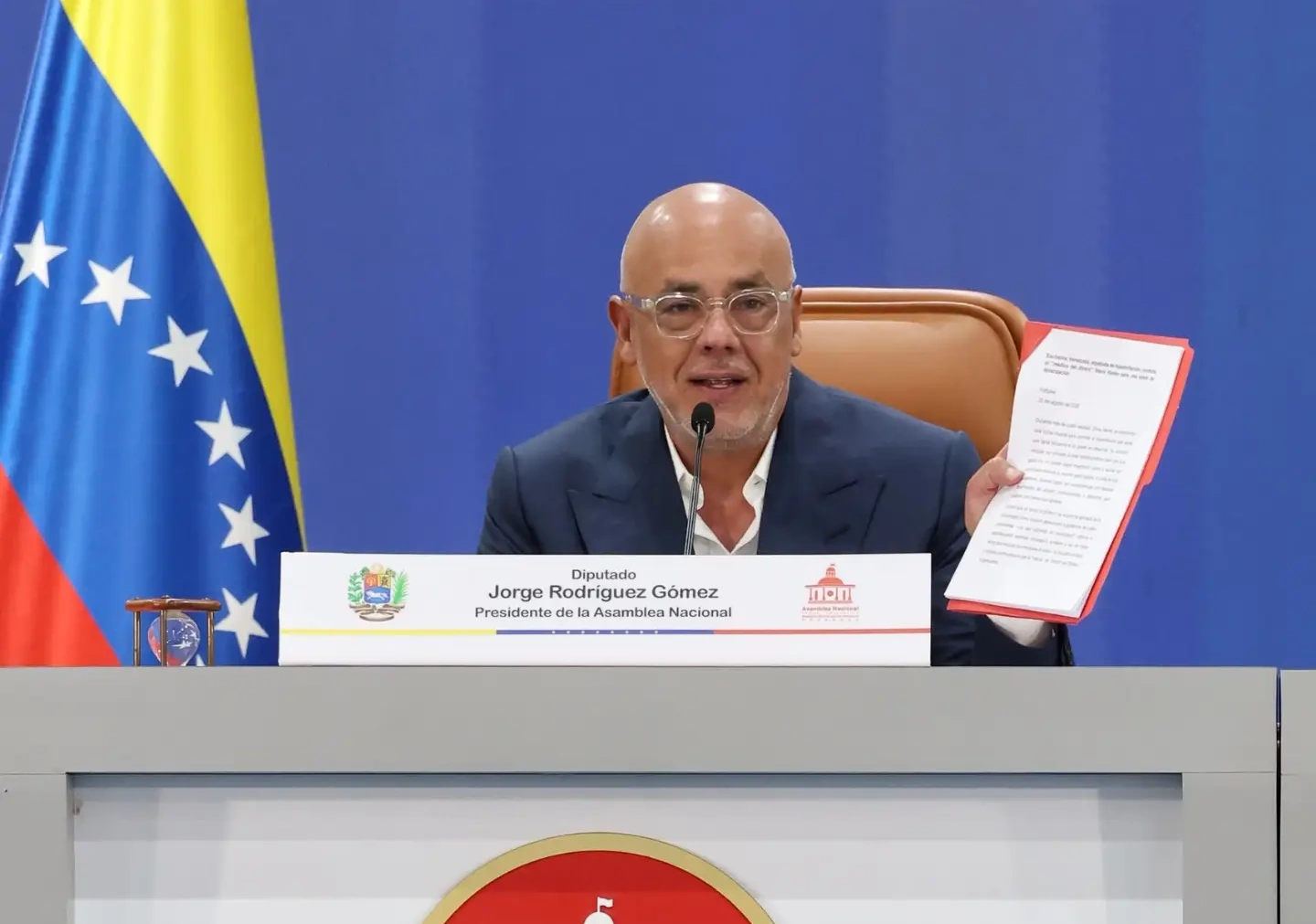
In the early morning of August 22, the President of the National Assembly, Jorge Rodríguez, announced the dismissal of Deputy Antonio Ecarri from the presidency of the U.S.-Venezuela Parliamentary Friendship Group. Photograph: Instagram / @asamblea_ven.
Guacamaya, August 22, 2026. The President of the National Assembly, Jorge Rodríguez, removed Deputy Antonio Ecarri from his position in the U.S.-Venezuela Parliamentary Friendship Group.
The decision was made following a controversy arising from false claims in various media outlets. After news broke that Ecarri and Steve Hanke were working together on a plan to dollarize Venezuela, some portals asserted that it was the National Assembly that had hired the American economist.
Fortune magazine was the first to report on the plan by the leader of the Alianza del Lápiz party and Hanke. In its article, it mentioned “a leader of the National Assembly,” identified within the piece as Deputy Ecarri, who was working on the proposal with Hanke. Guacamaya echoed the news on August 21, with the headline “Steve Hanke works with Antonio Ecarri on a plan to dollarize Venezuela.”
However, several digital media outlets reached the false conclusion that it was the National Assembly itself that was operating with the economist. Most of these portals have not yet corrected their reports.
During a parliamentary session on Friday, Jorge Rodríguez assumed that Ecarri himself had spread the false news, although Ecarri and his spokesperson were clear that he was working only with Hanke and “in his capacity as a deputy.”
Nevertheless, the President of the National Assembly called for an investigation to be opened and, hours later, made the decision to dismiss Ecarri.
The President of the National Assembly argued that Ecarri had infringed the Internal Rules and Debates Regulations by failing to “act in accordance with the Constitution and the interests of the Republic.”
But even more serious was his statement that the deputy “has violated Article 318 of the Constitution,” which establishes that the bolívar is Venezuela’s currency.
From “Semi-Dollarization” to Formal Dollarization
The debate over dollarization is not new. In recent years, the country has embarked on a process of “semi-dollarization,” in which it is common to see the use of foreign currency alongside the bolívar in practically all sectors of the economy.
This measure was adopted under Delcy Rodríguez, the current acting president, while she served as executive vice president and head of the economic portfolio. The result was the end of hyperinflation that had reached six-digit levels, although lower levels of inflation and bolívar devaluation persist.
Semi-dollarization does not exist only in payments. The U.S. currency has also become a unit for setting prices, as a unit of account, and for savings. And it is not only “greenbacks” that have proliferated, but also equivalent cryptocurrencies or “stablecoins,” such as USDT and USDC.
As proof of how far the partial dollarization process has gone, this month the National Assembly approved a leasing law that allows the use of foreign currencies to set prices and pay rents.
Ecarri, for his part, has been proposing dollarization since at least 2017, stating that it would serve to combat inflation and protect citizens’ income.
In a statement following the controversy, the former presidential candidate declared: “Venezuela needs a stable currency that protects the wages, savings, and assets of our people. Dollarization would make it possible to curb inflation and close the exchange rate gap that destroys Venezuelans’ purchasing power.”