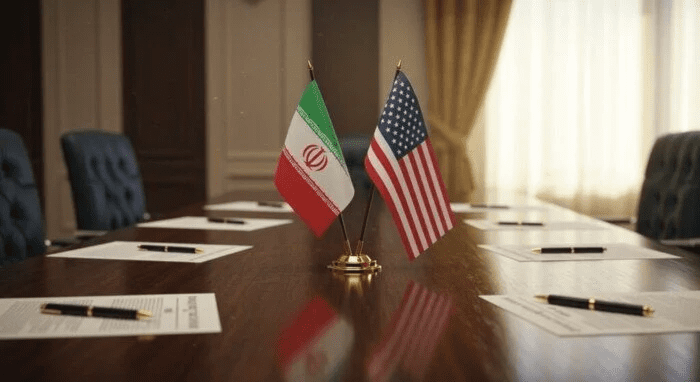
Iran and the United States are very close to reaching a ceasefire agreement, but significant obstacles remain to achieving a broader regional peace, one that will have global consequences. Photo: Omani Ministry of Foreign Affairs.
Guacamaya, June 15, 2026. After more than four months of war, the announcement of a memorandum of understanding between the United States and Iran has opened the possibility of ending a conflict that altered the strategic balance of the Middle East, paralyzed maritime traffic in the Strait of Hormuz, and shook global energy markets. However, far from representing a definitive peace, the agreement announced by Donald Trump and confirmed by Tehran appears to be only the beginning of a new and complex negotiation process. The document has not yet been officially published, its clauses remain ambiguous, and there are significant differences between the versions presented by Washington and Tehran. The reopening of Hormuz, the lifting of sanctions, the future of Iran’s nuclear program, and Israel’s role in Lebanon emerge as the main challenges of a memorandum that could either reshape the geopolitical and energy map of the region or become a new source of tensions.
An announced agreement, but not yet signed
Although U.S. President Donald Trump stated on Sunday that “the agreement with the Islamic Republic of Iran is already complete,” the reality is more complex.
The official signing ceremony is scheduled for June 19 in Geneva, Switzerland, and until then the text remains technically a political agreement pending formalization.
The negotiation was primarily facilitated by Pakistan, with active support from Qatar, Saudi Arabia, and Turkey. Pakistani Prime Minister Shehbaz Sharif was the first to publicly announce that both sides had agreed to a permanent cessation of military operations and that the memorandum was ready for signature.
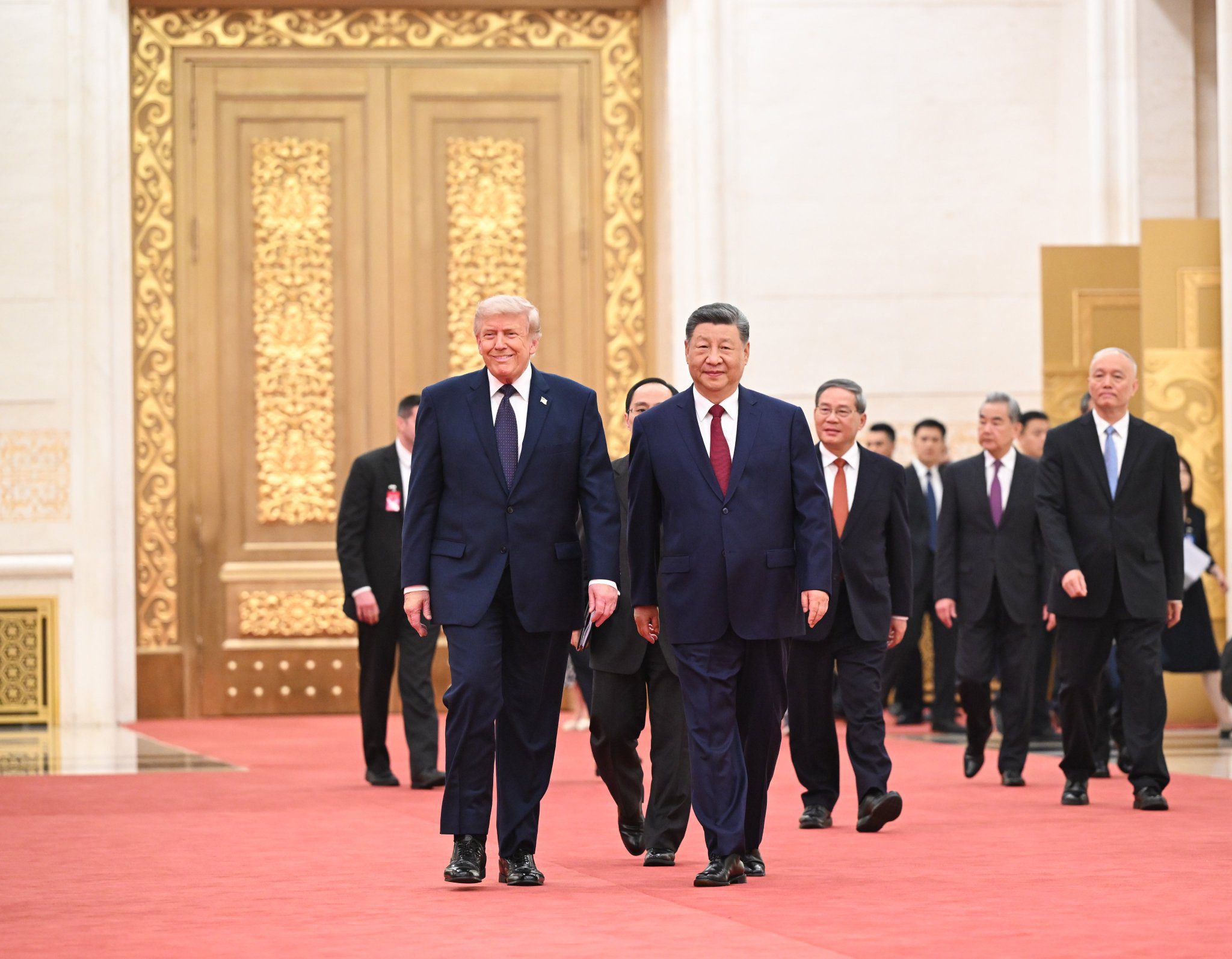
According to U.S. officials, the signatories will be Donald Trump, Vice President JD Vance, and Iranian Parliament Speaker Mohammad Bagher Ghalibaf, who will represent Tehran.
However, there is one fundamental problem: no one outside the negotiating teams has seen the full text.
The memorandum has not been published, and much of what is known comes from leaks, political statements, and reports from the Iranian agency Mehr, which has generated contradictory versions even on essential aspects of the agreement.
The first objective: consolidating the ceasefire and ending the war
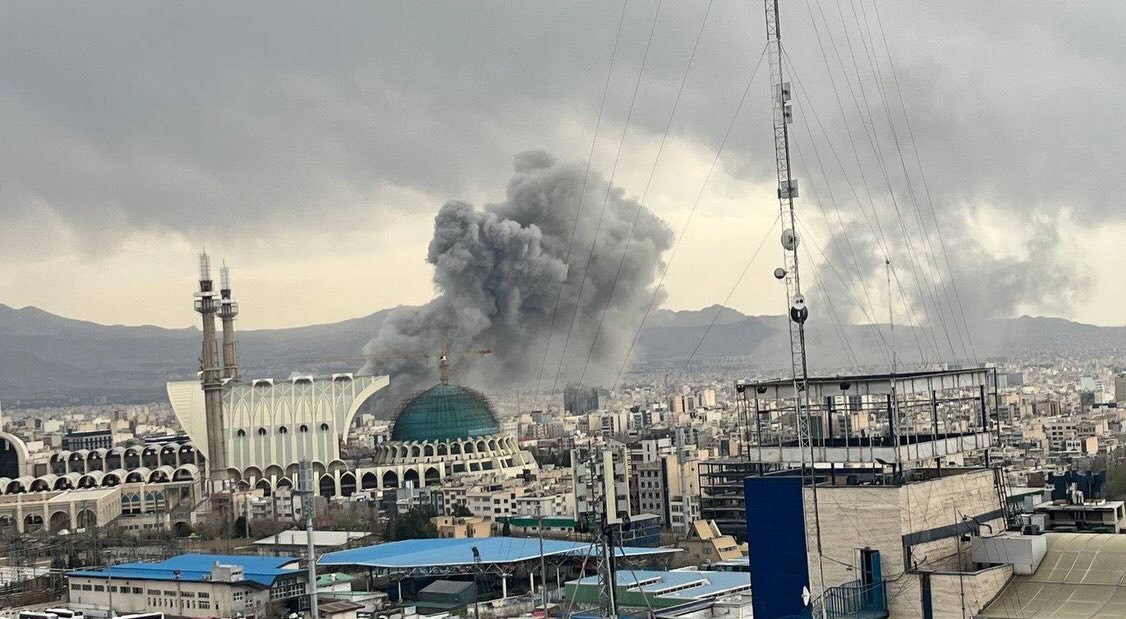
The war began on January 28, when the United States and Israel launched a coordinated military campaign against Iran.
The operation resulted in the death of Supreme Leader Ali Khamenei, dozens of senior political and military officials, and severe damage to Iran’s naval and air capabilities.
However, the offensive also had unintended consequences.
Iran responded by closing the Strait of Hormuz, the world’s most critical energy chokepoint, through which roughly one-fifth of global oil trade normally passes.
Oil prices surged above $140 per barrel, and regional maritime trade was virtually paralyzed.
On April 8, Trump announced an initial two-week truce. Although hostilities never fully stopped, the ceasefire held while negotiations advanced.
The memorandum seeks to transform that fragile truce into a permanent cessation of hostilities.
However, even here discrepancies emerge.
While Washington presents the agreement as the end of the war between the United States and Iran, Iranian and Pakistani officials argue that the termination of military operations must apply “to all fronts,” including Lebanon.
This is precisely where one of the greatest risks to the agreement lies.
The very nature of the instrument raises questions. A memorandum of understanding is generally less binding than a formal treaty, although even signed international agreements can be violated when political or strategic circumstances change.
Hormuz: the economic heart of the memorandum
The reopening of the Strait of Hormuz is the most urgent and arguably the most important element for the global economy.
Since the announcement of the agreement, Trump has attempted to portray the issue as resolved.
“Ships of the world, start your engines! Let the oil flow!” he wrote on Truth Social.
However, hours later he clarified that the effective reopening would occur only after the signing of the memorandum and the completion of mine-clearing operations.
The contrast between both positions reflects deeper uncertainty.
It is still unclear who will control the maritime passage once it reopens.
The United States argues that navigation must be free and unrestricted.
France, the United Kingdom, Germany, and Italy support this interpretation.
Macron was particularly explicit in stating that any form of toll system would be incompatible with international law.
However, leaks from Tehran suggest a different approach.
The Mehr agency claims that reopening will take place “under Iranian conditions” and that the Islamic Republic would retain some degree of regulatory control over maritime traffic.
Since April, Tehran has insisted on coordinating transit with Oman and even establishing possible toll mechanisms for passage through the strait.
The memorandum does not clarify which vision will prevail.
An international mission to secure navigation
The reopening of the strait will also require a significant international military deployment.
France announced it is ready to lead a multinational mission to protect commercial navigation.
According to Emmanuel Macron, the operation could be deployed within two or three days after the agreement is signed.
The core of the force would include the aircraft carrier Charles de Gaulle, supported by Italian and Dutch naval units.
The initiative reflects an uncomfortable reality for Europe.
The Hormuz crisis exposed Europe’s deep dependence on energy routes in the Gulf.
Therefore, the G7 will not only discuss the reopening of the strait but also strategies to diversify regional energy exports and reduce vulnerability to future blockades.
Oil flows again
Markets reacted immediately.
The announcement triggered a nearly 4% drop in oil prices.
Brent fell to around $83 per barrel, while WTI dropped below $81.
The expectation of reopening Hormuz implies the gradual resumption of exports from Qatar, the United Arab Emirates, Kuwait, Iraq, and Saudi Arabia.
It will also allow Iranian oil to return to the global market.
One of the most significant aspects of the memorandum is that Iran will be allowed to export crude during the initial 60-day negotiation period.
This means economic relief will begin before a final nuclear agreement is reached.
The lifting of sanctions: Washington’s main concession
Perhaps no element is more important for Tehran than sanctions relief.
According to information released by Mehr, the United States agreed to unfreeze approximately $24 billion in Iranian assets.
Half of this amount is expected to be released even before formal nuclear negotiations begin.
From Iran’s perspective, this serves as a guarantee against a possible resumption of war.
Iranian officials have made clear that negotiations could be suspended if initial funds are not released.
The agreement also includes the suspension of sanctions affecting Iranian oil exports.
In addition, France, Germany, the United Kingdom, and Italy have already expressed willingness to lift certain restrictive measures linked to Iran’s nuclear program if Tehran meets verifiable commitments.
The major gap: Iran’s nuclear program
Paradoxically, the issue that triggered much of the war remains unresolved.
The memorandum only states that Iran will reaffirm its commitment not to develop nuclear weapons.
Everything else is left for later negotiations.
Future talks must address:
- The fate of approximately 440 kilograms of uranium enriched to 60%
- Permitted enrichment levels
- International inspection mechanisms
- The role of the IAEA
- The future of nuclear facilities damaged during the war
- Reports about enriched uranium are particularly contradictory.
- U.S. media claim Iran agreed to dilute its stockpiles under international supervision.
- Trump has even suggested that part of the material could be transferred abroad.
- But Tehran has not confirmed these claims.
The lack of a final decision shows that the nuclear issue remains the central long-term obstacle.
What Iran managed to take off the table
Perhaps Iran’s greatest diplomatic success lies in what is not included in the memorandum.
Future negotiations will focus exclusively on:
1.Enriched uranium
2.Future nuclear activities
3.Sanctions relief
4.Economic recovery
Two major issues previously central to Washington and Israel are excluded:
- Ballistic missile program
- Iran retains its missile capabilities.
- Support for regional allies
- There are no commitments limiting support for actors such as Hezbollah, Iraqi militias, or the Houthis.
- For many Israeli analysts, this omission is one of the agreement’s main weaknesses.
Israel: the most immediate threat to the memorandum
If there is one factor capable of undermining the agreement before it is even signed, it is Israel.
Pakistani mediators and Iranian officials argue that the memorandum includes the end of hostilities on all fronts, including Lebanon.
However, Israel was not directly involved in the negotiations.
Therefore, the government of Benjamin Netanyahu argues it is not legally bound by the agreement.
In recent days, several Israeli ministers have publicly rejected the framework.
Defense Minister Israel Katz stated that Israel’s military presence in southern Lebanon will continue “indefinitely.”
Itamar Ben-Gvir said Israel is not subordinate to the United States and that the agreement is not binding.
Bezalel Smotrich went further, calling the memorandum harmful to Israel and the free world.
These statements reflect a growing strategic divergence between Washington and Jerusalem.
Trump and Netanyahu: rising tensions
Differences became particularly visible after a recent Israeli strike on southern Beirut.
According to reports, Trump privately expressed strong irritation with Netanyahu.
The U.S. president believes further Israeli military operations in Lebanon could jeopardize the entire diplomatic process.
Israel, meanwhile, insists on maintaining operational freedom against Hezbollah.
This divergence could become the most important political test of the memorandum in the coming weeks.
Lebanon becomes a central piece
Although initially framed as an Iran–Hormuz agreement, Lebanon has become central to the deal.
Iranian officials say respect for Lebanese sovereignty appears multiple times in the text.
Lebanese Parliament Speaker Nabih Berri claims the memorandum includes a clause aimed at ending Israel’s military presence.
Prime Minister Nawaf Salam has already announced intensified negotiations with Washington to secure a full Israeli withdrawal.
Hezbollah has also welcomed the agreement, stating it reflects Iran’s commitment to defending Lebanon.
Europe seeks to return to regional diplomacy
The European response has been largely positive.
E4 countries believe the memorandum opens a window to revive diplomacy after the collapse of the original nuclear deal.
The European Union has also expressed willingness to actively participate in future negotiations.
For Brussels, Hormuz stability, nuclear containment, and Lebanon’s stabilization form part of a single strategic challenge.
A possible peace, but still fragile
The memorandum between the United States and Iran represents the most significant diplomatic breakthrough since the war began. However, it leaves unresolved precisely the issues that triggered the conflict: Iran’s nuclear program, the regional military balance, and Israel’s role in Lebanon.
The reopening of Hormuz and partial sanctions relief provide strong incentives to maintain the ceasefire. But the lack of a public text, contradictions between U.S. and Iranian narratives, Israel’s resistance to key provisions, and the complexity of upcoming nuclear negotiations make this agreement a starting point rather than an endpoint.
Over the next sixty days, Washington and Tehran will attempt to transform a fragile ceasefire into a durable security architecture. The success or failure of that effort will determine not only Iran’s future, but also global energy stability, the balance of power in the Middle East, and the fate of ongoing conflicts stretching from the Persian Gulf to southern Lebanon.
What does the agreement mean for Venezuela?
Although Venezuela is not directly involved in the negotiations, the memorandum between Washington and Tehran could have significant implications for the Venezuelan economy, its oil industry, and its financial reintegration process.
In recent years, Caracas and Tehran have shared a common condition, as both have been under extensive U.S. sanctions and have developed mechanisms of cooperation to bypass financial, energy, and commercial restrictions. Therefore, any substantial shift in U.S.–Iran relations inevitably affects Venezuela.
The most immediate consequence would be downward pressure on global oil prices.
During the war months, the closure of the Strait of Hormuz temporarily removed between 14 and 15 million barrels per day from the market and created a strong geopolitical risk premium that pushed prices higher.
The expectation of reopening has already driven Brent and WTI prices down significantly.
For Venezuela, whose recovery still depends heavily on oil exports, this is a double-edged sword.
On one hand, a stable energy market reduces uncertainty and encourages investment. On the other, lower prices mean reduced fiscal revenues and fewer resources for economic recovery.
The paradox is clear: Venezuela indirectly benefited from the price surge caused by the Hormuz crisis, but may suffer from the normalization brought by peace.
The partial suspension of sanctions would allow Iran to increase oil exports again.
This means two historically sanctioned producers—Iran and Venezuela—would compete more directly in Asian markets, particularly China, now one of the main buyers of both countries’ crude.
During the years of maximum U.S. pressure, discounts applied by Caracas and Tehran to place their oil in alternative markets created a silent competition for customers, shipping capacity, and payment mechanisms.
If sanctions on Iran ease before those affecting Venezuela, Tehran could regain market share and exert downward pressure on heavy and medium crude prices in Asia.
From a political perspective, the memorandum could be closely observed in Caracas as one of the largest negotiation processes between Washington and a sanctioned state since the 2015 nuclear deal.
Venezuela is also negotiating an asymmetrical normalization process with the United States and the wider Western bloc.
For Venezuela, the Iranian case could become a precedent for how the Trump administration uses gradual sanctions relief as a political negotiation tool.
The unfreezing of assets, easing of energy restrictions, and reopening of financial channels form part of an incentive architecture that some analysts see as relevant to Venezuela’s future reintegration.
The stabilization of the Middle East could also indirectly affect Venezuela’s sovereign debt restructuring process.
International investors tend to factor global geopolitical risk into emerging market decisions.
Reduced tensions in one of the world’s most strategic regions could improve appetite for risk assets, including Venezuelan bonds and energy projects.
Moreover, Iran’s potential reintegration into the financial system could offer useful reference models for asset unfreezing, banking normalization, and creditor renegotiations that Venezuela will face in the coming years.
During years of sanctions, Iran also played an important role in supplying condensates, fuels, spare parts, and technical assistance to Venezuela’s oil industry.
If Iran reintegrates into the global economy, part of that cooperation may shift toward more conventional energy partnerships.
A less isolated Iran would also have stronger incentives to act as a regular investor rather than a sanctions-survival partner.
At the same time, reduced U.S.–Iran tensions could open greater space for European, Asian, and North American companies in energy projects across both the Middle East and Latin America.
China is watching closely.
China has been one of the main buyers of both Iranian and Venezuelan oil, and one of the few actors able to maintain meaningful economic relations with both despite sanctions.
Iran’s gradual return to global markets could alter incentives that led Beijing to build alternative trade mechanisms with sanctioned states.
For Venezuela, this means competition for Chinese capital, financing, and energy investment could intensify precisely as the country seeks resources for its recovery and debt restructuring.
Ultimately, the memorandum could mark the beginning of a period of reduced geopolitical confrontation around sanctioned states and greater emphasis on economic negotiation.
For Venezuela, which is simultaneously rebuilding its oil industry, renegotiating debt, attracting investment, and regaining access to financial markets, the agreement does not offer a direct solution, but it does reshape the global strategic environment in which all these processes will unfold.
The key question for Caracas is whether it can take advantage of this shifting context before the return of Iranian oil and the normalization of energy markets erodes the temporary advantages created by the Hormuz crisis during the war months.