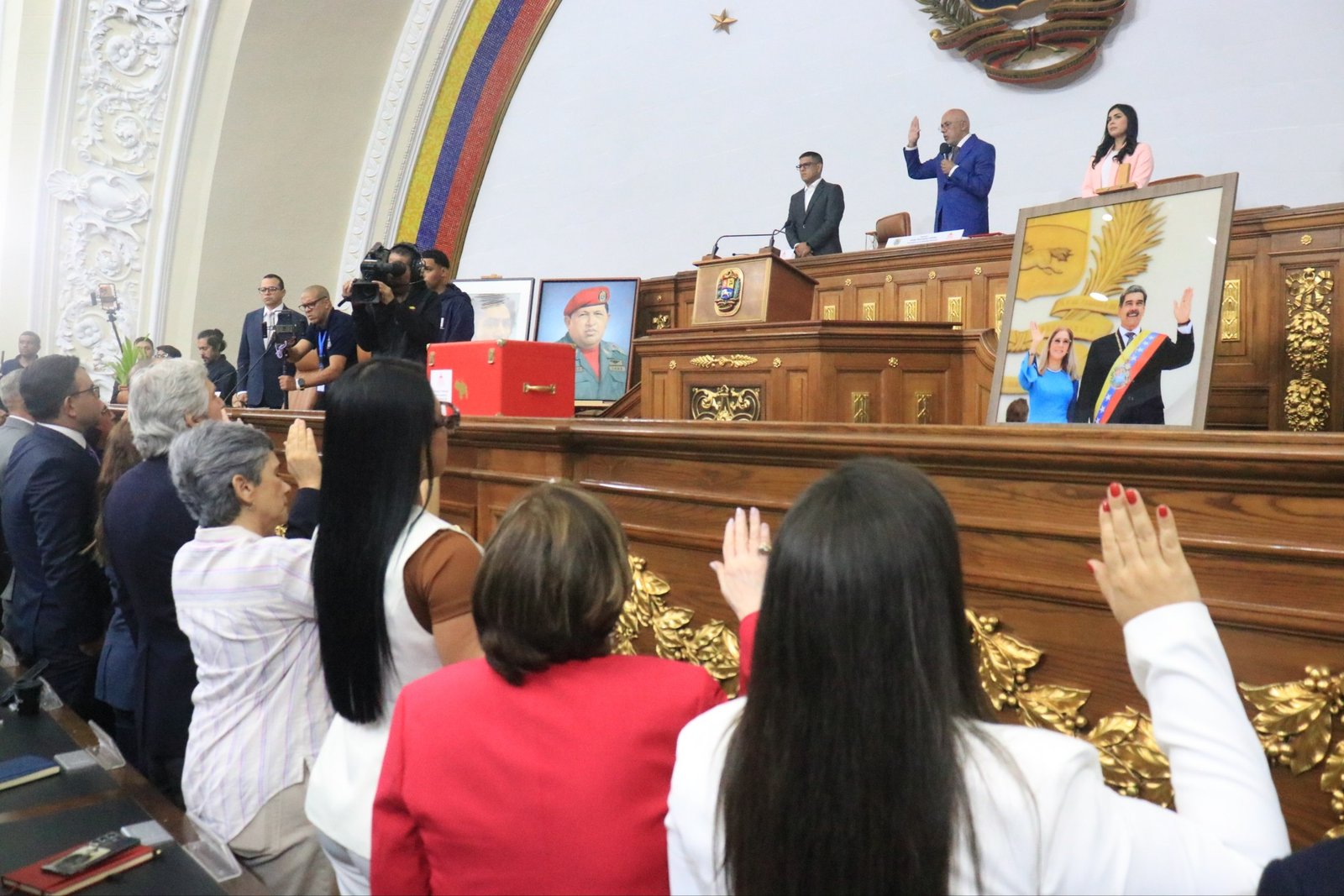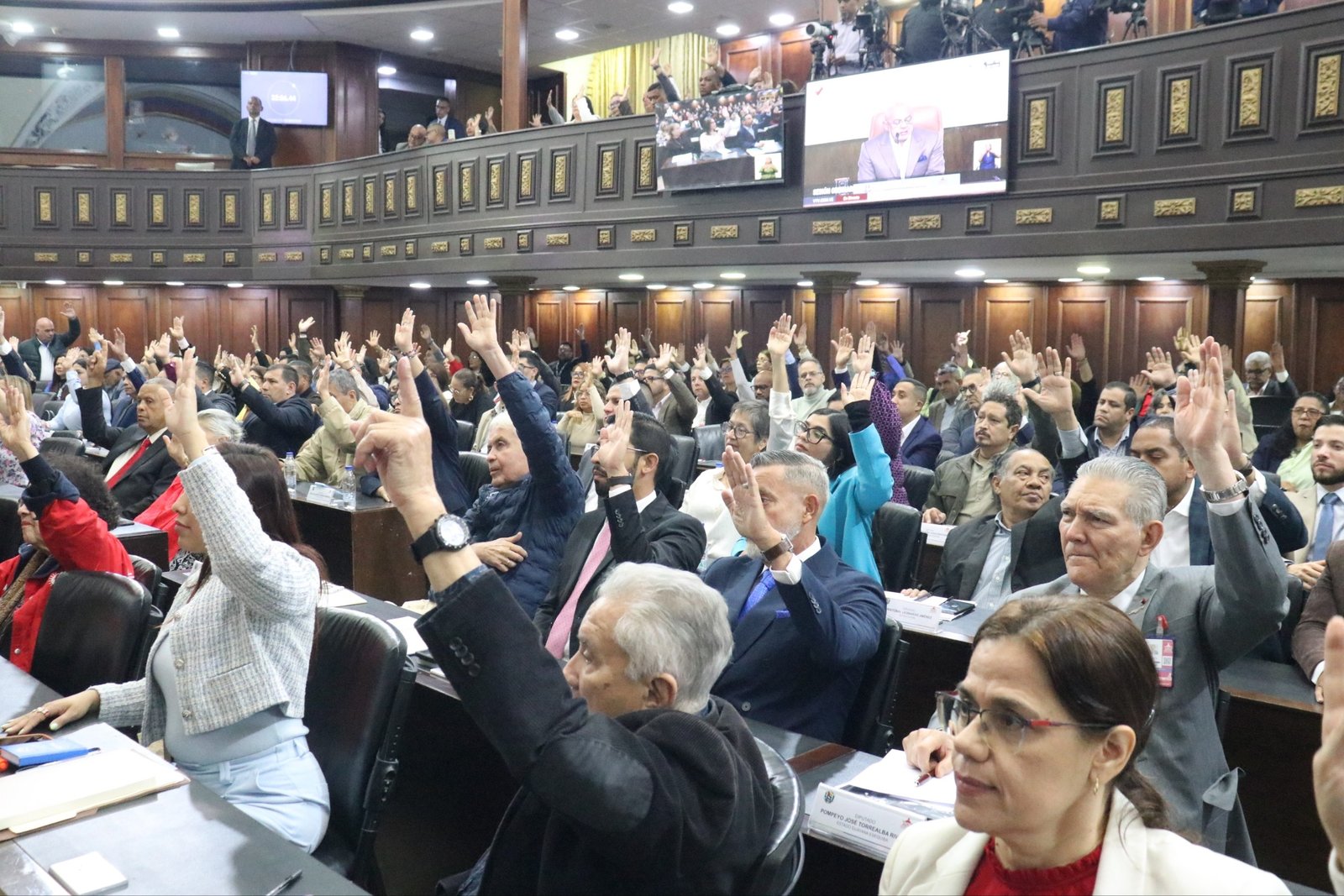
The dialogue architecture sponsored by Washington has left its leadership on the sidelines, which evidences profound internal discrepancies over the timelines and institutional guarantees necessary to achieve real democratic change. | Photograph: Vente Venezuela Press.
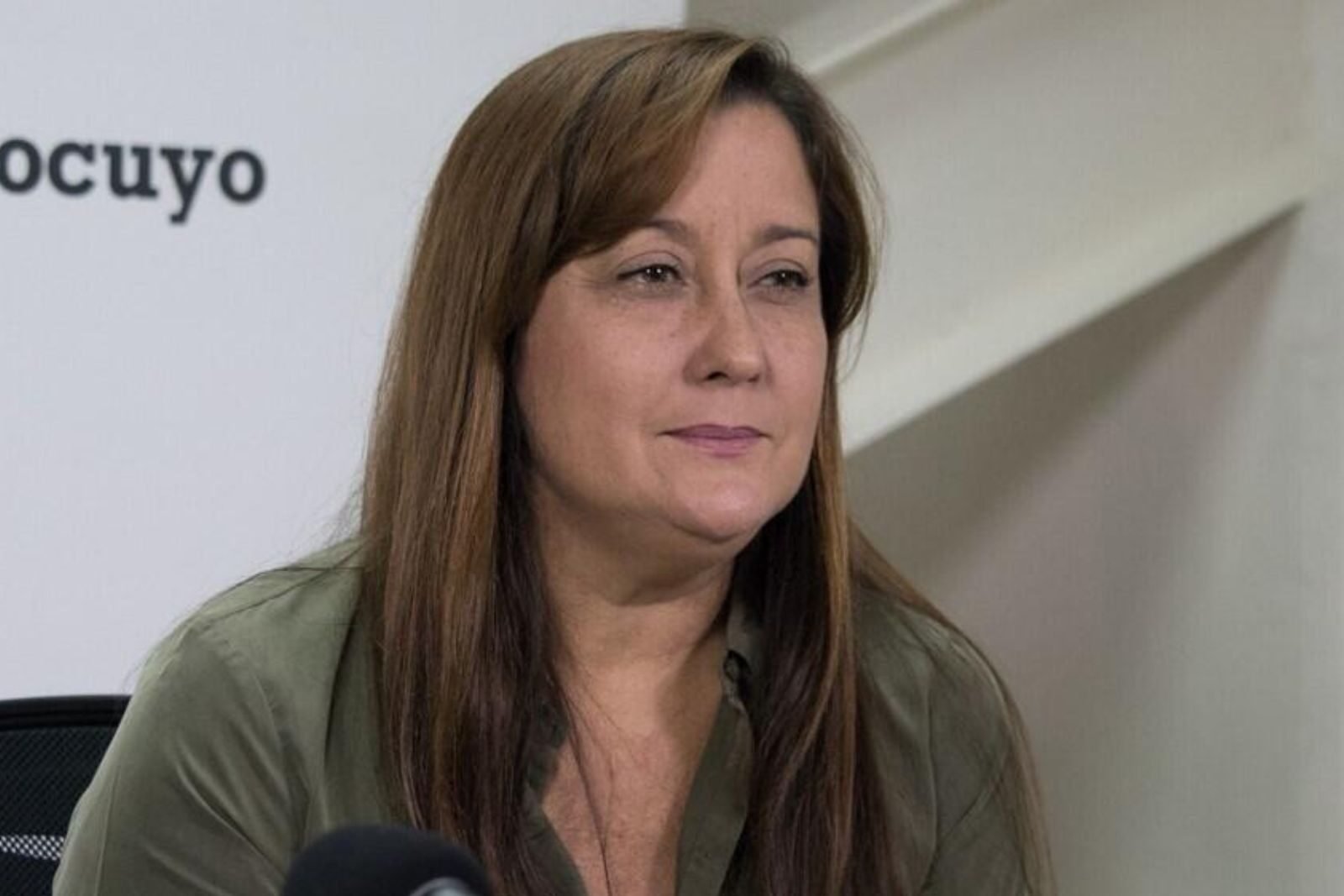
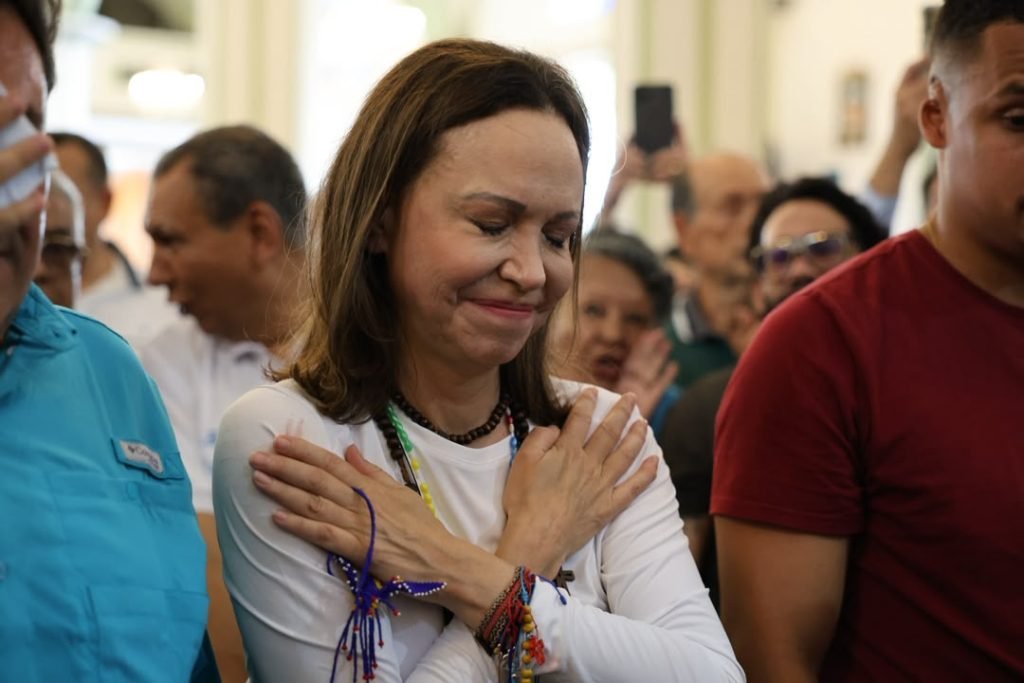
Guacamaya, October 25, 2026. After nearly ten months in exile, opposition leader and 2025 Nobel Peace Prize laureate María Corina Machado reappeared this Sunday, October 25, on national territory. With the message “I am here. With you,” published on social media, and a subsequent public appearance at the Sanctuary of the Divina Pastora, in Santa Rosa, Lara state, Machado has returned to gauge her leadership and force the path toward presidential elections.
Her return not only defies chavismo’s narrative and exercise of power, but could also alter the complex architecture of the “managed transition” and the oil diplomacy woven and consolidated between the acting president, Delcy Rodríguez, and the Donald Trump administration. Consequently, the current situation poses a scenario of double confrontation for Machado.
From the Clandestine Exit to the Odyssey of Return
María Corina Machado’s journey out of Venezuela began at the end of December 2025 with a “clandestine operation.” After spending more than a year denouncing government persecution, it became known that she crossed the roads of western Venezuela “in disguise” and boarded a ship to Curaçao to fly to Norway and receive the Nobel Peace Prize in Oslo.
Shortly after her departure, on January 3, 2026, a U.S. incursion culminated in the capture of Nicolás Maduro, which reconfigured power in Caracas and left Delcy Rodríguez in charge at the head of the Executive. Since then, Machado tirelessly announced her determination to return, a message she reiterated in her various public appearances, including interviews and street meetings.
At the end of June 2026, after the devastating earthquakes that shook the north of the country, she again expressed her intention to enter, this time to coordinate citizen aid. In September and October she reiterated that she would return “sooner than you imagine” to facilitate the democratic transition. However, she denounced at least seven failed attempts to return by air, sea, and land.
On September 22, while Delcy Rodríguez was photographed in New York with Donald Trump during the UN General Assembly, Machado stated that she carried out three return attempts in less than 24 hours from Panama. She tried to set sail in a small vessel that suffered a mechanical failure in the Canal, and later sought to board private flights to Aruba, Bonaire, and Curaçao.
Her collaborators denounced blockages, last-minute cancellations, and unexplained technical failures from points such as Virginia (United States), Panama, and the Caribbean. Various reports indicated that Washington, concerned about the stability of the process in Caracas, delayed or halted her safe-conduct at different moments.
The Nobel to Trump, the Vatican, the European Tour, and the Base in Panama
Machado turned exile into a high-level diplomatic showcase. Her central objective was to preserve her international validity, denounce repression, and demand presidential elections before July 2027. She began her route on January 12, 2026, when she was received in Rome by Pope Leo XIV, who publicly called for the release of political prisoners in Venezuela.
Then, in mid-January 2026, just 12 days after Maduro’s capture, Machado met with Trump at the White House and gave him the Nobel Peace Prize medal as thanks “for his firmness.” The gesture generated bitter criticism inside and outside the Venezuelan opposition, and even outraged the Norwegian Nobel Committee.
In March she was invited to Chile for the inauguration of President José Antonio Kast, and her stop in Santiago was one of her most visible Latin American stops. Machado, who shared the stage with former National Assembly president Juan Guaidó, said she felt “moved” and “happy” to be “so close to Venezuela” and to reunite with the Venezuelan diaspora in the southern country.
During her stop in Chile, she met with the King of Spain, Felipe VI, in a meeting requested by Machado herself to thank the king for his support of the Venezuelan people. This would serve as a prelude to her tour of European capitals in April, when she met in Paris with President Emmanuel Macron, in Rome with Italian Prime Minister Giorgia Meloni, and with authorities in the Netherlands.
Precisely in April, Machado deployed an intense agenda in Spain, where she met with Alberto Núñez Feijóo (PP), with Santiago Abascal (Vox), and with the president of the Senate, Pedro Rollán. She also received the Keys to the City from Mayor José Luis Martínez-Almeida and the Gold Medal of the Community of Madrid from president Isabel Díaz Ayuso.
During her stop in Spain, she visited Edmundo González Urrutia during his hospital stay, who was ailing in health, in addition to attending a massive event in Puerta del Sol before thousands of Venezuelans from the diaspora. However, she refused to meet with Spanish Prime Minister Pedro Sánchez, arguing that “it was not convenient,” while he was holding a summit of progressive leaders.
During her last months before the return, she settled in Panama—a country she considered her “second home” after safeguarding the 2024 electoral records—where in May 2026 she signed the Panama Manifesto together with opposition parties. In the document they called for participation in negotiations for presidential elections and in a “Great National Agreement” for the recovery of the country.
The Opposition Rift: The Clash With Dinorah Figuera and the 2015 AN
The United States Department of State resolved to appoint Dinorah Figuera—president of the National Assembly elected in 2015 and of the Delegated Commission—as the official head of the opposition delegation at the dialogue table with the government of Delcy Rodríguez. This scheme marginalized from the formal table both María Corina Machado and the Unitary Platform and Edmundo González Urrutia.
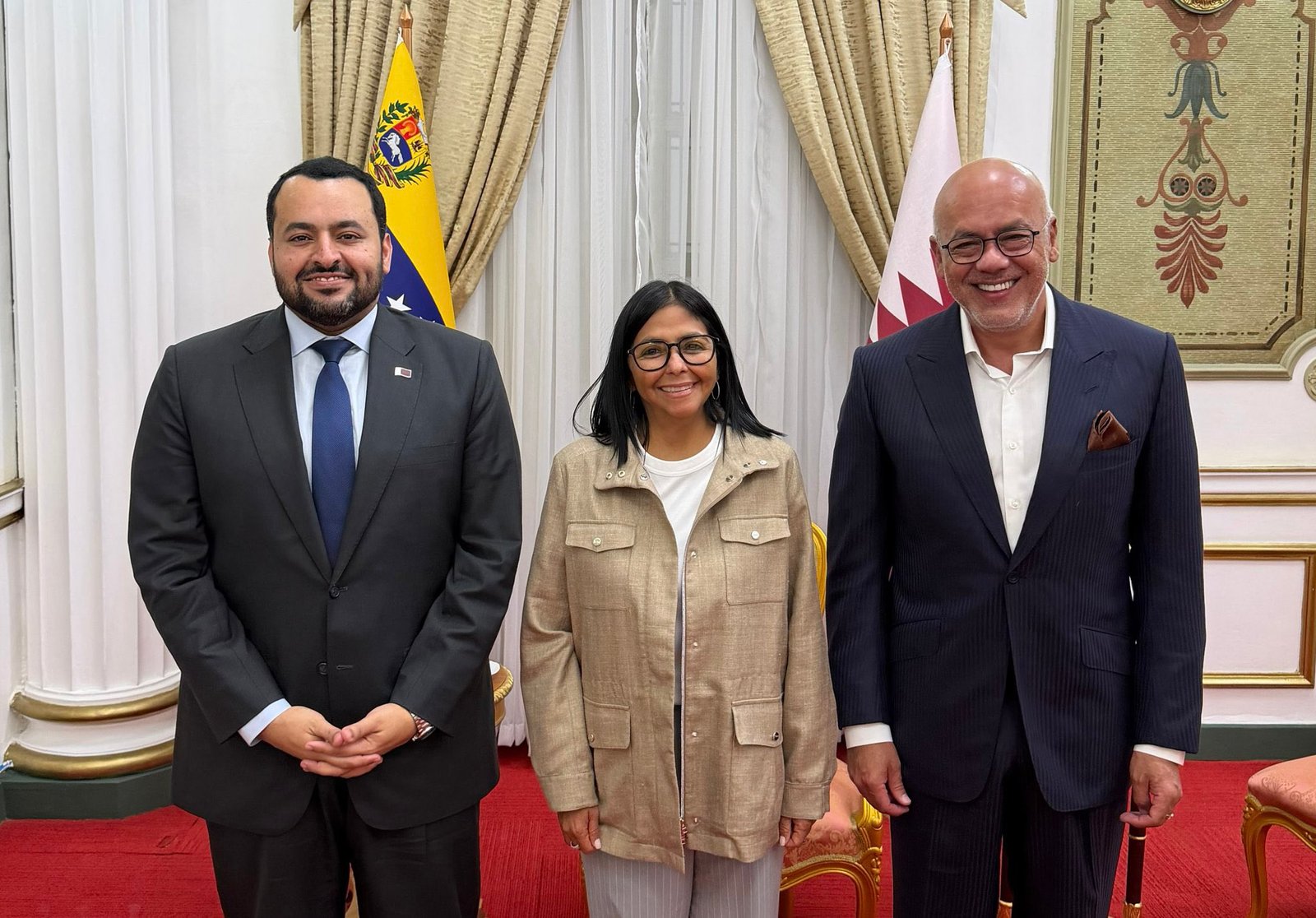
Tension escalated to critical levels in recent days, when Figuera attended a meeting with Delcy Rodríguez and Jorge Rodríguez at the Miraflores Palace. The meeting, broadcast by state television, was requested directly by the United States Department of State. Sectors close to Machado accused Figuera of “surrender” and of lending herself to the game of legitimizing the acting government.
Although Machado harshly criticized her exclusion from the negotiations that define Venezuela’s future, she promised that she would not obstruct the dialogue process. For her part, after Machado’s return was consummated this October 25, Dinorah Figuera posted on her social media that the leader’s arrival is a “direct result of January 3 and the strength of the dialogue.”
Frictions With Washington and Donald Trump’s Pragmatism
The relationship between Machado and the White House became increasingly tense as Washington prioritized operational stability and oil agreements with Delcy Rodríguez. Machado publicly accused the Trump administration of having left her on the sidelines and of favoring the scheme headed by Rodríguez.
She even, in an interview with The New York Times on October 19, severely questioned the “partner” chosen by the United States in Caracas and lashed out at the energy pacts involving the controversial businessman Alejandro Betancourt.
For his part, Donald Trump’s responses to Machado’s figure reflect a calculated ambivalence. On October 19, when asked by journalists about the possibility that Delcy Rodríguez and María Corina Machado would face off in a presidential electoral duel, Trump limited himself to responding: “Well, that would be interesting.”
Meanwhile, this October 25, when asked about the opposition leader’s arrival on Venezuelan territory, Trump declared: “I don’t know anything about it, but I think she’s a very nice woman. She gave me her Nobel Prize. So, what else can I say? I hope she’s safe. But we’re doing really well in Venezuela.”
What Was Negotiated for Her Return?
Despite the frictions, Machado showed signs of political pragmatism. Through efforts revealed by U.S. Senator Rick Scott and in interviews with the international press, the opposition leader confirmed that she is willing to sit down to negotiate face to face with Delcy Rodríguez if that allows agreeing on a transition timetable and setting the date of presidential elections.
Although there is no public document on the agreements that allowed her entry, reports suggest several key points. One of them is a supposed multilateral diplomatic operation, since her return would have involved, in an unconfirmed version, weeks of intense diplomatic efforts in which several governments of the region participated and the non-objection of the White House.
Meanwhile, United States Secretary of State Marco Rubio stated this same Sunday that Machado’s safe return is “the direct result of U.S.-supported reconciliation talks,” which have also allowed the release of hundreds of political prisoners and the return of exiles. In this sense, he urged all parties to respect the dialogue process.
Reports from networks such as Newsmax and information from the newspaper ABC indicate that Machado would have entered from Colombia by land or sea, keeping her initial whereabouts under strict guard for security. Although chavismo spokespersons affirmed that they never opposed her return, Interior Minister Diosdado Cabello had warned that “she will have to answer before justice for her actions.”
The Main Reactions to the Return
In addition to the interventions of Donald Trump, Marco Rubio, and Dinorah Figuera, other reactions from national actors to María Corina Machado’s return this Sunday, October 25, reflect diverse readings on the impact of her arrival on the transition process.
Edmundo González Urrutia celebrated the announcement enthusiastically by stating: “Venezuela! I am extremely excited to announce to you that our leader, my dear Maria Corina, is on Venezuelan territory.” The former presidential candidate described the day as key for the sovereign voice to return and also announced that he too will return “very soon” to the country.
Juan Pablo Guanipa, another of her allied figures, received the leader with the message “María, welcome home,” stating that Venezuela is facing the best opportunity in years to recover freedom and that citizens are ready to move forward under her leadership. Voluntad Popular, Primero Justicia, and the Democratic Unitary Platform expressed themselves along the same lines, celebrating the news.
Other opposition voices also spoke out. Henrique Capriles Radonski described the arrival as “a VERY good news for those of us who want A CHANGE” and asserted that “nothing and no one should have delayed the return to her homeland.” Meanwhile, Henri Falcón welcomed the news while demanding full guarantees for the exercise of political activity.
The Scenario on the Venezuelan Board
With 57.4% popularity according to the latest September studies by AtlasIntel for Bloomberg, María Corina Machado returns to a convulsed Venezuela, marked by social protests over wages and blackouts, and dominated by an acting government seeking to consolidate itself without an election date.
Her return opens a double confrontation: against chavismo, which holds real power in Miraflores, and against the transition model tutored by Washington. The unknown is no longer how she would return, but to what extent her street leadership will force Delcy Rodríguez and the White House to open the negotiation table and definitively set the date of the democratic verdict at the polls.