The operation marked the high point of recent security cooperation between the two countries, after both administrations confirmed it was a “combined operation” | Photo: Screenshot from @realDonaldTrump via Truth Social.
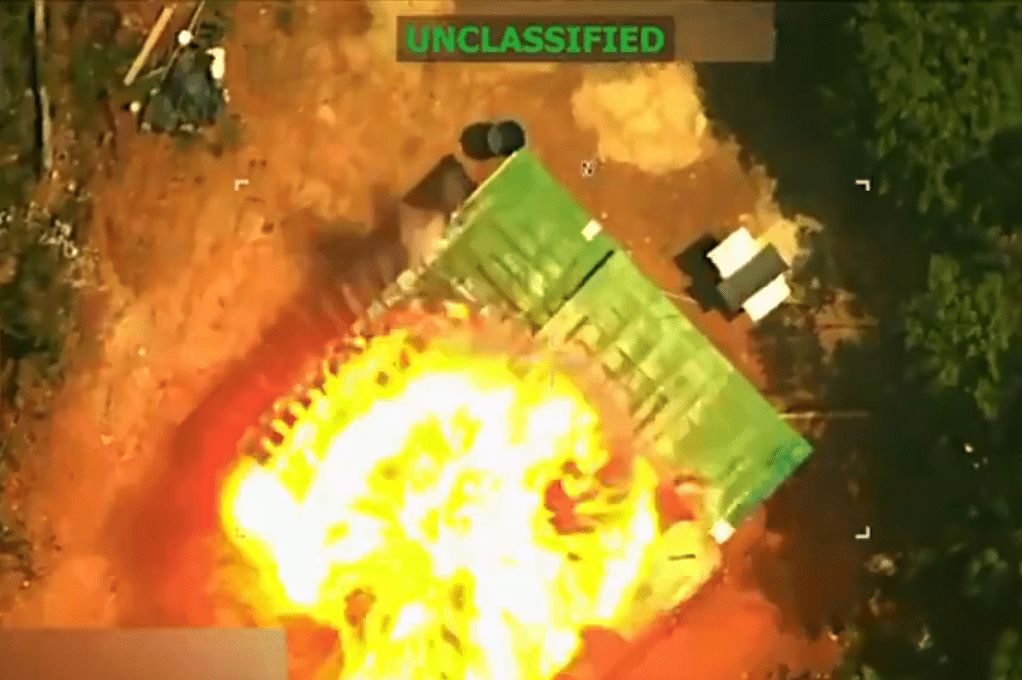
Guacamaya, June 13, 2026. U.S. President Donald Trump announced on Friday evening that U.S. Southern Command carried out a “swift and lethal” kinetic attack that ended the life of Héctor Rusthenford Guerrero Flores, alias “Niño Guerrero,” the top leader of the mega-criminal gang “Tren de Aragua.” The operation was carried out by firing a projectile at a structure in a rural area of southeastern Bolívar state.
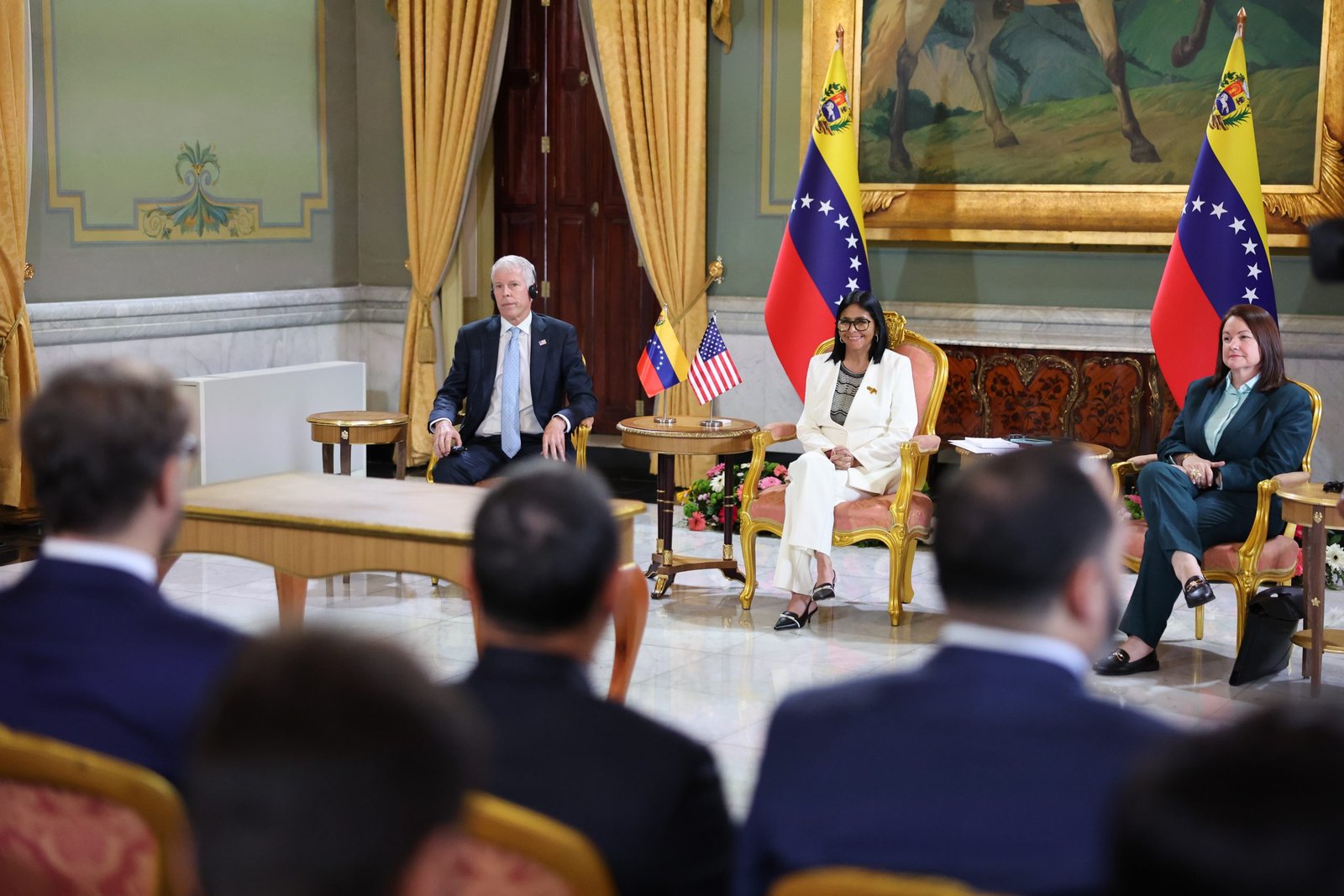
This event marks a milestone in recent security cooperation between the United States and Venezuela, after the action was confirmed by Delcy Rodríguez’s government as a “combined operation.” The statement detailed that the mission “had specialized technological support and was developed through cooperation mechanisms and intelligence information sharing.”
A new era of bilateral cooperation and the mining front
The attack occurred days after Venezuelan military helicopters carried out incursions into the towns of Las Claritas and Km. 88, in the Orinoco Mining Arc, areas allegedly controlled by the Tren de Aragua. The version that has gained the most traction is that both administrations seek to impose order in the gold mines to pave the way for new international investors.
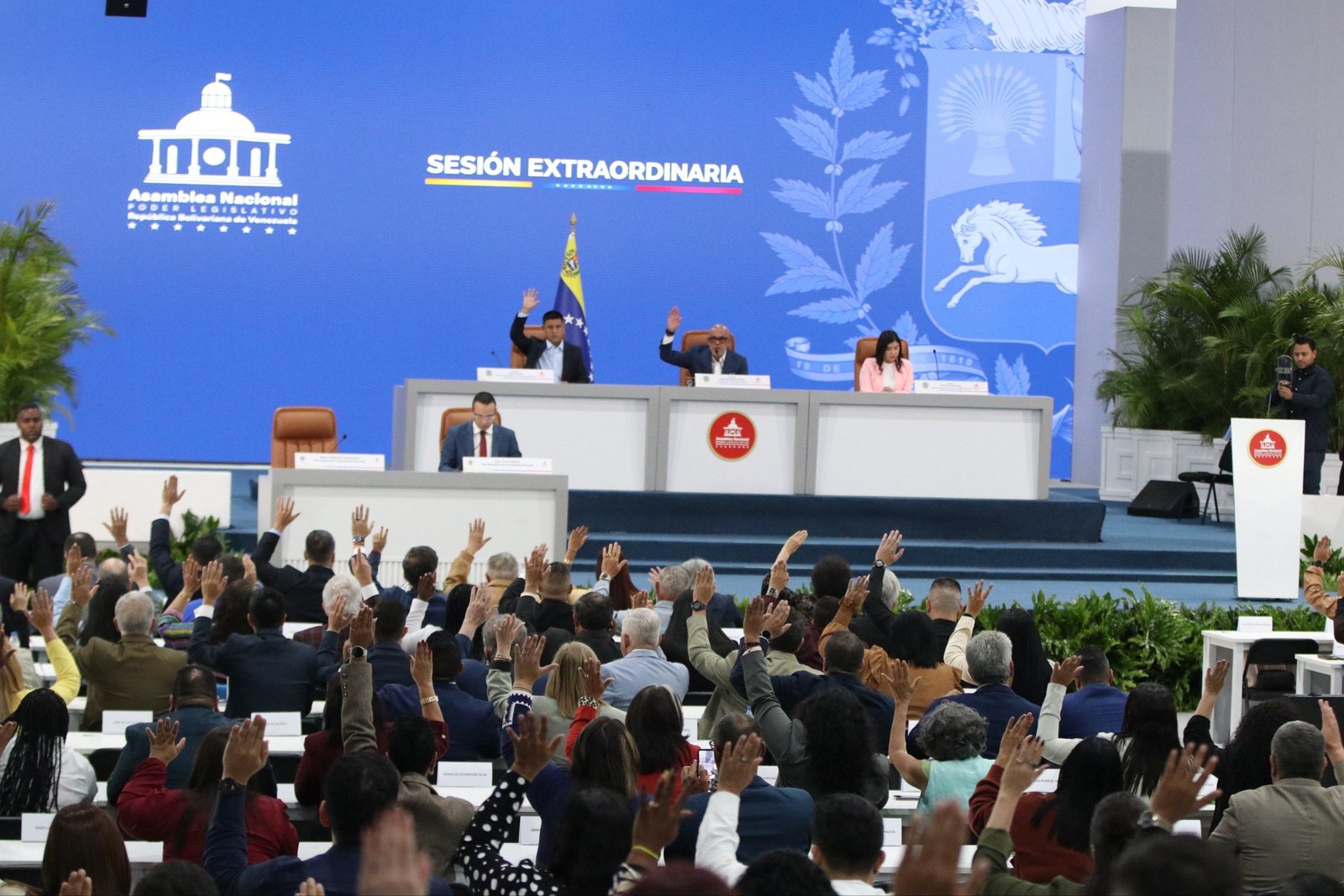
Following the March visit of Interior Secretary Doug Burgum along with a delegation of mining executives, interest in investing in Venezuela’s subsoil has grown significantly. Therefore, in May, after a new Mining Law was approved, Chargé d’Affaires John Barrett urged the Minister of Ecological Mining Development, Héctor Silva, to guarantee “progress in security.”
This renewed collaboration is a direct consequence of the political shift following the capture and extradition of Nicolás Maduro in January 2026. The recent presence in Caracas of Dan Caine (Chairman of the Joint Chiefs of Staff) on June 3, and the latest visit of Francis Donovan (Head of U.S. Southern Command) on May 23, confirm an unprecedented military and intelligence alliance.
Following the armed operation, U.S. Secretary of War Pete Hegseth confirmed cooperation with Venezuela. “We will continue to work closely with security partners, such as Venezuela and partner countries of the Coalition of the Americas against Cartels, to take the fight to our enemies and deny them any safe haven in our hemisphere,” he emphasized.
“Niño Guerrero”: From prison inmate to military target
Héctor Rusthenford Guerrero Flores, born in Maracay in 1983 on an unknown exact date, began his criminal record in 2000 and was accused in 2005 of murdering a police officer. After several escapes and captures, he consolidated his power in the Tocorón prison, where he became the main “pran” or prison leader in the country, assuming total control of the Tren de Aragua from 2015 onward.
Guerrero transformed the prison into a power hub with luxuries such as a swimming pool, nightclub, zoo, and baseball stadium. Guerrero directed all of the gang’s international operations from his cell until his disappearance in September 2023, when the Venezuelan government raided the prison and he managed to escape through a tunnel, later becoming the most wanted fugitive in the region.
His death in Bolívar raises questions about the identification of the body. Legal expert in forensics, criminal law, migration, and human rights, Zair Mundaray, warned hours earlier on social media that the government might attempt to manipulate information about the subject. “Sources tell me about a charred body that they intend to pass off as Guerrero. That is unfolding,” he noted.
The Tren de Aragua and Trump’s security narrative
The Tren de Aragua is considered the most powerful criminal structure in Venezuela and the only one that has achieved massive transnational reach. The organization was born in the Tocorón prison in Aragua state and expanded its cells into Colombia, Peru, Chile, Ecuador, Brazil, and the United States amid the Venezuelan exodus. Today, it engages in extortion, human trafficking, and illegal mining.
The Trump administration has used the Tren de Aragua as a centerpiece of its national security discourse and immigration policy. The group was officially designated as a Foreign Terrorist Organization (FTO), which allowed Washington to justify military attacks and financial sanctions against its alleged members as a way to deliver justice for its victims in the United States.
However, the operation against “Niño Guerrero” does not eliminate the criminal organization. The action, for its part, suggests another symbolic act typical of Trump’s rhetoric. Coinciding with the strategy of bombing speedboats, which according to analyses by El País and DW have had no real impact on illicit activities, it does feed the idea that Trump is being tough on organized crime.
Nevertheless, the action does send a clear warning to other armed groups taking refuge along the border, such as the ELN and the Second Marquetalia. On the other hand, another certainty is that the joint operation demonstrates that, in this new bilateral phase, legal and territorial security is established as a key requirement for economic reconstruction and the formal exploitation of Venezuela’s riches.