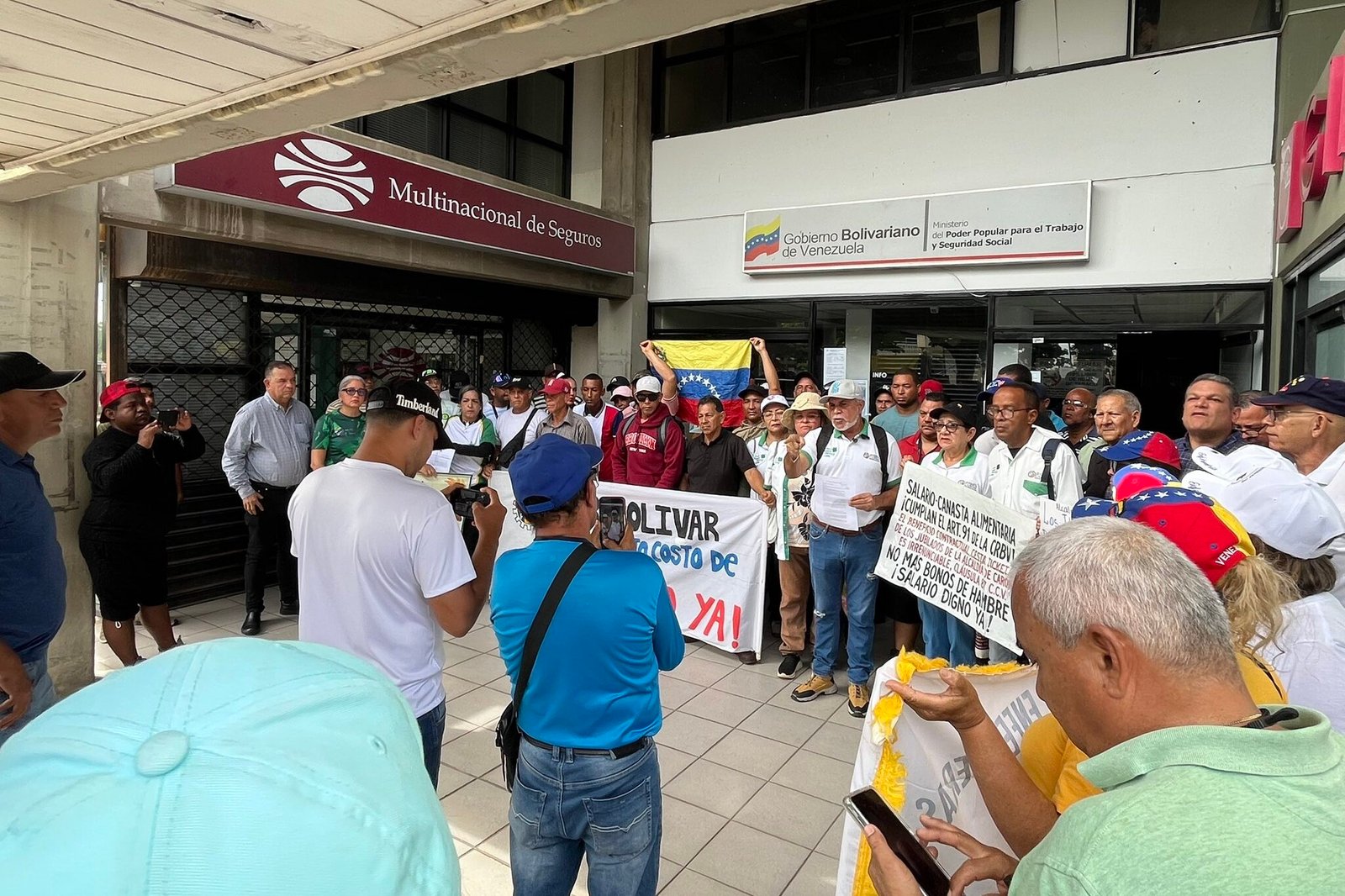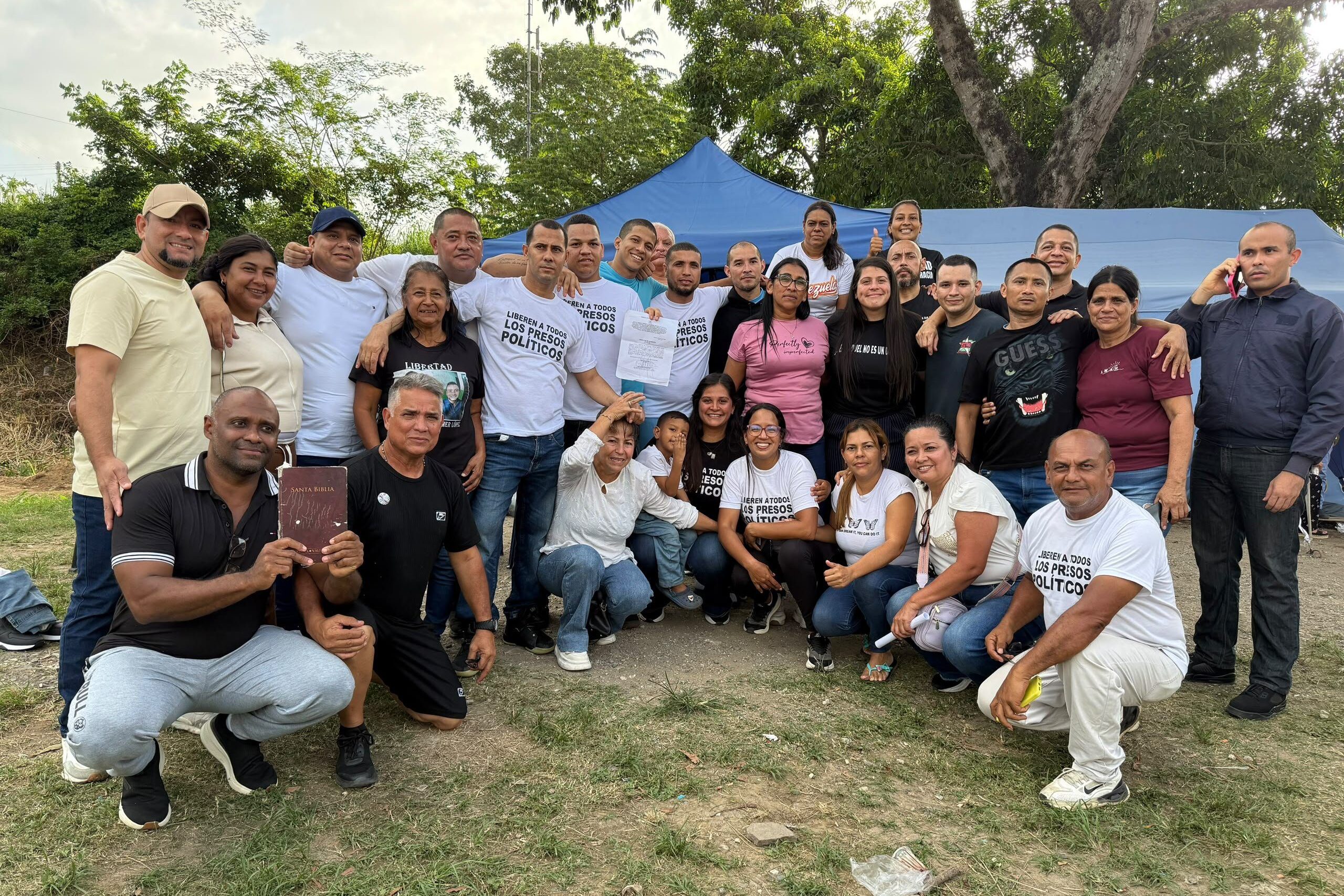
NGOs denounce the persistence of a “revolving door” strategy, where new arrests offset granted freedoms, keeping a significant number of detainees in custody | Photo: Committee for the Freedom of Political Prisoners.
Guacamaya, August 14, 2026. The national political dynamic has brought new developments, as this Friday the Program for Peace and Democratic Coexistence announced the granting of “alternative measures to deprivation of liberty” for a total of 131 political prisoners. This announcement comes just two days after the conclusion of the first round of in-person negotiations between the Government and the representation of the 2015 National Assembly.
Although the official figure points to more than a hundred beneficiaries, Gonzalo Himiob, vice president director of the NGO Foro Penal, initially reported that as of 5:30 PM on the day of the announcement, only 45 releases had been verified. Notable releases took place mainly in detention centers such as Yare II, El Rodeo I, and INOF.
Notable releases and main reactions
Among the groups released, a contingent of 25 people from El Rodeo and another 17 from Yare stand out, linked to the “Plaza Venezuela case,” a file opened in August 2025 following reports of an alleged conspiracy to detonate explosives in that area of Caracas. Relatives of this group had continually reported forced disappearances and lack of access to case files.
Likewise, another striking case that came to light was that of Emirlendris Benítez, who regained her freedom after eight years in prison. Benítez was arrested in August 2018 on accusations of participating in the alleged drone attack against Nicolás Maduro and during her custody suffered a miscarriage and ended up in a wheelchair. She was released along with a group of women from INOF.
Although confirmations are proceeding cautiously, unofficial reports and family sources suggest that this Friday’s figure could exceed the initial partial records due to simultaneous releases in prisons in the country’s interior. Before this new wave, Foro Penal’s balance sheet indicated the existence of 391 political prisoners in Venezuela, as of August 10.
Dinorah Figuera, president of the 2015 National Assembly, celebrated the measures but recalled that all detainees deserve full and immediate freedom. For its part, Primero Justicia recognized the perseverance of the negotiating commission, while Voluntad Popular demanded the release of all for a true transition. The members of the opposition delegation come from both organizations.
A key precedent for this climate of détente was the definitive release of Judge María Lourdes Afiuni, whose case was fully closed on August 8, right after the first day of the in-person dialogue meetings. Afiuni was a symbol of judicial persecution since December 2009 following Hugo Chávez’s direct order to impose the “maximum sentence” on her.
The implementers of the measure and the main challenges
The Program for Peace and Democratic Coexistence, created in January by Delcy Rodríguez to “consolidate social harmony,” is headed by Attorney General Larry Devoe, along with business and academic representatives such as Ricardo Cusanno and Michael Penfold. Ana María Sanjuán and Génesis Garvett, from the Executive branch, in addition to being part of the Program, also make up the Government delegation in the dialogue.
The chronology of releases in 2026 reveals a constant gap between the figures that Delcy Rodríguez’s interim government announces and those that Foro Penal and other NGOs are able to independently verify. This discrepancy has been a permanent point of friction for relatives and negotiators.
In January, the first massive waves were recorded, totaling 302 releases by the end of the month. In March, following the approval of the Amnesty Law, the cumulative figure rose to 670 releases, which added further releases in May. Foro Penal reported a historical cumulative total of 894 releases in 2026, but the number of political prisoners did not drop below 380 due to parallel new arrests.
As of August 3, 382 prisoners were counted, a figure that even rose to 391 by August 10 due to recent detentions that neutralized the few sporadic releases. Foro Penal has questioned the persistence of a “revolving door” policy, where new arrests are carried out in parallel with releases, added to opacity in official lists that keep prisoner numbers static.
Human rights organizations must carry out a “case-by-case” verification work to confirm who has actually left the detention centers. The challenge for the negotiating table and the Program for Peace is to transform these “alternative measures” into full freedoms and the definitive cessation of persecution that would close with the release of all political prisoners.