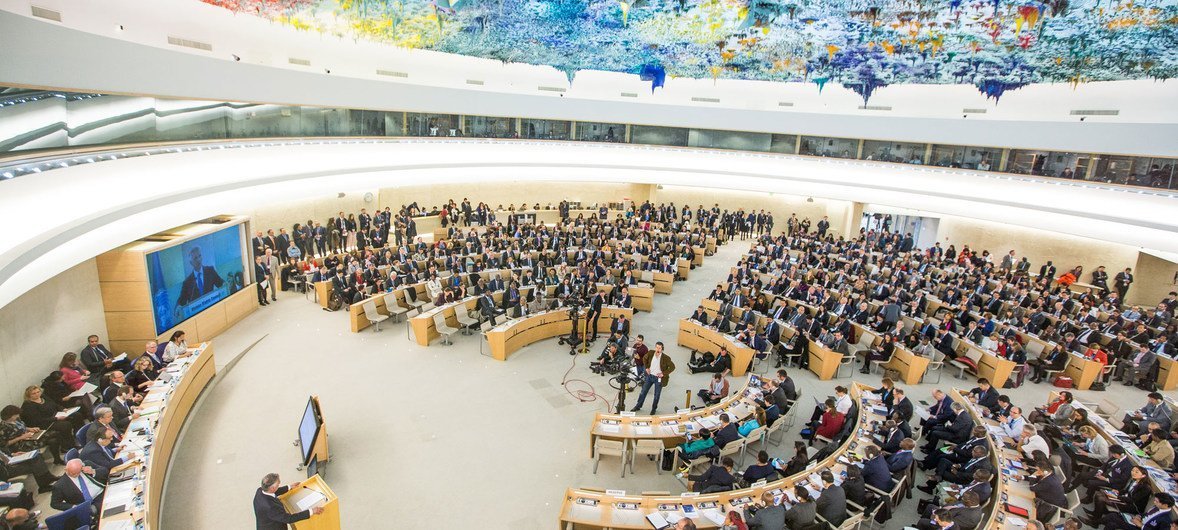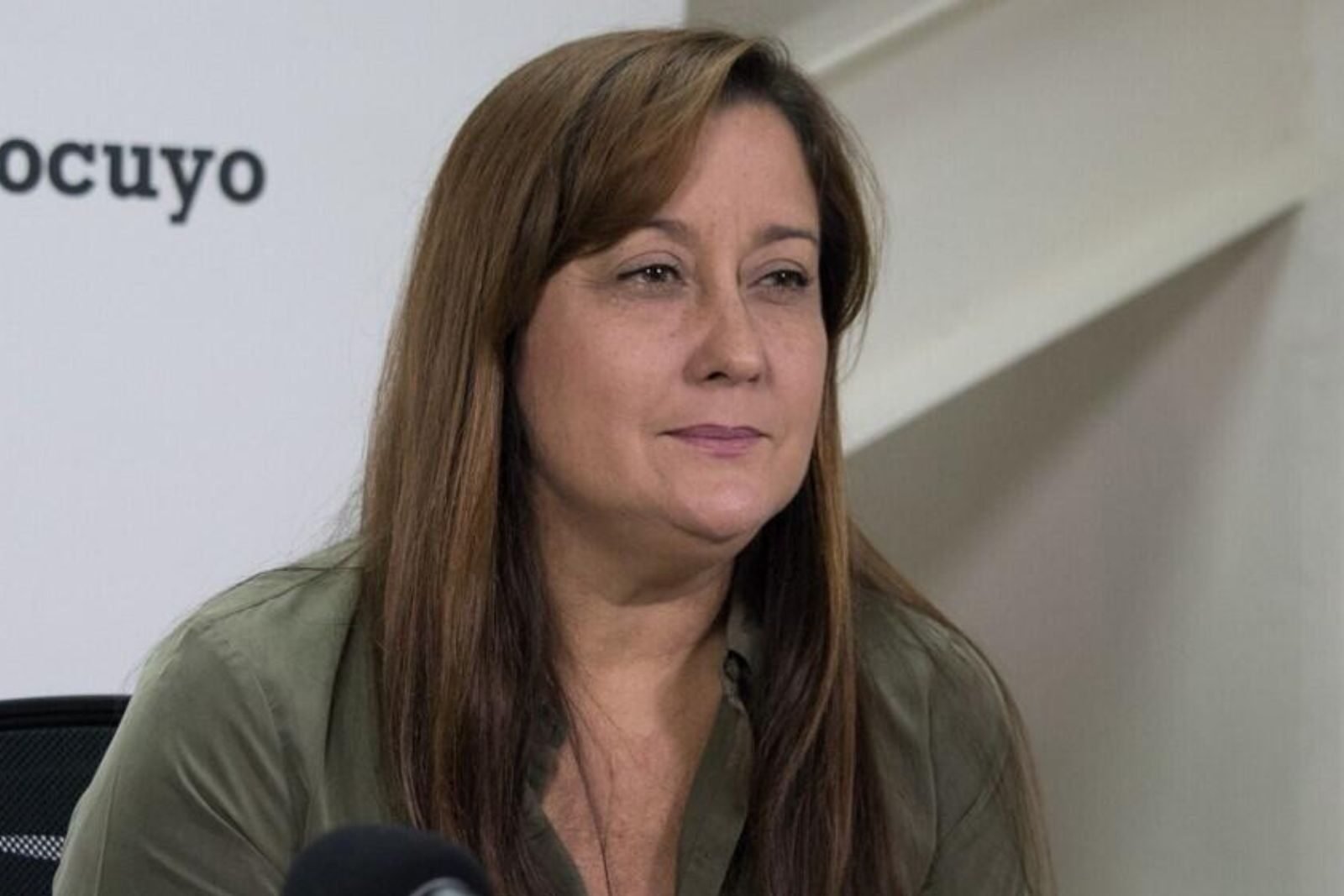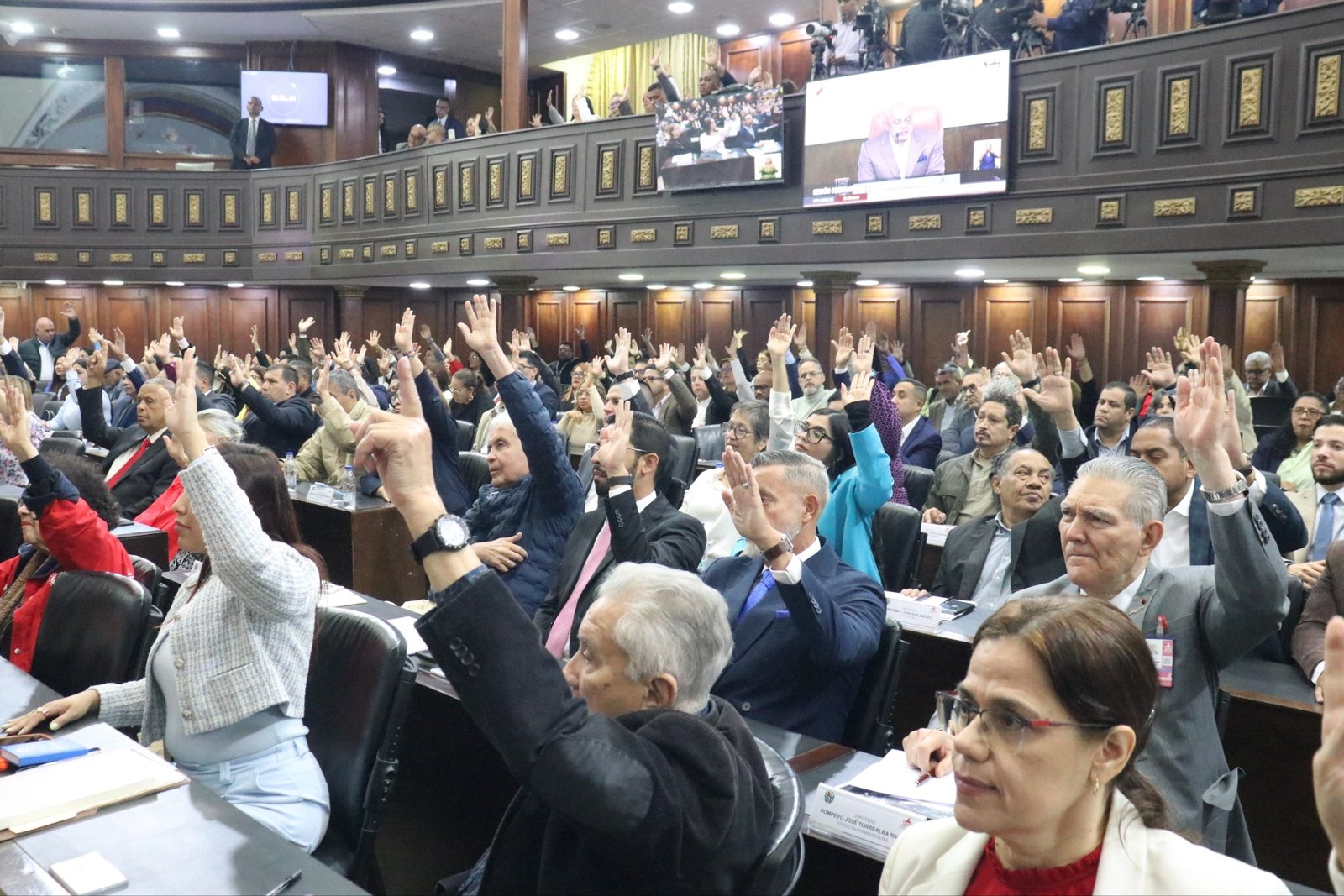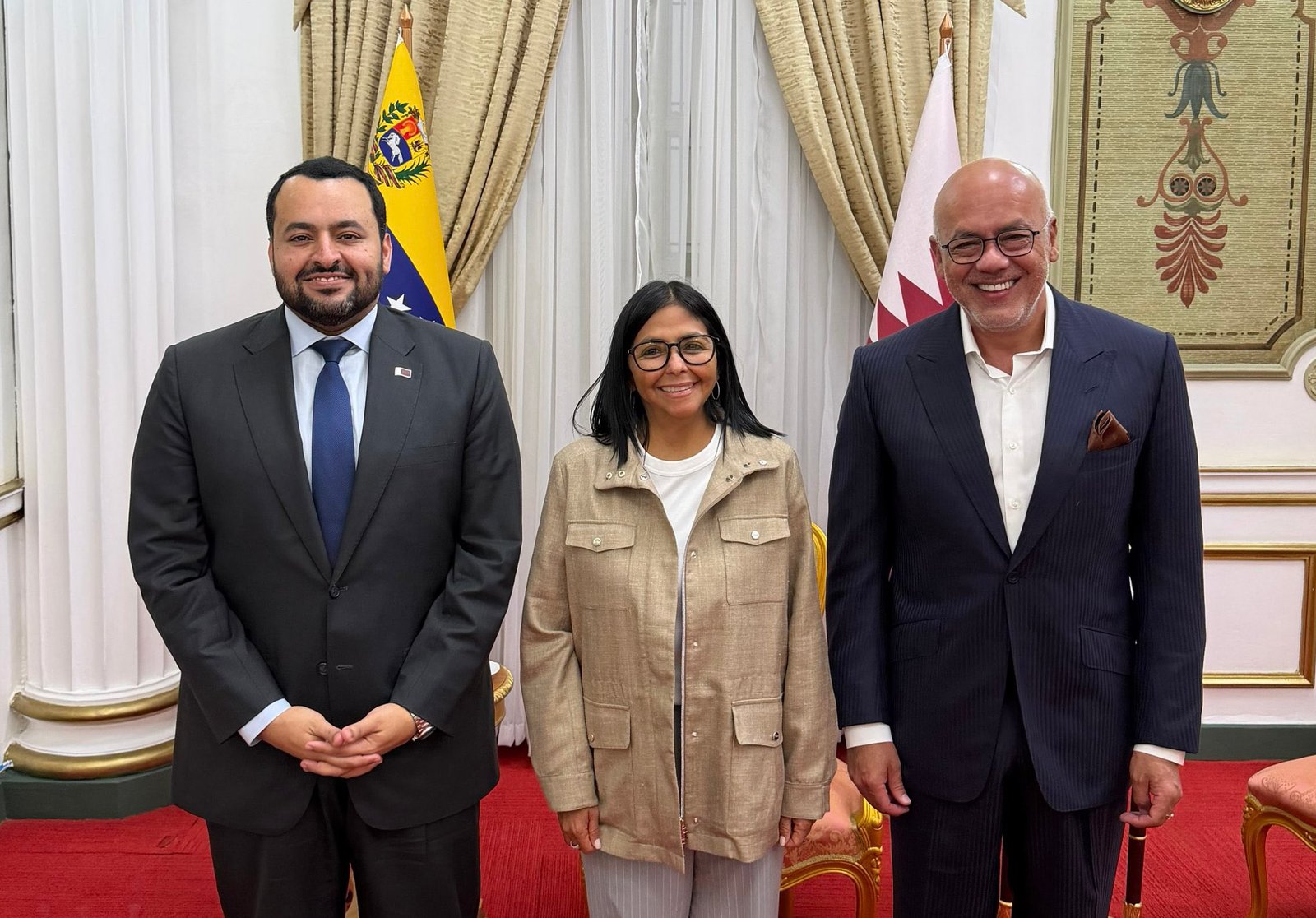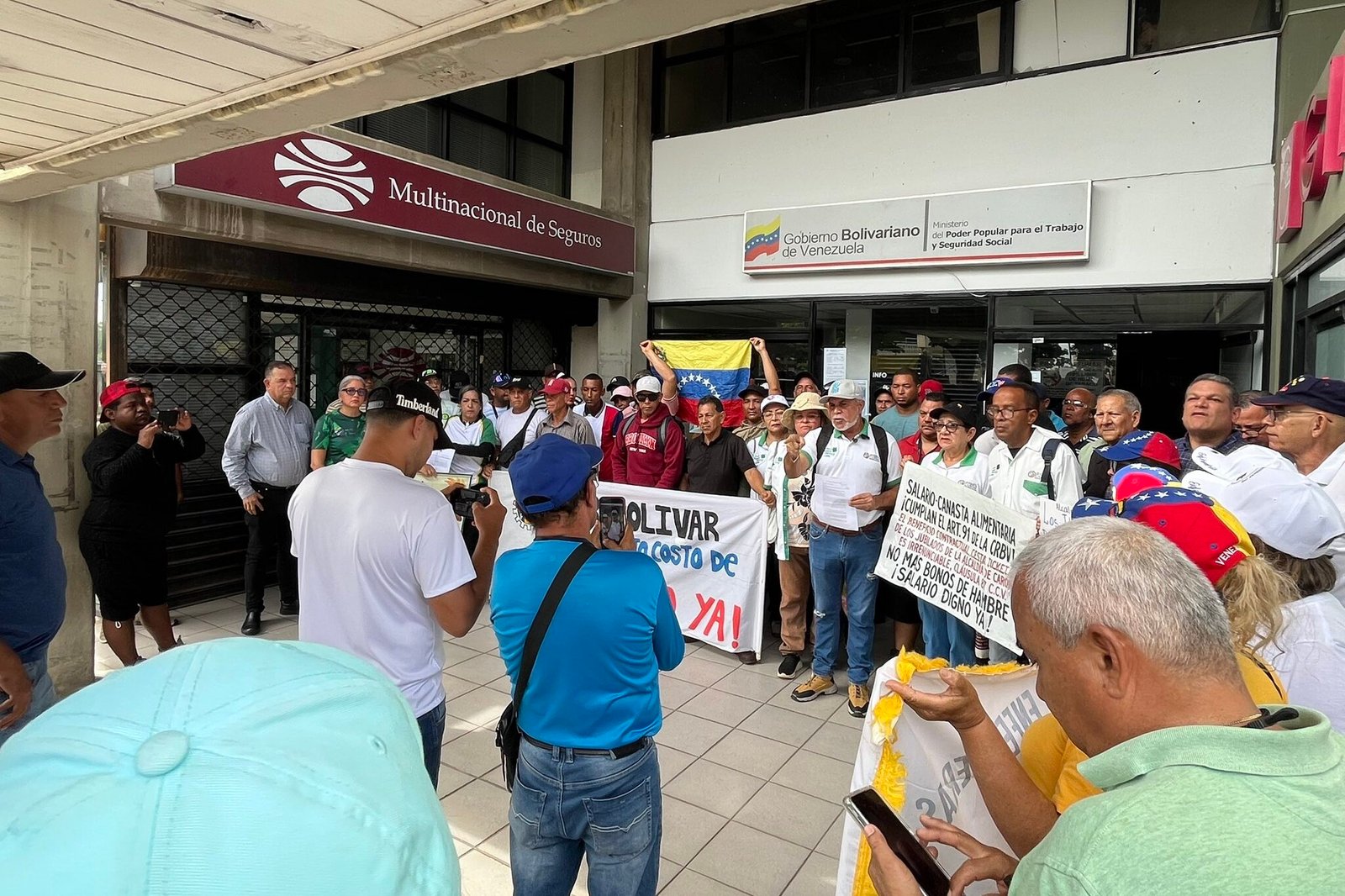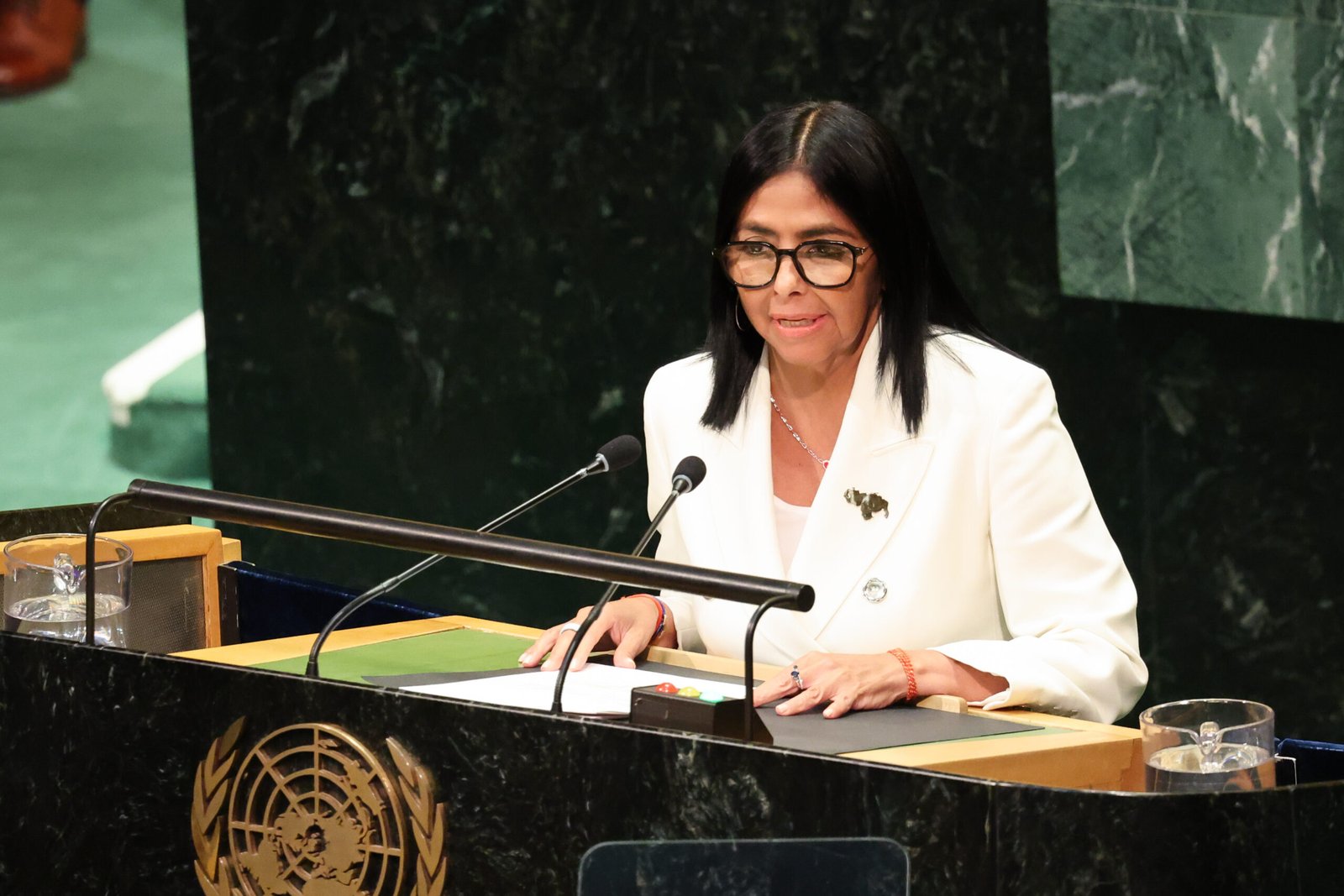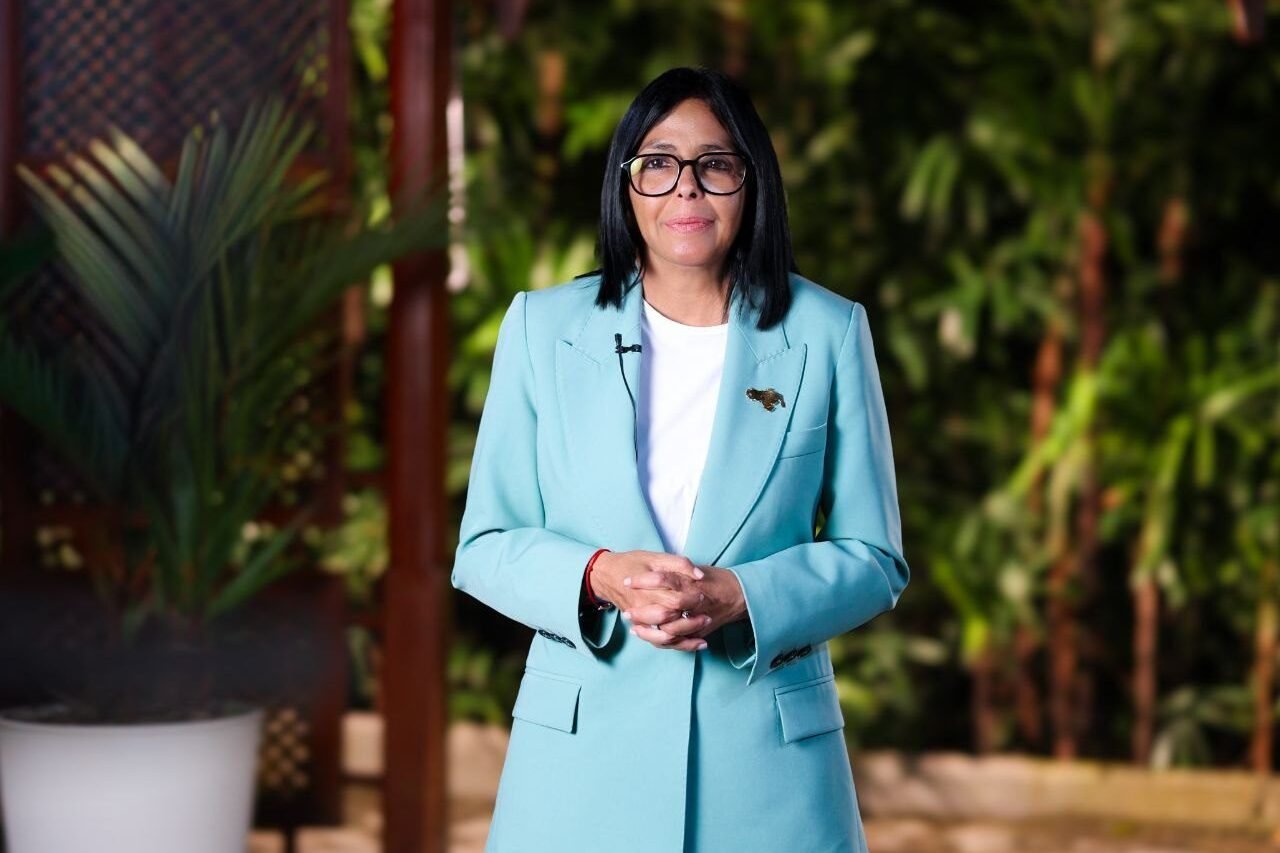
The Executive is attempting to restructure public order in a context marked by recent social crises and natural disasters. | Photo: Presidential Press
Guacamaya, August 25, 2026. Acting President Delcy Rodríguez announced this Monday, August 24, the elimination of police checkpoints, popularly known as alcabalas, within the country’s urban areas. The measure, presented as a shift toward the modernization of citizen security, seeks to eradicate irregular practices and will be replaced by a reinforced system of preventive and traffic patrols.
During a message to the nation, Rodríguez was emphatic in stating that this transition responds to the need to guarantee free mobility and respect for citizens’ rights. “In the coming days, we will eliminate police checkpoints in cities; and in their place, to ensure comprehensive security, the patrol mechanism will be reinforced,” said the president.
This decision comes after years of complaints about abuses of authority and extortion at these control points, which had proliferated especially after the 2024 presidential elections. According to Rodríguez, the new model must be “at the service of the people” and implemented through “effective, professional, and rights-respecting mechanisms.”
The Framework for the Restructuring of Citizen Security
The suspension of checkpoints is not an isolated event but part of a comprehensive institutional cleansing strategy initiated in mid-this-year. In June, the activation of the 0800-EXTORSIÓN hotline (0800-398677466) was launched to combat “matraca” (extortion). The stated goal was to purge institutions and protect both citizens and honest officials.
“It is not fair that honest police officers pay for those who extort citizens… I want to put an end to extortion and bribery,” she said at the time, underscoring the urgency of cleaning up state security forces.
The Executive has accompanied these reforms with a strong symbolic weight through the transformation of emblematic prison and police facilities into community gathering centers. This policy of “restorative justice” first materialized with the definitive closure of El Helicoide as a prison, announced on January 30, 2026, to be converted into a social, sports, and cultural center.
Under the same logic, the Coliseo de La Urbina —which served as the headquarters of the Sucre Municipal Police and as a detention center— has been handed over to the Misión Venezuela Bella for recovery. Rodríguez ordered that the space be fully adapted for sports and culture, replacing confinement areas with spaces for “neighborhood gathering and peace.”
Toward a Permanent Judicial Reform
All these measures converge in the Great National Consultation for the Reform of Criminal Justice, formally established in April 2026. This process seeks to move beyond the stage of exceptional measures —following the end of the Amnesty Law that benefited more than 8,600 people— to establish a permanent and transparent criminal system.
The reform is structured around nine strategic axes, including 21st-century criminal policy, the use of technological tools, and the guarantee of due process. According to the Attorney General of the Republic, Larry Devoe, secretary of the consultation, the goal is to carry out a shared diagnosis to settle a “historical debt” and build a judicial system that guarantees the country’s tranquility.
With the elimination of checkpoints, Delcy Rodríguez’s government aims not only to streamline urban mobility but also to rebuild institutional trust in a country that, after suffering recent natural disasters, seeks in the reform of its laws and security forces a path toward social stabilization.