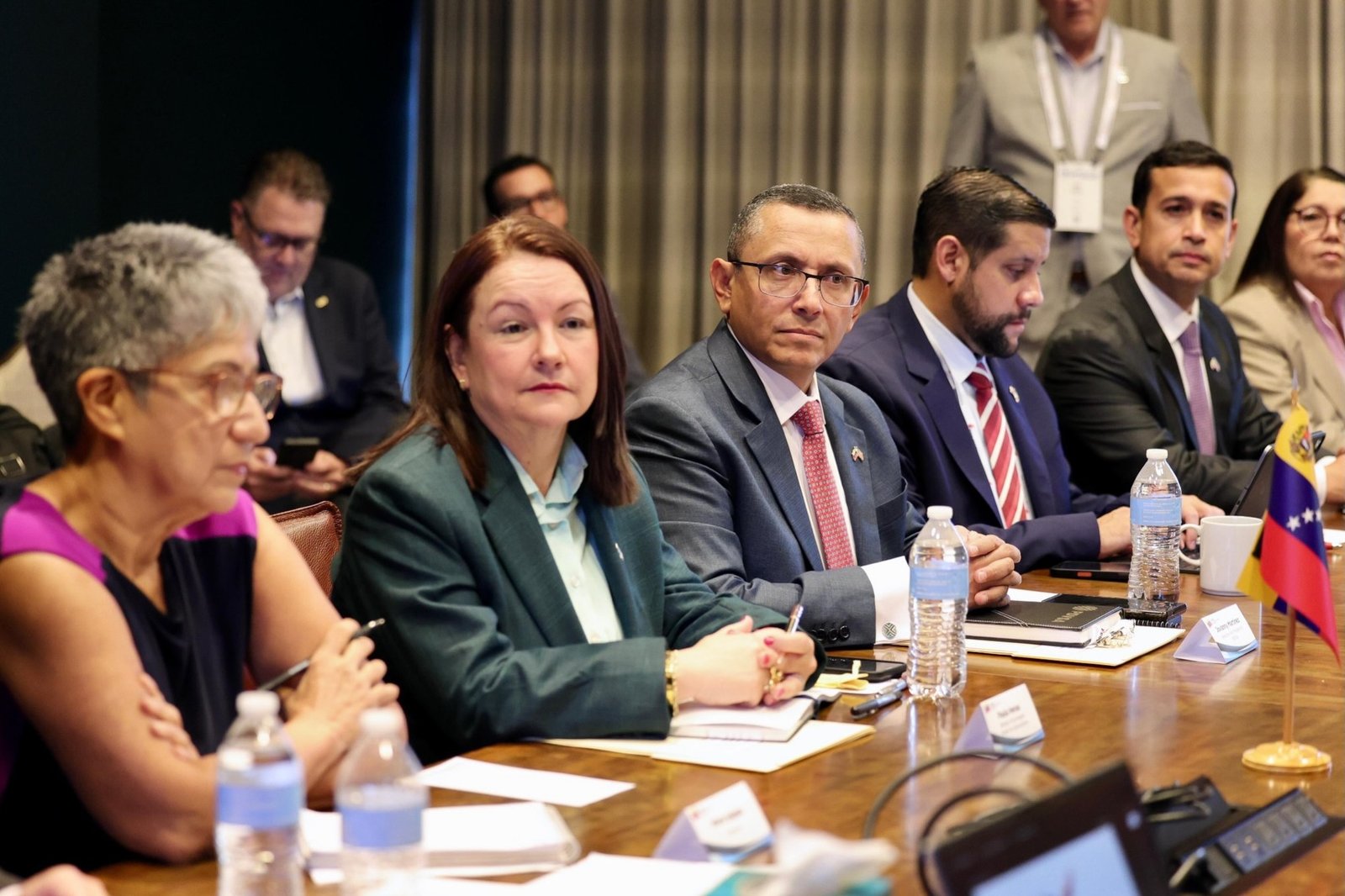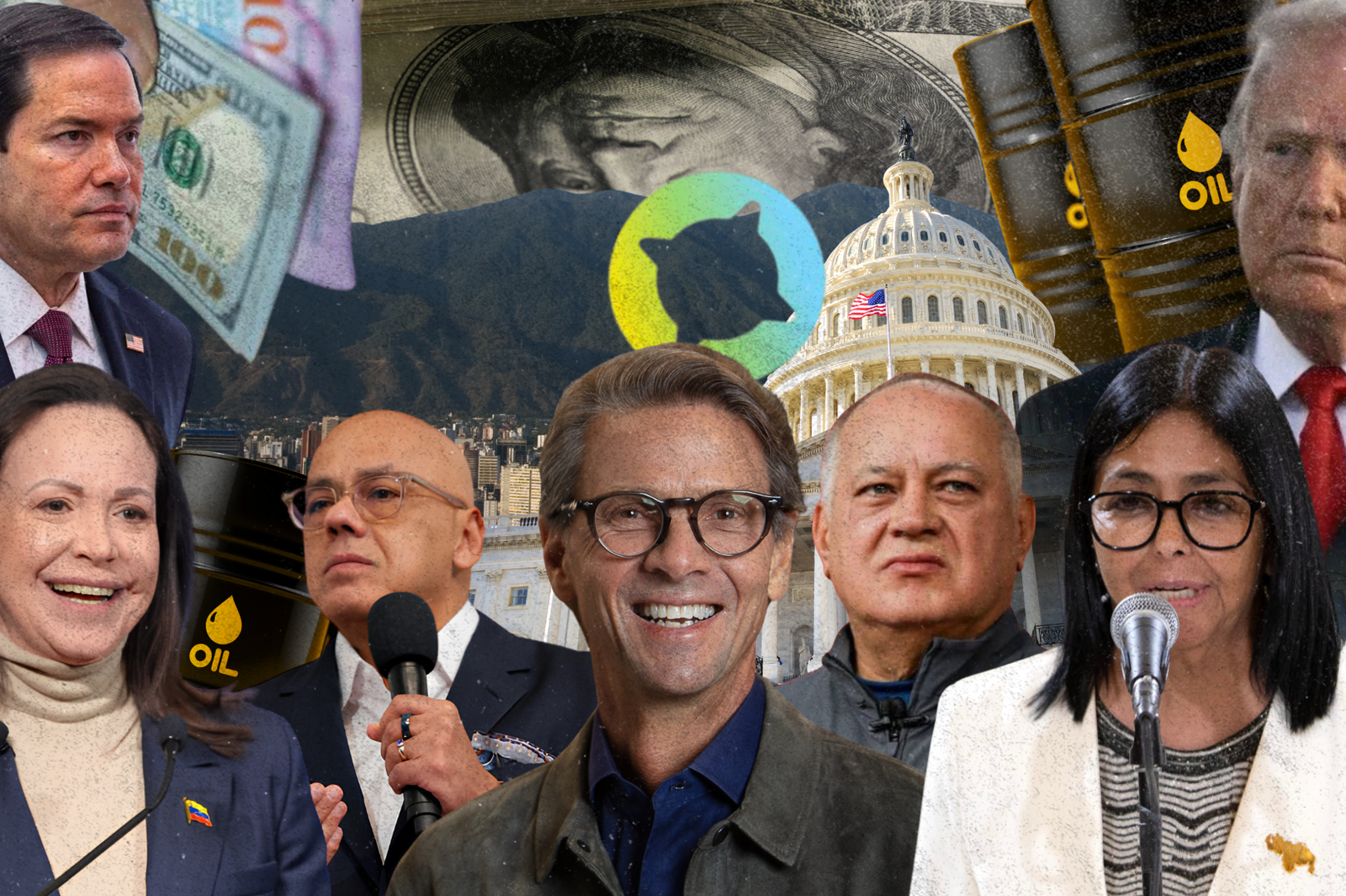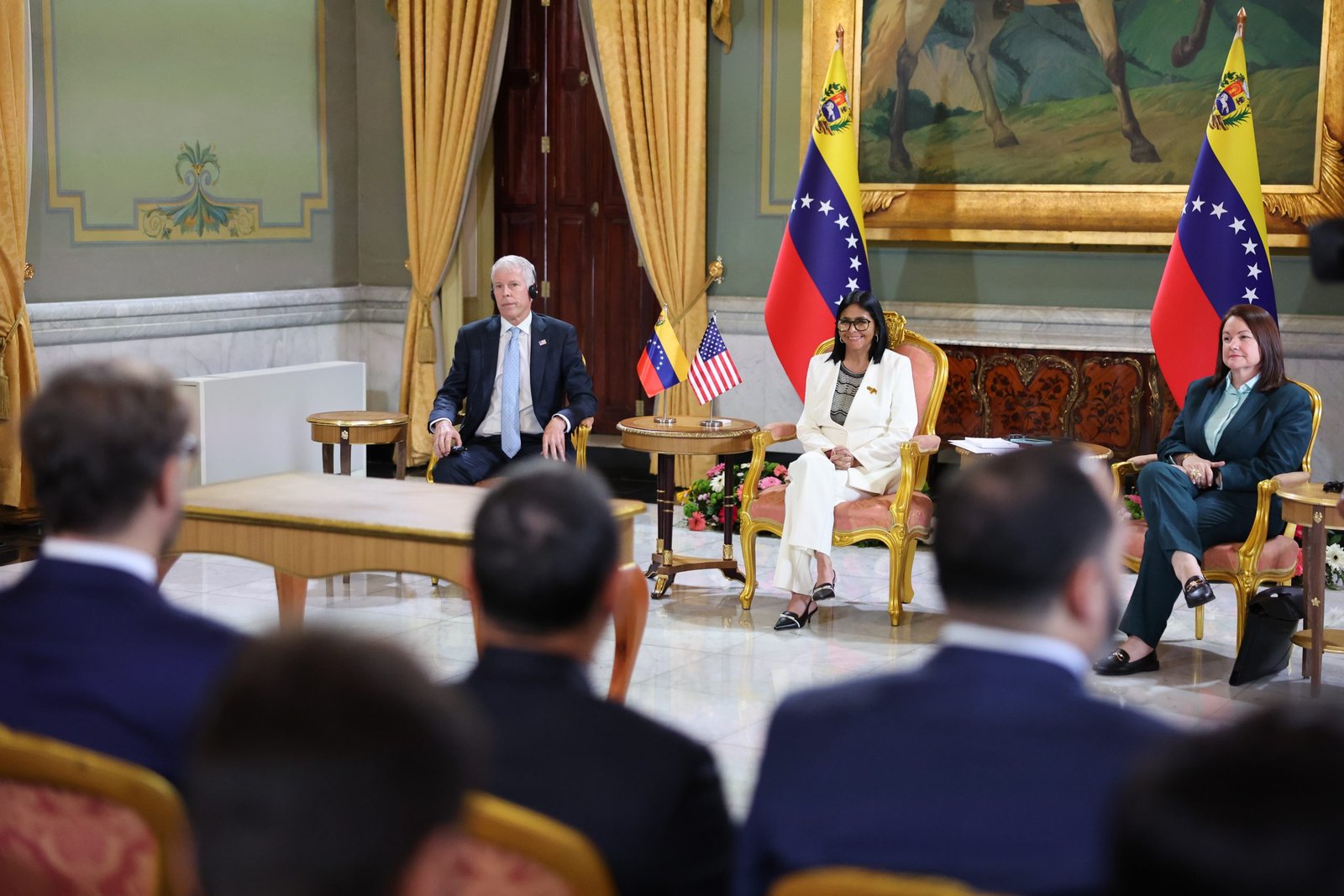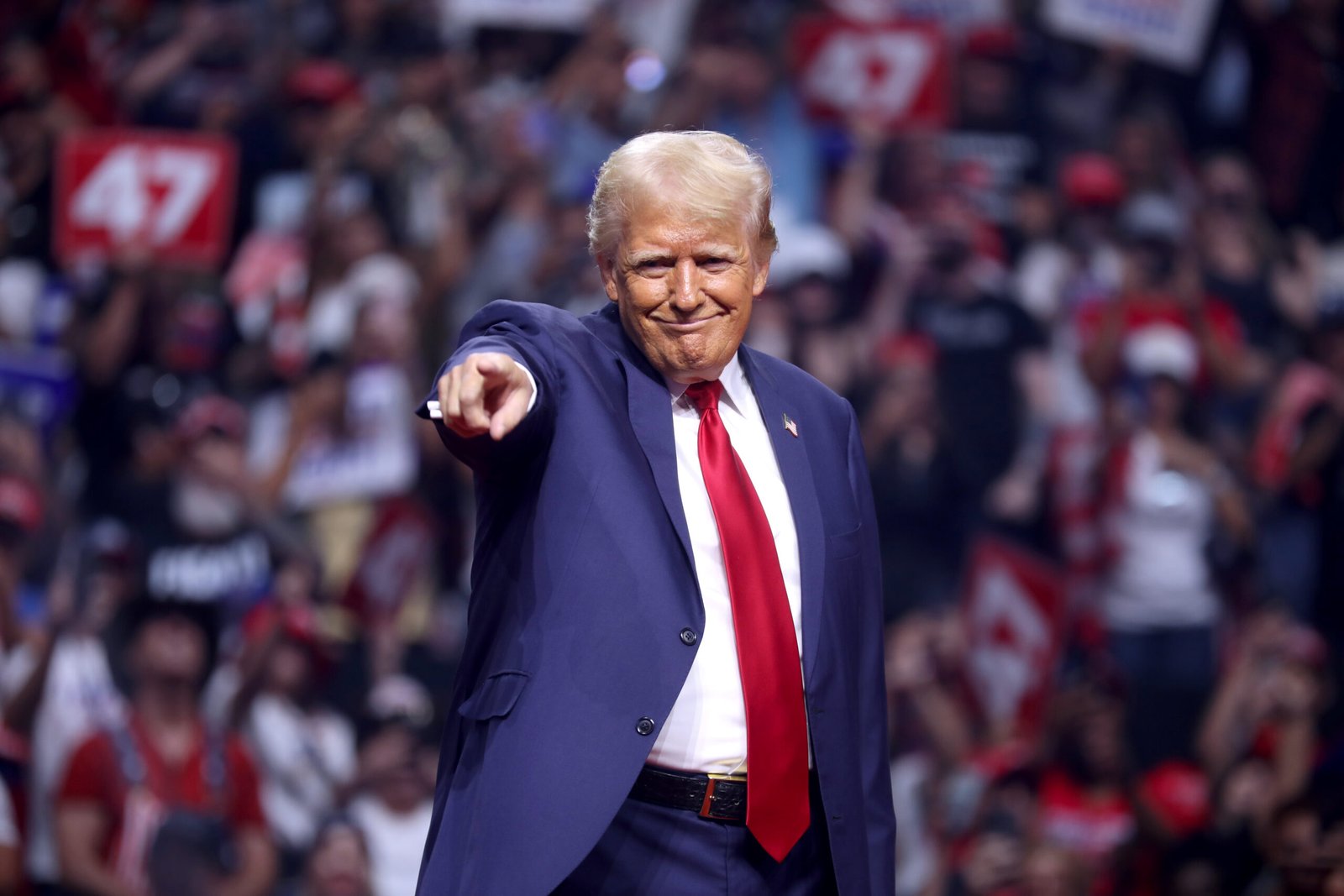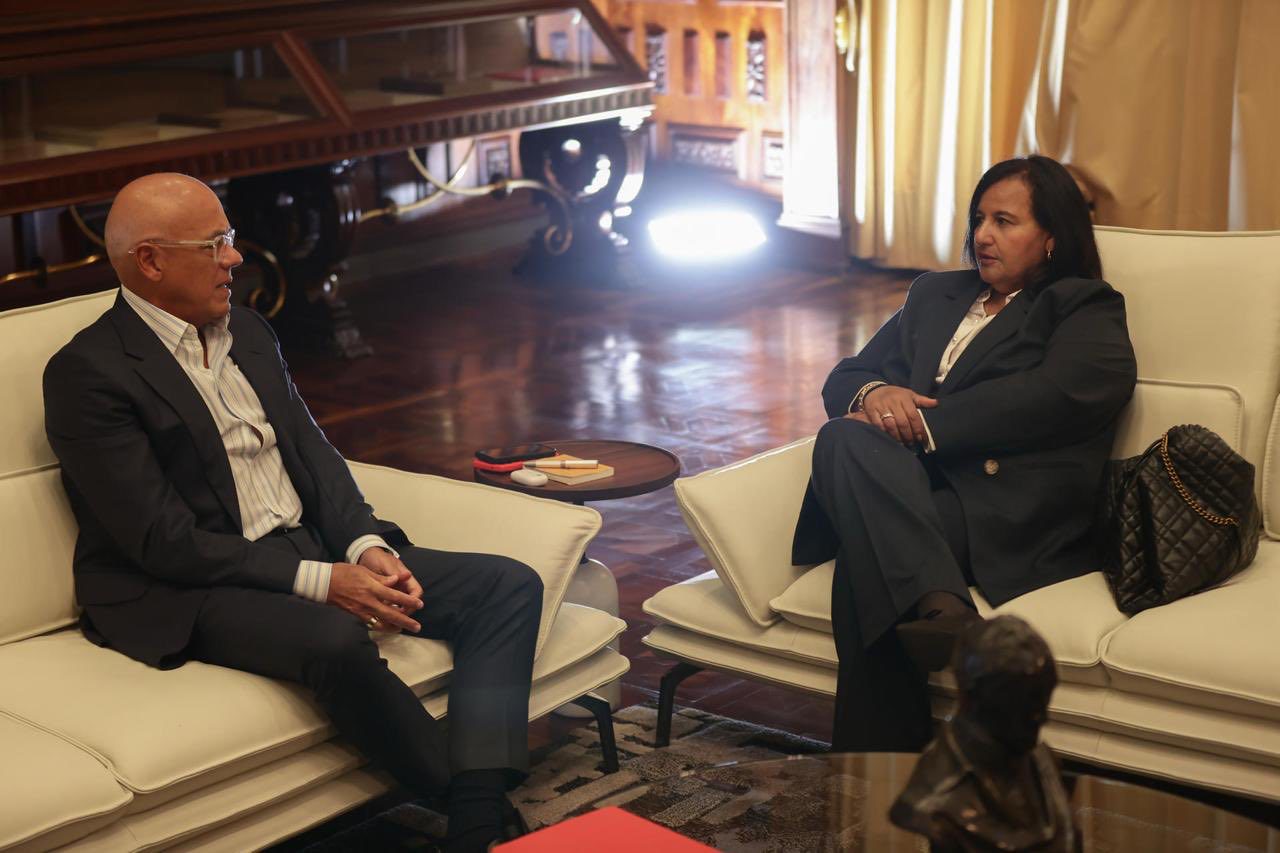
The institutional deployment has generated notable confusion within the aforementioned opposition coalition, which was not informed about this agenda coordinated by the State Department. Photo: X / @jorgerpsuv.
Guacamaya, June 18, 2026. After 8 years of exile, Dinorah Figuera, president of the 2015 Legislative Delegated Commission —self-defined as the 2015 National Assembly—, landed in Maiquetía under an operation coordinated with the United States.
The move has acquired significant relevance due to the implications surrounding her agenda, which includes meetings with both U.S. representatives and members of the Venezuelan ruling party.
After arriving on an American Airlines flight, Figuera confirmed immediate meetings with John Barrett, U.S. Chargé d’Affaires, and with Jorge Rodríguez, president of the National Assembly. Unconfirmed reports link her trip to a potential negotiation to reconfigure the National Electoral Council (CNE).
Upon her arrival, Figuera herself stated: “We need a credible CNE where the vote of Venezuelans can be freely expressed.” With a metaphor that captured the attention of those present, she stated that “you have to eat the elephant in small bites,” suggesting that her arrival is only the first step in a broader agenda seeking institutional solutions aimed at political transition.
Washington’s Endorsement and the “Institutional Agenda”
Figuera’s arrival was not a fortuitous event or an individual initiative, but rather a coordinated operation with the U.S. State Department. The key precedent was her meeting in Washington on April 22 with Michael Kozak, Deputy Assistant Secretary for Western Hemisphere Affairs, where they evaluated paths toward an “orderly and consolidated democratic transition.”
One of the most controversial aspects of this return is the apparent lack of coordination with leader María Corina Machado and the Unitary Platform. When asked about this, Figuera drew a clear line: “one thing is the political and another is the institutional.” Sources linked to the coalition assert that Figuera’s arrival was surprising and that they were not notified by the State Department.
This return adds to that of other high-profile opposition figures such as Roberto Marrero, Yon Goicoechea, and Lester Toledo. The exiled leaders returned weeks ago under an amnesty process and bearing the banner of the “three-stage plan” promoted by the White House, which establishes the phases of “Stabilization,” “Recovery,” and “Transition.”
The Profile of a Doctor and Political Leader
Dinorah Figuera, 61, is a doctor graduated from the Central University of Venezuela and a former opposition deputy for Primero Justicia. Figuera left the country, headed to Spain, in 2018, following the death in custody of her party colleague, councilman Fernando Albán, and after denouncing persecution by the Bolivarian National Intelligence Service (Sebin).
Since 2023, Figuera has presided over the 2015 Legislative Delegated Commission —self-defined at times as the 2015 National Assembly—, which marked the end of the Juan Guaidó era at the helm of that body. The so-called “2015 AN” has been the legal vehicle, recognized by the U.S., for the defense and control of critical assets abroad, such as the company Citgo, valued at billions of dollars.
A detail that did not go unnoticed was the brief change in Figuera’s bio on X, where she identified herself as “President of the 2026 AN,” only to shortly after change the year to 2015. Analysts saw this as a gesture to legitimize, in the eyes of the public, agreements in a new institutional cycle that could reconfigure power in Venezuela.
In summary, Dinorah Figuera has returned as a key piece on a board designed by the United States. She is expected to open a channel of direct dialogue with Chavismo (specifically with the Rodríguez brothers) to reconfigure the National Electoral Council (CNE) and unblock the institutional crisis, in an agenda that appears to distance itself from the strategy of the Unitary Platform.