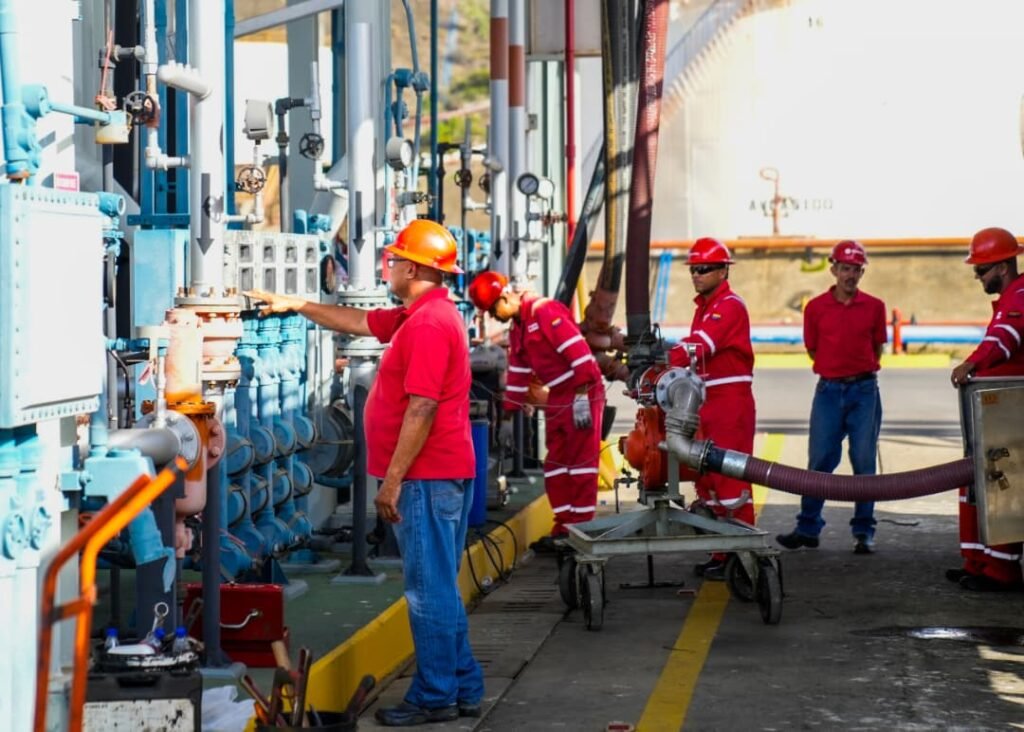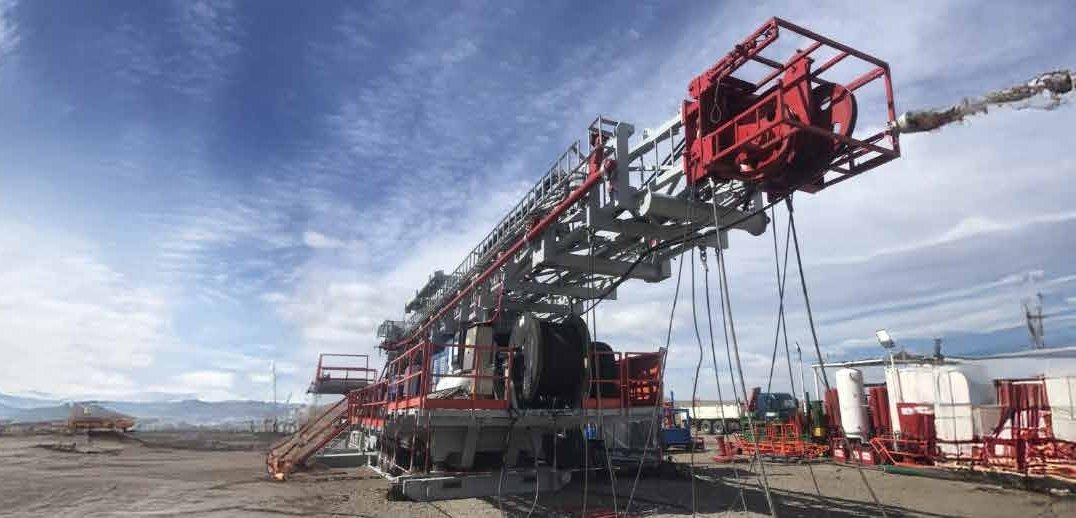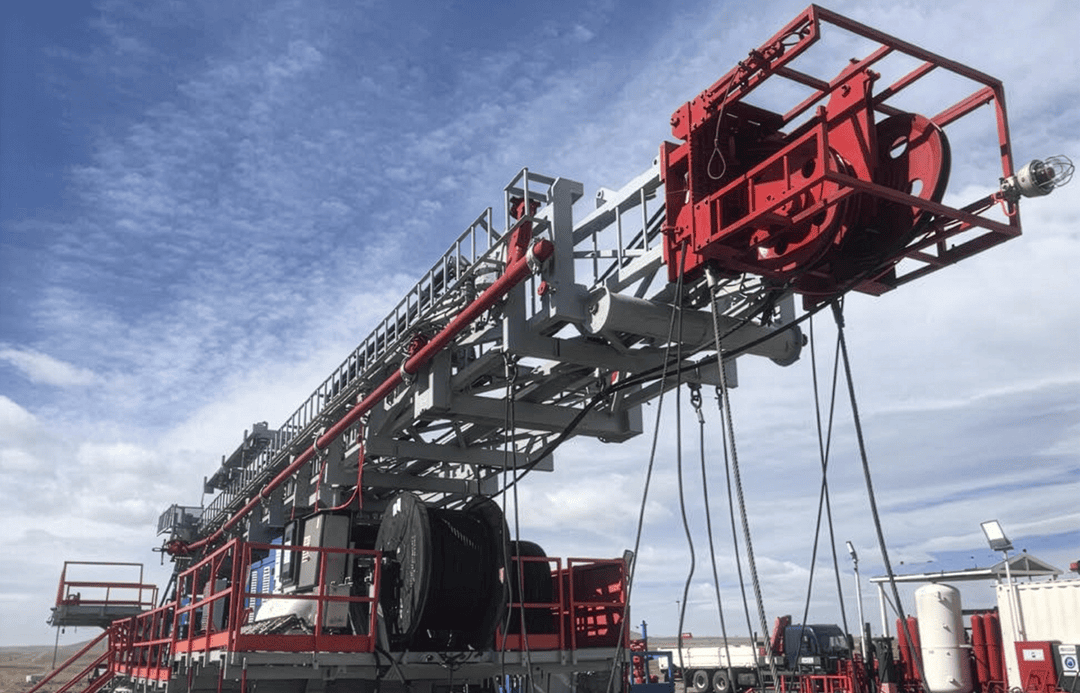
A W-101 workover rig operated by Aldyl. Photo: Aldyl.
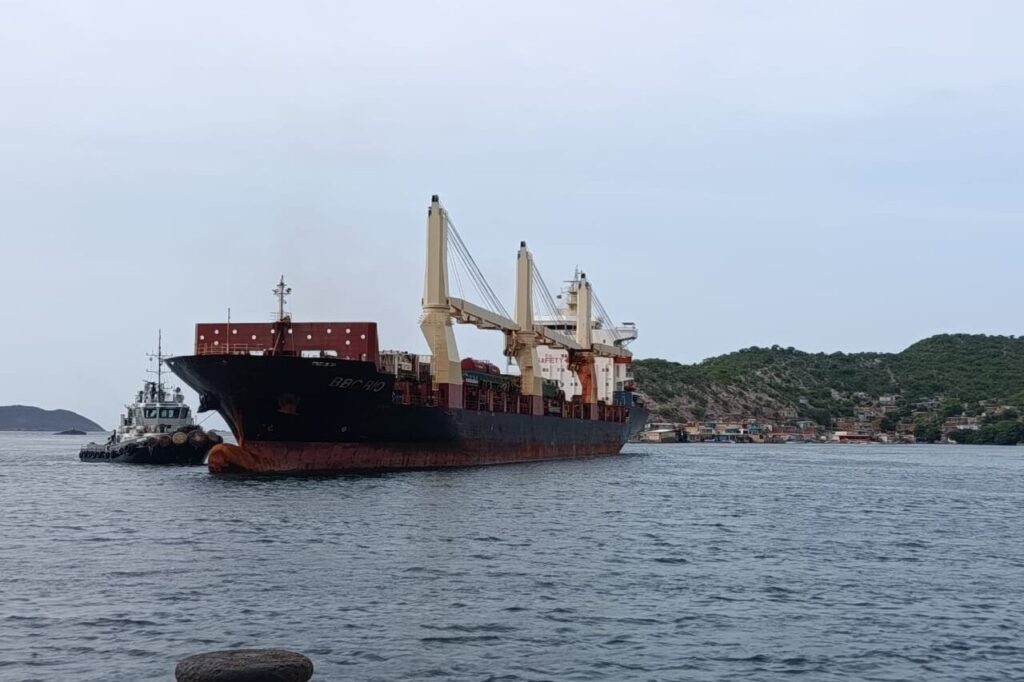
Guacamaya, July 13, 2026. On July 8, an Argentine company with a presence in Venezuela, Aldyl Energía, unloaded four Drillmec rigs at the port of Guanta in Anzoátegui. This is the first shipment of rigs for its drilling campaign, which is set to begin in August.
Aldyl holds a production contract in the Morichal Pesado field, within the Orinoco Oil Belt. With these rigs and additional drills expected in September, they plan to launch a campaign to reactivate and drill wells between 2026 and 2027, with an ambitious target of 80,000 barrels per day, according to a company press release.
The campaign includes 476 reactivations and 79 well drillings, in addition to three H200 rigs scheduled to arrive in September. These units represent an investment of $20 million, which would raise the total capital invested in Morichal Pesado to $100 million.
As part of its project, Aldyl has also developed its own application to monitor production in real time and measure management indicators, according to its statement.
Why do drilling campaigns matter?
The drilling rig is an indicator of investor confidence. It means committing millions of dollars in CAPEX to significantly increase oil production.
After years of sanctions and disinvestment, the number of active rigs has dropped from an average of more than 50 in 2017 to nearly zero since 2020. Most operations, in the meantime, focused on repairing and maintaining existing wells, which required much smaller investments.
Several rigs were sent to storage or even to other countries during this period, and only this year have some companies decided to put them back into operation.
The arrival of rigs has therefore become newsworthy. In 2024, Chevron and PDVSA announced the start of a drilling campaign, and in April of this year, Reuters reported that at least 14 rigs were being evaluated or repaired.
Currently, Baker Hughes’ rig count shows only two active rigs in Venezuela, although it is believed there could be up to three more in operation by North American Blue Energy Partners (NABEP), the company with a presence in Petrozamora in Lake Maracaibo, and in Petrocedeño and Petrosur in the Orinoco Belt.
An Argentine company in Venezuela since 2022
Aldyl operates in Argentina, Peru, and Brazil in alliance with other companies. It began its presence in Venezuela by providing services in the Morichal Pesado field in 2022.
With the creation of new models for the oil industry, Aldyl Argentina established a Venezuelan subsidiary, Aldyl Energía, to take over operations of the same field through a Hydrocarbon Productive Participation Contract (CPPH).
CPPHs function as production-sharing agreements, which have greatly contributed to industry growth by being more competitive than the joint-venture model. Under the latter scheme, investors not only faced high tax burdens but also required PDVSA to hold a majority stake.
While major multinationals like Chevron, Repsol, and CNPC maintain their presence through joint ventures, smaller operators such as Aldyl, NABEP, Alvorada, and Colven have managed to increase production with schemes that facilitate faster returns on investment.
An ambitious plan with its own app
The company stated that it took control of operations at Morichal Pesado in April 2025 with 700 barrels per day, and by April 2026 had reached 10,000 barrels per day. It expects to consolidate at 29,000 by the end of this year, reaching 80,000 by the close of 2027.
Aldyl has also developed its own application, called “Barriles” (Barrels), to “control production in real time, as well as measure its objectives and management indicators, achieving a fully traceable operation.”
“Barriles” has incorporated artificial intelligence (AI) tools to optimize field operations. The app has already been adopted by other operators under the CPPH scheme, according to its press release.
Another step in the reactivation of the oil industry
Aldyl’s investment reflects the intent of capital from around the world to bet on the country’s oil industry in this new phase, marked by the approval of the Organic Hydrocarbons Law on January 29 and the easing of international sanctions.
The conflict in the Middle East has also reaffirmed the importance of Venezuela’s oil and gas reserves. Following the first closure of the Strait of Hormuz, Caracas has already received visits from U.S. Secretary of Energy Chris Wright, Secretary of the Interior Doug Burgum, and the Executive Director of the National Council on Energy Dominance, Jarred Agen. All three were accompanied by dozens of executives from the hydrocarbons and mining industries.
Last week, the Venezuelan Executive finally approved the regulations for the Hydrocarbons Law, which provides greater clarity for investments and establishes rules, such as operators being responsible for their own electricity supply. This step will facilitate the renegotiation of existing contracts and the signing of new agreements in the sector.