The long-term sustainability of an expanded labor market at its different levels will depend on the constant increase in national production and macroeconomic stability. Image: Guacamaya.
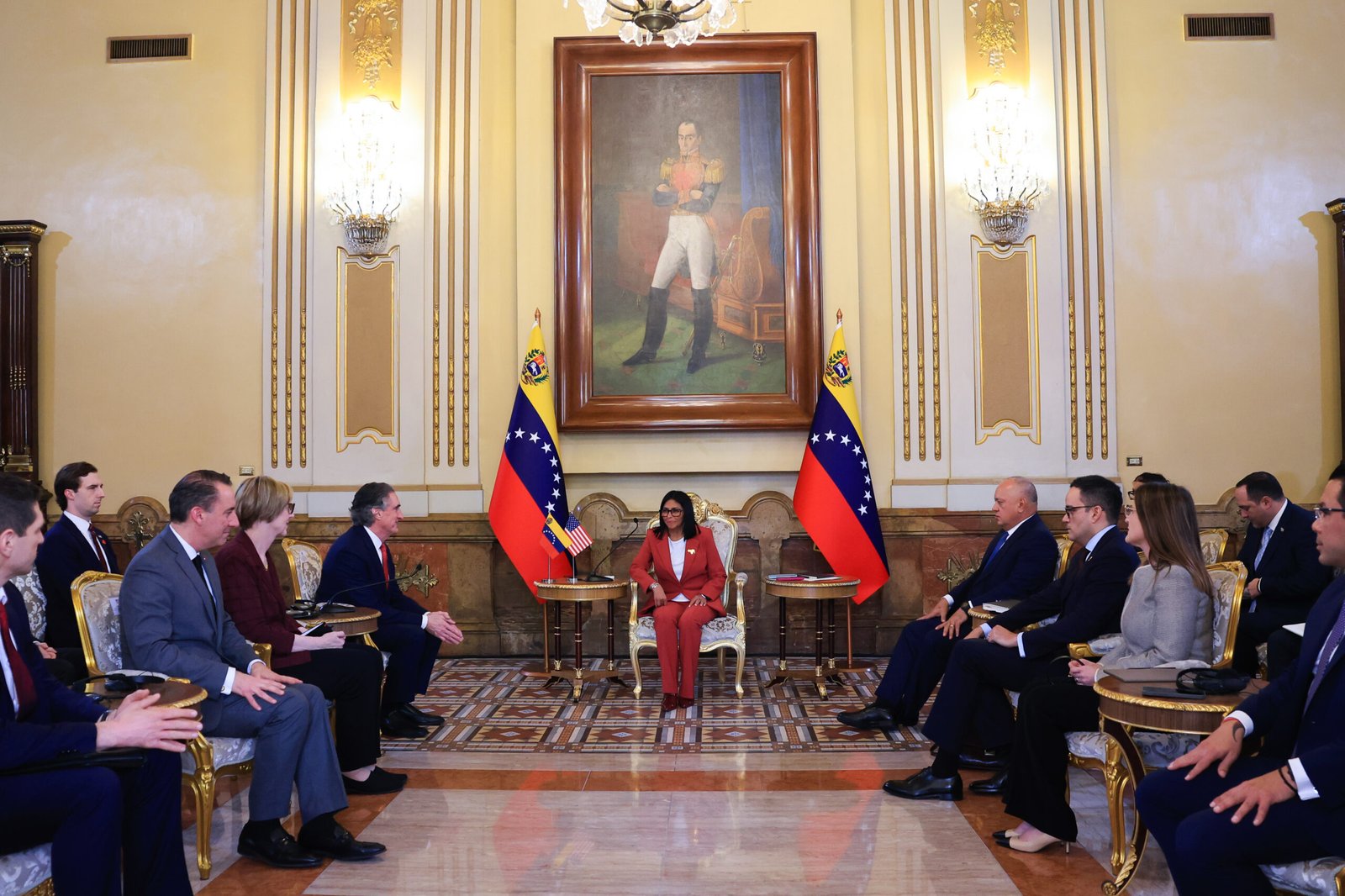
Guacamaya, September 15, 2026. The dynamics of the Venezuelan labor market are undergoing a reconfiguration driven by the political and economic events that began in 2026. Following the installation of an interim government and the implementation of reforms aimed at stimulating private investment, momentum has been generated for job offerings in the country at all levels.
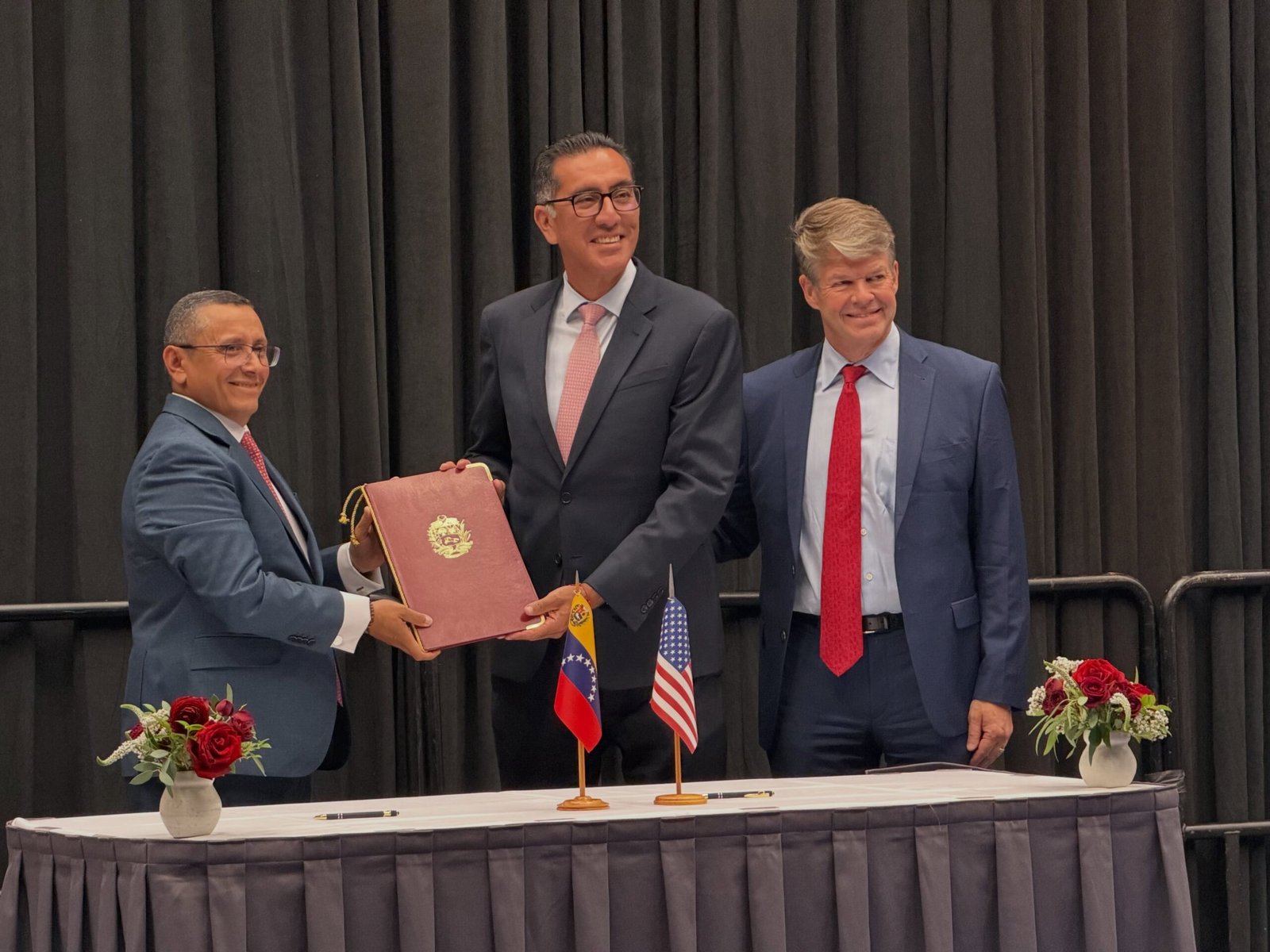
In the area of professional services, the firm KPMG revealed in its study “Business Vision Venezuela 2026” that 99% of the executives consulted project economic growth for the year. Specifically, with the reactivation of foreign trade and the recovery of national production, at least 17 international companies have closed deals or explored reopening operations.
The economic framework: Compensation versus the cost of living
The current salary reality reflects broad contrasts structured by level of responsibility, company size, and cost of living. According to data from the Venezuelan Confederation of Industrialists (Conindustria) corresponding to the second quarter of 2026, the average income in the manufacturing sector stood at around USD 541 per month.
This represented a year-over-year increase of 16% compared with the same period the previous year. However, the breakdown by operating levels illustrates marked differences:
- Blue-collar or operational personnel: They receive an average remuneration of USD 298 per month. This amount ranges from USD 256 in small companies, USD 271 in medium-sized ones, and USD 455 in large industries.
- Technical personnel and professionals: They register an average income of USD 588 per month, standing at USD 487 in small industry, USD 601 in medium-sized industry, and reaching USD 896 in large corporations.
- Managerial positions: They reach an average of USD 1,196 per month, ranging from USD 936 in small companies, USD 1,282 in medium-sized ones, and up to USD 1,937 in large industrial structures.
Outside the manufacturing industrial sector, general estimates for the formal private sector in the first quarter of 2026 formulated by Fedecámaras and the Venezuelan Observatory of Finance (OVF) place the average national salary between USD 237 and USD 283 per month.
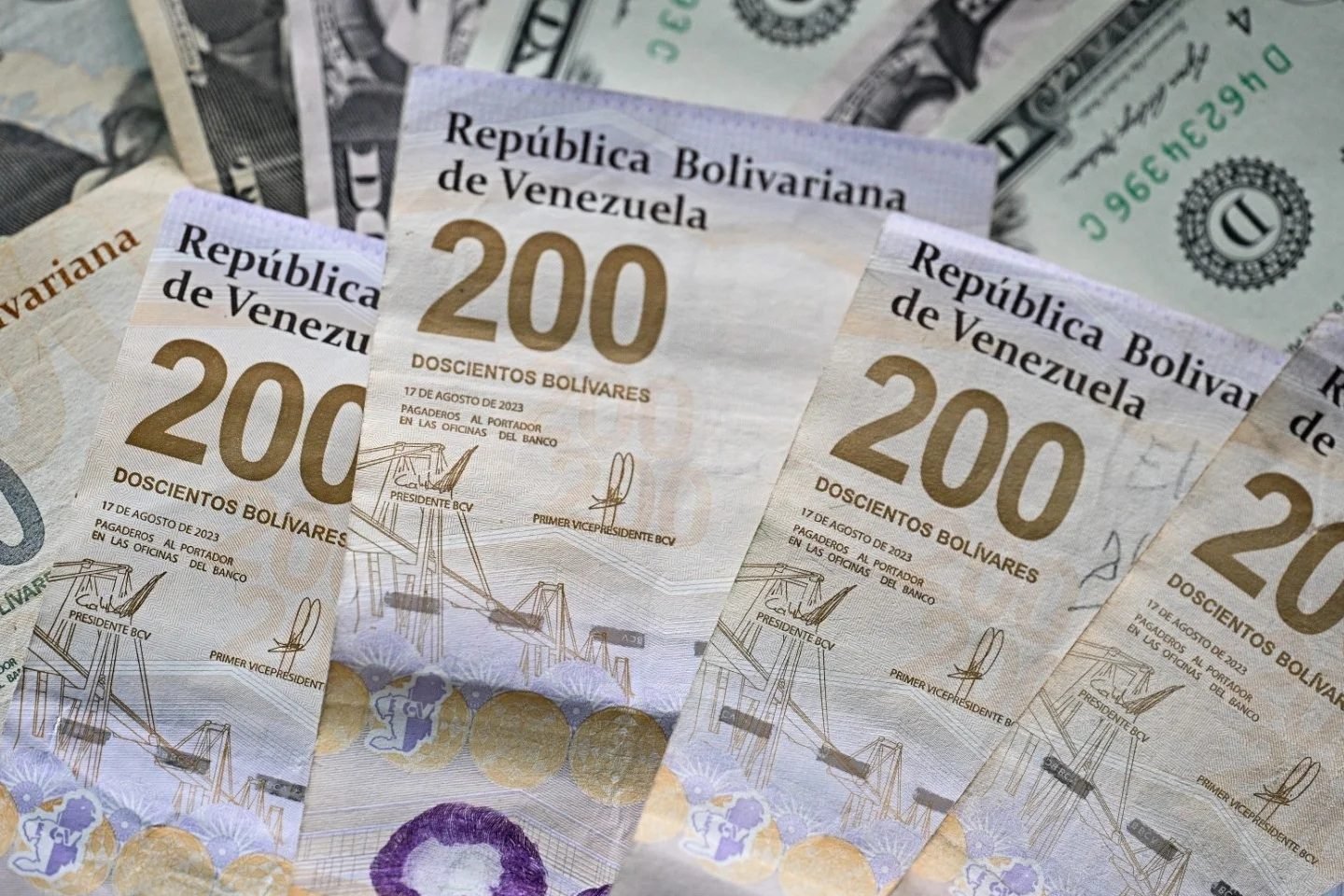
By contrast, the legal floor of the indexed Comprehensive Minimum Income (made up of the USD 200 Bonus against the Economic War and the USD 40 Cestaticket) stands at USD 240 per month, while the base legal minimum wage remains frozen at 130 bolívares.
Given that the Family Food Basket for a five-person household reached USD 727.89, according to the Center for Documentation and Social Analysis of the Venezuelan Federation of Teachers (Cendas-FVM), the average salary of an industrial worker is enough to cover barely 41% of their basic food needs.
This distortion explains why employer associations acknowledge that current salaries continue to be insufficient to meet labor expectations, conditioning sustained increases on higher production and macroeconomic stability. Currently, private manufacturing operates at 50% of its installed capacity.
Where are job offers concentrated?
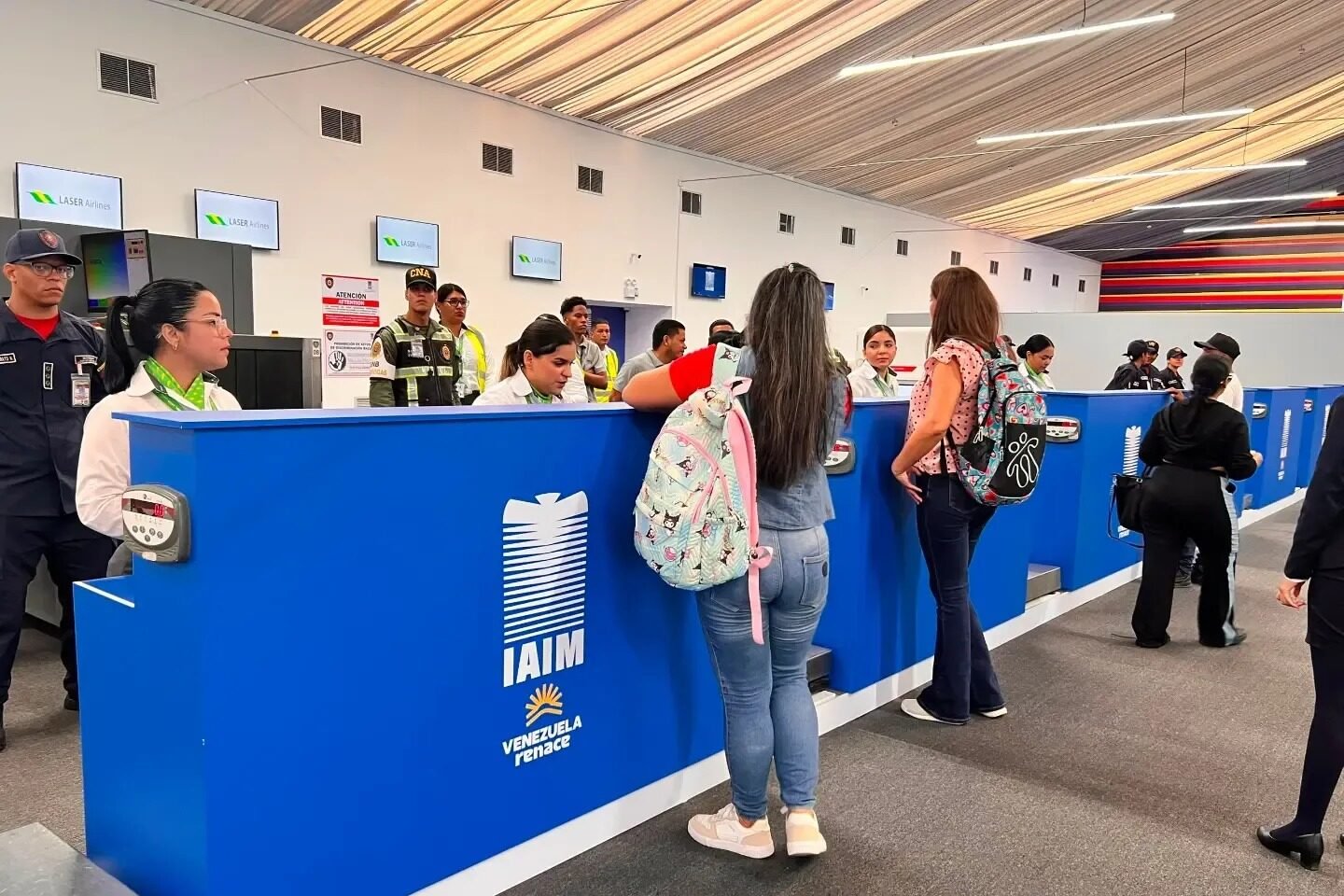
Faced with the economic reality, the workforce observes with particular interest the offers at new companies arriving in the country, as well as those generated by growth in the main Venezuelan companies. In this sense, it is worth noting that the search for and offering of jobs at all levels in Venezuela is distributed through digital ecosystems with differentiated functions.
- LinkedIn: It is consolidating as the dominant platform for professional, corporate, and managerial profiles. It accounts for more than 4,500 active offers classified under the Venezuela jobs label, concentrating in Caracas an offering of around 700 recent positions.
- Computrabajo, Empléate, and Bumeran: They register the largest volume of in-person offers in the national territory, concentrated in commercial, administrative, and local services positions. Computrabajo states on its portal more than 4,000 active offers and 1,800 companies hiring; Empléate, more than 1,500 vacancies; and Bumeran, more than 700 positions.
- Instagram and Telegram: They operate as complementary channels of high immediacy for vacancies in retail, logistics, services, and nongovernmental organizations (NGOs). Wide-reaching accounts such as @empleosvzla (79.6 thousand followers), @trabajosdisponiblesvzla (104 thousand), and @ofertasdeempleos_vzla (82.5 thousand), together with Telegram channels such as INFO VACANTES (with more than 29 thousand subscribers), disseminate announcements daily with links to forms and application groups.
- Portals specialized in remote employment: Global platforms such as Upwork, Workana, Indeed, and Fiverr provide 100% remote vacancies, with contracts through agencies and foreign companies and paid in foreign currency. Others, such as Vacantes.com, Tecla, Get on Board, or Talent.com, offer jobs localized by regions or specific trades.
Who is actively hiring?
The flow of hiring spans both large transnational corporations with a local presence and Venezuelan companies of significant reach and trajectory.
- Large corporations and international companies: In energy and oil, multinationals such as Chevron, SLB (Maturín), Siemens Energy (Maracaibo), Eni, and UCC Holding are seeking technical and managerial profiles. In banking and consulting, Deloitte, EY, and BBVA Banco Provincial have vacancies in transfer pricing, business intelligence, and trading. Meanwhile, the mass consumer sector adds offers at Mondelēz International, PepsiCo, and Coca-Cola FEMSA.
- Venezuelan and regional companies: Empresas Polar maintains active hiring for production, maintenance, and corporate management areas, while Farmatodo is seeking profiles in human resources, web development, and expansion. In turn, long-established firms such as Alfonzo Rivas & Cía, Ferretería EPA, Corporación Manantial, and AroPharma have technical and quality management vacancies. Finally, local digital platforms such as Yummy and Cashea add offers in technology, operations, and business development.
Key profiles and skills demanded by the market
The demands of the Venezuelan labor market focus on specific human and methodological capabilities behind each profile:
- In the technical and industrial area: The ability to diagnose and quickly resolve failures under pressure stands out, as does discipline in maintaining strict quality and safety standards and the ability to coordinate processes between operating teams and engineers.
- In technology and data analysis: Logical and analytical thinking is sought to transform large volumes of information into practical business decisions, as well as a willingness for continuous learning in order to integrate new tools and artificial intelligence that optimize delivery times.
- In management, finance, and consulting: Numerical reasoning and strategic vision are required to assess risks and profitability, executive communication in English, and the skill to translate complex analyses into simple conclusions.
- In the commercial and remote work area: Autonomy and discipline in personal organization to work without direct supervision prevail, along with empathy, achievement orientation, and negotiation skills to manage clients remotely.
The labor panorama in Venezuela shows the features of an economy in transition. While traditional employment progressively adjusts its compensation schemes in an attempt to close the gap with the cost of the basic basket, the arrival of foreign investment and the rise of remote hiring open alternatives for remuneration in foreign currency for professional and technical talent.