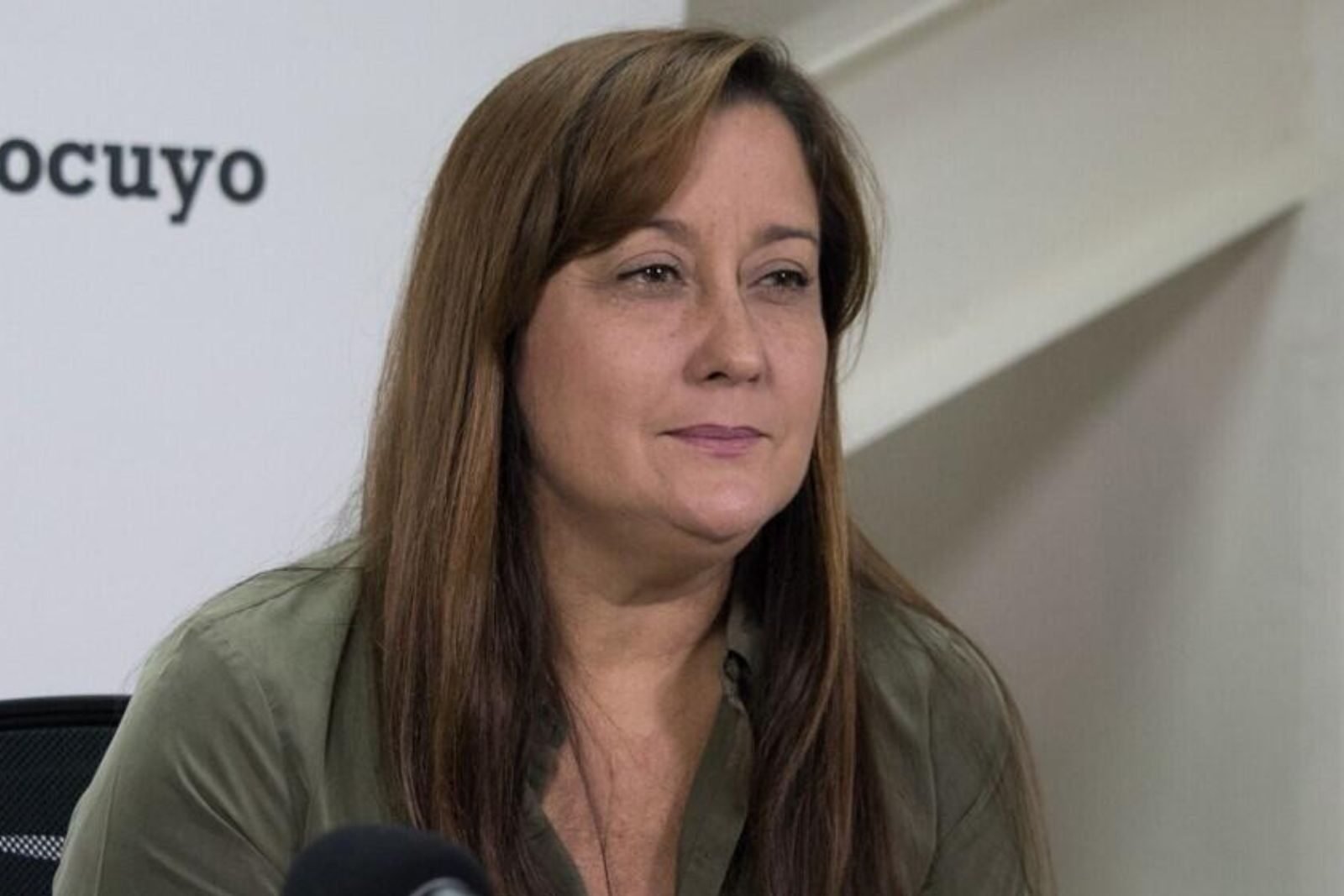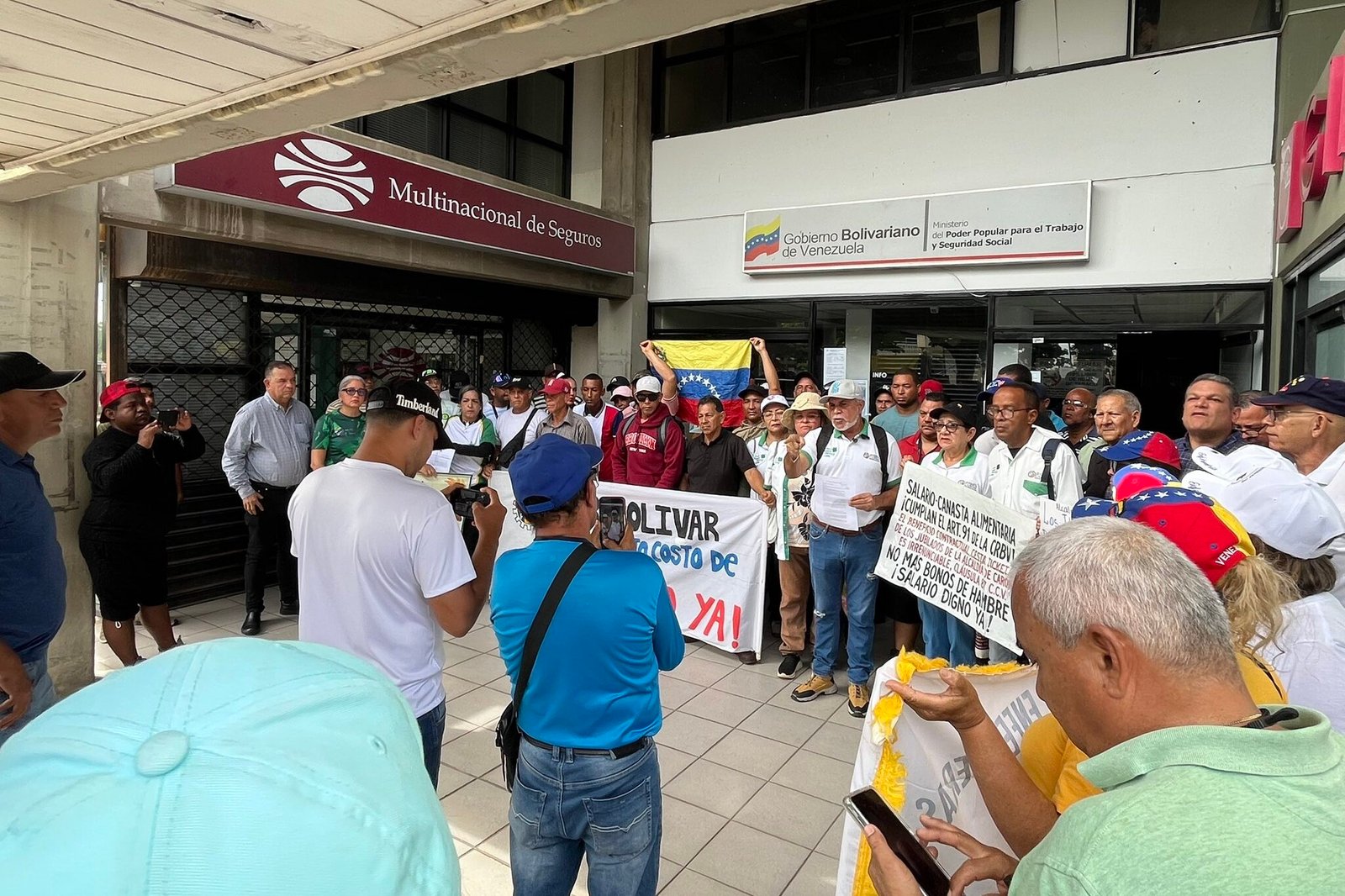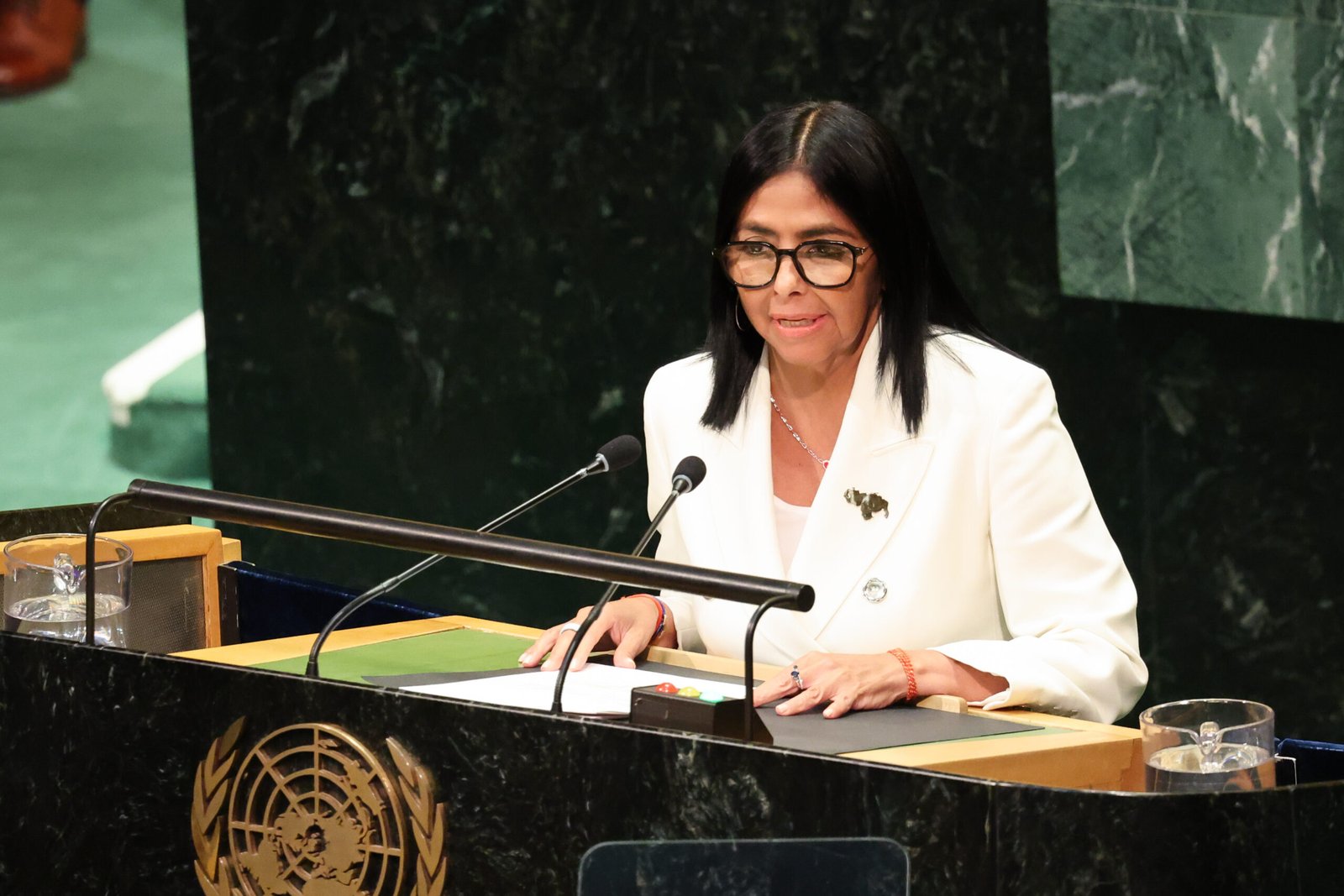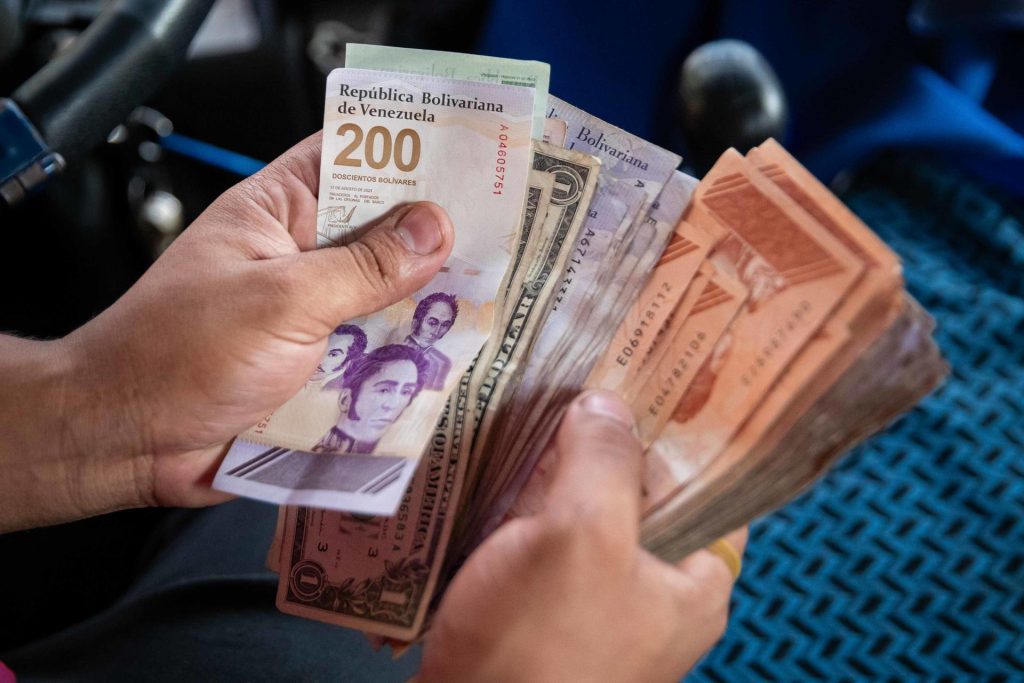
With a deteriorating government administration and opposition leadership showing no change in favorability, the country navigates between pessimism over the economic reality and a persistent hope for future improvement. / Photo: Ronald Peña / International Agencies.
Guacamaya, May 28, 2026. The latest Latam Pulse study for May 2026, conducted by AtlasIntel and Bloomberg, provides key insights into a Venezuela living between economic desperation and a still deeply rooted sense of national identity. The data, while revealing a society exhausted by the crisis, also show a population cautious about solutions that compromise the country’s independence and sovereignty.
The survey shows majority support for the official dollarization of the economy, with 57% of respondents in favor (31% in agreement and 26% in total agreement). This inclination is based on the search for solutions to structural problems such as inflation control (49.8%), considered the main benefit, followed by economic stability (40.5%).
However, pragmatism is not without fears. 35.3% of Venezuelans identify economic dependence on the United States as the greatest risk, almost technically tied with 35% who fear the definitive loss of the national currency. However, compared to the other options listed as risks, 22% state that there would be no risk at all.
But the contrast is interesting, because although monetary substitution is an attractive measure for the majority, the same cannot be said for the possibility of Venezuela becoming the “51st state” of the United States. This scenario, raised following recent statements by Donald Trump about his annexation intentions, sees a rejection of 47.3% of respondents, compared to a timid 20.5% who would support it.
For Venezuelans, the cost of incorporation into the United States as a state is too high, citing the loss of national sovereignty (47.2%) and the loss of national identity (22.8%) as the main disadvantages. Even so, 43.5% acknowledge that, if this measure —which already faces legal and political barriers— were to materialize, the greatest benefit would be economic stability.
The collapse of public administration and the crisis of trust
The AtlasIntel and Bloomberg report is also a snapshot of prolonged discontent with the current administration. The evaluation of Delcy Rodríguez’s government is overwhelmingly negative, reaching 48.9% disapproval (bad/very bad) in May 2026, while only 13.1% rate it as excellent or good.
The trends since Rodríguez assumed power also prove interesting for analysis. On one hand, her disapproval increased by more than 15 percentage points from February to May. Her positive personal image also suffered a steady setback, falling from 29% to 22% over the same period, while her negative image climbed from 56% to 59%.
As a leadership figure in the spotlight, María Corina Machado leads positive image among all leaders evaluated with 55%, though her support has shown little variability since February. The opposition leader surpasses international figures like Marco Rubio (49%) and Donald Trump (45%) as well as other opposition actors such as Edmundo González Urrutia (47%) and Enrique Márquez (16%).
Snapshot of a persistent crisis
An overwhelming 79% rate the country’s current situation as “bad,” and 75% say the same about the labor market. Furthermore, corruption (60.7%) tops the list of concerns, followed by poverty and unemployment (35.6%) and the weakening of democracy (34.9%). The state of the healthcare system (31.7%), as well as deficiencies in the judicial system, also make the list.
On the other hand, regarding political risk, although Venezuela shows some stability in its governance compared to neighbors like Peru or Chile, the Atlas-PRI (Political Risk Index) shows the country facing imminent challenges. One of these is that it is considered very likely that major fraud or corruption schemes will be revealed in the next six months, according to 44% of respondents.
Despite this grim outlook, there is an interesting nuance of hope, with 45% of respondents believing that Venezuela’s situation will improve in the next six months. This expectation contrasts, however, with the reality of consumption, where the intention to purchase durable goods has fallen from 57.7% in February to 30.9% in May, according to the study.
In conclusion, the AtlasIntel and Bloomberg report portrays a Venezuela that, while valuing its sovereignty above geopolitical annexations, is willing to sacrifice its currency in order to halt the inflationary crisis and recover lost stability. The country waits with a mix of skepticism and hope for a change that current figures, for now, do not fully support.