Venezuela Baseball World Champion: How has Sport Changed Countries in Conflict?
Venezuela is the baseball world champion, a sport that has shaped the country’s identity.
The state-owned oil company PDVSA has once again reorganized the leadership of its subsidiaries in the United States, reaffirming Asdrúbal Chávez Jiménez as the head of PDV Holding and its subsidiary Citgo, amid the complex political, legal, and economic crossroads that Venezuela is facing.
Venezuela is at a turning point in its mining sector: after years of informal gold trade routes and international sanctions, the country is implementing a series of legal reforms, institutional reorganizations, and strategic agreements with international actors such as Trafigura. Acting President Delcy Rodríguez seeks to modernize the Mining Law, formalize artisanal mining, and attract foreign investment, while the United States pressures for lower royalties and to ensure security in extraction zones. With safe corridors, corporate mergers, and responsible sourcing schemes, Venezuelan gold is once again becoming a focal point of geopolitics and the global economy.
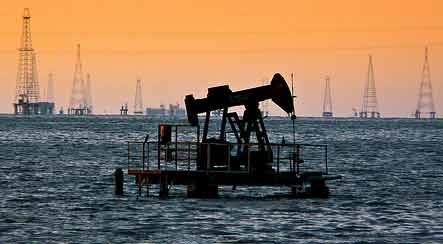
Following the partial easing of U.S. energy sanctions and the political reconfiguration that took place in January, Venezuela is beginning to receive a new wave of international investment in its hydrocarbons sector. Companies such as Chevron, Shell, Repsol and Eni are advancing agreements to expand oil and gas production in the country, while the global energy market tightens amid the crisis in the Middle East and crude prices rising above $100 per barrel.
Economic relations between Venezuela and Colombia are beginning to show signs of renewed momentum amid expectations of growth and economic recovery in Venezuela. Authorities and business leaders from both countries have advanced discussions on energy cooperation, oil investment, binational transport and trade, while preparing for high-level political meetings and maintaining key regulatory decisions such as the renewal of the Monómeros license by the United States.
The recent escalation of tensions between the United States, Israel, and Iran threatens not only the geopolitical stability of the Middle East but also global energy markets. While oil prices have surged and maritime insurers have restricted war-risk coverage in the Persian Gulf, experts warn about the fragility of the Iranian regime and the possible scenarios following the departure of Supreme Leader Ali Khamenei. In this context, Venezuela emerges as a strategic actor capable of influencing global crude supply, in the event of prolonged disruptions in the Strait of Hormuz.
Venezuela is experiencing a rapid reconfiguration of its energy sector and international economic relations, marked by the easing of sanctions, the return of major oil companies, the review of contracts signed during years of isolation, and new negotiations with Washington and Europe.
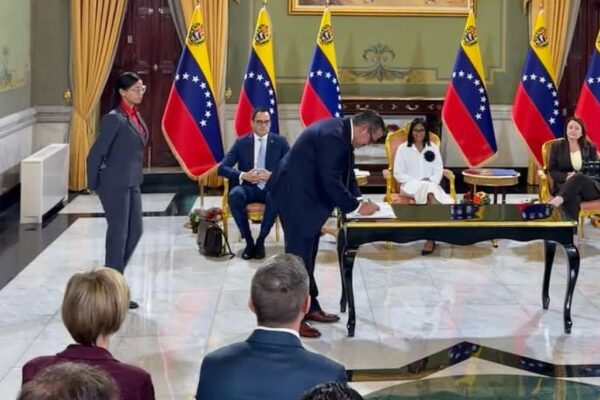
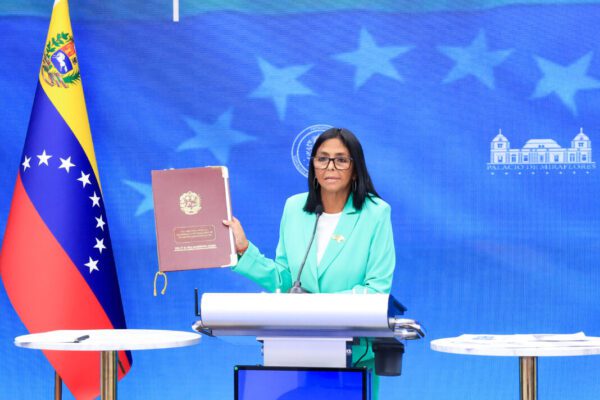
This dialogue takes place within the framework of the Program for Peace and Democratic Coexistence, an initiative launched by Acting President Delcy Rodríguez on January 23, 2026. The program aims to consolidate social, political, and economic stability in the country by promoting understanding, listening, and agreement among diverse sectors of society. The event was organized by the Free Democracy and Elections Chair, the National Understanding Project, in cooperation with the Institute for Integral Transitions (IFIT) and the Faculty of Economic and Social Sciences of the Central University of Venezuela.
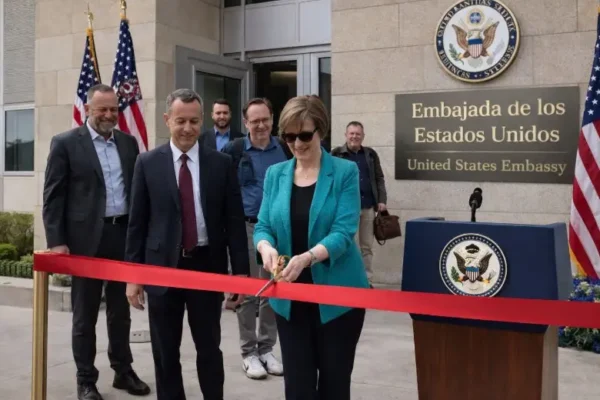
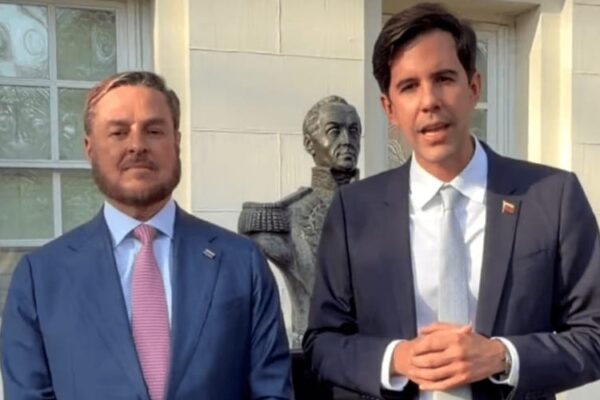
The press conference took place at the JW Marriott Hotel in Caracas, located in the El Rosal business district. The U.S. diplomatic delegation to Venezuela, headed by Laura Dogu, is staying at this hotel. From there, Enrique Márquez addressed the resignations of the Attorney General and the Ombudsman, advocated for a profound transformation of the justice system, endorsed the Amnesty Law as a first step, called for the lifting of sanctions, ruled out immediate electoral aspirations, and defined himself as a bridge between opposing factions. He also praised the international role of Gustavo Petro and José Luis Rodríguez Zapatero in the Venezuelan process.
He stressed that Washington is working “very closely” with interim president Delcy Rodríguez to unlock “extraordinary economic benefits for both countries” and to bring “new hope to those who have suffered so terribly.” Central to that renewed relationship, Trump underscored, is energy cooperation. He announced that more than 80 million barrels of Venezuelan crude had recently entered the U.S. market. One of the most unexpected moments of the address came when Enrique Márquez—former presidential candidate and leader of the Centrados party—was introduced in the chamber. Márquez had spent a year imprisoned at El Helicoide, headquarters of Venezuela’s intelligence service. Trump invited him to stand and celebrate his freedom, as cameras captured an emotional embrace with his niece.