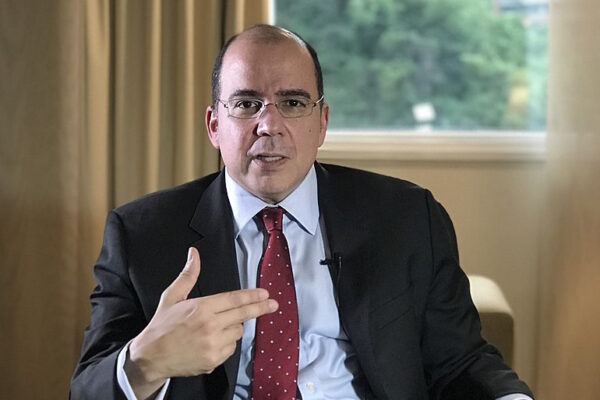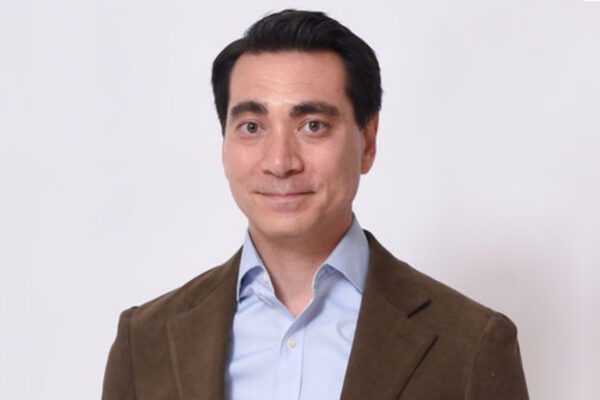
Interview with Luis Vicente León: What do Venezuelans think today about emigration, the economy, and politics?
Luis Vicente León is an economist and professor at the Andrés Bello Catholic University, as well as the president of…
In this section, we invite experts, as well as political and economic actors, in politics of all colours, to contribute to debate and objective analysis in Venezuela.
Luis Vicente León is an economist and professor at the Andrés Bello Catholic University, as well as the president of…
Caracas woke up hot that Thursday, April 11, 2002—or so many have recounted. Not just from the sun heating the asphalt in the eastern part of the capital, but from a tension so thick it could be cut with a knife. For days, the entire country had been torn between shouts, marches, presidential broadcasts, and a bitter clash between irreconcilable visions of the nation. Polarization wasn’t just a buzzword. It was a reality you could breathe, scream, fear, sense, and live. A reality that, though denied, still lingers in the conflict.
Bolivars and dollars reflect the economic struggle in a country marked by devaluation and inflation. Photo: Courtesy. Guacamaya, April 10,…
Juan González was the White House National Security Council Senior Director for the Western Hemisphere in the Biden administration, from January 2021 until March 2024. He led a fundamental change in U.S. policy towards Venezuela, prioritizing strategic engagement to advance U.S. interests, after the failure of the first Trump administration to cause regime change with a “maximum pressure” strategy.
Donald J. Trump (DJT) says in his 1987 book The Art of the Deal, co-authored with journalist Tony Schwartz (The Art of Negotiation, Editorial Digital Titivillus), that his “negotiation style is quite simple. I aim very high. From there, it’s all about pushing and pushing until I get what I want. Sometimes I settle for less, but in many cases, in the end and despite everything, I achieve what I set out to do.” So keep reading, because what follows is surprising.
The recent executive order issued by President Donald Trump has caused a stir in both international energy markets and diplomatic relations. The measure imposes a 25% tariff on all goods imported into the United States from any country that buys Venezuelan oil and gas, effective April 2.
On March 18, 2025, the presidents of Russia and the United States, Vladimir Putin and Donald Trump, held a telephone conversation that marks an important episode in the Ukrainian conflict. Both leaders agreed to a 30-day ceasefire, focused on protecting energy infrastructure and facilitating humanitarian advances, including a prisoner exchange that took place on March 19.
U.S. Secretary of State Marco Rubio threatened Venezuela with “new, severe and escalating sanctions” on Tuesday, to force the country to accept deportation flights.
Editorial Guacamaya, March 6, 2025. Economic sanctions against Venezuela hurt the livelihoods of those of us here, do not promote…